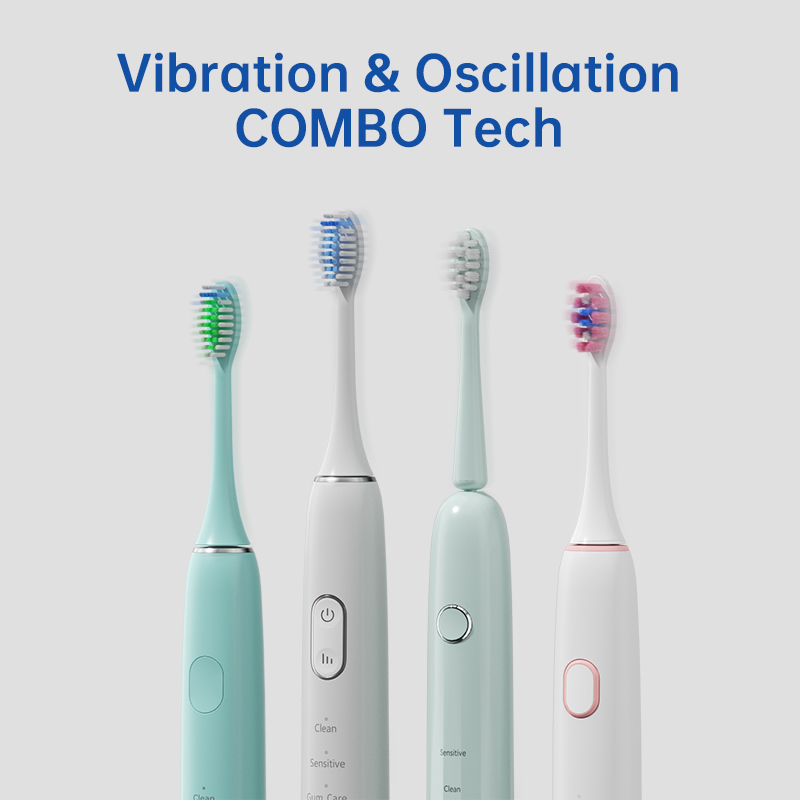
A detailed sonic toothbrush vibration range comparison helps B2B buyers understand how different vibration levels affect product positioning and performance. As vibration frequency is one of the most important technical indicators, it directly influences cleaning efficiency, user experience, and pricing strategy. Therefore, selecting the appropriate range is essential for product success.
In addition, understanding vibration differences allows brands to target specific market segments. As a result, product portfolios can be better structured.
A typical sonic toothbrush vibration range comparison includes the following categories:
Firstly, this range is suitable for basic cleaning needs. Secondly, it offers lower cost and energy consumption.
However, cleaning efficiency is relatively limited. Therefore, it is mainly used in budget products.
This range balances performance and comfort. Moreover, it provides improved plaque removal compared to entry-level models.
Consequently, it is widely used in mainstream products. In addition, it offers good value for money.
High-frequency models deliver superior cleaning performance. Firstly, they generate dynamic fluid action. Secondly, they improve gum care and deep cleaning.
As a result, they are commonly used in premium products. Moreover, they support higher pricing strategies.
While frequency is important, a complete sonic toothbrush vibration range comparison should also consider:
Moreover, well-balanced parameters ensure better overall performance. Consequently, users receive a more comfortable experience.
In addition, poor motor quality can reduce effectiveness even at high frequencies. Therefore, supplier capability is critical.
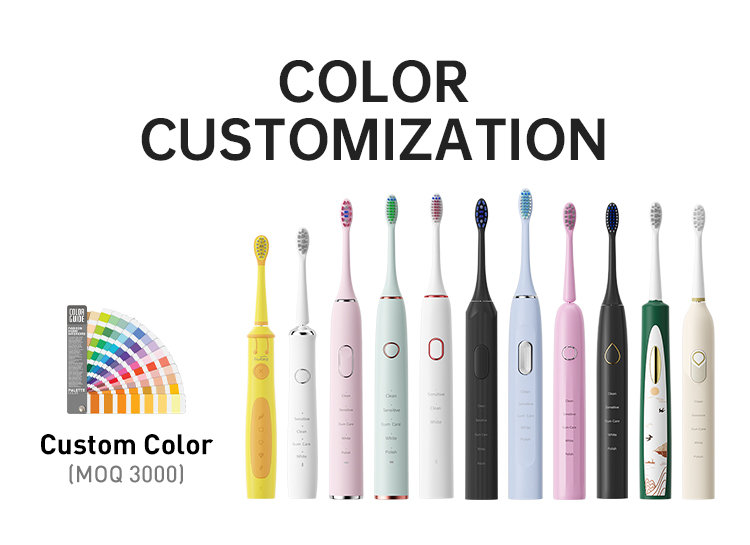
Manufacturers can help brands develop multiple product lines. For example:
Moreover, customization allows brands to differentiate. As a result, market coverage can be expanded.
Internal product reference:
https://www.powsmart.com/electric-toothbrush/
A clear sonic toothbrush vibration range comparison enables B2B buyers to choose the right specifications, optimize product positioning, and maximize market success.
.jpg)
Spice Teeth Whitening Guide
Sonic Electric Toothbrush Private Mold
.jpg)
Pursuing the ultimate cleaning experience?
Should a Consent Management Platform Be Part of Your Privacy by Design Framework?
What Is the Role of Blue Light LED Module in LED Mouthpiece Design for Teeth Whitening?
black hairy tongue water flosser: bacteria buildup

New York City Electric Toothbrush Retailer Sources Electric Toothbrush from PowSmart Manufacturer in China
Electric Toothbrush ODM Service Supplier: End-to-End Product Development for Global Brands
The Importance of Continuously Adding New Products to Oral Care Brands
Frequency and Tips for Using Your At-Home Mouthpiece Recommended by Your Dentist
IPX7 Electric Toothbrush OEM
Tetracycline Stains Whitening Guide: Best Methods for Stubborn Discoloration
What Are the Mandatory Certifications for the Sale of Dental Electronic Products in EU Countries?
Teeth Whitening Smokers Stains Guide: Remove Stubborn Tobacco Discoloration
LED Whitening Device Lifespan Guide: Maximize Your Device’s Effectiveness
Can Desensitizing Gel for Whitening Be Included in Dental Insurance Partnership Products?


.jpg)
.jpg)
.jpg)
.jpg)
.jpg)









.jpg)