Info Center
Home » powsmart Electric Toothbrush blog » Sleep Apnea Oral Care Guide: Brush Features for CPAP Dry Mouth

Sleep Apnea Oral Care Guide: Brush Features for CPAP Dry Mouth

Date:2026-03-26
CPAP users face dry mouth, and this sleep apnea oral care guide teaches brush features and routines that help combat device-related dry mouth. Continuous Positive Airway Pressure (CPAP) machines deliver pressurized air to keep your airway open during sleep, but this air flow dries out your mouth, reducing saliva flow and increasing the risk of cavities, gum disease, and bad breath. For sleep apnea-friendly electric toothbrushes, visit https://www.powsmart.com/.

Why CPAP Use Causes Dry Mouth & Oral Risks

First, understand the impact of CPAP on oral health:
  • CPAP machines blow dry air into your mouth and throat, reducing saliva flow (xerostomia) overnight.
  • Less saliva means more bacteria growth, which causes cavities, gum inflammation, and bad breath.
  • Dry mouth also makes teeth more sensitive to hot, cold, and acidic foods, increasing enamel erosion risk.
  • Some CPAP users also mouth-breathe during sleep, worsening dryness and oral health issues.

Key Electric Toothbrush Features for Sleep Apnea Patients

Furthermore, these features help combat CPAP-related dry mouth:
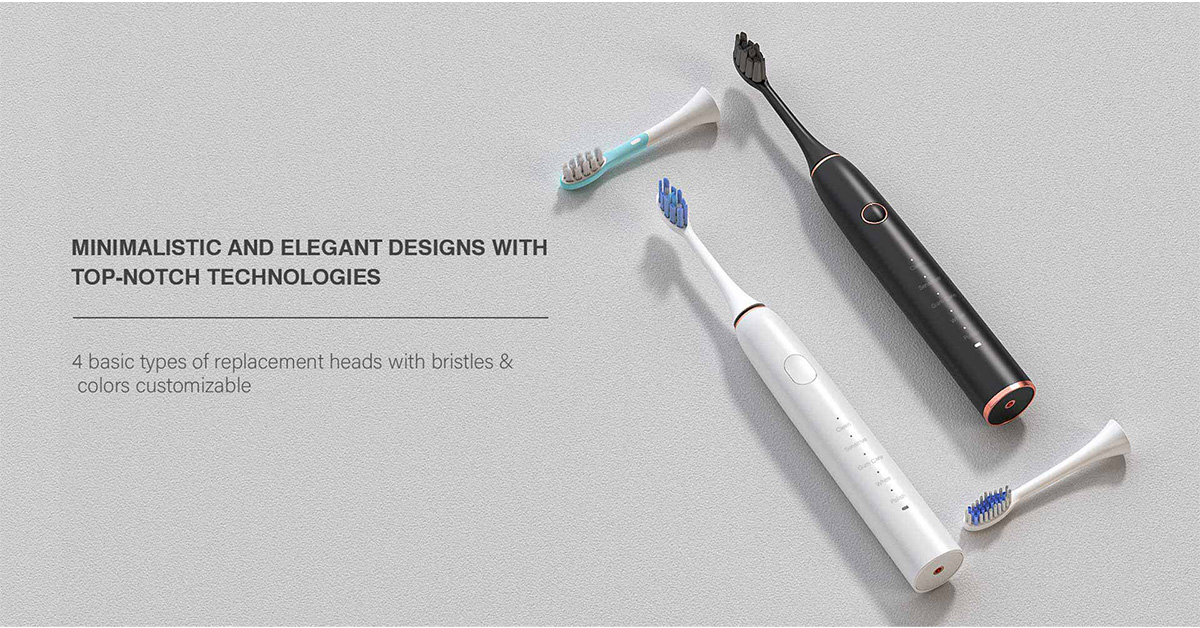
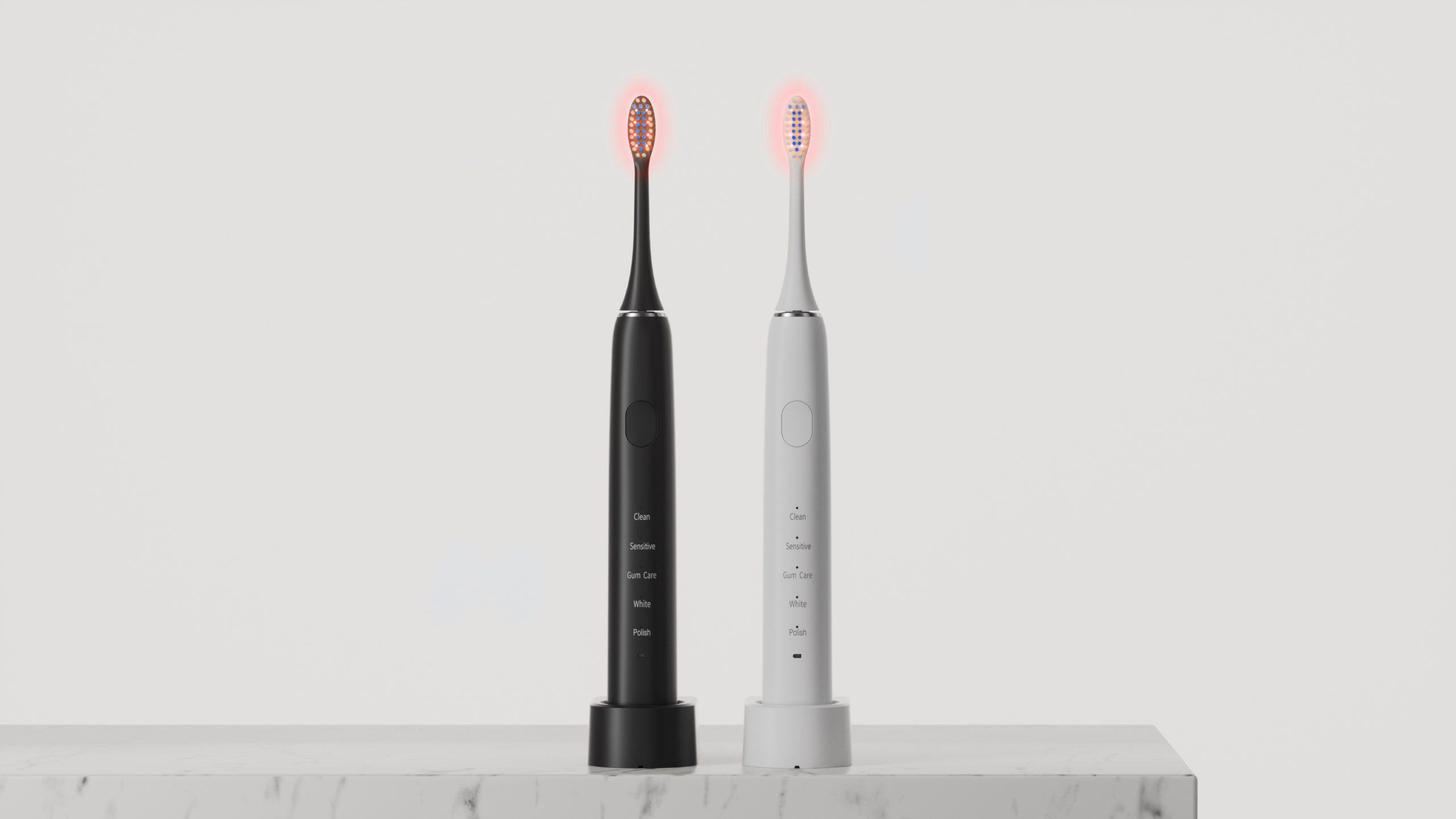
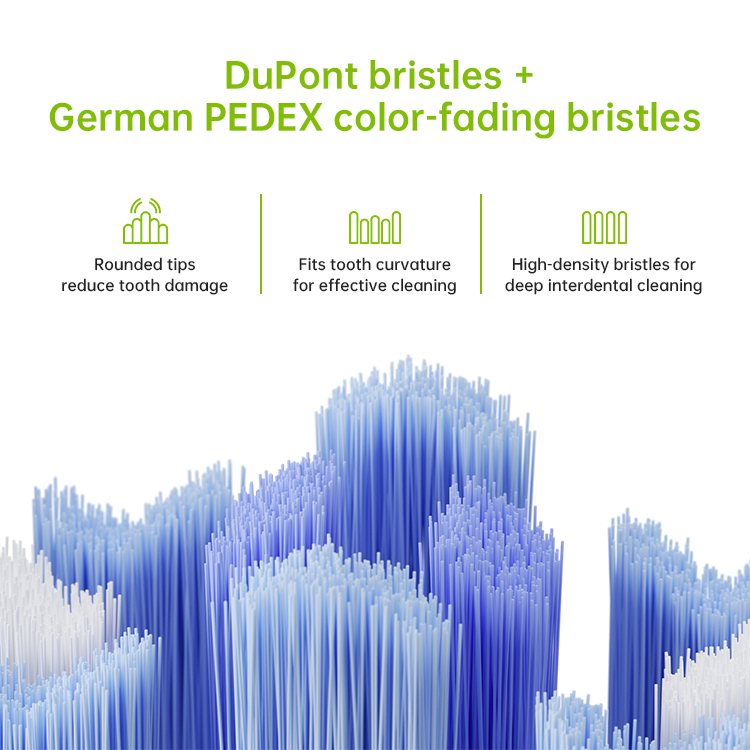
  • Ultra-soft bristles: Gentle enough to clean dry, sensitive gums and enamel without irritation.
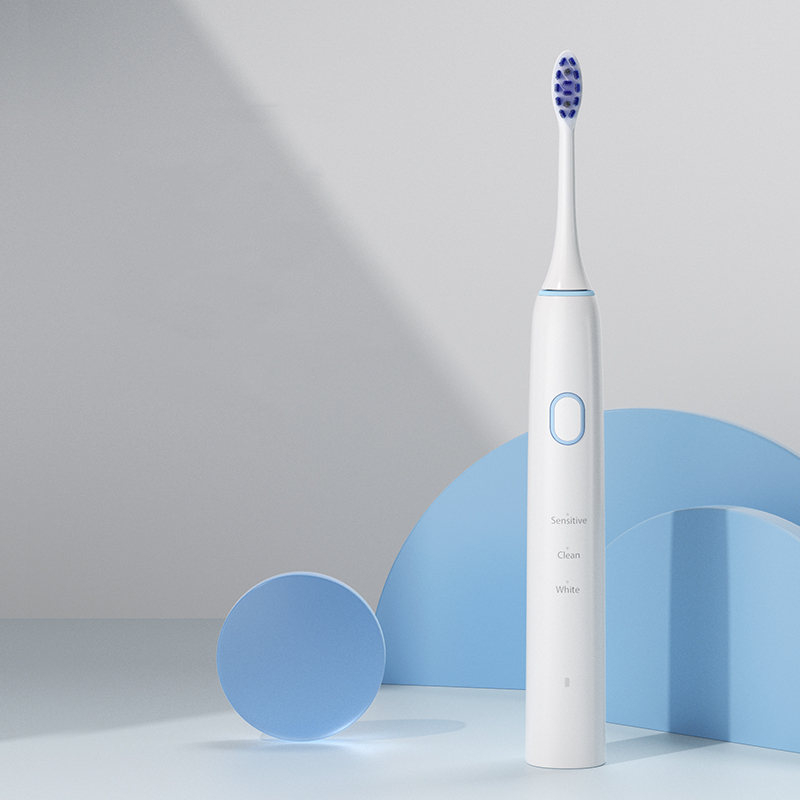
  • Sensitive mode: Low-vibration settings reduce discomfort on dry, inflamed gum tissue.
  • Pressure sensor: Prevents over-brushing, which can wear away thin enamel weakened by dry mouth.
  • Built-in timer: Ensures you brush for the full 2 minutes, removing plaque thoroughly even with reduced saliva.
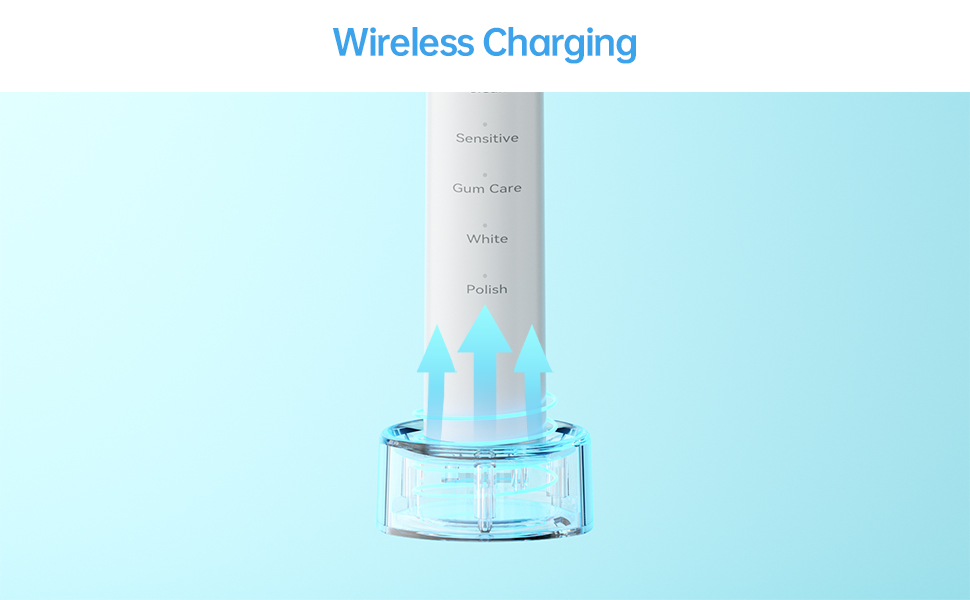
  • Rechargeable battery: Eliminates the hassle of battery changes, making consistent care easier for those managing sleep apnea.

Oral Care Routine for CPAP Users

In addition, follow these steps to combat dry mouth:
  1. Brush before bed: Brush thoroughly to remove daytime plaque and reduce bacteria growth overnight.
  2. Use a humidifier: Add moisture to the CPAP air flow to reduce dry mouth during sleep.
  3. Brush in the morning: Brush again after waking up to remove overnight plaque and bacteria caused by dry mouth.
  4. Floss daily: Remove debris from between teeth, where bacteria thrive in dry mouth.
  5. Rinse with water: Sip water throughout the day to hydrate your mouth and stimulate saliva flow.

Additional Sleep Apnea Oral Care Tips

In addition, these steps reduce dry mouth and protect your oral health:
  • Use a fluoride toothpaste to strengthen weakened enamel and reduce sensitivity.
  • Chew sugar-free gum during the day to stimulate saliva flow and neutralize acid.
  • Avoid sugary snacks and drinks, which feed bacteria and increase cavity risk.
  • Visit your dentist every 6 months to check for dry mouth-related issues like cavities or gum disease.
  • Talk to your sleep specialist about adjusting your CPAP settings to reduce dryness.
In conclusion, this sleep apnea oral care guide shows how specialized electric toothbrushes and a tailored routine help CPAP users combat dry mouth and protect their oral health. Prioritize ultra-soft bristles, sensitive modes, and consistent brushing to maintain a healthy smile while managing sleep apnea. For more sleep apnea oral care tips, visit https://www.webmd.com/sleep-disorders/sleep-apnea/sleep-apnea-oral-health.