As water flossers continue gaining global popularity, brands entering the oral-care market face a critical product-development challenge: how to design power settings that achieve strong cleaning efficacy while maintaining user comfort. Whether you are launching a premium model or building your first SKU, understanding the technology behind water pressure, flow control, and OEM design is essential when selecting the right manufacturer. Below, we break down six key aspects brand owners should evaluate when developing a next-generation water flosser.
The core function of any water flosser relies on water flosser power settings—typically measured in PSI (pounds per square inch) or bar pressure. These settings determine how effectively the device removes plaque, food debris, and bacteria between teeth and along the gumline.
A well-engineered device offers a wide range of adjustable levels, allowing users to switch between gentle gum-care modes and high-pressure cleaning modes.
When choosing a factory partner, ensure they can provide stable, repeatable pressure outputs and can customize pressure curves based on your brand positioning.
Strong pressure alone does not guarantee better results. True cleaning efficacy comes from the right combination of pressure, pulse frequency, water-stream precision, and nozzle angle.
Equally important is user comfort—especially for beginners, sensitive-gum users, and elderly consumers.
A capable OEM manufacturer should be able to help you optimize:
Pressure increments between levels
Pulse modulation technology
Smooth ramp-up transition between modes
Noise control and vibration stability
This ensures the product feels powerful yet comfortable, encouraging consistent consumer usage.
Brand differentiation often depends on unique OEM design capabilities. Many advanced manufacturing partners now offer customized motor systems, PCB configurations, and pressure algorithms.
Ask your potential factory whether they can support:
Smart adaptive pressure control
Brand-exclusive cleaning modes (e.g., “Deep Clean,” “Soft Massage”)
App-controlled pressure settings
Firmware-level safety protections
These features not only improve performance but significantly enhance the perceived value of your final product.
User comfort varies significantly across regions. For example:
Asian markets tend to prefer lower pressure ranges (20–80 PSI)
European and North American consumers often look for higher PSI (80–120 PSI)
A versatile manufacturer should understand these market differences and advise on power-range calibration during R&D development.
To protect consumer health and ensure brand credibility, each device must undergo rigorous testing, including:
Pressure accuracy calibration
Burst-pressure tests
Water-flow consistency checks
Durability and life-cycle assessments
Factories experienced in oral-care electronics will also support international compliance such as FDA, CE, FCC, and ISO-certified production processes.
The success of your water flosser project depends heavily on choosing a manufacturer with:
Mature R&D capabilities
Strong experience in water flosser power settings development
Ability to balance cleaning efficacy with user comfort
Flexible and scalable OEM design services
Transparent quality-control systems
A high-quality OEM partner will help you create a reliable, competitive product that stands out in a fast-growing global market.
Water flosser power settings are more than just technical specifications—they define the user experience and the cleaning results your product delivers. By understanding pressure mechanics, prioritizing comfort, and working with a skilled OEM manufacturer, brand owners can bring to market a water flosser that is both effective and enjoyable to use.
Is Your Water Flosser Saline Solution Compatible for Effective Calcified Deposit Remover?
.jpg)
Sonic Toothbrush Manufacturer China – OEM & Bulk Production
Children’s Smart Toothbrush | OEM Solutions for Pediatric Oral-Care Brands
.jpg)
How Do CIE Whiteness Index Measurements Account for Hue Saturation Lightness in Whitening Results?
How Does a Photobleaching Catalyst Interact with Optical Brighteners in Advanced Whitening Formulations?
adult sonic toothbrush wholesale | High-Performance Sonic Toothbrush Bulk Supply
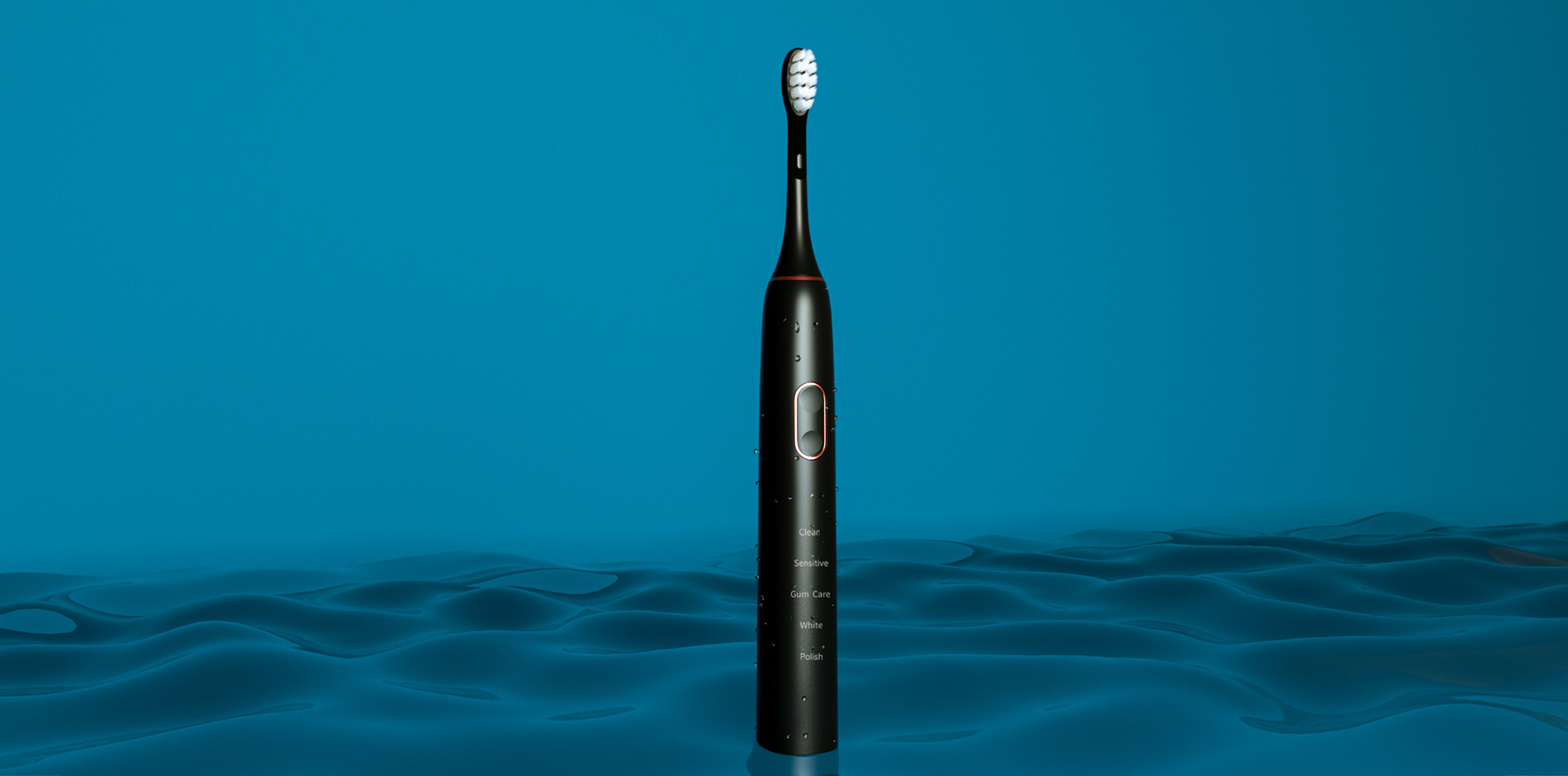
Will the Electric Toothbrush with Matte Surface Finish Chip Off the Paint During Use?
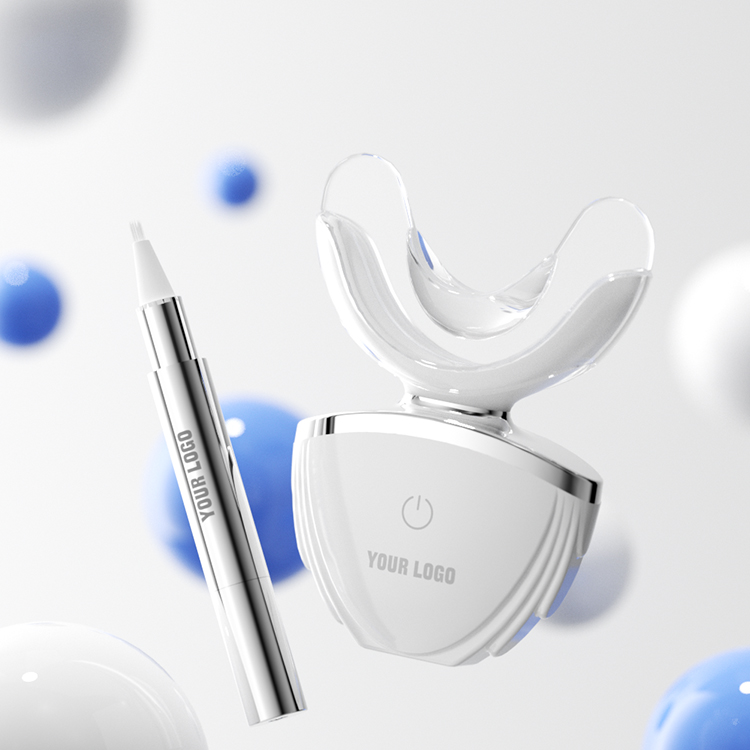
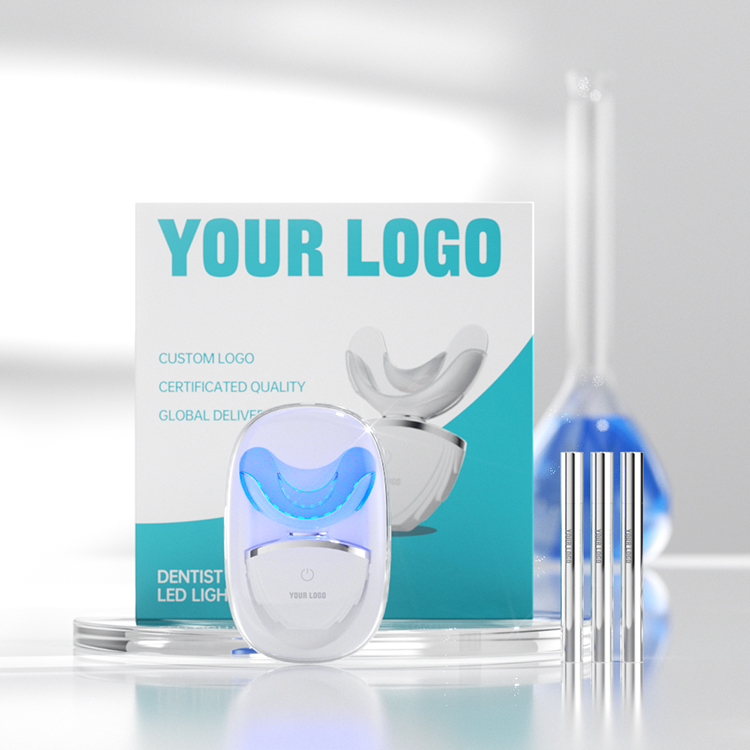
The Safe Way To Whiten Teeth: Dentist-Approved OEM Whitening Products
Electric Toothbrush Wholesale Supplier for Global Distributors
USB-C Water Flosser Wholesale | Fast-Charging Oral Irrigator Distributor
.jpg)
How Does a Laminar Flow Nozzle Complement a Micro-perforated Brush Head for Deep Cleaning?
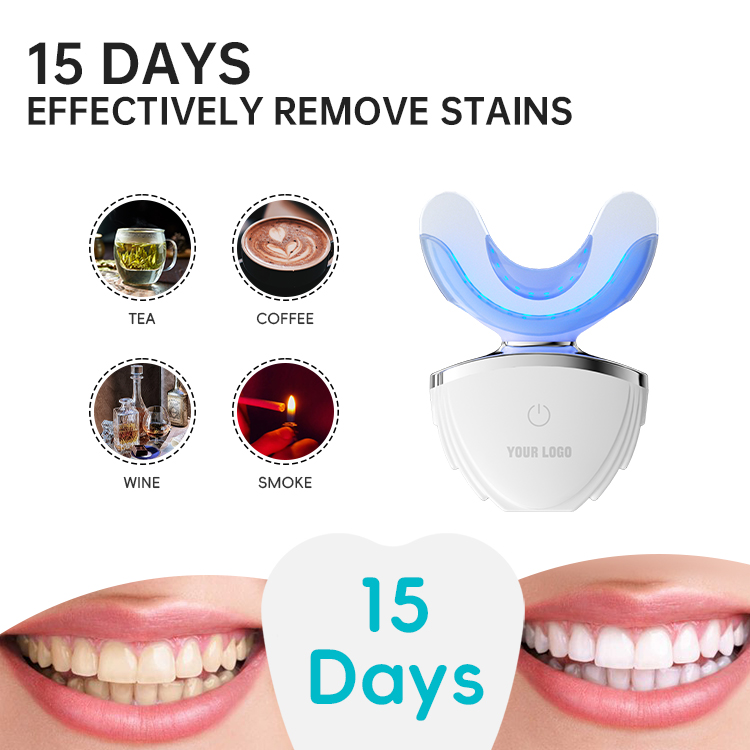
How Do Surface Reflectance and Subsurface Scattering Measurements Improve Whitening Efficacy Evaluation?
Partner with OEM Experts for Dentist-Recommended At-Home Teeth Whitening Products
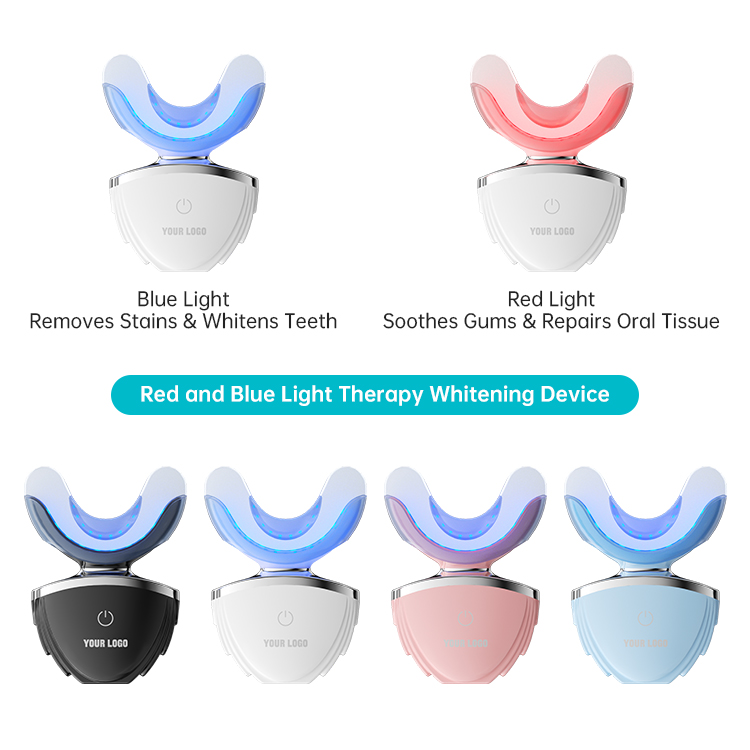
Blue Light Whitening Device OEM Solutions for Global Brands
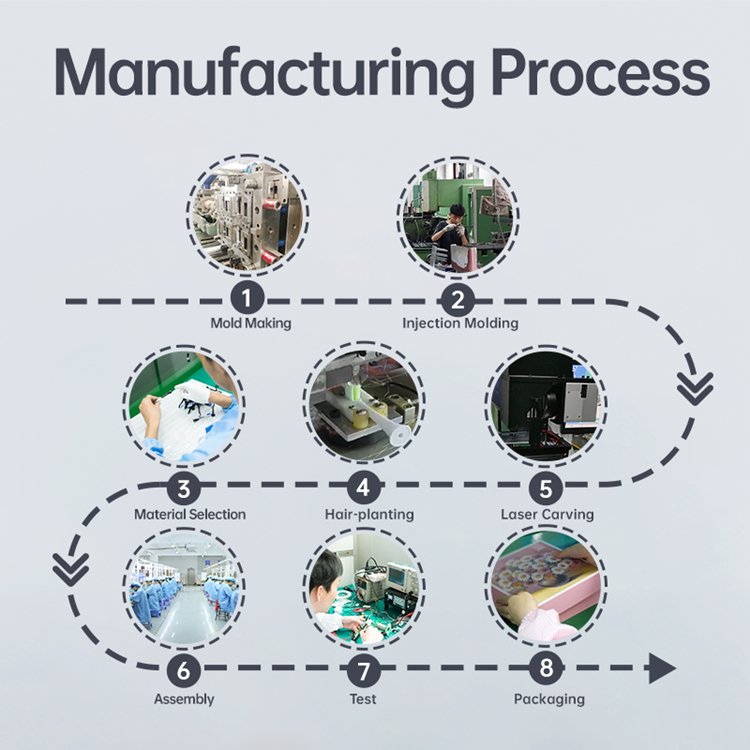
How Does Osmotic Pressure Regulation Enhance Jet Stream Collimation for Gentle Gum Care?
Whitening Pen + LED Kit Supplier | Teeth Whitening Combo OEM


.jpg)
.jpg)
.jpg)
.jpg)
.jpg)