
A Refurbishment Quality Standard helps ensure consistent product performance after refurbishment activities. An End-of-Service Life Plan defines how products are managed after useful operation ends. Combining both supports sustainability and compliance objectives. This blog explains their importance.
Effective lifecycle planning improves operational control. A Refurbishment Quality Standard establishes requirements for inspection and restoration. An End-of-Service Life Plan addresses final product disposition. This creates a complete lifecycle strategy.
Quality consistency is essential for customer confidence. A Refurbishment Quality Standard defines testing and performance criteria. An End-of-Service Life Plan ensures aging products are managed appropriately. This improves product reliability.
Regulatory expectations continue increasing worldwide. A Refurbishment Quality Standard helps document quality processes and controls. An End-of-Service Life Plan supports responsible disposal or recycling practices. This reduces operational risks.
Maximizing asset value benefits long-term profitability. A Refurbishment Quality Standard helps determine refurbishment feasibility. An End-of-Service Life Plan identifies recovery opportunities before disposal. This improves return on investment.
Sustainability has become a strategic business priority. A Refurbishment Quality Standards extends product usability through controlled refurbishment. An End-of-Service Life Plan minimizes waste generation. This supports environmental objectives.
Transparent processes build stronger business relationships. A Refurbishment Quality Standards demonstrates commitment to product quality. An End-of-Service Life Plan shows responsible lifecycle management. This enhances brand credibility.
A comprehensive Refurbishment Quality Standards should include an effective End-of-Service Life Plan. Together, they improve product quality, support sustainability goals, and strengthen regulatory compliance. For B2B manufacturers, OEM partners, and service providers, this integrated approach delivers long-term operational and commercial value. Contact us

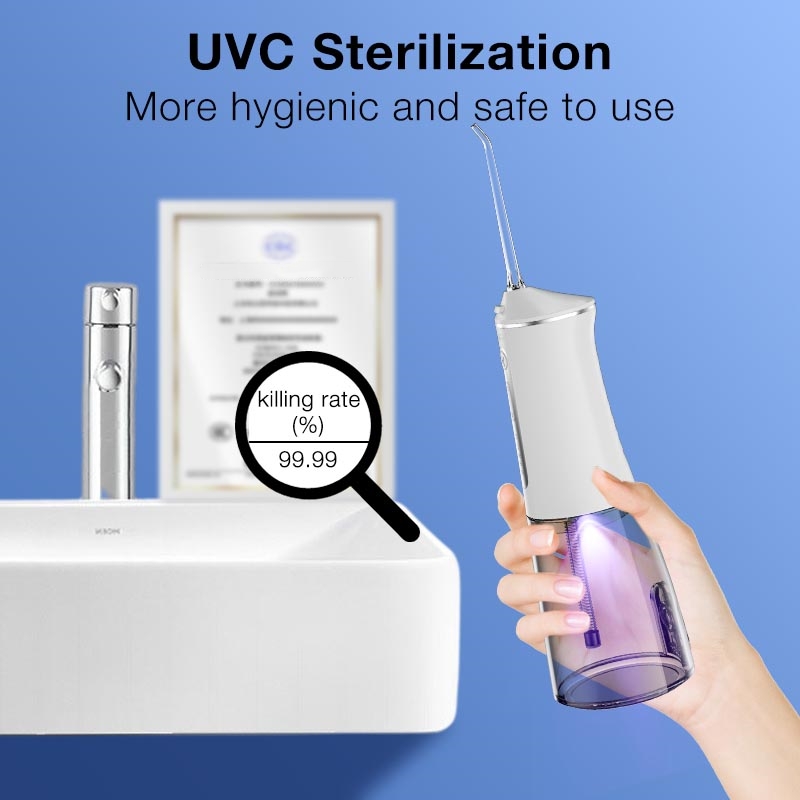
Oral Irrigators That Can Replace Dental Floss Are So Useful! 5 Common Misunderstandings About Using Them
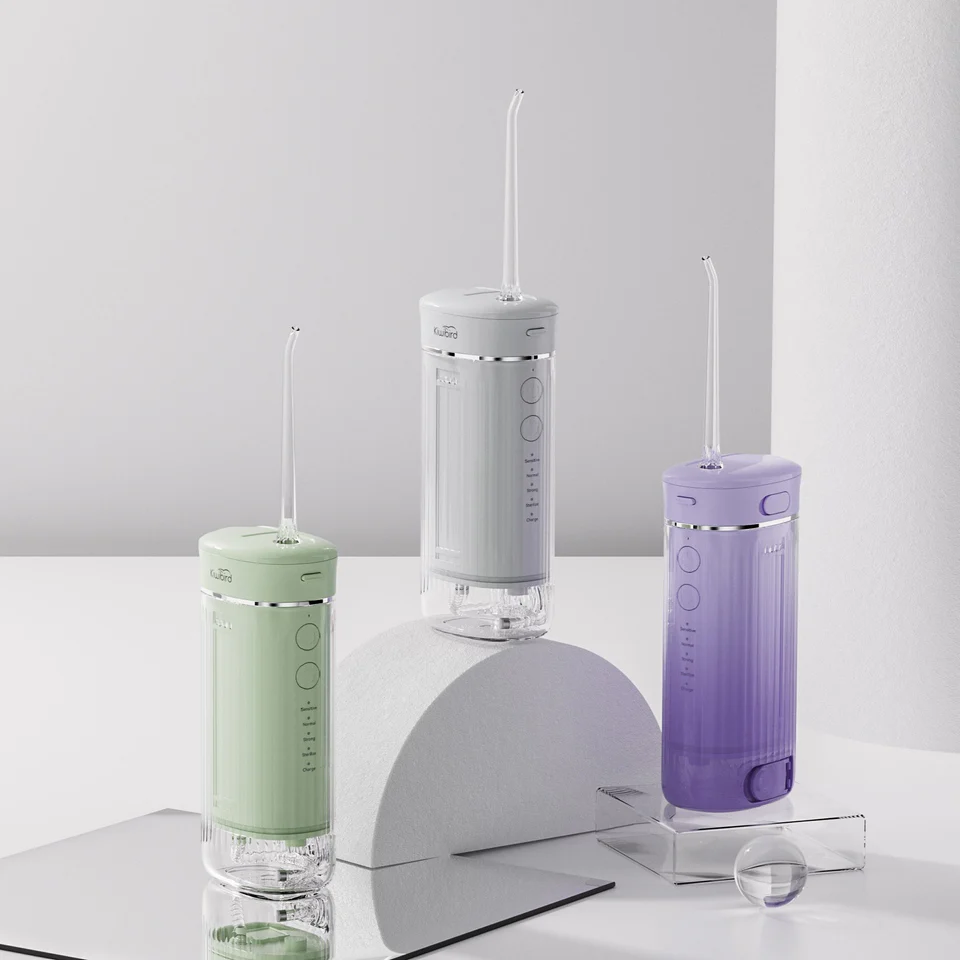
How Brands Can Expand Oral Care Line with Competitive Water Flossers

Can Equipment Financing for Practices Accelerate Regional Distributor Onboarding?
How Can a University Research Collaboration Advance the Evidence for Photobiomodulation Therapy in Oral Care?
.jpg)
Need funding? Dental grants for WA clinics – how to apply
Developing an Ergonomic Handle Custom Molding with Specialized Gum Care Mode Programming?

Does Your Dental Hygienist Recommendation Program Include a Patient Education Materials Package?
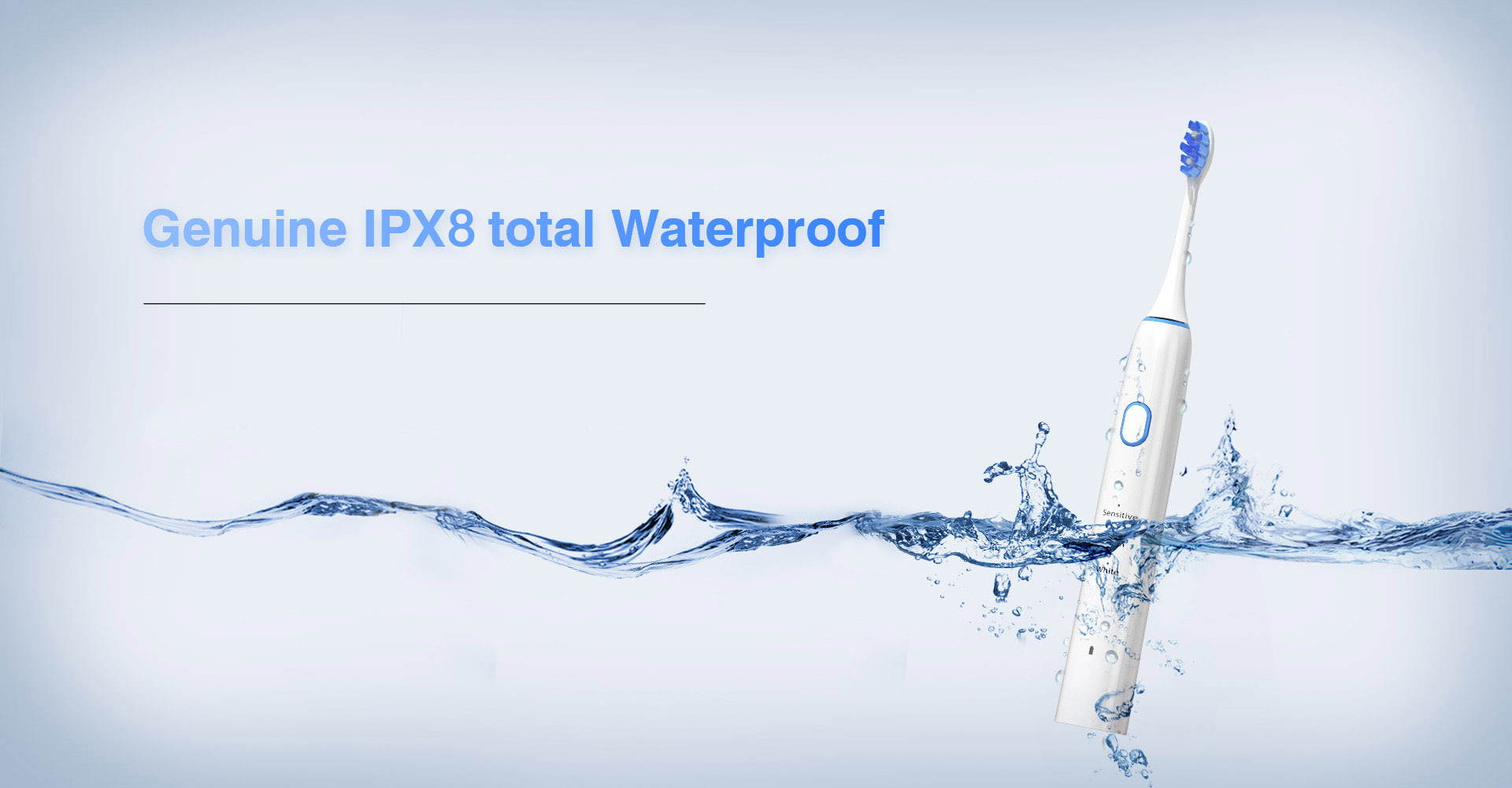
What Are the Specific Performances After Water Ingress of the Automatic Boot of the Electric Toothbrush?
.jpg)
Aging Teeth Whitening Guide: Realistic Brightening for Mature Smiles
Why Is It Important to Use a Water Flosser Instead of Dental Floss?
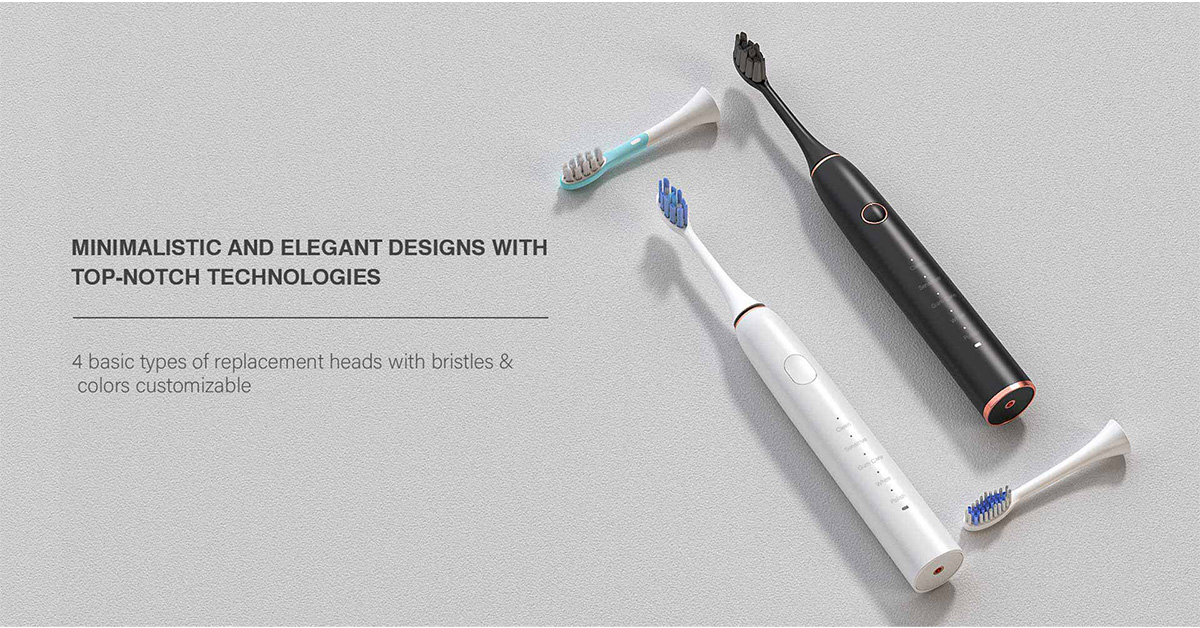
Trends in Electric Toothbrush Market
Electric Toothbrush Charging Safety OEM: Reliable and Secure Power Design
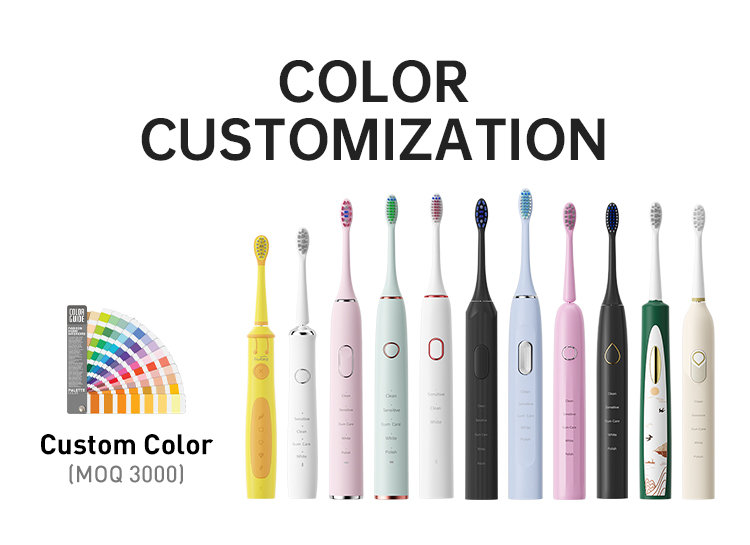
Can an Accelerator Serum Supplier Also Provide Desensitizing Gel Solution for Whitening Kits?
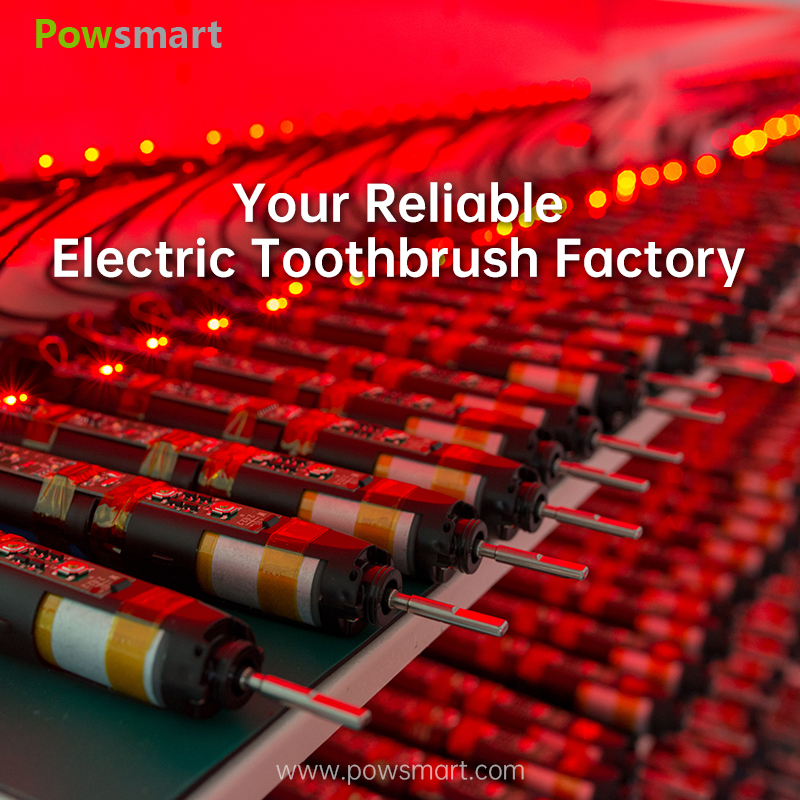
Defining Effective Electric Toothbrush Design for Modern OEM Brands
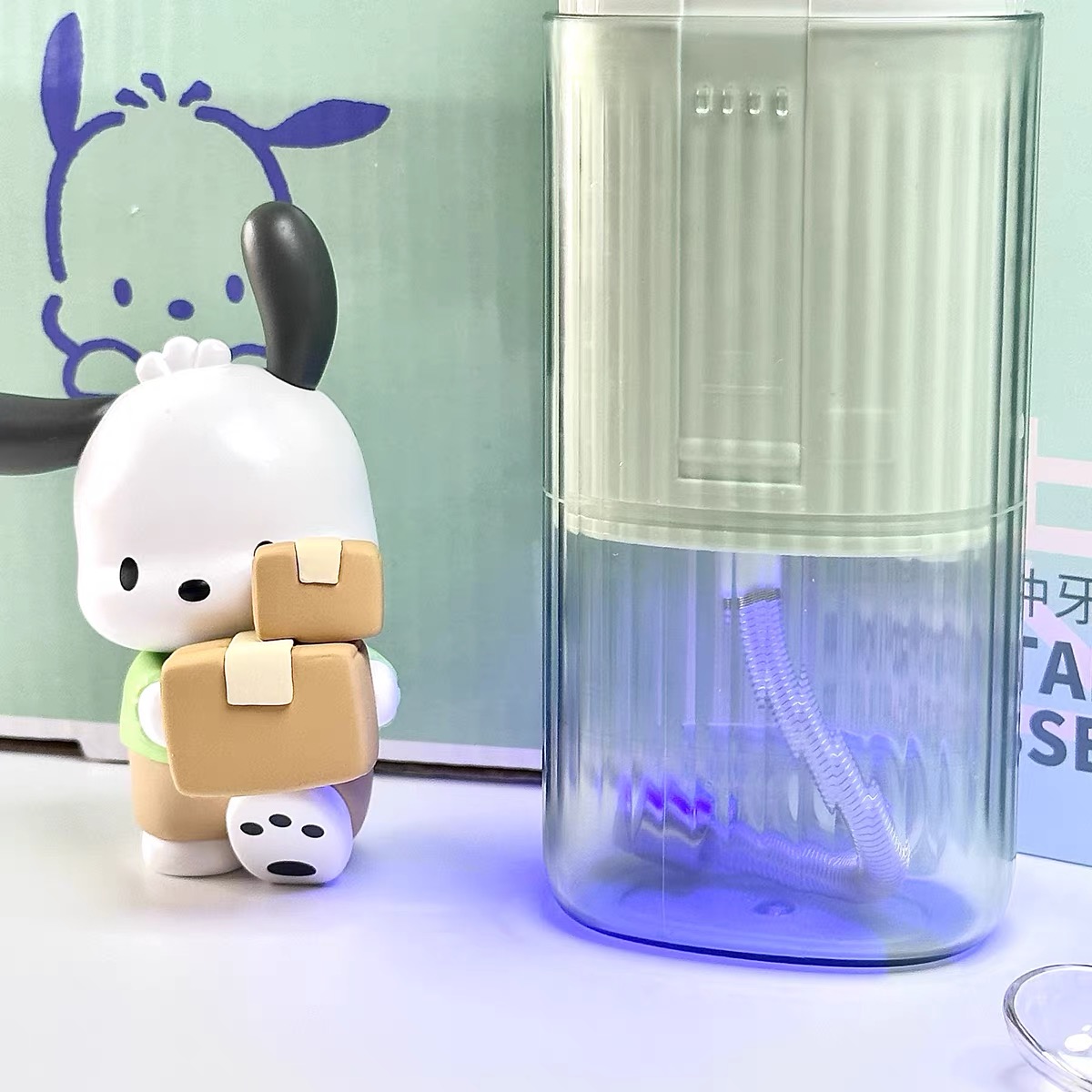
How Does Water Tank Molding Design Integrate with a Gravity Feed System?
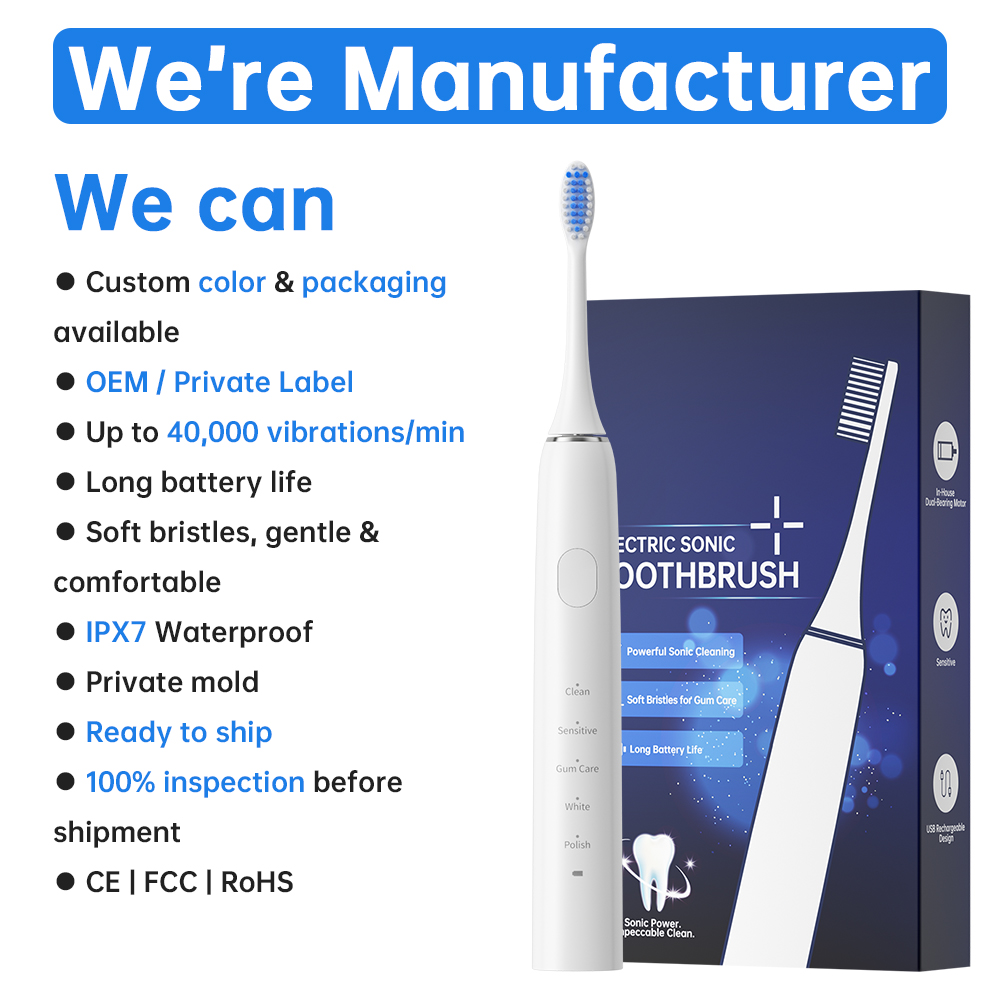
Deep Cleaning Sonic Electric Toothbrush OEM Manufacturer


.jpg)
.jpg)
.jpg)
.jpg)
.jpg)




.jpg)
.jpg)