
In today’s highly regulated and competitive manufacturing landscape, Quality Control Protocols form the operational backbone of Rigorous Quality Assurance. For B2B manufacturers, especially in medical, dental, and personal care industries, structured control processes are essential to ensure product consistency, compliance, and long-term customer trust.
Well-defined Quality Control Protocols ensure that every production stage follows standardized specifications. By minimizing process variation, manufacturers can achieve Rigorous Quality Assurance that delivers consistent product performance across batches, which is critical for OEM and private-label partners.
One of the key advantages of robust Quality Control Protocols is early defect detection. In-line inspections and testing checkpoints allow issues to be identified before mass production, reducing waste, rework costs, and risks to Rigorous Quality Assurance outcomes.
Industries governed by ISO, FDA, or CE requirements rely heavily on documented Quality Control Protocols. These protocols provide traceable evidence needed for audits and certifications, reinforcing Rigorous Quality Assurance across global markets.
Incoming material inspection is a critical component of Quality Control Protocols. By validating raw materials and components before use, manufacturers strengthen Rigorous Quality Assurance, ensuring that final products meet both safety and performance expectations.
Data collected through Quality Control—such as defect rates and process deviations—enables continuous process optimization. This feedback loop allows manufacturers to refine workflows and elevate Rigorous Quality Assurance over time.
Reliable Quality Control directly translate into predictable quality outcomes. For B2B customers, this consistency is the foundation of Rigorous Quality Assurance, fostering long-term partnerships, repeat orders, and brand credibility.
Quality Control are not isolated checkpoints—they are integral to achieving Rigorous Quality Assurance throughout the manufacturing lifecycle. By embedding structured control systems into every stage of production, B2B manufacturers can ensure compliance, consistency, and sustainable competitive advantage. Contact us

.jpg)
Powsmart electric toothbrush manufacturer in Phoenix
.jpg)
B2B Electric Toothbrush Supplier America
OEM Electric Toothbrush Manufacturer for USA Brands – Powsmart
cordless water flosser reviews
powsmart sonic toothbrush supplier
Bulk sonic toothbrush Chicago Illinois
Electric Toothbrush ODM Manufacturer for Global Oral Care Brands
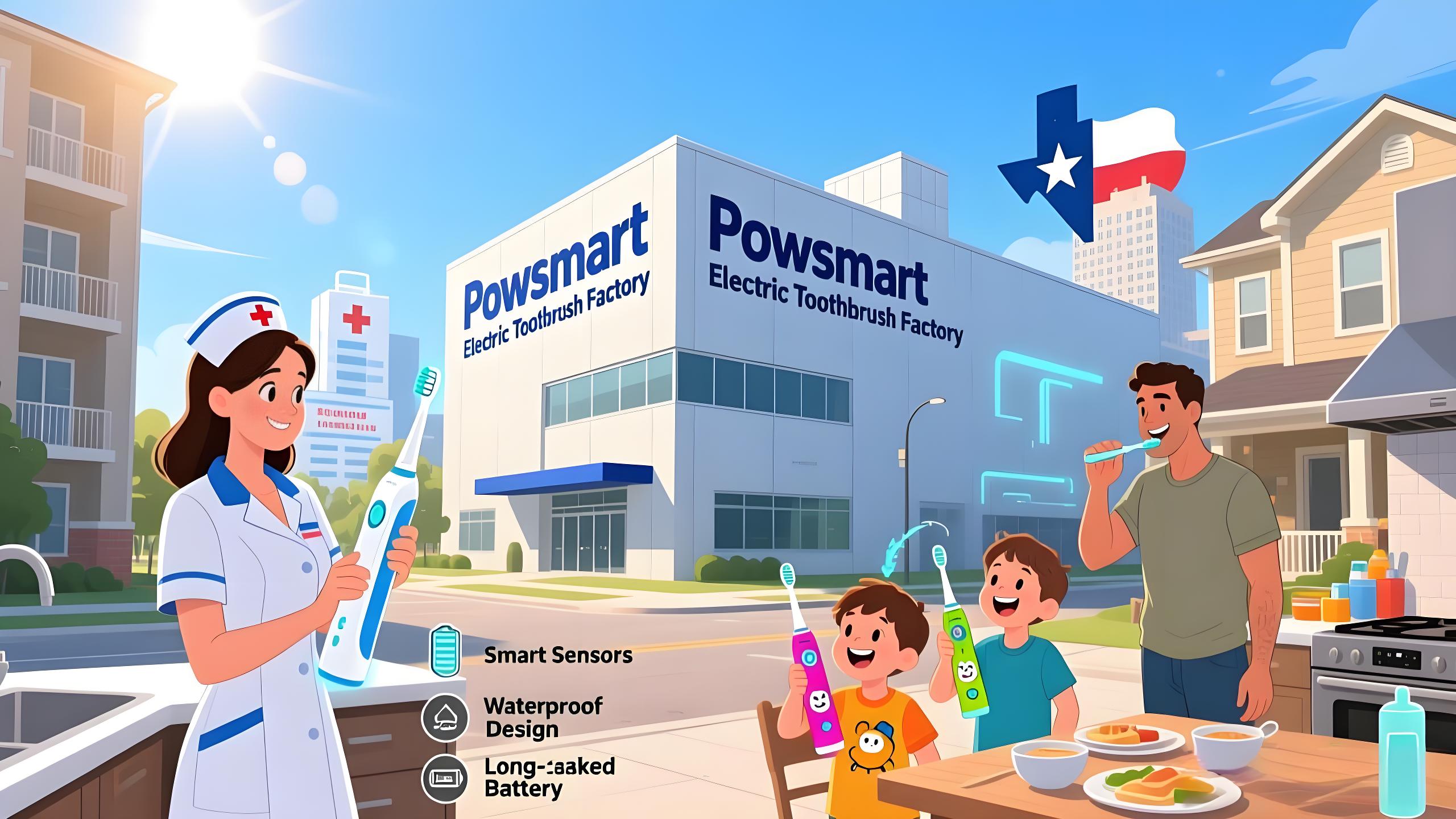
powsmart personalized toothrbush bulk
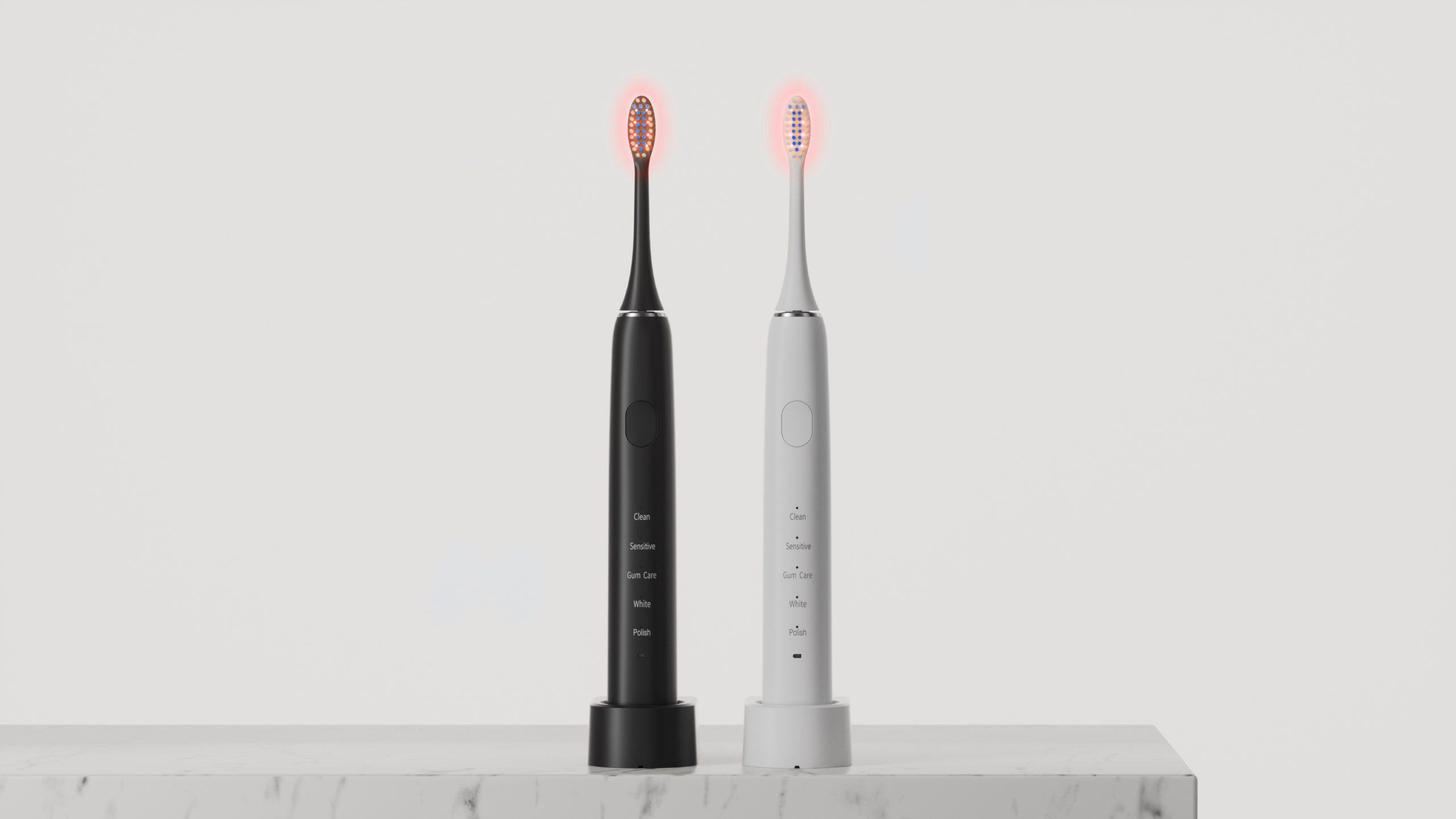
sonic toothbrush factory
how to choose a toothbrush brand?
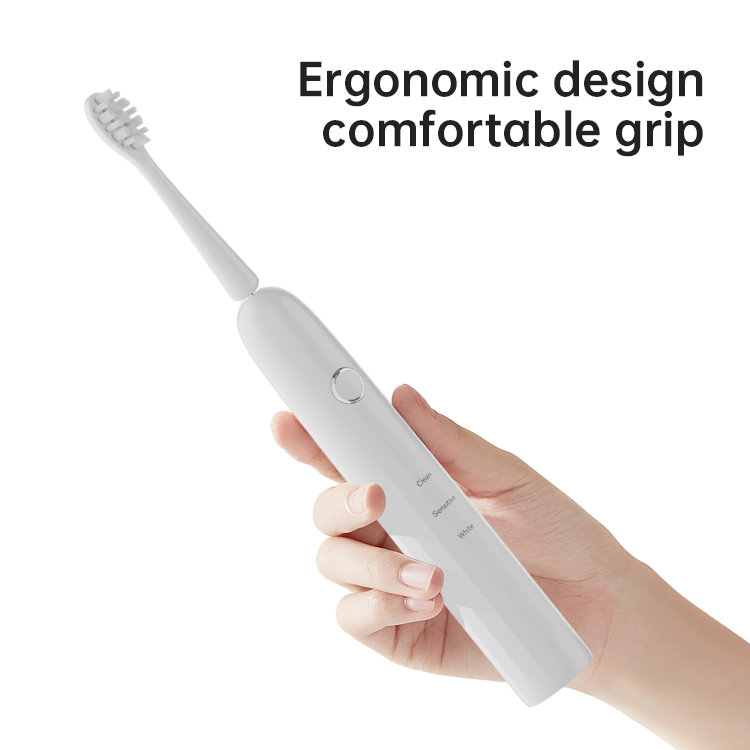
How Does a Waterproof IPX7 Solution Integrate with Ergonomic Custom Handle Design?
.jpg)
Electric toothbrush manufacturer USA
powsmart electric toothbrush manufacturer
.jpg)
powsmart-Rotating Electric Toothbrush Manufacturers
.jpg)
Teeth-Whitening Sonic Electric Toothbrush Manufacturing Factory
dental wholesale market NYC


.jpg)
.jpg)
.jpg)
.jpg)
.jpg)






.jpg)
.jpg)

.jpg)