In advanced oral care device manufacturing, Pressure Sensor Calibration plays a critical role in ensuring product safety and performance—especially after Brush Head Injection Molding. While molding defines the physical structure of a brush head, post-molding calibration ensures that integrated or interacting pressure-sensing systems deliver accurate, consistent feedback to end users.
Brush Head Injection Molding involves complex geometries, material flow dynamics, and cooling cycles. Minor variations in wall thickness or internal structure can alter how force is transmitted from the bristles to the handle, making Pressure Sensor Calibration essential to compensate for these physical differences.
Pressure sensors are designed to detect brushing force to protect gums and enamel. Without proper Pressure Sensor Calibration after molding, even well-designed sensors may misinterpret applied force due to subtle changes introduced during Brush Head Injection Molding.
Thermoplastic materials used in Brush Head Injection Molding naturally shrink as they cool. This shrinkage can affect component alignment and contact points, requiring recalibration to maintain accurate pressure detection and reliable signal output.
In high-volume manufacturing, maintaining uniform user experience is a key quality objective. Pressure Sensor Calibration ensures that brush heads from different molds or production batches respond consistently, despite minor process variations inherent in injection molding.
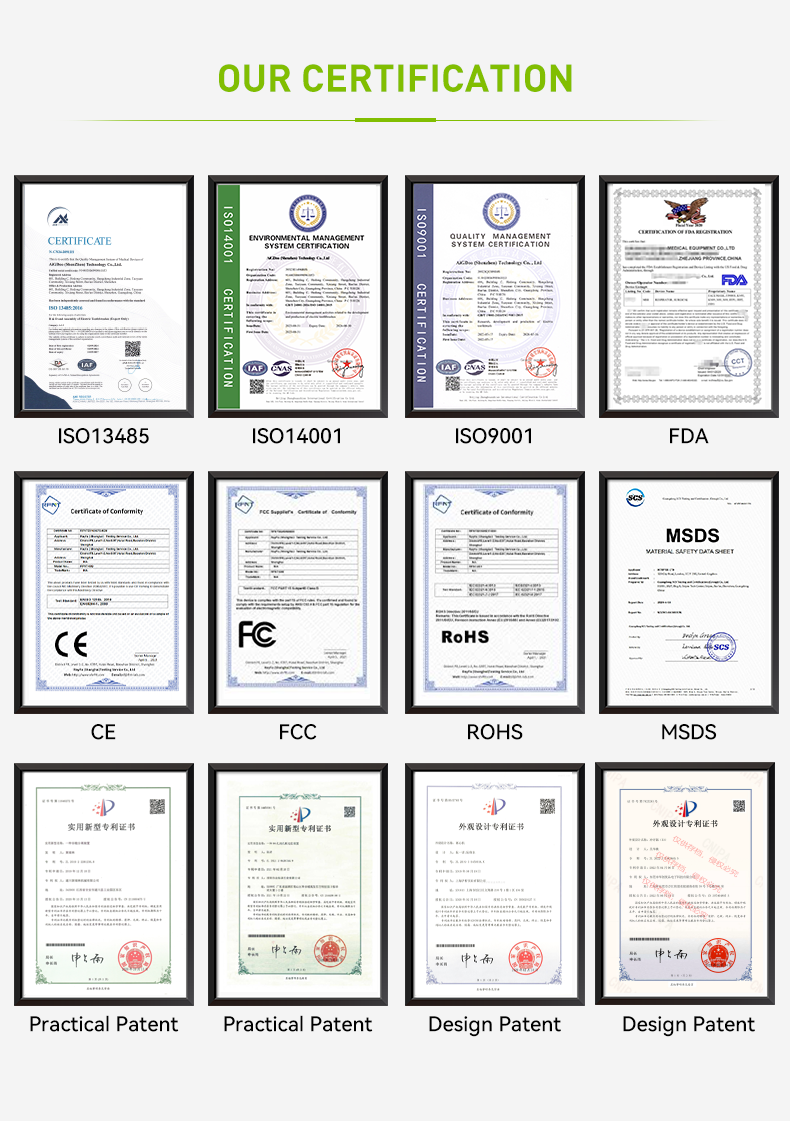
Many oral care devices must meet regulatory and internal quality benchmarks related to safety and performance. Documented Pressure Sensor Calibration after Brush Head Injection Molding helps demonstrate process control, traceability, and compliance during audits and certifications.
Calibrated pressure sensors reduce the risk of premature sensor drift, false alerts, or user dissatisfaction over time. By aligning mechanical output from molded brush heads with electronic sensing systems, manufacturers can extend product lifespan and strengthen brand trust.
While Brush Head Injection Molding defines the form and structure of an oral care component, Pressure Sensor Calibration ensures functional accuracy and user safety. For B2B manufacturers and OEM partners, integrating calibration into post-molding . Contact us
.jpg)
.jpg)
.jpg)
Rechargeable Whitening Device OEM for Global B2B Brands
Why is Precision Nozzle Manufacturing Critical for an Effective Orthodontic Jet Tip?

Developing a Portable Water Flosser? Need a Quiet Flosser Motor?
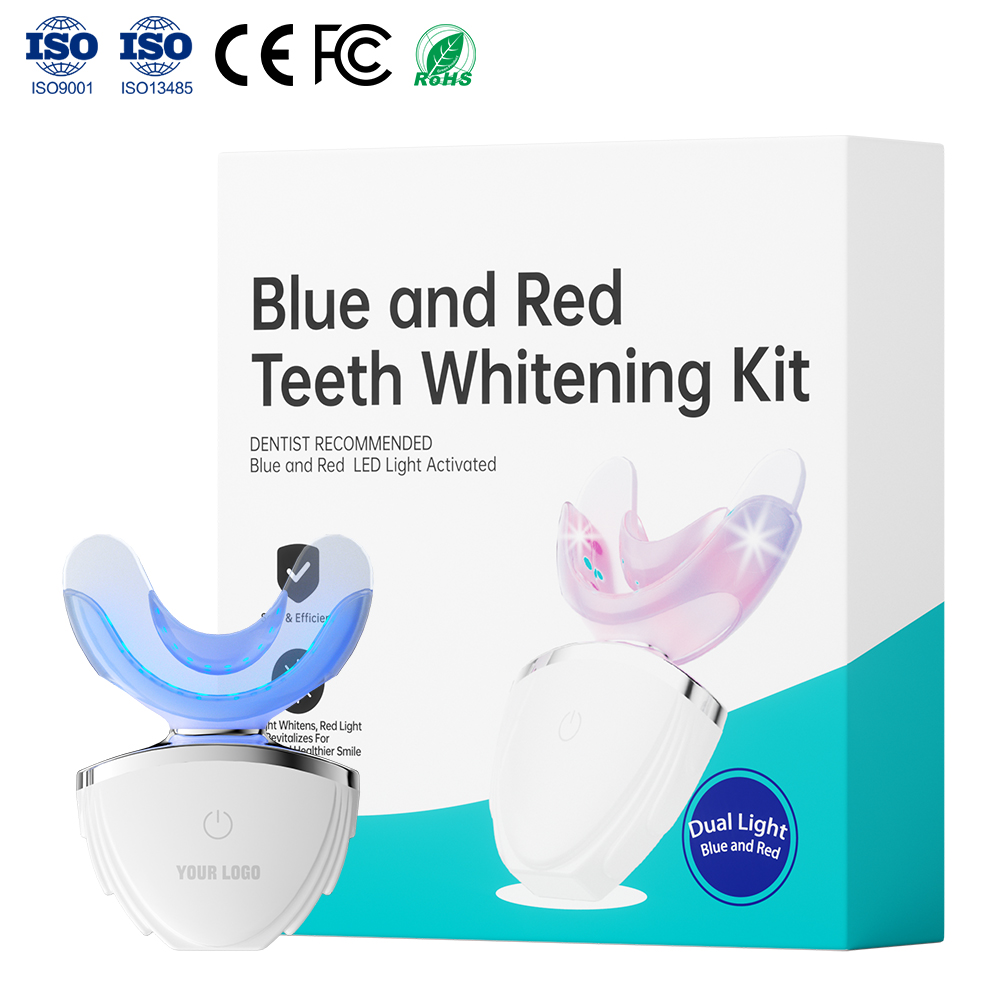
Is Your Whitening Syringe Supplier Qualified for Home Use Whitening System Kits?
.jpg)
Powsmart Electric toothbrush Factory Birmingham Alabama
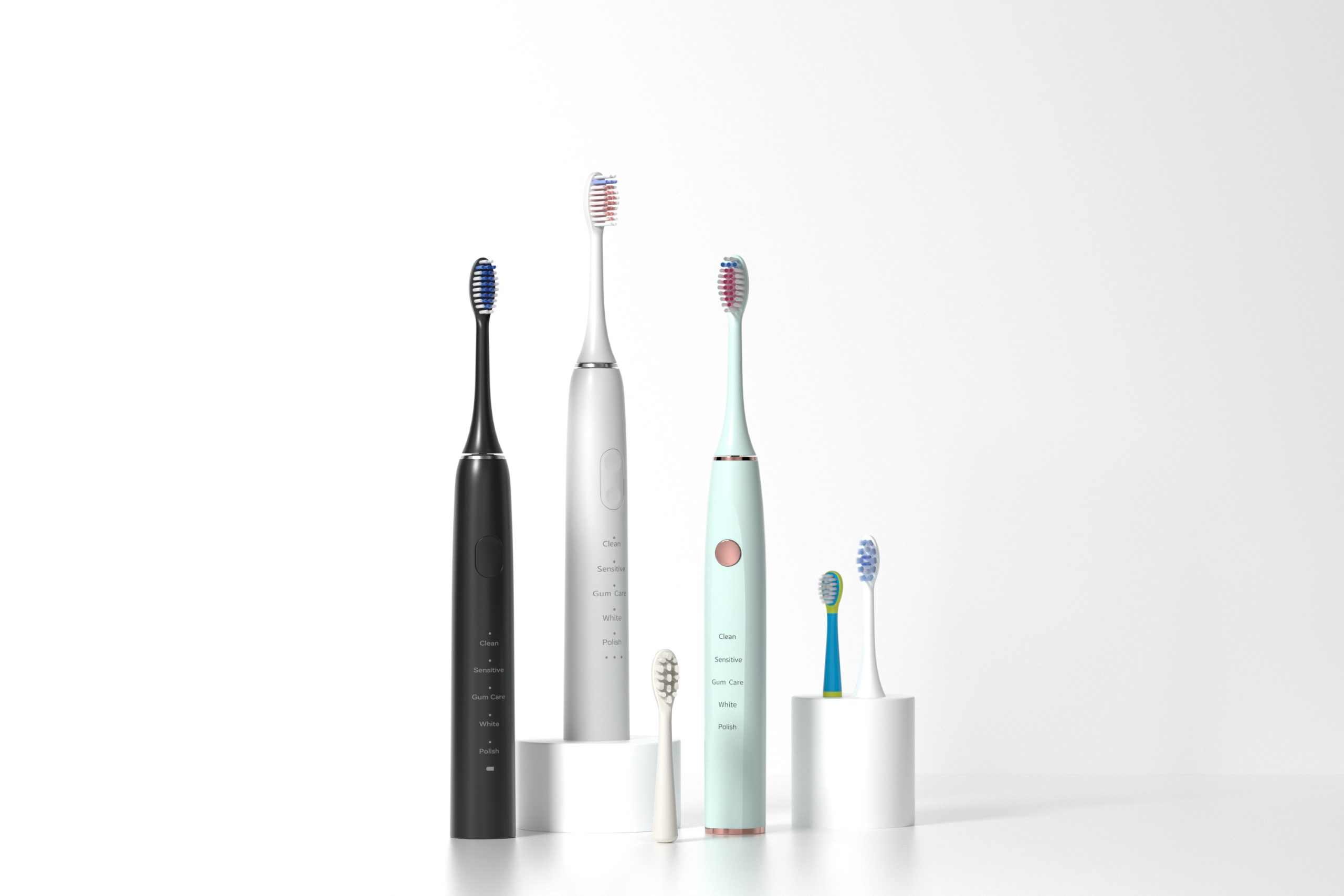
Need Water Flosser OEM Manufacturing for a New Cordless Water Flosser Manufacturing Line?
Smart Toothbrush with Bluetooth Bulk
Smart Toothbrush for Professionals | Tech Lifestyle Care

Does your Sonic Vibration Mechanism require a specialized PCB Assembly Service for stable performance?
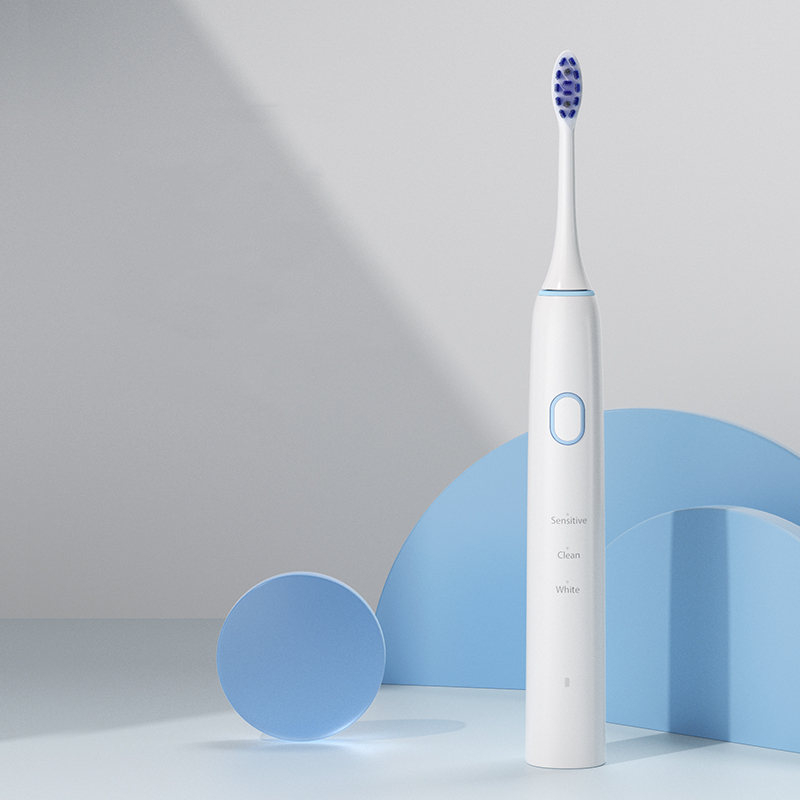
Electric Toothbrush for Students: Budget-Friendly OEM Options

How Does Pulse Water Technology Benefit from a Smart Multi-pressure Setting Chip?How Does Pulse Water Technology Benefit from a Smart Multi-pressure Setting Chip?How Does Pulse Water Technology Benefit from a Smart Multi-pressure Setting Chip?How Does Pulse Water Technology Benefit from a Smart Multi-pressure Setting Chip?How Does Pulse Water Technology Benefit from a Smart Multi-pressure Setting Chip?How Does Pulse Water Technology Benefit from a Smart Multi-pressure Setting Chip?How Does Pulse Water Technology Benefit from a Smart Multi-pressure Setting Chip?How Does Pulse Water Technology Benefit from a Smart Multi-pressure Setting Chip?

Identifying Chinese Electric Toothbrush Manufacturers That Listen and Improve With Your Feedback
Corporate Gift Electric Toothbrush Wholesale | Premium Business Gifts
Best Toothbrush for Doctors | Clinical Oral Care
sonic electric toothbrush Birmingham
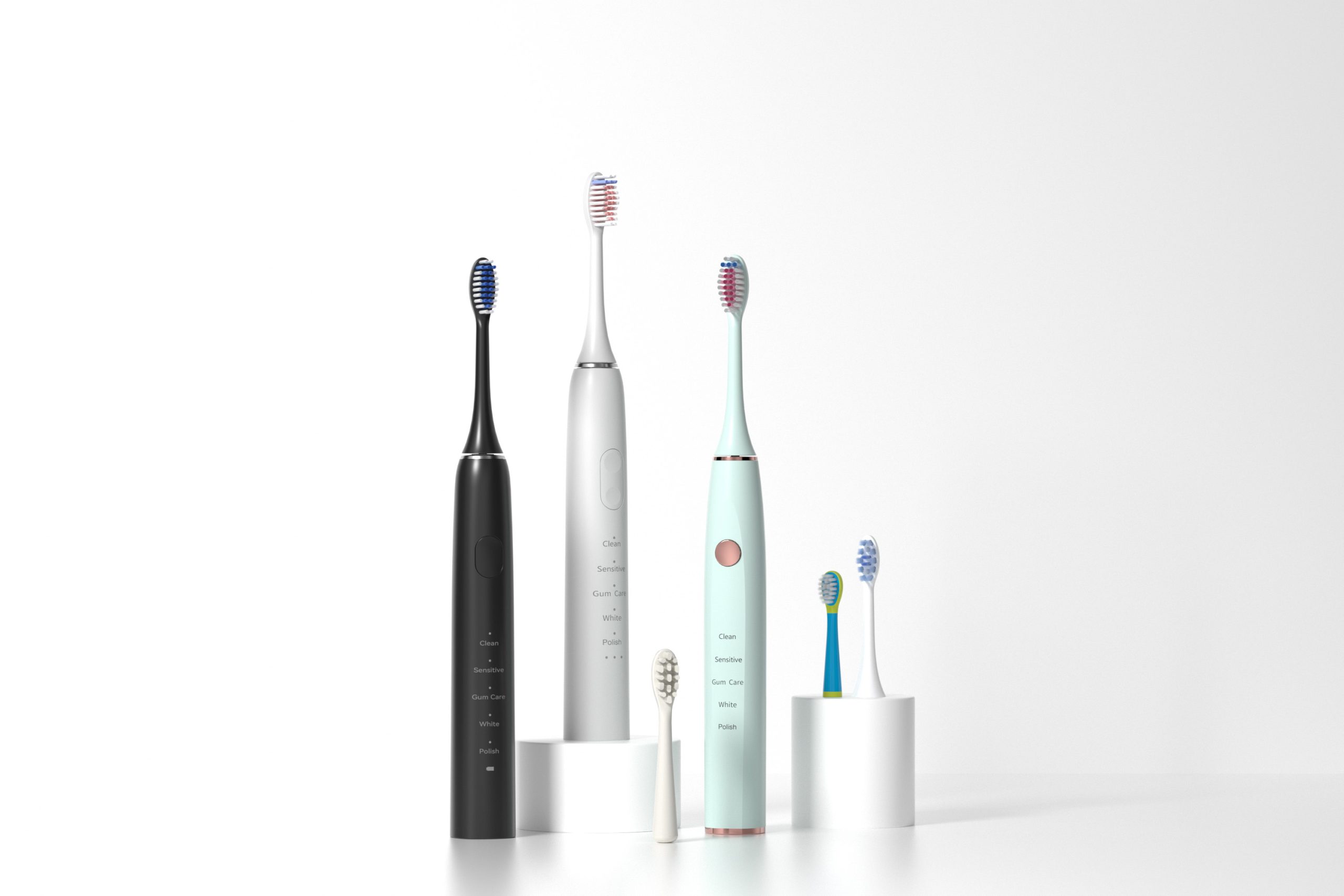
The Growing Potential of the Oral Care Business: Trends, Opportunities & Market Insights


.jpg)
.jpg)
.jpg)
.jpg)
.jpg)