In industrial processes and high-performance equipment, consistent operation is paramount. However, issues like Pressure Fluctuations and Flow Irregularities can severely disrupt system efficiency and product quality. In this article, we explore the key causes behind these problems, their effects on process stability, and provide actionable strategies to fix them — ensuring that your systems run smoothly and reliably.
Reliable process control is crucial in any manufacturing system. Pressure Fluctuations can lead to unpredictable force application in hydraulic or pneumatic systems, while Flow Irregularities disrupt steady fluid movement, affecting process accuracy and product uniformity. These issues may lead to increased wear on components, unexpected downtime, and an overall decline in system performance. Recognizing how these problems impact operations is the first step toward implementing effective corrective measures.
Addressing these issues begins with an in-depth analysis of their causes. Common factors contributing to Pressure Fluctuations include:
Similarly, Flow Irregularities often stem from:
Pinpointing these underlying causes is essential for devising tailored solutions.
Before implementing a fix, accurate diagnosis is key. Utilize advanced monitoring techniques such as:
By employing these diagnostic tools, manufacturers can precisely locate and address points of failure.
Effective resolution of Pressure Fluctuations and Flow Irregularities often requires both design adjustments and process improvements:
These solutions not only mitigate current problems but also create a more resilient system for the future.
In addition to engineering improvements, routine maintenance is essential to prevent recurring issues. Recommended practices include:
Consistent and thorough maintenance can significantly reduce the incidence of pressure and flow problems.
The challenges of Pressure Fluctuations and Flow Irregularities are common but manageable with a forward-thinking approach. Looking ahead:
These strategies not only address present challenges but also help secure a competitive edge in an increasingly demanding market.
Conclusion
Ensuring stable operation in industrial systems requires vigilant monitoring and proactive maintenance, particularly when dealing with Pressure Fluctuations and Flow Irregularities. By understanding the root causes, employing robust diagnostic and engineering practices, and committing to ongoing maintenance and innovation, manufacturers can significantly enhance system reliability and efficiency. If you’re interested in exploring customized solutions or learning more about optimizing your system’s performance, please contact us today to find out how we can help secure your operational success.


Developing a Portable Water Flosser? Need a Quiet Flosser Motor?
.jpg)
Chemotherapy Oral Care Toothbrush Guide | Gentle Brushing for Chemo Patients
.jpg)
Why Partner with a Water Flosser Supplier for a Multi-Function Flosser with Massage Modes?

How to Identify the Waterproof Rating of an Electric Toothbrush?
Brush + Flosser Combo Electric Toothbrush Wholesale
Electric Toothbrush with Anodizing Treatment & Static Protection: Durable, Hygienic, Anti-Static Performance
Interested in Oral Care Kit Bundling under a Private Label Service for Your Brand?
Oral Care Brand Expansion Guide
OEM Strategies to Prevent Water Flosser Mold and Ensure User Health

Safety of Water Flosser on Gingival Health: Clinical Evaluation
.jpg)
What Should Be Noted When Children Use Water Flosser?
.jpg)
Can a Toothbrush Provider Supply Toothbrush for Children with Characters?
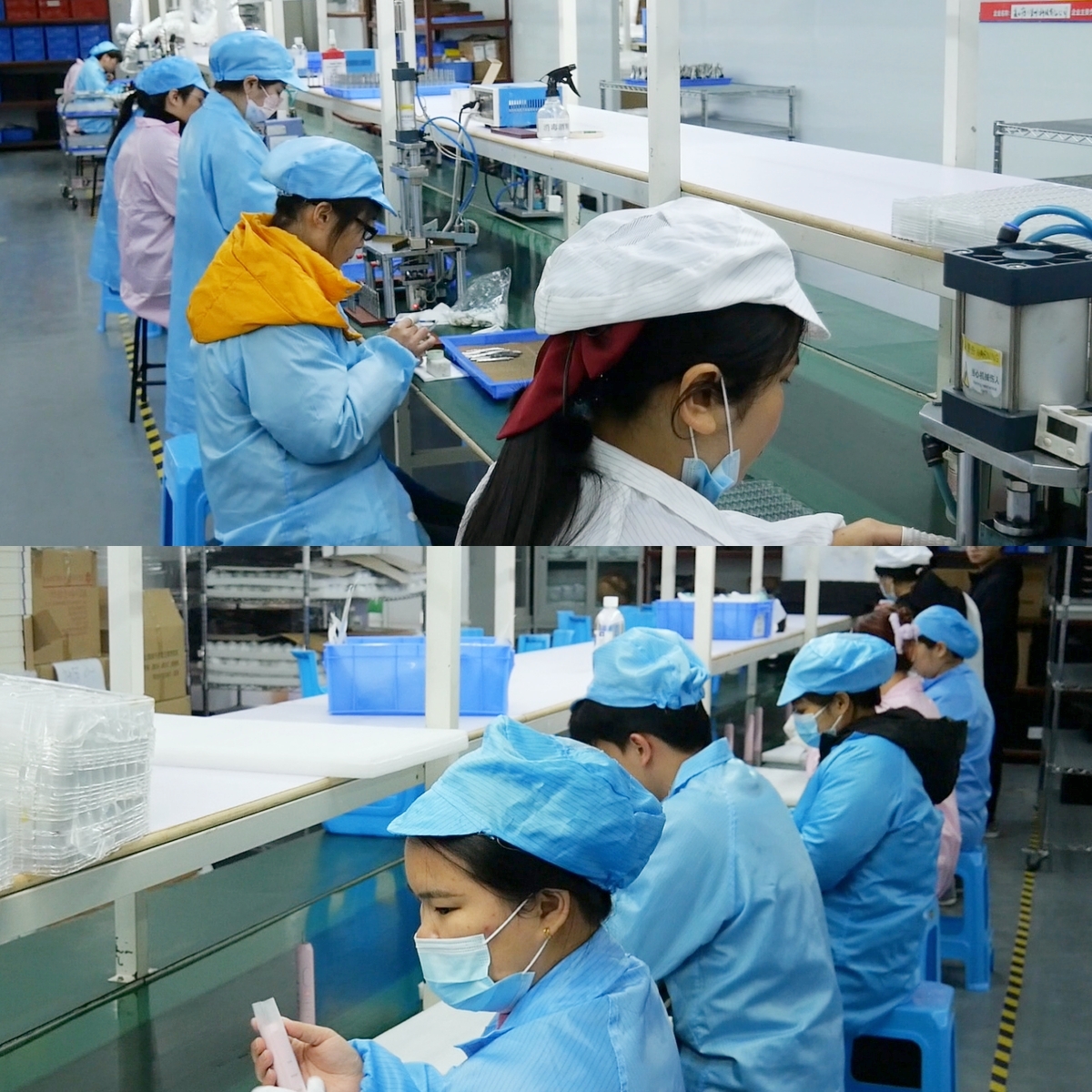
Reveal the Big Brand OEM: The Manufacturing Insider of an International Brand Electric Toothbrush

Pros and Cons of Portable and Home Water Flosser

Who Shouldn’t Use an Electric Toothbrush? Professional Advice from Manufacturers
Powerful Sonic Toothbrush Cleaning Technology


.jpg)
.jpg)
.jpg)
.jpg)
.jpg)






.jpg)
.jpg)