
In the competitive market of oral care devices, maintaining consistent performance and product integrity is crucial. Recently, several clients have reported issues with their oral irrigators that are leading to product returns. Two primary concerns—Pressure drop and Tank mold—have emerged as critical factors affecting user satisfaction and operational efficiency. This article explores six essential areas to help manufacturers diagnose, prevent, and resolve these challenges.
The oral irrigator is designed to deliver a powerful yet gentle cleaning experience, ensuring optimal oral hygiene. However, when users experience a Pressure drop during operation, it compromises the effectiveness of the device. Simultaneously, the appearance of Tank mold not only affects the device’s aesthetics but also raises significant hygiene and durability concerns. Recognizing how these issues influence overall performance is the first step toward effective troubleshooting.
A significant drop in water pressure during operation can be traced to various factors. For instance, design flaws in the fluid pathway, blockages within the internal tubing, or wear and tear of critical components may lead to a Pressure drop. Furthermore, inconsistent manufacturing processes or substandard parts can exacerbate this issue. By identifying the root causes—such as calibration errors or inadequate material selection—manufacturers can develop targeted solutions to ensure optimal pressure levels are maintained throughout the device’s lifespan.
Tank mold is another pressing issue that affects both the functionality and safety of oral irrigators.Moisture exposure in humid environments or infrequent end-user cleaning causes mold to grow in storage tanks over time. This not only degrades the material quality of the tank but also poses a risk to user health. Manufacturers must focus on designing tanks with anti-microbial properties and consider coatings or materials that resist mold formation, thereby ensuring the product remains hygienic and reliable over its service life.
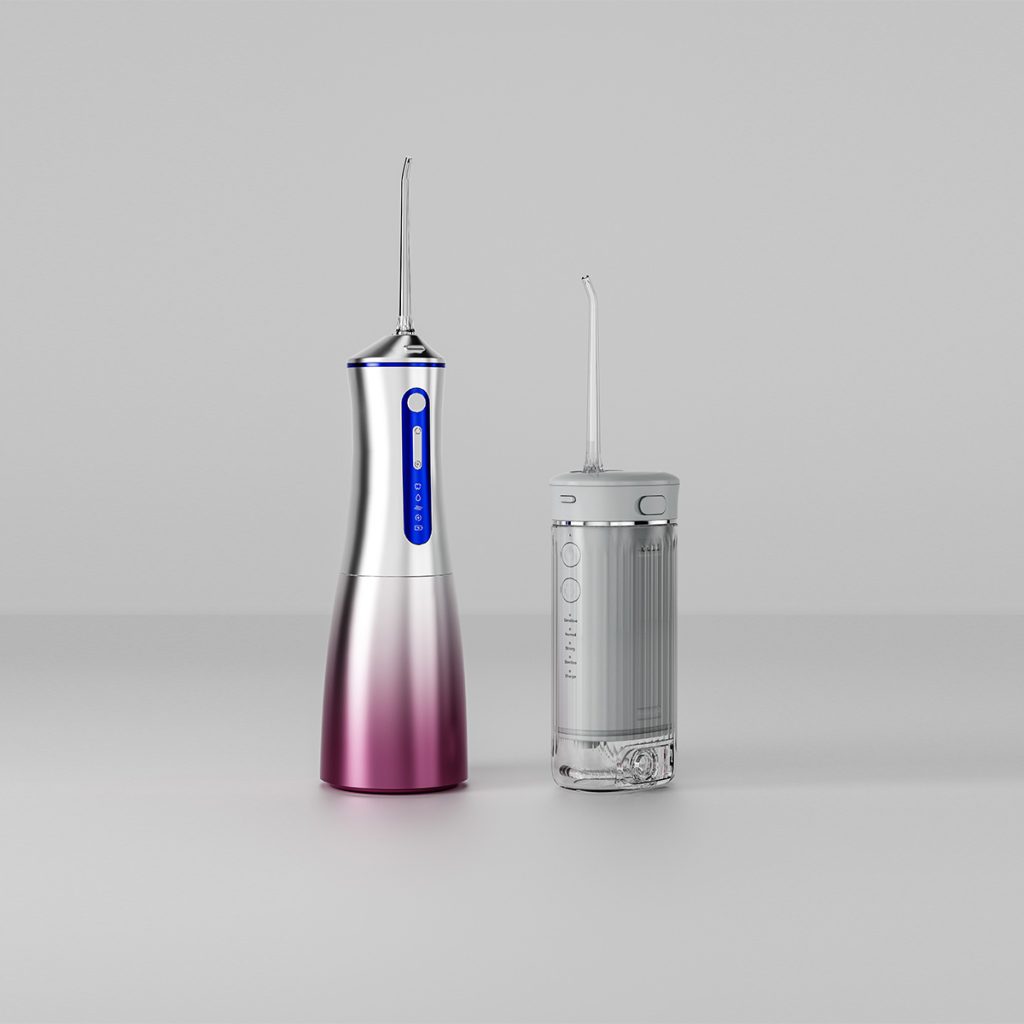
To mitigate issues related to Pressure drop and Tank mold, rigorous quality control measures are essential. Implementing advanced diagnostics during the production phase—such as pressure testing under various operating conditions—can help detect potential weak points early. Additionally, regular audits and real-time monitoring of the production process promptly address any deviations from design specifications. By establishing comprehensive testing protocols, manufacturers can reduce the risk of returns and enhance overall product reliability.
Innovative engineering solutions offer promising avenues to overcome these challenges. For instance, redesigning the fluid circuitry to minimize obstructions and using high-quality, corrosion-resistant materials can help prevent Pressure drop. Similarly, integrating anti-fungal additives or specialized coatings within the tank design can effectively combat Tank mold. These innovations not only improve product performance but also contribute to enhanced user satisfaction and reduced warranty claims, thereby strengthening the brand’s reputation in a competitive market.
Looking ahead, the continuous evolution of oral care technologies demands proactive adaptation from manufacturers. Investing in research and development to explore new materials, smart sensors for real-time performance monitoring, and predictive maintenance algorithms can further reduce occurrences of Pressure drop and Tank mold. Moreover, by fostering close collaborations with material scientists and design engineers, companies can pioneer advanced solutions that set new industry standards. Embracing these future strategies will enable manufacturers to stay ahead of market trends while ensuring that their products consistently meet the highest quality benchmarks.
In conclusion, addressing the challenges of Pressure drop and Tank mold in oral irrigators is essential for maintaining product performance and customer satisfaction. By understanding the underlying causes, enhancing quality control processes, and embracing innovative solutions, manufacturers can significantly reduce product returns and reinforce their competitive edge in the oral care market. Continuous improvement and forward-thinking strategies will ensure that these devices not only meet but exceed user expectations, paving the way for long-term success in an increasingly demanding industry.https://www.powsmart.com/about-powsmart/
How to Deal with the Electric Toothbrush That Automatically Starts Up?
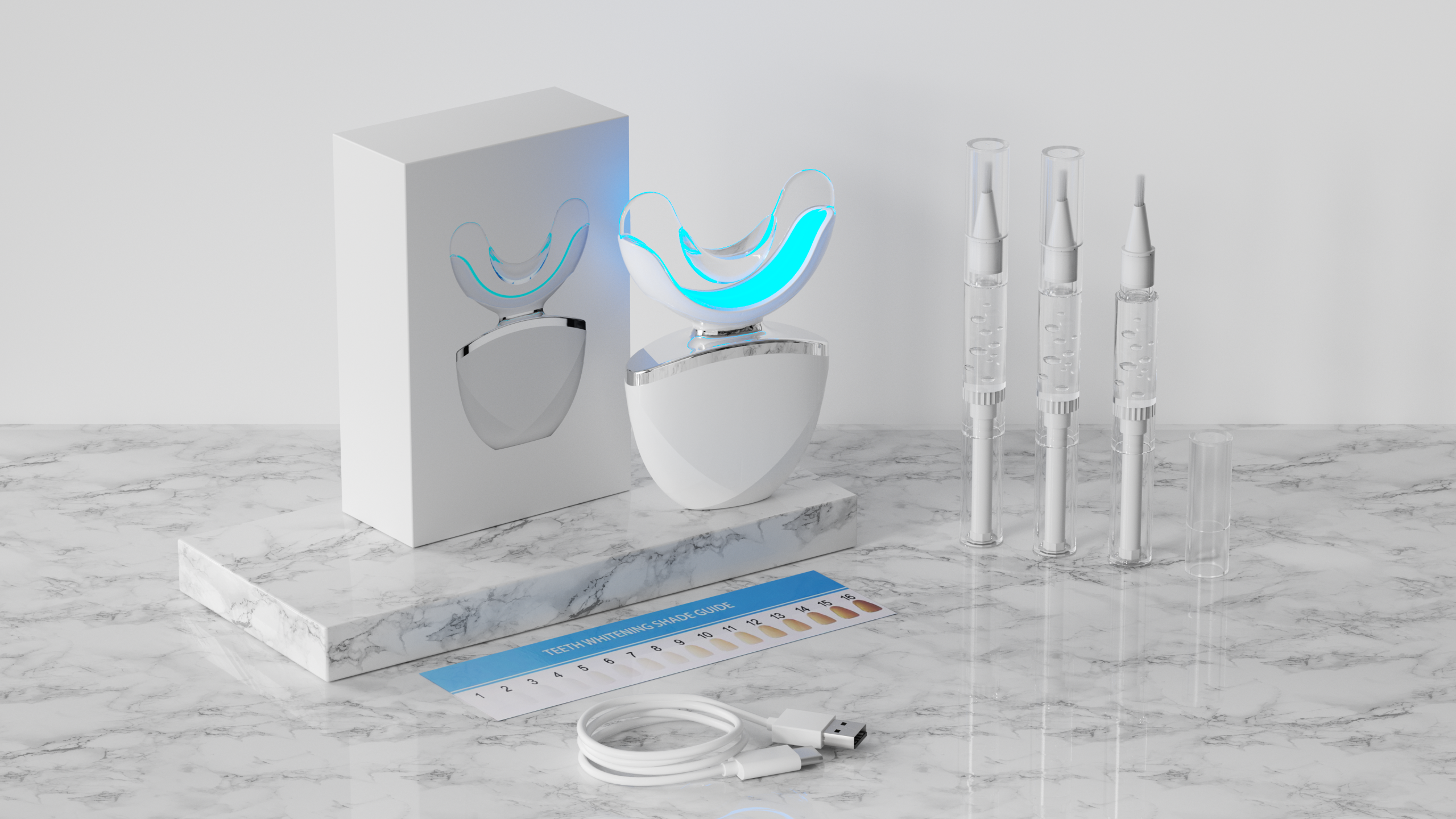
The Market Potential of Teeth Whitening: The Consumer Psychology Behind Annual Growth of Home Teeth Whitening Devices
.jpg)
Sonic Toothbrush Frequency Control OEM Manufacturing Solutions
ABS Nozzle Smart Molding & Cycle Optimization | Manufacturing Efficiency
Can an Electric Toothbrush Designer Drive Smart Toothbrush Innovation with AI Features?
How Does Custom Handle Design Benefit from Full-scale OEM/ODM Manufacturing Capabilities?
Analysis of the Core Competitiveness of Electric Toothbrushes: How to Win the Market Through Technological Innovation?
Dental recommended Texas models for Texas senior toothbrush needs?
How Can an Electrochemical pH Sensor in a Toothbrush Contribute to Real-World Evidence Generation?
How Does a Take-Back Logistics Network Feed a Remanufacturing Certification Program?

LED Light in Oral Care: Safety Insights for OEM Product Development
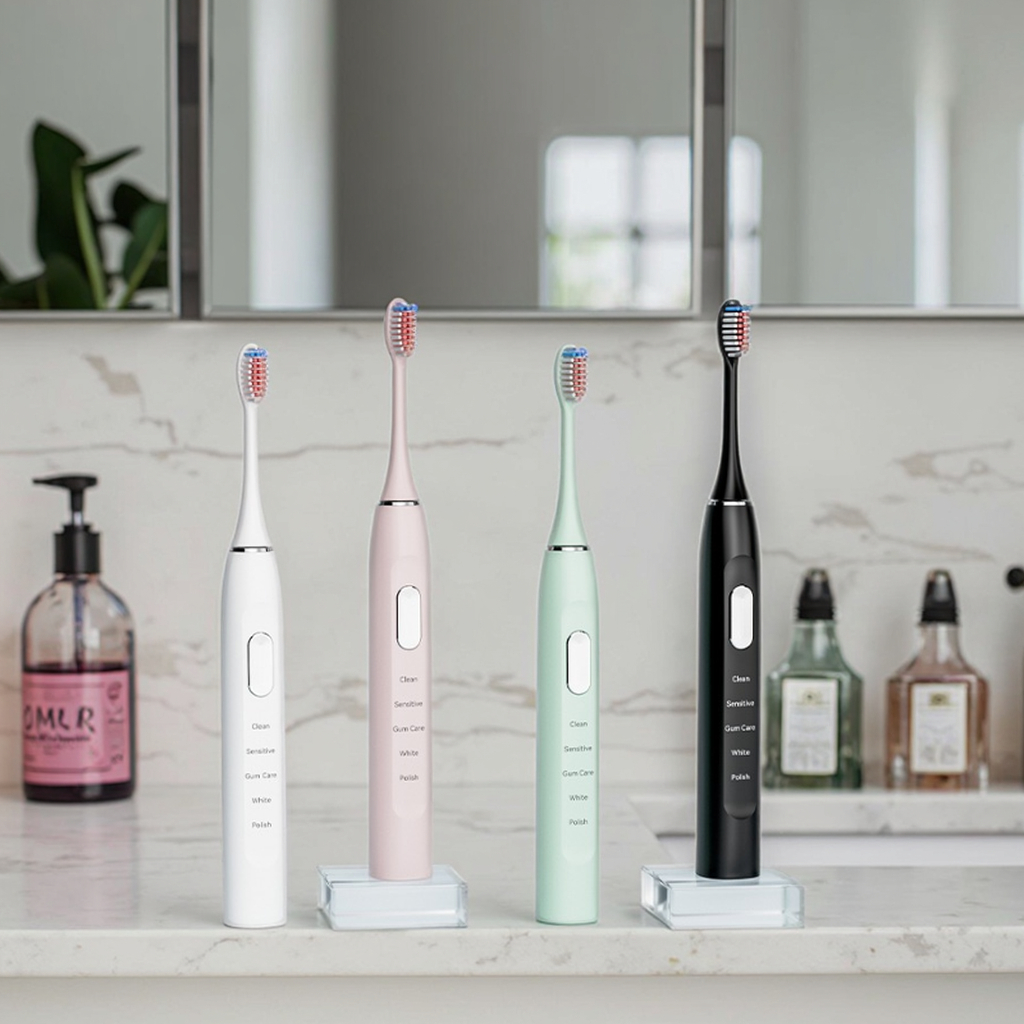
Brushing 3 Times a Day? How Brands & OEMs Can Educate for Better Oral Health
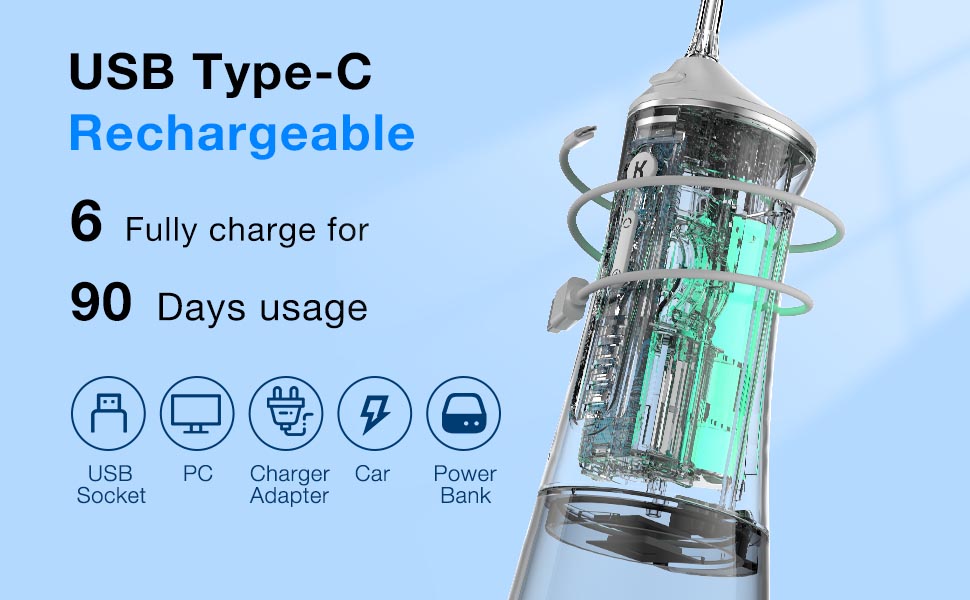
Concerned About High Toothbrush Minimum Order Quantity?
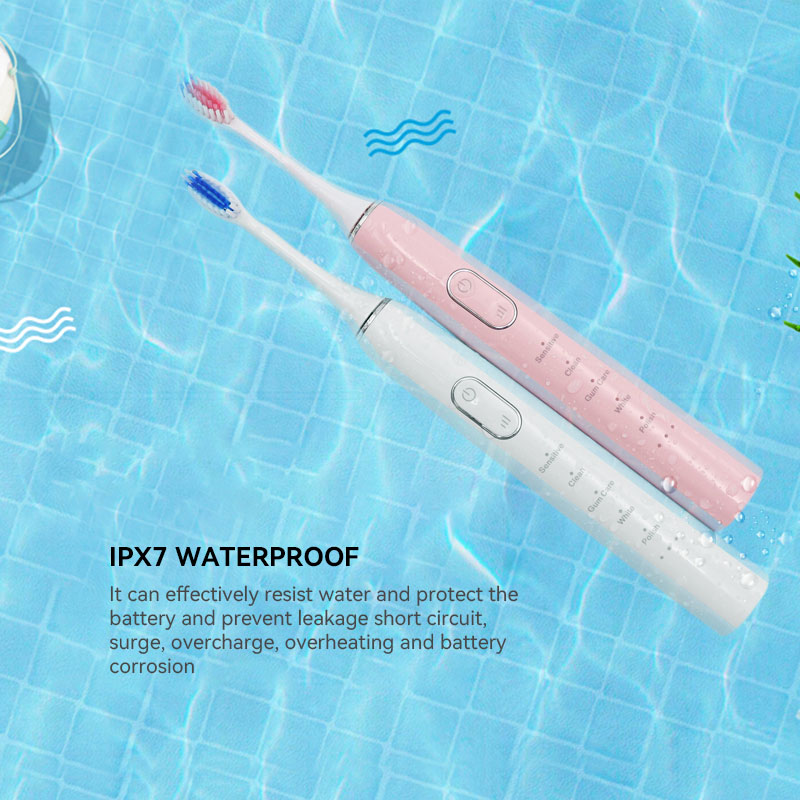
Where to buy NYC eco toothbrush? Brooklyn toothbrush store locations!

Can Technician AR Glasses Support Access a Live Knowledge Base for Technicians?
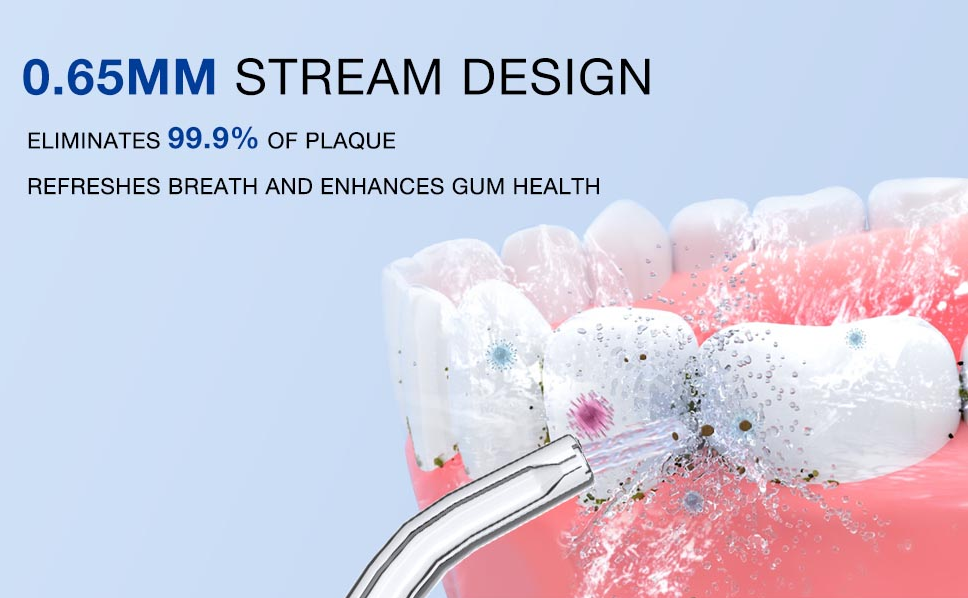
1200 vs 1800 water flosser pulse/Minute: Which Water Flosser Pressure Setting Works Best for Plaque Removal Without Gum Irritation?


.jpg)
.jpg)
.jpg)
.jpg)
.jpg)








.jpg)