In the sensitive recovery phase following dental surgery, the choice of hygiene tools becomes critical. One product that has gained increasing attention is the Post-Surgery Oral Care Brush—a device designed specifically for gentle gum handling. However, an ongoing debate questions whether even these soft-bristled brushes might unintentionally contribute to gum recession, especially with prolonged or incorrect use. For OEMs, ODMs, and private-label buyers, understanding the risks and design safeguards is essential.
After procedures such as scaling, flap surgery, or implant placement, the gingival tissue is especially vulnerable to external trauma. During this stage, even slight overpressure or friction can impact healing. While Post-Surgery Oral Care Brushes are marketed for their softness, the material quality and bristle density vary significantly across manufacturers, affecting real-world safety performance.
Gum recession can result from:
If a brush lacks sufficient softness or ergonomic design, it can cause repetitive micro-trauma to the gingival margin, slowing tissue regeneration and triggering recession over time. For B2B buyers, these factors should be part of QA and procurement checklists.
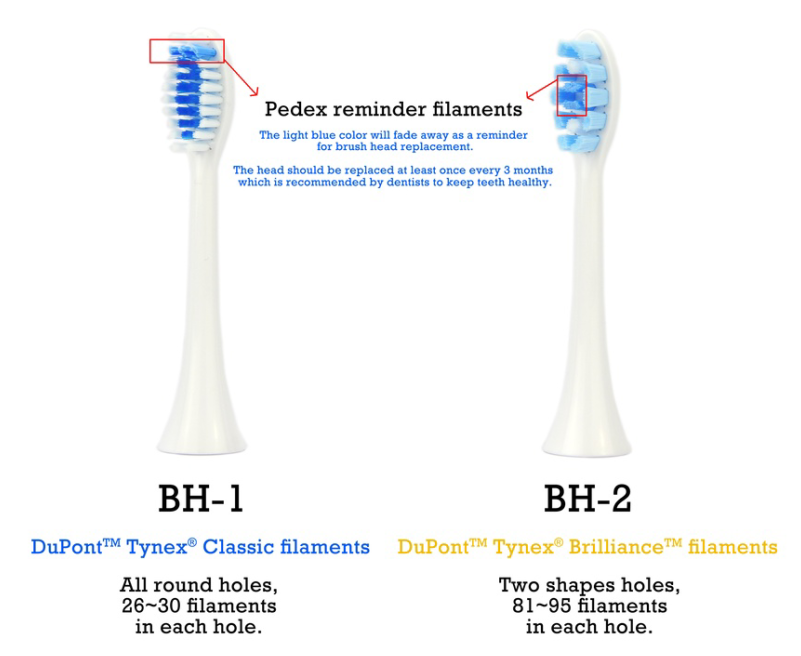
A truly gum-safe Post-Surgery Oral Care Brush depends on:
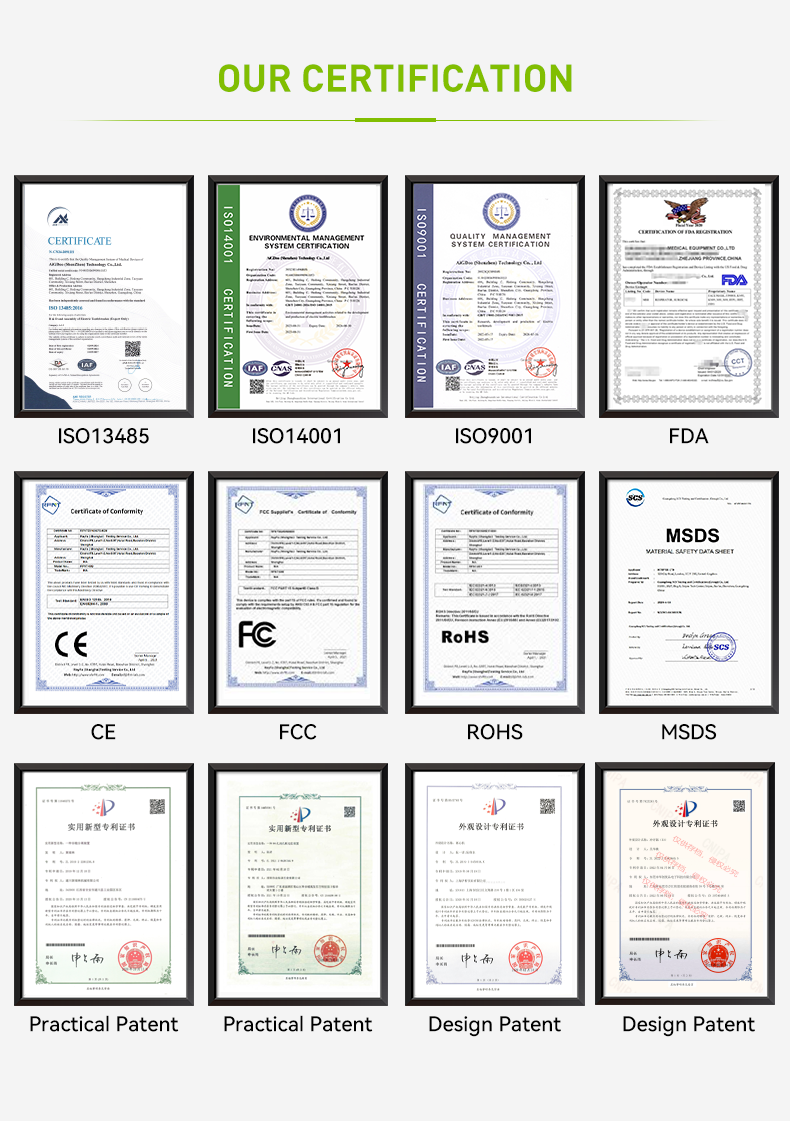
Manufacturers offering medical-grade filament validation and controlled tip uniformity can better ensure safety for post-surgical users. Company web: https://www.powsmart.com/product/electric-toothbrush/
Beyond the bristles, the handle’s ergonomics influence how much pressure users apply. Brushes with a flexible neck and anti-slip grip allow for better control—key features to prevent unintentional force that contributes to gum recession. For post-op patients with dexterity issues, intuitive handle design is not a luxury, but a necessity.
B2B partners and brands should demand:
The lack of proper usage guidelines can shift blame to end-users when, in fact, the product was misaligned for its intended clinical scenario.
To combat gum recession, leading OEMs are now integrating:
These advanced solutions help brands differentiate while aligning safety with usability—key pillars of successful oral care product design.
While Post-Surgery Oral Care Brushes are designed for healing support, poorly engineered versions may indeed contribute to gum recession under specific conditions. For private-label brands and medical suppliers, working with an experienced and compliance-driven OEM is critical to ensure both clinical safety and consumer confidence. Contact us
-300x300.jpg)
.webp)
The Advantages of the Brush Head Subscription Service for Oral Care Brand Growth
.jpg)
How Do Handle Cracking and Connector Corrosion Affect Device Lifespan?
Why Post-Whitening Diets Need Gum Inflammation Cautions?
What makes Portable Flosser Design dependent on integrating a Quiet Flosser Motor?
Why Does Poor Cleaning Leave Fiber Residue?

Powsmart: Leading Smart Electric Toothbrush Manufacturer & Supplier
Does Long-Lasting Travel Toothbrush Trigger Power Surge?
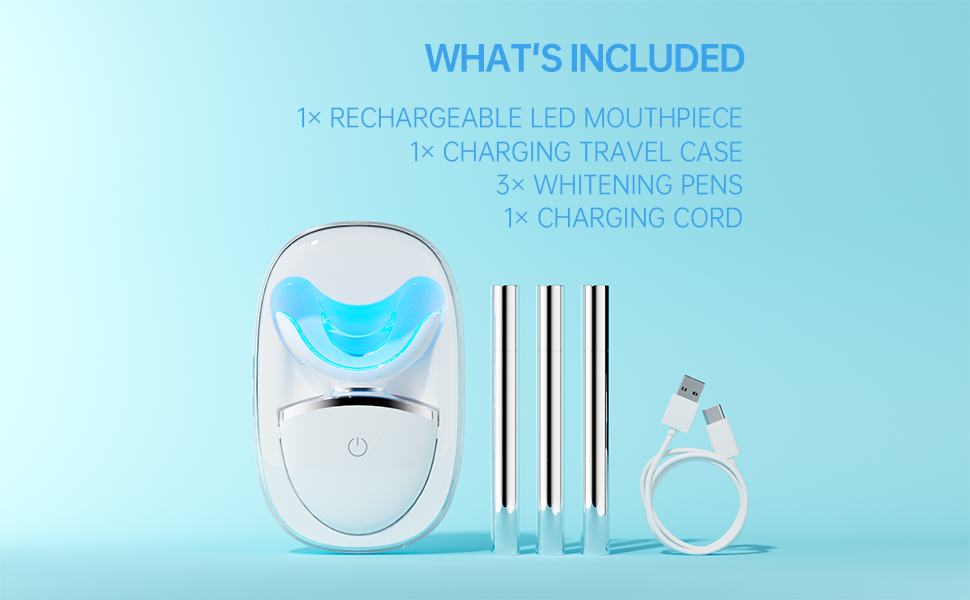
Teeth Whitening Kit Private Label Solutions for B2B Brands
.jpg)
Gentle Gum Care Electric Toothbrush Production for Sensitive Teeth

Application of Phototherapy Technology in Teeth Whitening and Oral Care
.jpg)
How to Choose a Professional ultraviolet sterilized water flosser Manufacturer?
How Does Cold Light Wavelength Affect Bleach Decomposition?
.jpg)
Research on Consumers’ Preferences for the Functions and Prices of Electric Toothbrushes – From the Perspective of Suppliers
Do Bluetooth Disconnect and Stream Splitting Affect Device Precision Together?
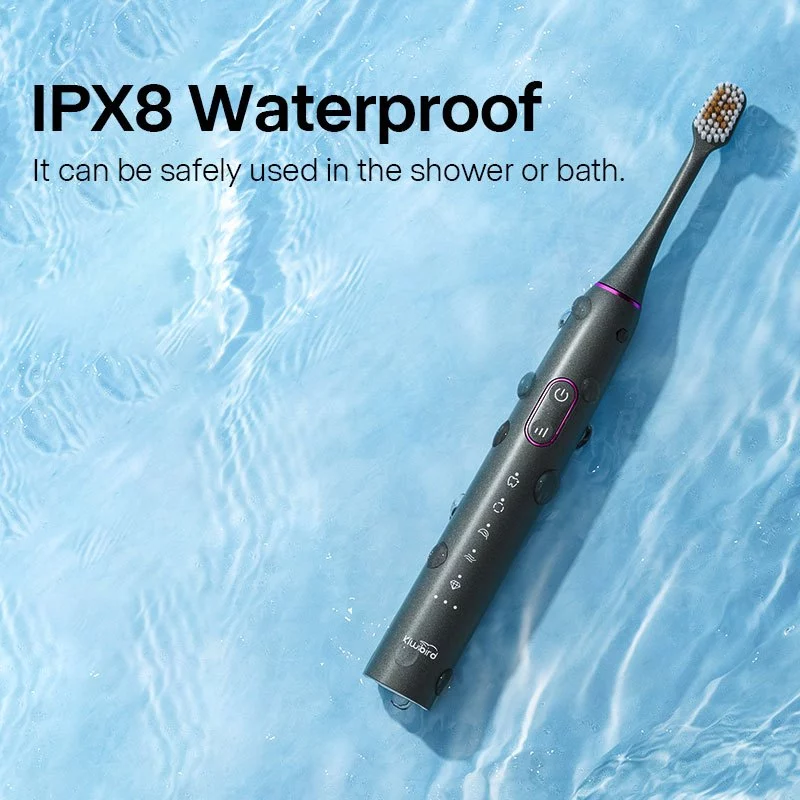
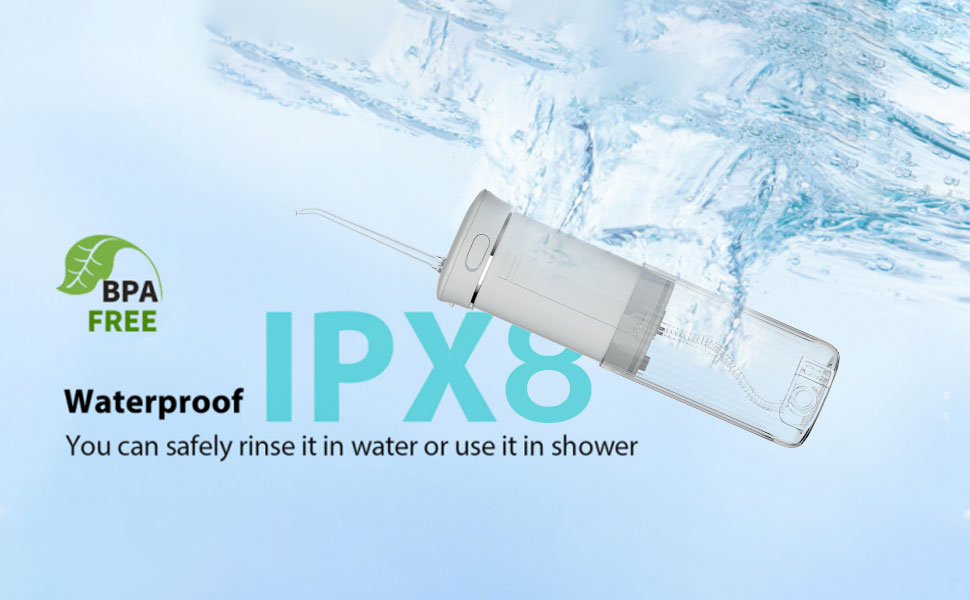
IPX7 Waterproof Electric Toothbrush Customization for Global Markets
Why Is Enamel Vulnerability Linked to Staining Residuals?


.jpg)
.jpg)
.jpg)
.jpg)
.jpg)



.jpg)