
As advanced whitening platforms increasingly rely on high-intensity light sources to activate Photo-accelerated Oxidation, integrating a reliable Plume Evacuation System becomes essential for ensuring user safety and clinical efficiency. During whitening sessions, heat, volatile compounds, and micro-aerosols may form around the treatment zone, making engineered plume control a critical element for next-generation OEM whitening devices.
Photo-accelerated Oxidation relies on targeted wavelengths to accelerate peroxide-based reactions. This rapid oxidative process can generate microscale vapor, aerosolized gel fragments, and reactive byproducts. Without a proper Plume Evacuation System, these particulates remain in the operator’s breathing zone, posing potential discomfort or exposure risk.
A dedicated Plume Evacuation System captures airborne particles at the source, reducing inhalation exposure for dentists, hygienists, and patients. For OEM developers, designing suction inlets with optimized airflow velocity and capture efficiency ensures the system balances noise, comfort, and safety in professional whitening environments.
Airborne vapor buildup can affect light transmission or interfere with gel uniformity. By removing suspended particulates, the evacuation system maintains a clear optical pathway, preventing scattering or intensity loss during Photo-accelerated Oxidation. This supports consistent whitening outcomes and avoids process interruptions.
To function effectively inside compact whitening devices, the Plume Evacuation System must incorporate low-profile ducting, medical-grade filters, and adaptive airflow zones. Component selection—such as brushless miniaturized blowers and HEPA-equivalent filter media—ensures long-term reliability under high-temperature, high-radiance operating conditions.
International safety standards increasingly emphasize aerosol control and workplace air quality. Equipping Photo-accelerated Oxidation devices with plume management features helps OEMs and ODMs comply with hygiene guidelines, supporting smoother certification processes and higher acceptance among professional buyers.
In a competitive whitening device market, safety-driven engineering provides major differentiation. Manufacturers that integrate responsive plume capture, surface decontamination pathways, and replaceable filtration modules showcase a commitment to professional-grade performance—raising product value and clinic trust.
A well-designed Plume Evacuation System not only supports safer working environments but also enhances the functional stability. For B2B partners, combining optical engineering with aerosol-control innovation ensures. Contact us
How to Ensure Teeth Whitening Products Deliver Results Without Sensitivity
Tips for Preventing Mold in Water Flosser Tanks
.jpg)
Water Dispersion plus Jet Scattering – Fixable?
Whitening Strips vs. Gel Kits: Which Delivers Better Results?
Sonic Toothbrush Frequency Hertz Guide: Decode Vibration Numbers
Electric Toothbrush MOQ Strategies for OEM and ODM Manufacturing
Five benefits of using a Wave electric toothbrush
Eco-Friendly Electric Toothbrush OEM Solutions for Global Oral Care Brands
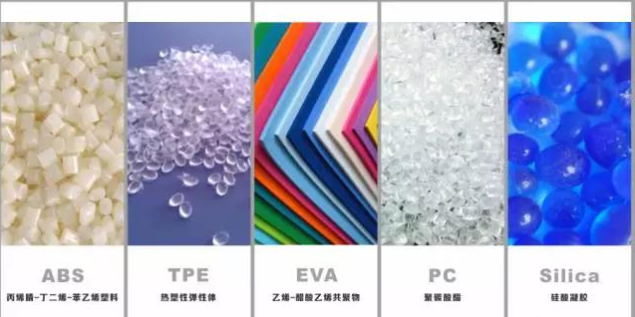
Oral Care Products CPSR Material List: Ensuring Safety and Compliance
Induction Charging Toothbrush Manufacturer for OEM & Private Label Brands
.jpg)
Gentle Sonic Vibrations Electric Toothbrush for Sensitive Teeth
Light Therapy Electric Toothbrush ODM Development
Are Child safety Electric Toothbrushes Made from Materials?
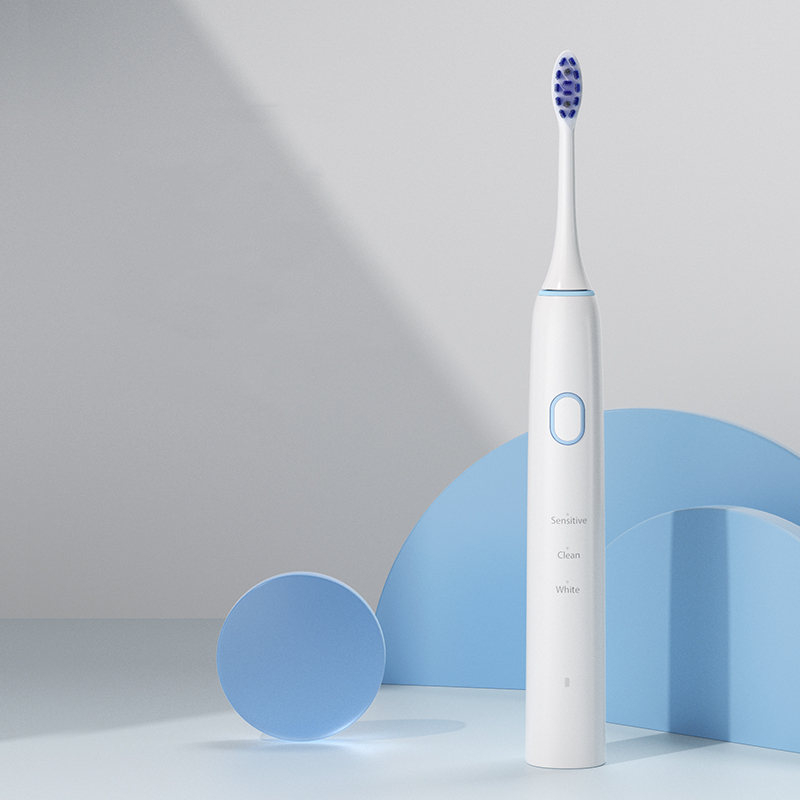
College Student-Friendly Electric Toothbrush Features – Budget OEM Designs

Why Are Safe Whitening Ingredients Paramount in a Wearable Whitening Strip?
Enamel Scratching from Tooth Porosity – Irreversible?


.jpg)
.jpg)
.jpg)
.jpg)
.jpg)






.jpg)
.jpg)
.jpg)