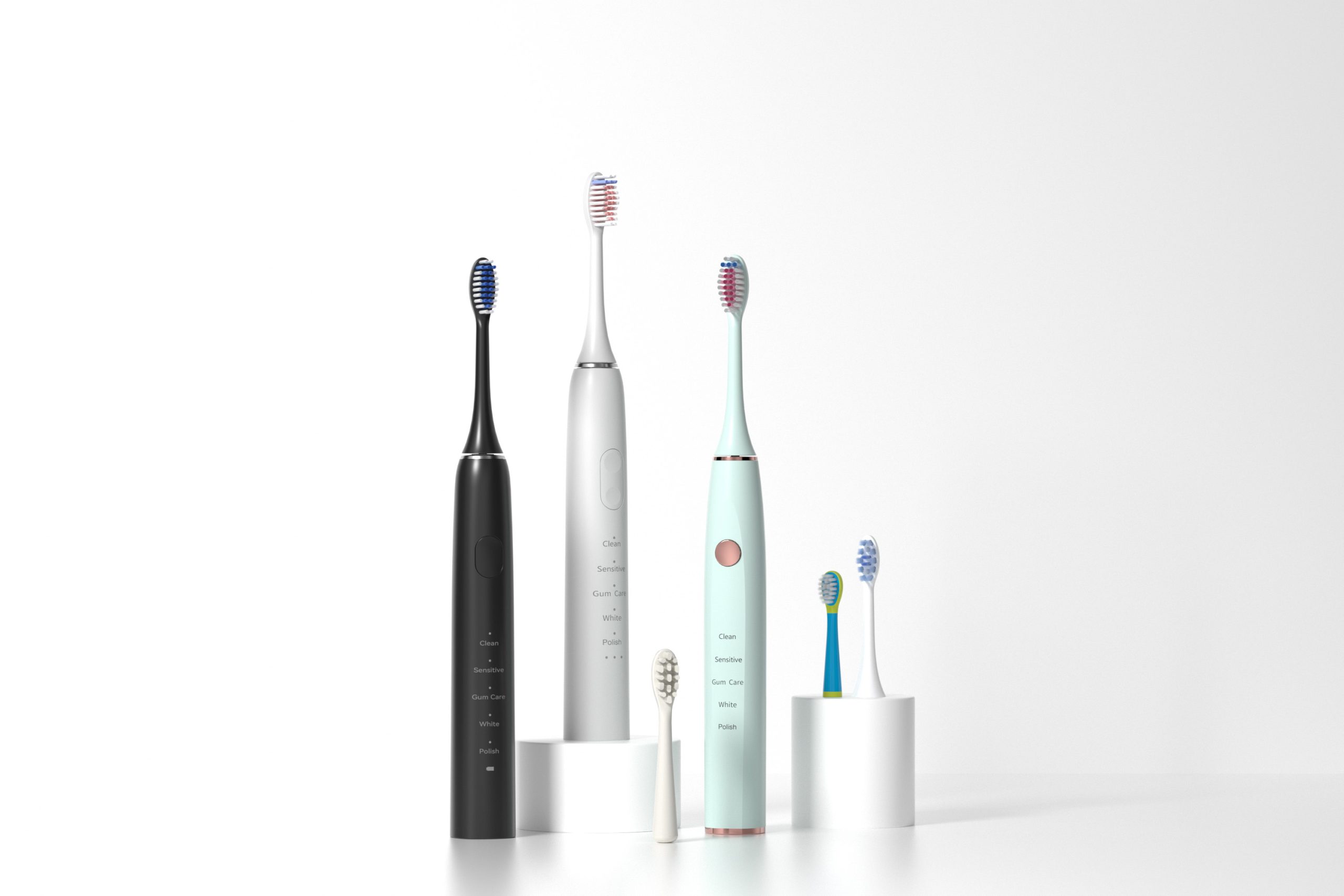
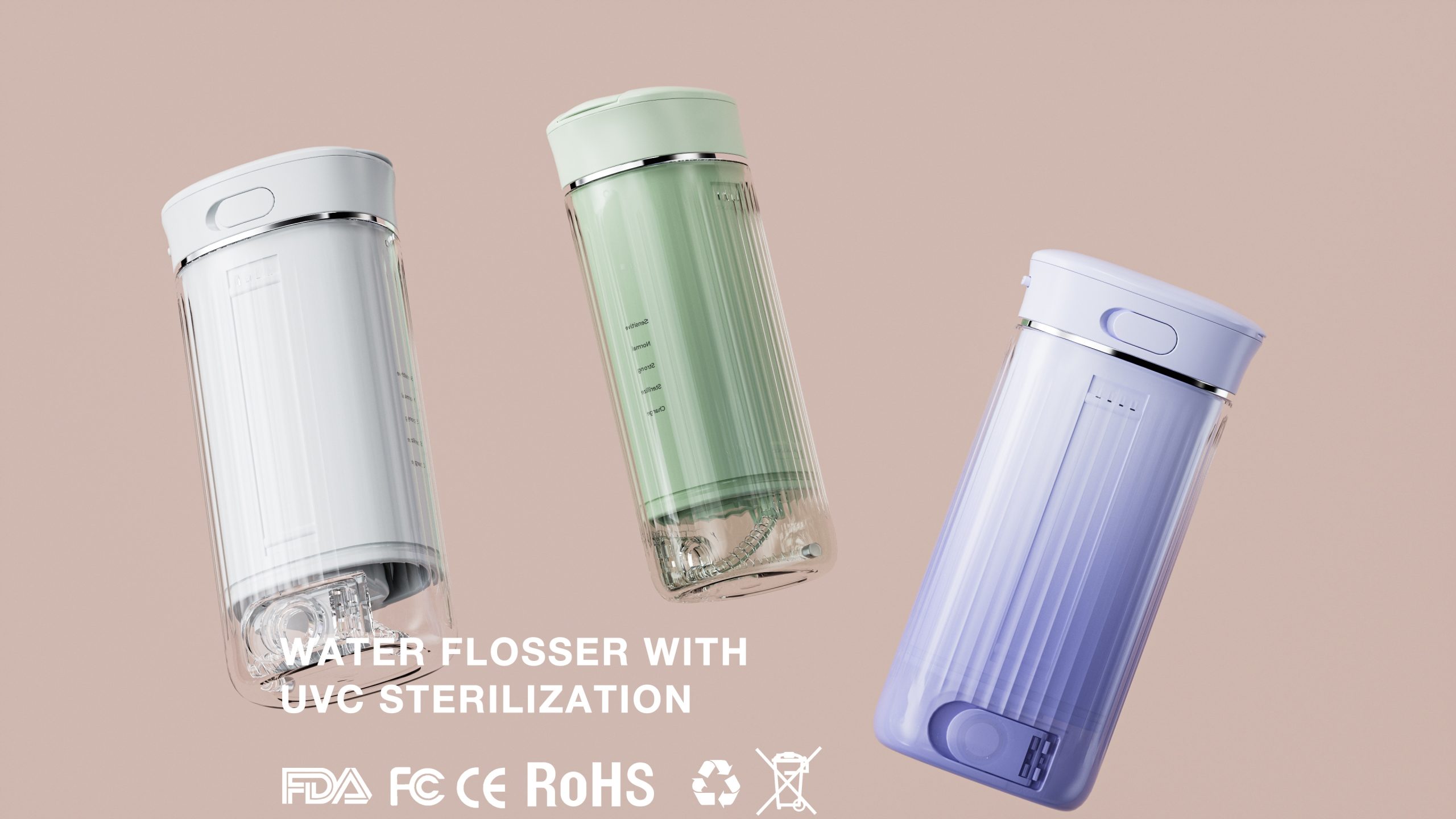
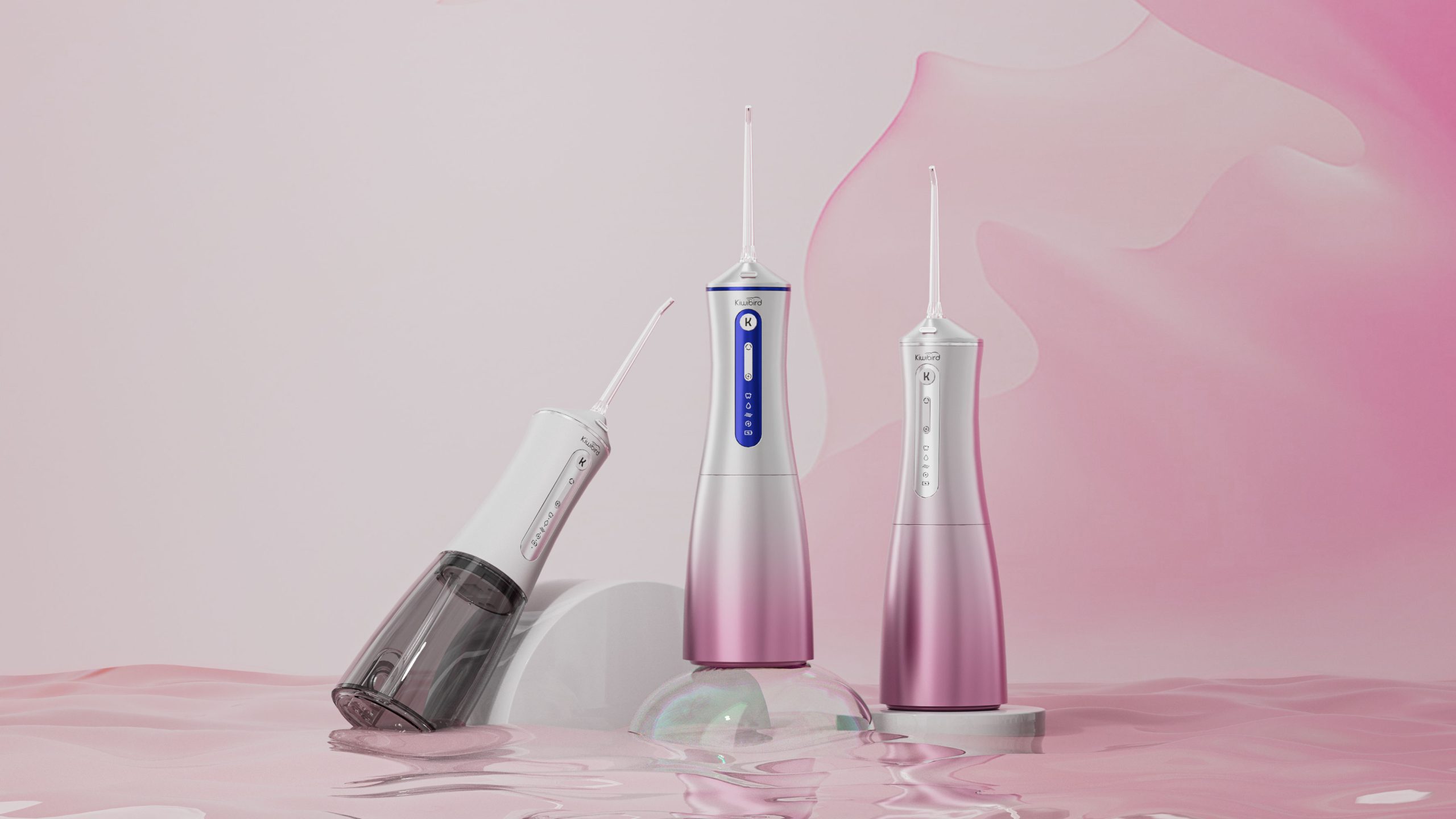
In the competitive oral care industry, brands are expected to deliver products that are both visually appealing and regulatory compliant. While customers demand sleek, modern designs, regulatory bodies enforce strict standards related to safety, materials, and environmental impact. Successfully balancing compliance and good appearance development is now a critical factor for manufacturers. This blog explores how brands can navigate these dual priorities, ensuring both marketability and global acceptance.
Compliance is the foundation of any oral care product’s viability. Two essential standards include:
FDA Certification (U.S. Market)
Ensures the product meets safety and hygiene standards for oral use
Applies to materials, electronic components, and manufacturing environments
REACH Compliance (EU Market)
Regulates the use of chemicals and substances in product materials
Requires full traceability and safety documentation
Meeting FDA certification and REACH compliance builds trust with distributors, retailers, and end-users. It also helps avoid costly recalls, legal risks, and market access barriers.
Choosing materials that meet regulatory standards and design needs is key. For example:
BPA-free plastics: Ensure safety while maintaining a high-gloss finish
Medical-grade silicone: Offers flexibility and color customization
ABS and PP blends: Balance durability with moldability and smooth surfaces
These materials not only meet FDA and REACH standards but also allow for versatile surface treatments, enabling high-value design without compromising compliance.
Developing a high-value design doesn’t mean ignoring compliance—rather, both can be achieved in parallel with the right product development strategy:
Industrial design collaboration: Aligns form, color, and texture with safety requirements
Ergonomic shaping: Enhances usability and consumer perception
Surface finishing techniques: Such as UV coating or matte textures that maintain product integrity
A strong design approach that integrates both engineering and aesthetics is key to delivering a product that is compliant and visually compelling.
After design and manufacturing, thorough quality control is essential to ensure ongoing compliance:
Chemical testing for REACH-restricted substances
Durability and stress tests to meet FDA standards
Labeling and traceability audits to support international distribution
With routine testing and documentation, manufacturers can confidently claim compliance across markets without sacrificing product appearance.
The belief that compliance must come at the expense of design is outdated. Today’s leading oral care products demonstrate that it’s fully possible to balance compliance and good appearance development through:
Thoughtful material selection
Early-stage regulatory planning
Collaboration between designers and engineers
Commitment to quality assurance
Whether you’re launching a new electric toothbrush line or upgrading your oral irrigator product, achieving both FDA certification, REACH compliance, and a high-value design is not just achievable—it’s essential for market success. Looking for support in compliant and attractive oral care product manufacturing? Our expert team offers full-service solutions, from design to production. Let’s create something both safe and stunning—together.
.jpg)
Understanding and Treating Gum Bleeding problem When Brushing
Does UV Sterilization Risk Outweigh Travel Case Defects?
How Can Electric Toothbrush Brands Use Social Media to Increase Sales?
Why Is Your Device Stuck in Frequency Instability and Smart Timer Malfunction?
.jpg)
Where to read a Bangalore gadget review for an App-connected toothbrush?
Battery Corrosion + Charger Incompatibility — What’s Next?
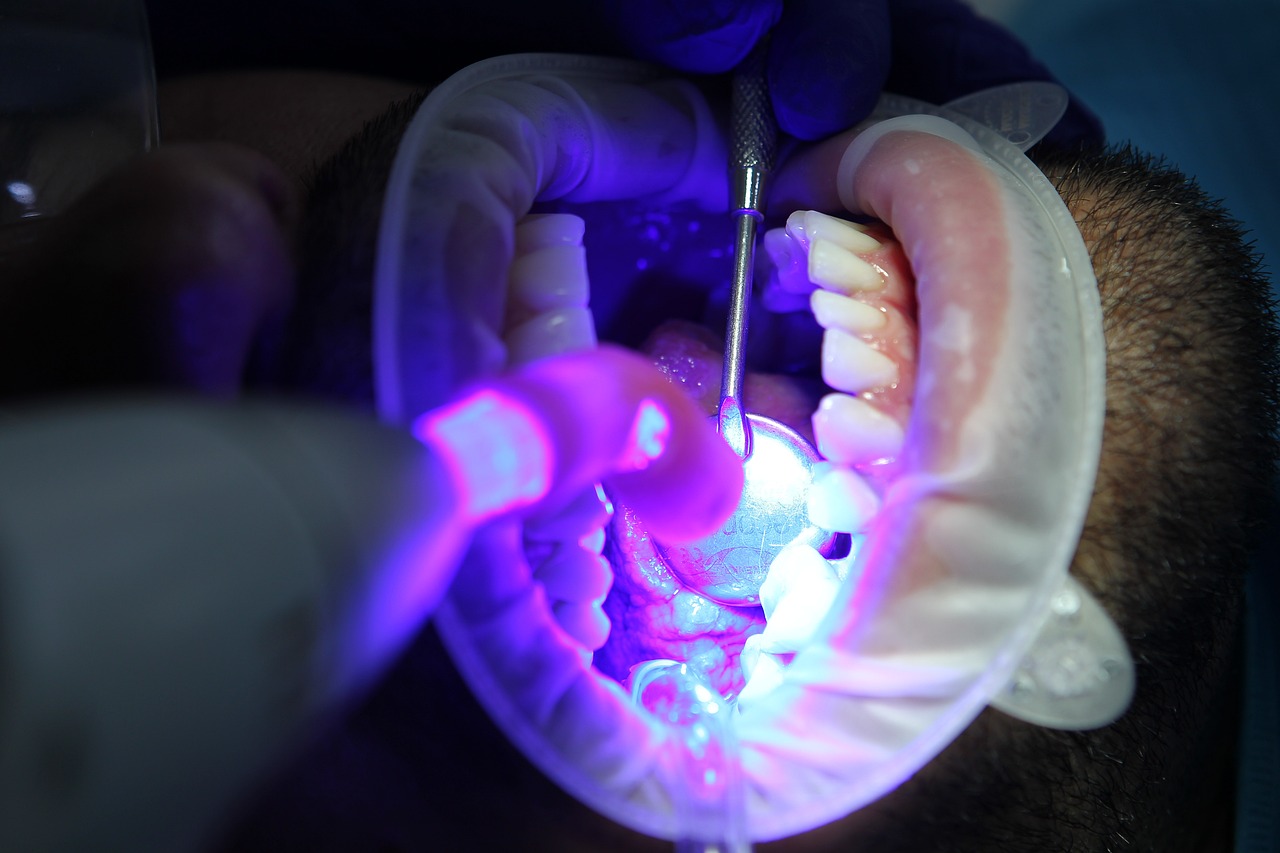
How to Start a Teeth Whitening Business
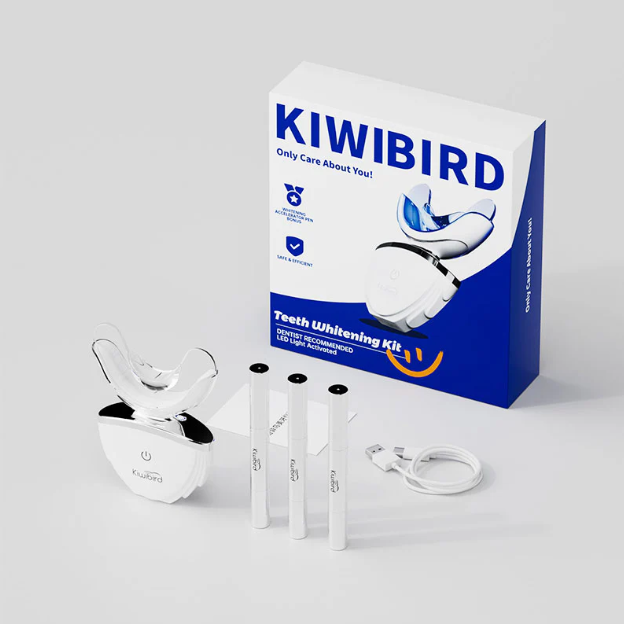
Small Batch Purchase of Red and Blue Light Teeth Whitening Devices and OEM Factory Sourcing Strategy
Why Post-Whitening Diets Need Gum Inflammation Cautions?
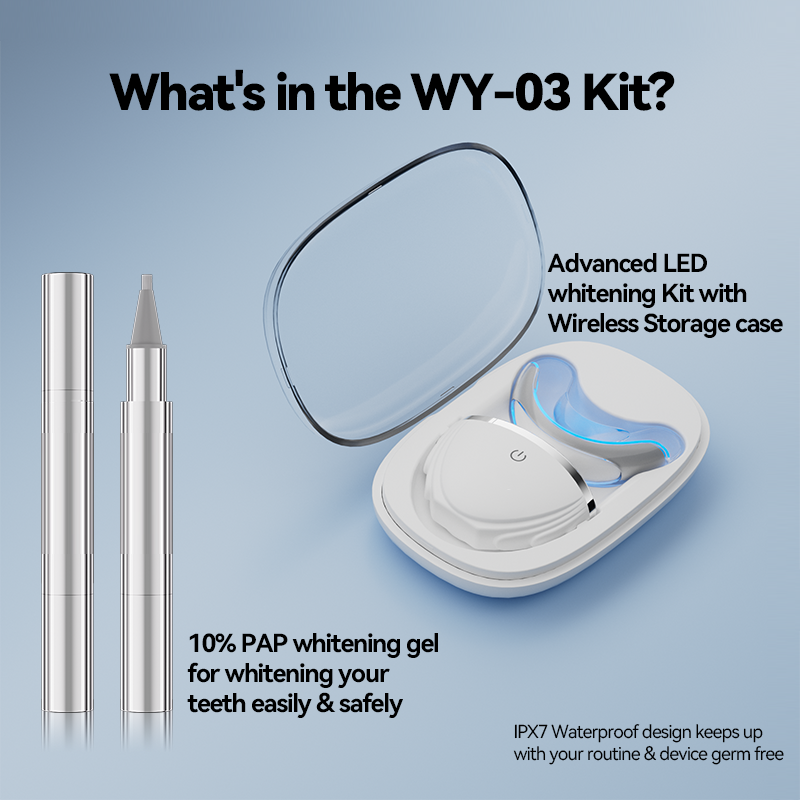
Red and Blue Light Teeth Whitening Device Aging Test Standard: 500 Hours of Continuous Working Reliability Verification
Are Button Malfunctions and Circuit Shorts the Cause?
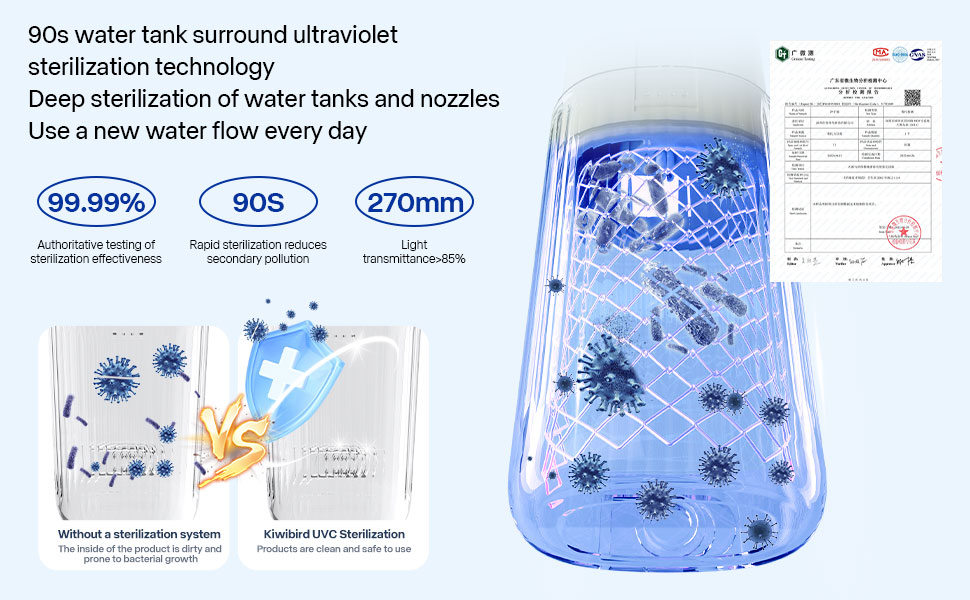
Does a Water Flosser Require Regular Maintenance? How Should It Be Cleaned?

Water Flosser OEM vs ODM: How to Choose the Best Business Mode?

Electric Toothbrush Manufacturing Process
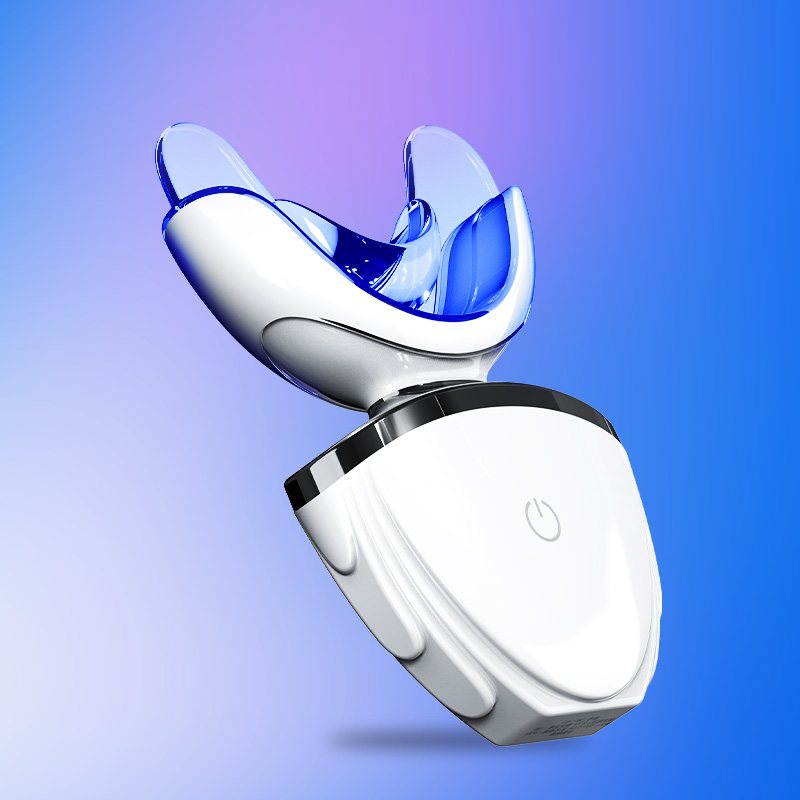
Explaining the Teeth Whitening Device and How to Use It
Waterproof Performance vs. Temperature Sensitivity?


.jpg)
.jpg)
.jpg)
.jpg)
.jpg)



.jpg)