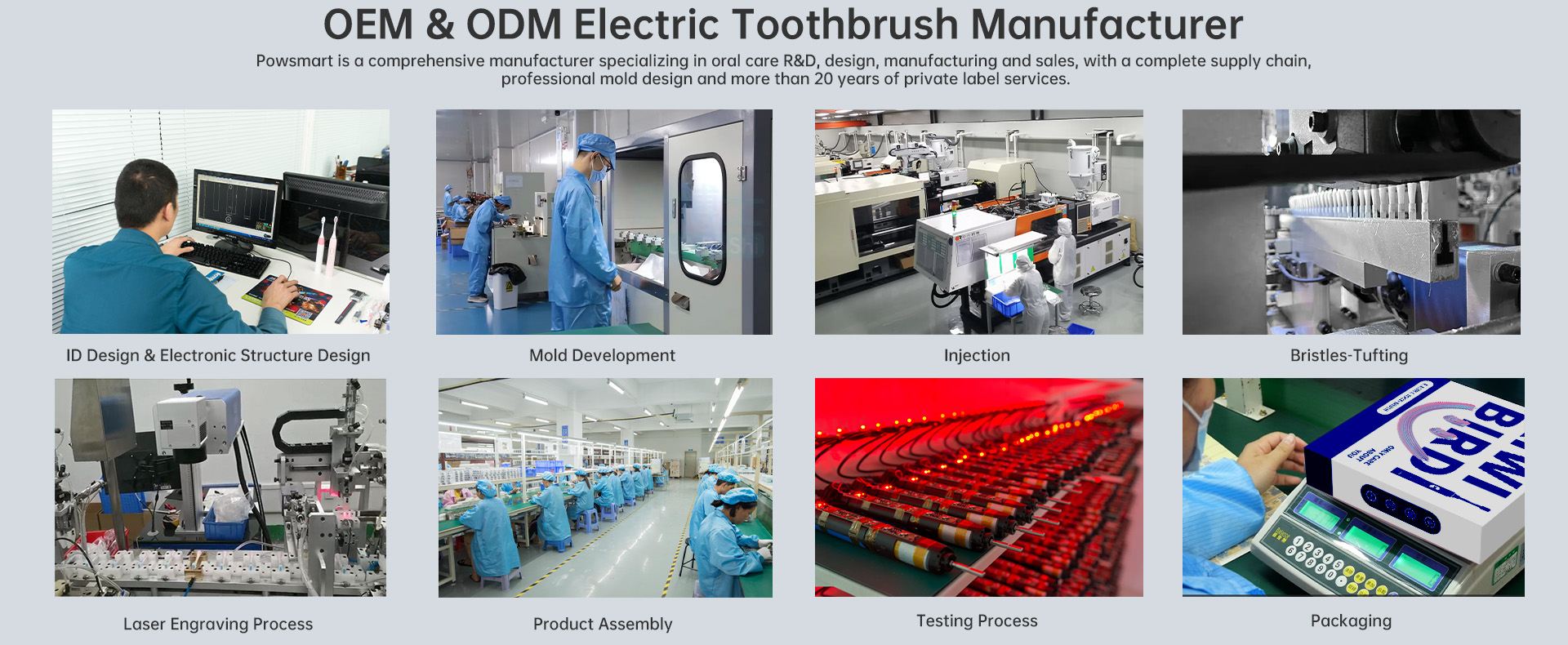
As the global demand for personal oral hygiene continues to grow, more brands are looking to enter the market with innovative and reliable products like water flossers. However, one critical decision for brands and startups is how to bring these products to life—via Oral irrigator OEM (Original Equipment Manufacturer) or Oral irrigator ODM (Original Design Manufacturer). Understanding these two business modes is essential to make an informed decision. This blog provides a detailed comparison and selection guide to help you choose the business mode that aligns best with your brand’s goals and capabilities.
An Oral irrigator OEM model involves a manufacturer producing water flossers according to a buyer’s design, specifications, and branding. The manufacturer does not participate in the product design but handles manufacturing and quality control.
Advantages:
Full control over design and features
Unique branding and product differentiation
Ideal for companies with R&D capability
Considerations:
Higher development cost and longer lead time
Greater need for internal technical resources
In contrast, an Oral irrigator ODM model allows businesses to choose from pre-designed, ready-to-produce water flossers. The manufacturer owns the product design and offers branding customization (e.g., logos, packaging).
Advantages:
Faster time to market
Lower initial investment
Minimal design and engineering requirements
Considerations:
Limited product differentiation
May face competition with brands using similar base models
Let’s do a quick product comparison:
| Feature | OEM | ODM |
| Design Control | Full (you provide the design) | Limited (manufacturer’s design) |
| Development Cost | Higher | Lower |
| Time to Market | Longer (due to R&D) | Shorter |
| Brand Uniqueness | High | Medium to Low |
| Risk | Higher (more responsibility) | Lower (manufacturer handles more) |
When deciding whether to go for an Oral care OEM or Oral irrigator ODM strategy, consider the following:
Brand Vision: Are you looking to build a premium, highly differentiated brand? OEM might be the right choice.
Budget and Resources: If your team lacks design expertise or has limited investment capital, ODM can be a smarter entry point.
Time Constraints: ODM models are ideal for faster launches or testing a new market.
Long-Term Goals: OEM gives you full ownership and scalability if you’re planning to expand product lines or enter new regions.
There is no one-size-fits-all approach when it comes to choosing between OEM and ODM for water flossers. The best path depends on your brand’s vision, resources, and timeline.
At Powsmart, we offer both Oral irrigator OEM and Oral irrigator ODM solutions to meet a variety of business needs. Whether you’re launching a private label or designing a groundbreaking oral care product from scratch, our team is here to help you choose the business mode that leads to success.https://www.powsmart.com/about-powsmart/
.jpg)
Battery Corrosion + Charger Incompatibility — What’s Next?
Supplier-Side Solutions and Preventive Measures for Common Negative Reviews from Electric Toothbrush Users
How to Effectively Reduce the After-Sales Return Rate of Electric Toothbrushes
Why Is Enamel Vulnerability Linked to Staining Residuals?

Application of Phototherapy Technology in Teeth Whitening and Oral Care
Why Do Whitening Cycles Cause Efficacy Debates?
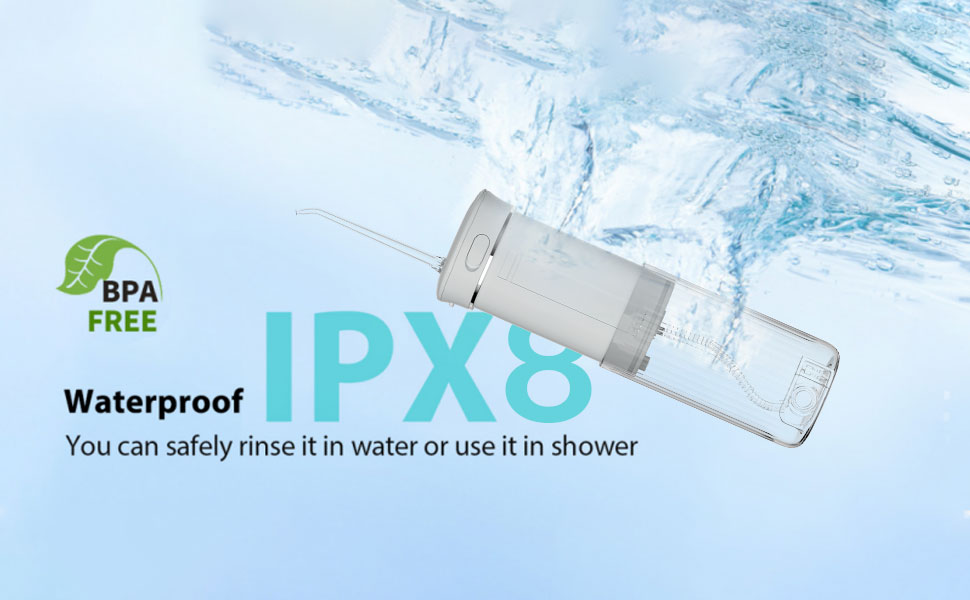
Improvement Record of Waterproof Defect of Water Flossers and the Latest Technical Solutions
Are Button Malfunctions and Circuit Shorts the Cause?
How Dangerous Are Jet Instability and Power Surges?
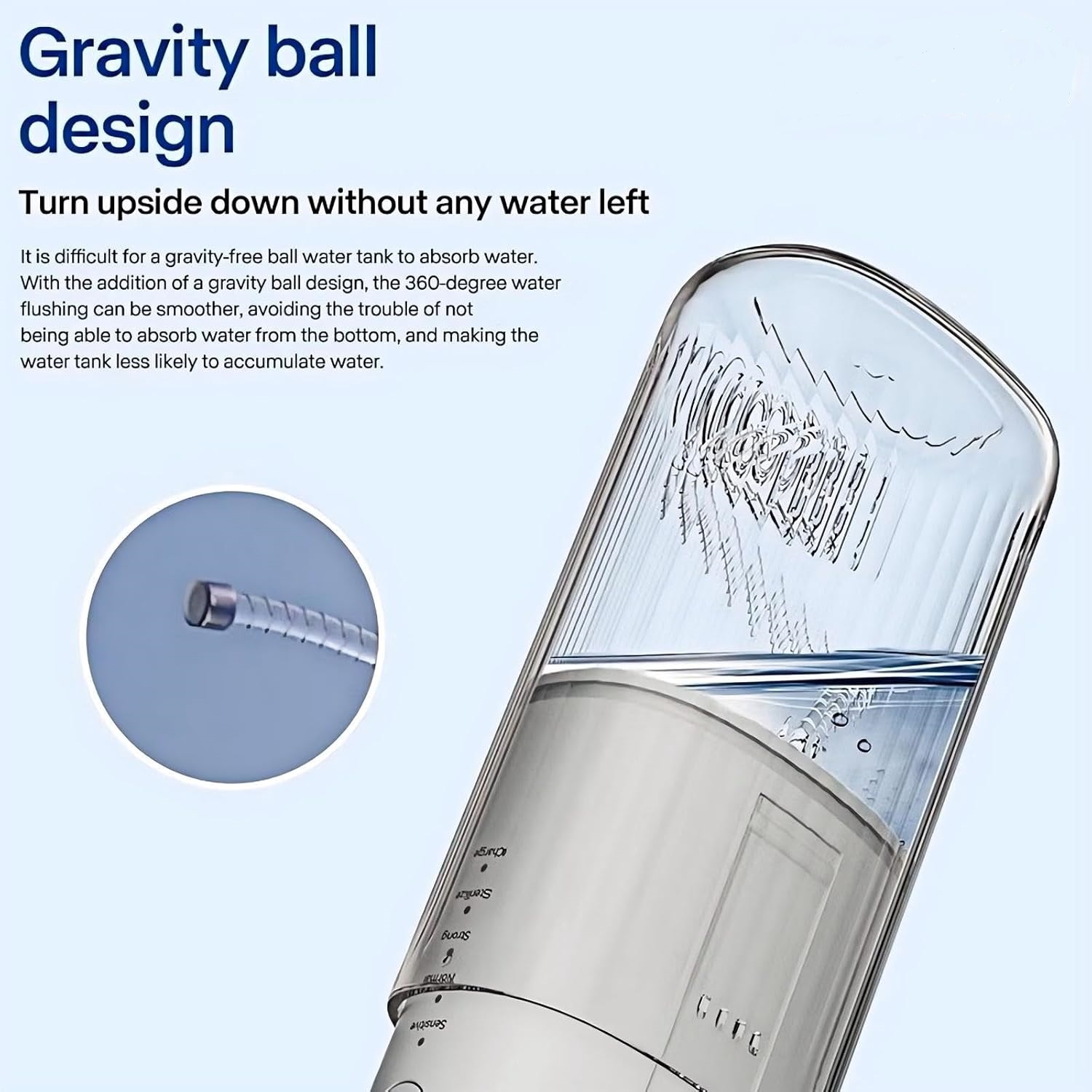
Analysis of Negative Reviews from Water Flosser Users: Factory-Side Solutions for Water Leakage, Loud Noise, and Unstable Pressure
.jpg)
Is the Colorado mountain toothbrush really a Colorado durable toothbrush — proven?
Motor Lifespan Matters! Importance of Premium Electric Toothbrush Durability
Where to read a Bangalore gadget review for an App-connected toothbrush?
Is Your Kids’ Electric Toothbrush Too Loud?
Short Battery Life and Motor Overheating in Electric Toothbrushes: How to Enhance Durability?
Frequent Allergy Reactions to Whitening Kits: Is Cold-Light Technology to Blame?


.jpg)
.jpg)
.jpg)
.jpg)
.jpg)



.jpg)