
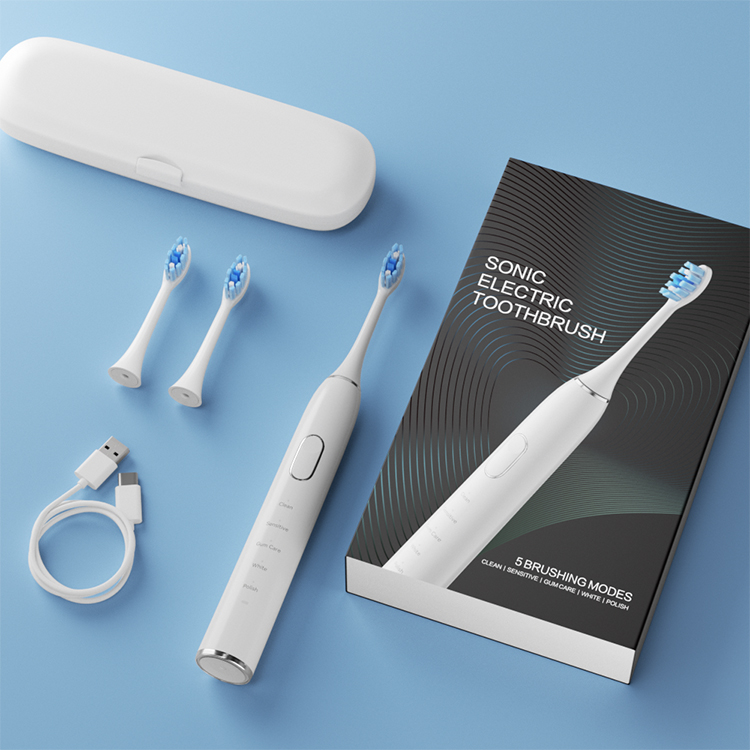
An OEM electric toothbrush allows a brand, distributor, retailer, or dental business to introduce a customized oral-care product without developing every component from the beginning. The buyer selects a proven product platform and adapts the branding, color, packaging, accessories, and selected features for its market.
The available options depend on the model and order quantity. Common OEM choices include:
Some changes are available at a relatively low MOQ, while custom colors, electronics, tooling, or exclusive structures usually require a larger commitment.
A good OEM project starts with a clear brief. Identify the sales country, channel, users, target retail price, expected annual quantity, desired launch date, and products already competing in the market. These details help the factory recommend a platform that fits the business instead of simply offering the lowest-cost model.
Shortlist a small number of models and compare them under the same conditions. Review cleaning feel, noise, grip, button response, brush-head comfort, mode differences, battery performance, charging, waterproof construction, and packaging size.
Share structured feedback with the manufacturer. Comments such as “the sensitive mode still feels too strong” or “the brush head is difficult to remove” are more useful than a general request to improve quality.
Create one approved specification covering the handle, motor, battery, modes, timer, waterproof rating, charging method, brush heads, accessories, artwork, and carton information. For PowSmart models, waterproof claims should follow the confirmed product specification; many current projects use an IPX8 waterproof design.
The quotation, sample approval, testing documents, packaging artwork, and purchase order should all refer to the same configuration. This prevents small differences from becoming large disputes later.
Packaging should communicate the product clearly while meeting local labeling rules. Avoid unsupported medical or performance claims. For B2B buyers, practical information such as included accessories, charging input, model number, importer details, and warranty terms is as important as visual design.
A supplier can provide a packaging dieline, but the buyer should confirm final copy, local language, trademarks, barcodes, and legal information.
Confirm market requirements early. Depending on the country, the project may require product safety, electromagnetic compatibility, restricted-substance, battery, transportation, labeling, or registration documents. Custom changes can affect report applicability, so the final configuration should be reviewed before production.
The pre-production sample should represent the approved logo, color, function, brush heads, accessories, and packaging as closely as possible. Keep a signed or documented approval record. This sample becomes the reference for production and inspection.
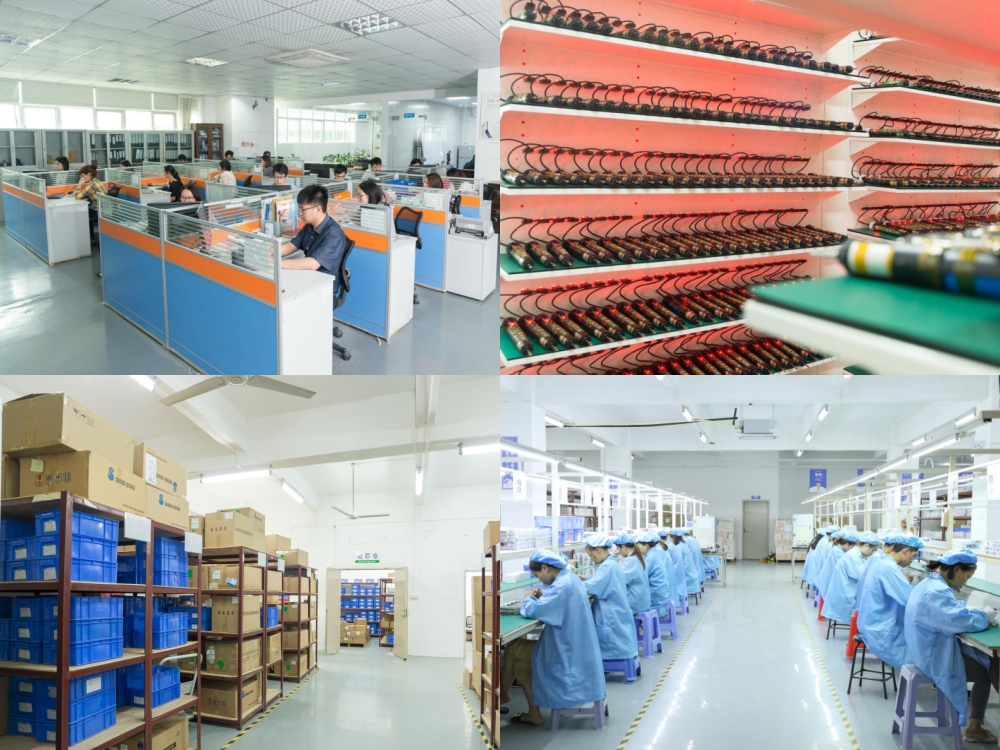
A reliable factory should control incoming materials, assembly, functional testing, waterproof checks, charging, appearance, packaging, and final sampling inspection. The buyer can also arrange third-party inspection based on the purchase order and approved sample.
A strong OEM electric toothbrush program is designed for repeat orders. Keep records of approved colors, artwork versions, components, test reports, and inspection standards. Plan replacement brush heads at the same time as the handle because consumables affect customer satisfaction and recurring revenue.
PowSmart supports OEM and ODM oral-care projects with product development, customization, sampling, manufacturing, and quality control. A clear brief and early technical discussion are the fastest way to identify a suitable starting model.
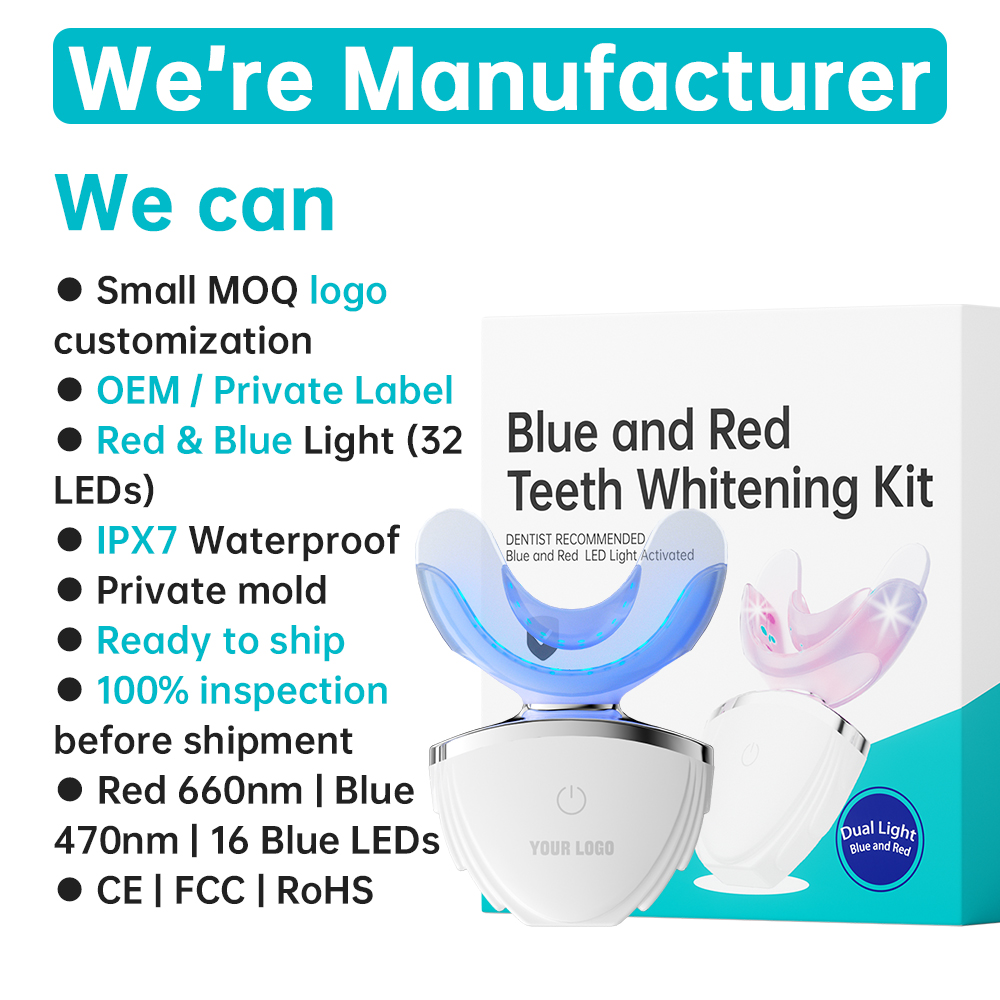
Verify a Certified Oral Care Factory China for Medical Grade Water Flosser Production?
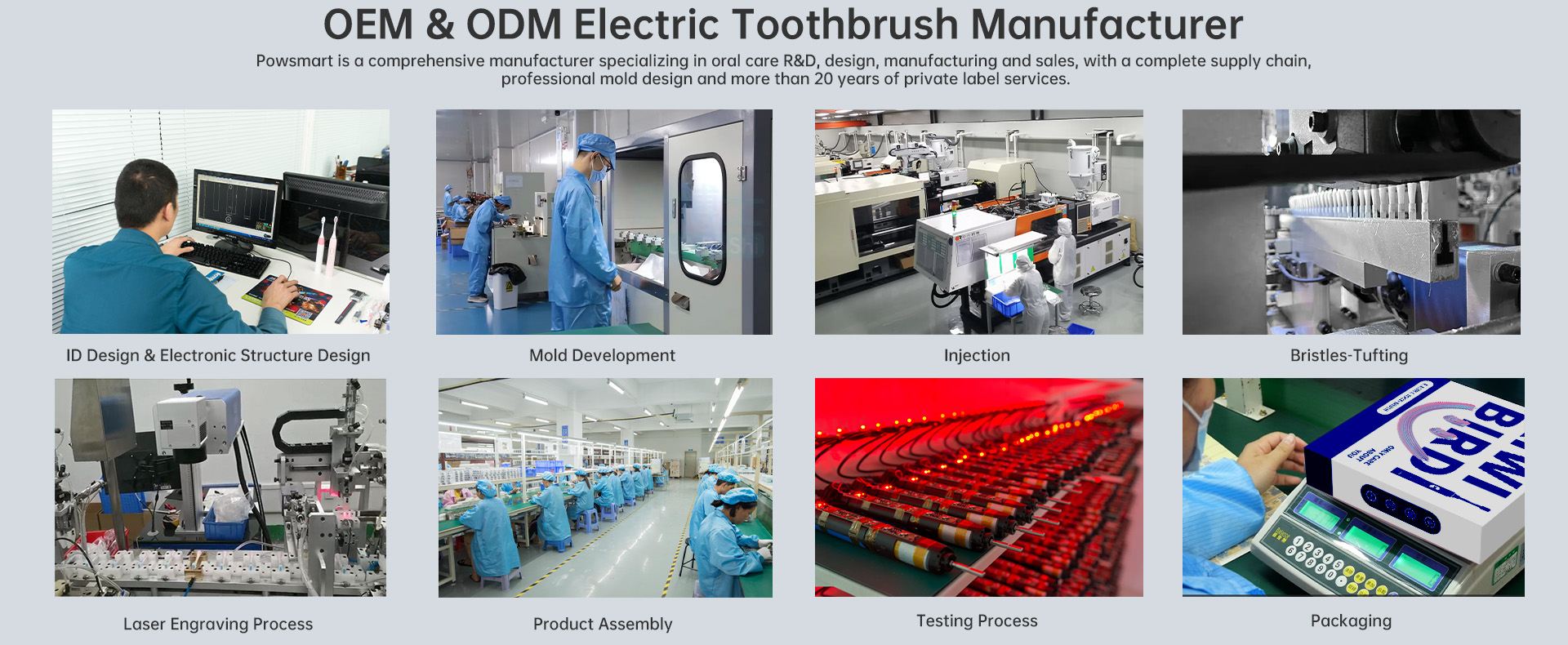
Several production equipment commonly used in electric toothbrush manufacturers
Which Electric Toothbrush Is Best for College Students in Boston?
Is Chewing Ice Bad for Your Teeth? The Hidden Dangers Explained
.jpg)
Electric Toothbrush Brush Head Replacement OEM
Electric Toothbrush Export Factory China for Global B2B Supply
How Does Recyclable Packaging Support Your Brand’s Sustainable Development Goals?
Travel Electric Toothbrush Guide | Compact Oral Care for Vacations

Is Passive IoT Energy Harvesting a Prerequisite for Devices Meeting an Interplanetary Reliability Standard?
How to Build a Competitive Oral Beauty Device Private Label Brand
Rechargeable Oral Care Kit Supplier | Complete OEM/ODM Solutions
Technological Breakthrough in Solving Water Flosser Leakage Problem: How to Achieve Complete Leakage Prevention?
What Charger Do You Need for an Electric Toothbrush? OEM Factory Answers
High-Frequency Toothbrush Wholesale for Global B2B Distribution
The Manufacturing Process of the Water Flosser
Teeth Whitening Smokers Stains Guide: Remove Stubborn Tobacco Discoloration


.jpg)
.jpg)
.jpg)
.jpg)
.jpg)






.jpg)
.jpg)