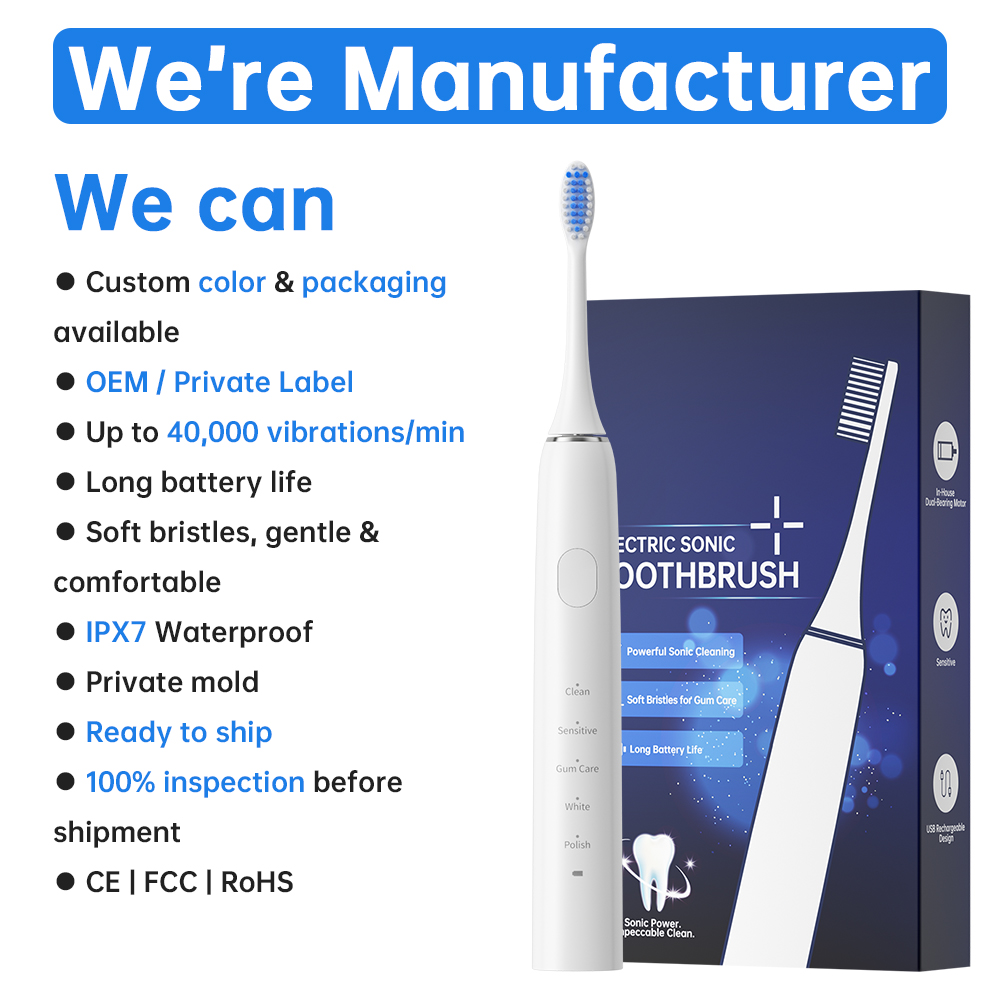
Choosing an electric toothbrush manufacturer is one of the most important decisions behind a successful oral-care product. A competitive quotation matters, but the real cost of a supplier becomes clear only after sampling, compliance testing, production, delivery, and customer feedback. A factory that can support these stages consistently gives a brand more control over quality, launch timing, and future product development.
Before comparing factories, define the type of product you plan to sell. A pharmacy-oriented toothbrush for sensitive gums requires a different brush head, motor setting, and communication strategy from an entry-level online product. A children’s model also needs different dimensions, operating logic, packaging, and safety considerations.
A useful supplier discussion should therefore begin with the target market, expected retail range, sales channel, key users, and planned order volume. This information allows the manufacturer to recommend a realistic platform instead of sending a catalogue without context.
Ask how long the factory has produced oral-care products and which parts of the project are handled internally. Relevant capabilities may include industrial design, mechanical engineering, electronics, firmware, brush-head development, tooling, assembly, testing, and quality control.
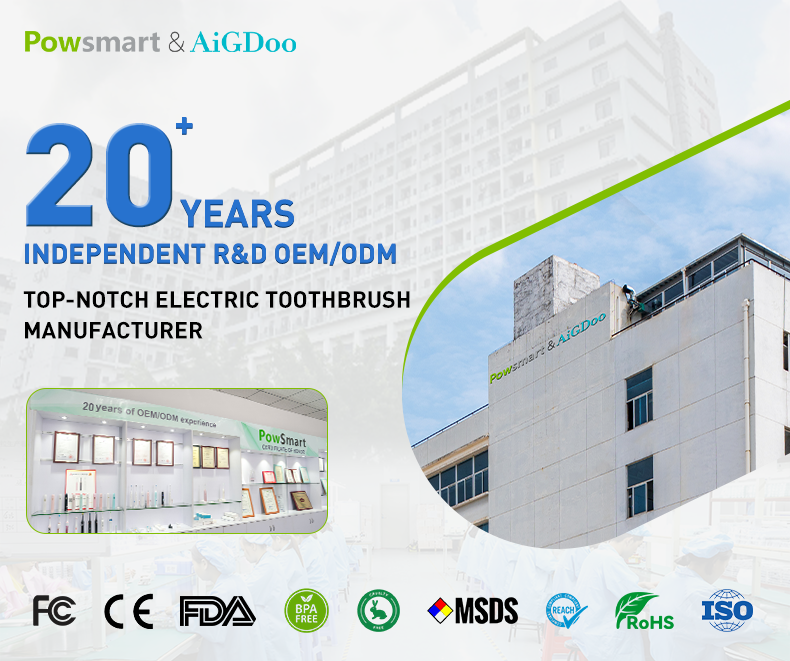
PowSmart has focused on electric toothbrushes and oral-care manufacturing since 2004. Its OEM and ODM capabilities are supported by product development teams, production systems, quality control, and more than 200 patents. For buyers, this experience can shorten communication cycles and reduce avoidable changes during development.
Two toothbrushes can look similar in a photo while performing very differently. Buyers should examine motor stability, noise, vibration transfer, shaft alignment, charging performance, battery consistency, waterproof structure, button life, brush-head fit, and bristle finishing.
Request a sample that represents the intended production configuration. Test it repeatedly rather than judging it after one short use. Pay attention to whether performance stays stable at different battery levels and whether the brush head feels secure without being difficult to remove.
Compliance requirements depend on the destination market and product configuration. CE, RoHS, FCC, FDA-related requirements, battery transport documents, labeling, user manuals, and packaging claims may all affect the project. The buyer and manufacturer should confirm the applicable requirements before mass production.
A responsible manufacturer should explain which existing reports are available and which tests must be completed for the final customized version. Using a report from a different configuration can create problems during customs clearance or marketplace review.
OEM usually covers changes such as logo, color, brush heads, accessories, packaging, and manuals. ODM can involve deeper changes to appearance, structure, function, electronics, or tooling. Buyers should separate simple customization from new-product development because the cost, MOQ, timeline, and ownership arrangements are different.
Ask the supplier to divide the quotation into product cost, packaging, accessories, tooling, testing, and development charges. A clear cost structure makes it easier to compare proposals and adjust the project without losing control of the budget.
The first purchase is only the beginning. Replacement brush heads, packaging updates, forecast changes, spare parts, after-sales handling, and new models will affect the long-term result. Check whether the factory can keep key components stable and how it manages engineering changes.
The best electric toothbrush manufacturer is the one that fits your market, product position, volume, and quality expectations. A slightly lower unit price cannot compensate for unstable production, delayed certification, or repeated customer complaints. Build the decision around total project risk and long-term commercial value.
Dentistry Instrument Factory Market Trends and Customized Production Solutions
Electric Toothbrush Bristle Implantation Technology: How to Choose the Most Suitable Bristles?
.jpg)
Oral Beauty Device Private Label — Building a Scalable OEM Program
High Vibration Toothbrush Factory: OEM Manufacturing & Performance Guide
Customizing Specialty Electric Oral Care Electronics for OEM
Pet Dentist Oral Care | Electric Toothbrushes for Veterinary Professionals
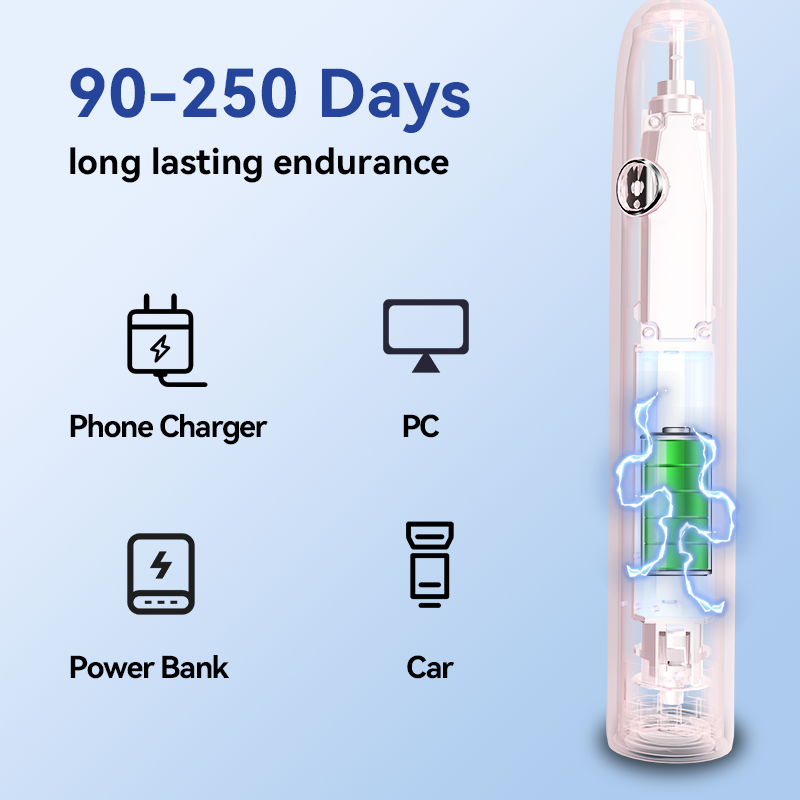
Can the Battery Health of Electronic Oral Cleaning Products Be Restored?
Overbleaching Risk and Gum Recession – Fair Trade?
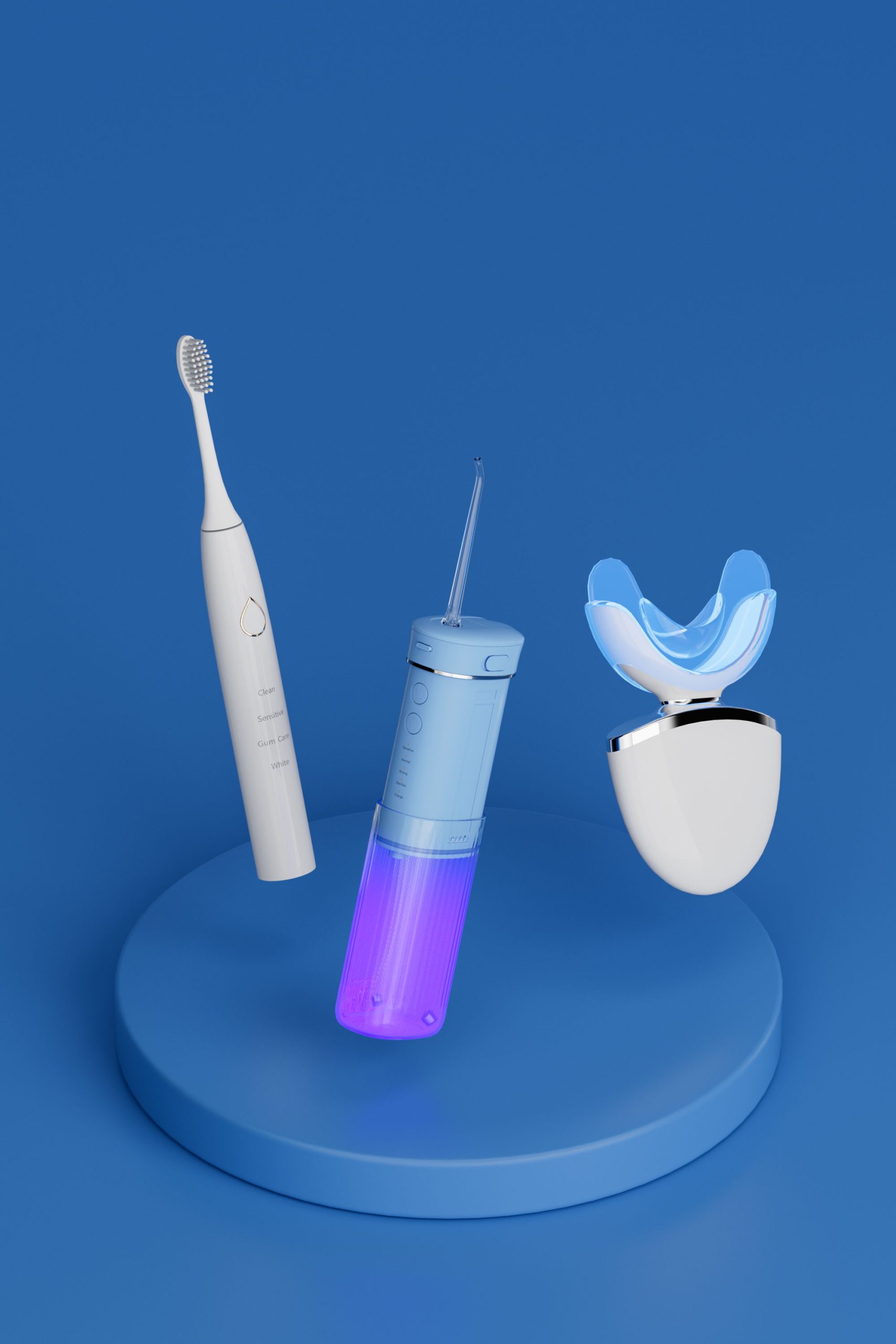
Oral Care is Personal Care: An Untapped OEM Opportunity for Your Brand
Electric Toothbrush Vibration Amplitude vs Frequency: How to Balance Performance for Better Cleaning
Best Toothbrush Heads Compared
Looking for a Water Flosser Distributor USA and a Teeth Whitening Kit Supplier for the American Market?
Sonic Toothbrush Frequency Hertz Guide: Decode Vibration Numbers
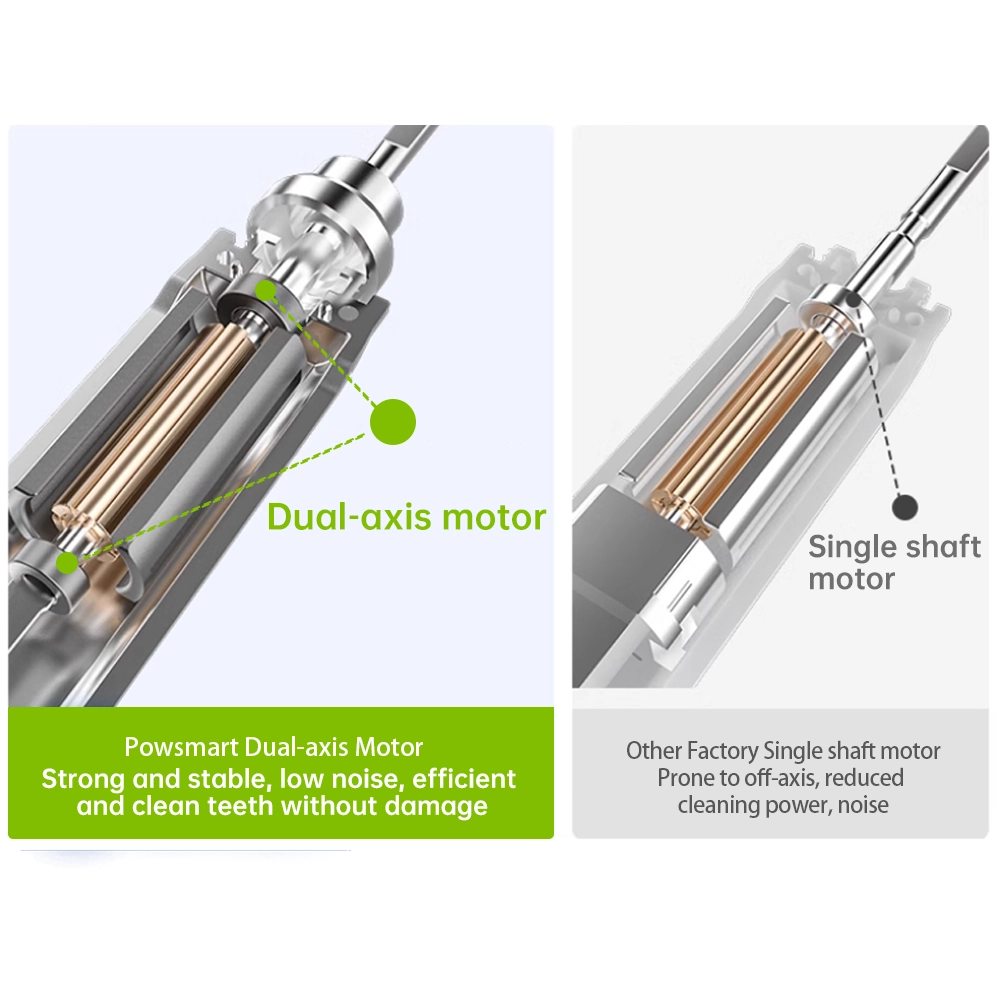
Electric Toothbrush Motor Failure: Common Causes & Solutions

The Process of Developing a Private Electric Toothbrush
2025 Electric Toothbrush Promotional Sale: Opportunities for Brands to Scale with the Right Manufacturer


.jpg)
.jpg)
.jpg)
.jpg)
.jpg)






.jpg)