
When developing a long-lasting electric brush, battery technology plays a decisive role in both performance and consumer satisfaction. For oral care brands seeking reliable manufacturing partners, understanding the nuances of Battery Technology in Electric Toothbrushes is key. In this blog, we’ll explore important OEM considerations to ensure your next product stands out in a competitive market.
Today’s consumers demand convenience and efficiency. A short toothbrush battery life can quickly lead to dissatisfaction, while a reliable battery elevates brand loyalty. Shoppers expect brushes that last weeks on a single charge, whether for home use or travel. As an OEM partner, your ability to address these expectations directly impacts market success.
Working with the right manufacturing partner gives brands access to OEM power solutions tailored to different price points and product features. From compact entry-level models to premium smart brushes, OEMs can integrate batteries that balance size, cost, and durability. Early discussions with your supplier about energy density, charging cycles, and safety standards help avoid costly redesigns later.
When you compare battery technologies, three primary options dominate the market:
Nickel Metal Hydride (NiMH): Affordable and safe, but with limited charge retention.
Lithium-ion (Li-ion): Lightweight, higher energy density, and increasingly common in premium brushes.
Lithium Iron Phosphate (LiFePO4): Stable with long cycle life, though less compact.
Each technology presents trade-offs in lifespan, cost, and charging performance. Partnering with a knowledgeable OEM ensures the right choice for your product line.
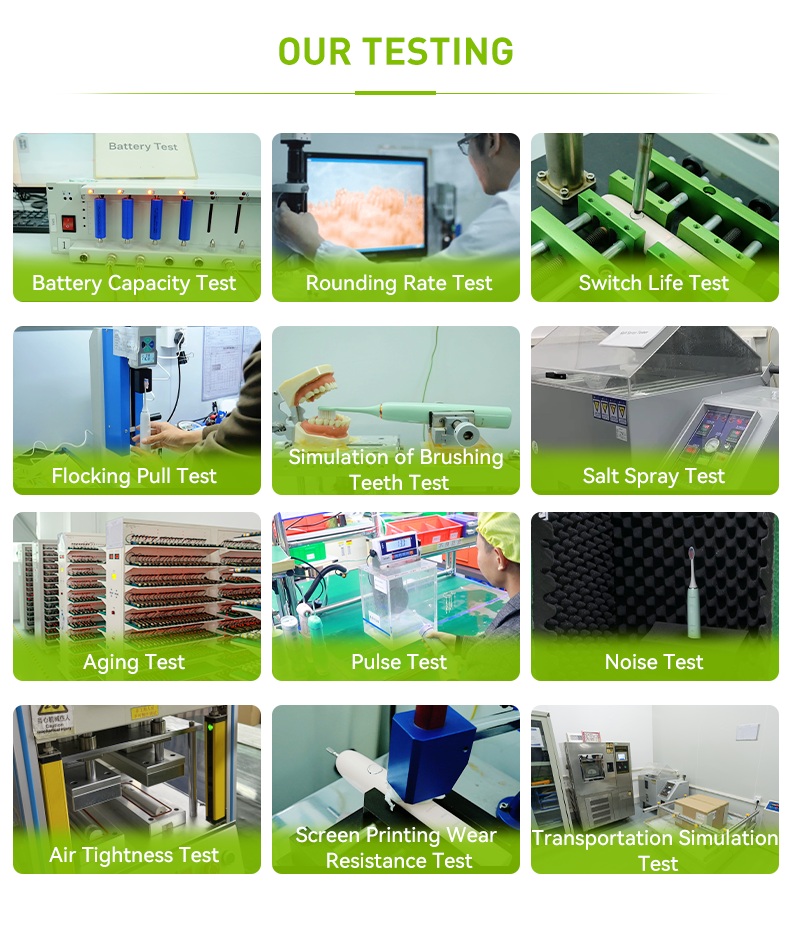
While achieving a long-lasting electric brush is vital, safety cannot be compromised. Batteries must comply with international safety certifications and incorporate protection against overheating or overcharging. Experienced OEMs implement advanced testing protocols to guarantee consumer trust.
Modern buyers are increasingly conscious of eco-friendly solutions. Rechargeable batteries with longer lifespans reduce waste and enhance user satisfaction. Additionally, intuitive charging systems—such as wireless docks or USB-C—add value. An OEM experienced in Battery Technology in Electric Toothbrushes can integrate sustainability without sacrificing performance.
Choosing a manufacturer is more than sourcing parts—it’s about building a strategic partnership. A capable OEM provides insight into battery trends, regulatory requirements, and emerging innovations. Their expertise in OEM power solutions helps transform your concept into a market-ready product.
For oral care brands, the right battery strategy can define the success of an electric toothbrush. From optimizing toothbrush battery life to aligning with eco-conscious consumer trends, every detail counts. By working with an OEM that understands how to compare battery technologies and tailor them to your product vision, you can deliver a truly long-lasting electric brush that resonates with today’s health-conscious and tech-savvy customers.
.jpg)
Electric Toothbrush for Subscription Brands
Does Optimal Flow Channel Design Reduce the Load on the Battery Management System?
Should I use an oral irrigator before or after brushing my teeth?
Dental Practice Gift Toothbrush Supplier | Patient Care Solutions
IPX7 Waterproof Electric Toothbrush Supplier: OEM Manufacturing, Testing Standards and Global Compliance
Built-In Tongue Cleaner Brush | Electric Toothbrushes
How Can an Electrochemical pH Sensor in a Toothbrush Contribute to Real-World Evidence Generation?
Electric Toothbrush Quality Control Factory: Full Process QC System for OEM Production
Electric Toothbrush vs Water Flosser vs Teeth Whitening Kit: What Each Tool Does for Your Smile
.jpg)
Does Sharing Charging Bases Cut Costs?
ergonomic sonic toothbrush wholesale | Comfortable Grip Design OEM Factory
Gasket Mold Plus Bacterial Regrowth – Health Hazard?
Electric Toothbrush Supplier Comparison: What Matters Beyond Unit Price
Teeth whitening device OEM: In-Depth Cooperation Model from LOGO to Light Wave Customization
Does Dental Grade Whitening Necessitate the Use of Safe Whitening Ingredients?
Should Your Total Addressable Market Model Inform Your Price Elasticity Study?


.jpg)
.jpg)
.jpg)
.jpg)
.jpg)





.jpg)