
In moisture-prone personal care devices like water flossers, electric toothbrushes, and oral irrigators, gasket mold is not only a common maintenance issue—it can also become a silent driver of bacterial regrowth. While often overlooked in design and aftersales guidance, this combination poses serious hygiene risks for end users. In this blog, we explore how these factors are connected, their implications for consumer health, and what manufacturers must do to ensure product safety.
Gaskets are typically made of rubber, silicone, or elastomer materials and serve as seals between components—such as water tanks and main bodies. However, the same flexibility and water resistance that make gaskets effective also make them vulnerable to:
When left uncleaned, these conditions foster the growth of gasket mold, which not only affects performance but becomes a microbial breeding ground.
The development of gasket mold creates an ideal environment for bacterial regrowth:
These microbial colonies can then spread through water flow paths, nozzles, or brush heads, undermining the entire hygiene profile of the product.
The combined presence of gasket mold and bacterial regrowth poses a range of health concerns:
For B2B customers focused on quality and compliance, these risks could translate into product recalls, warranty claims, or brand damage. Company web:https://www.powsmart.com/product/electric-toothbrush/
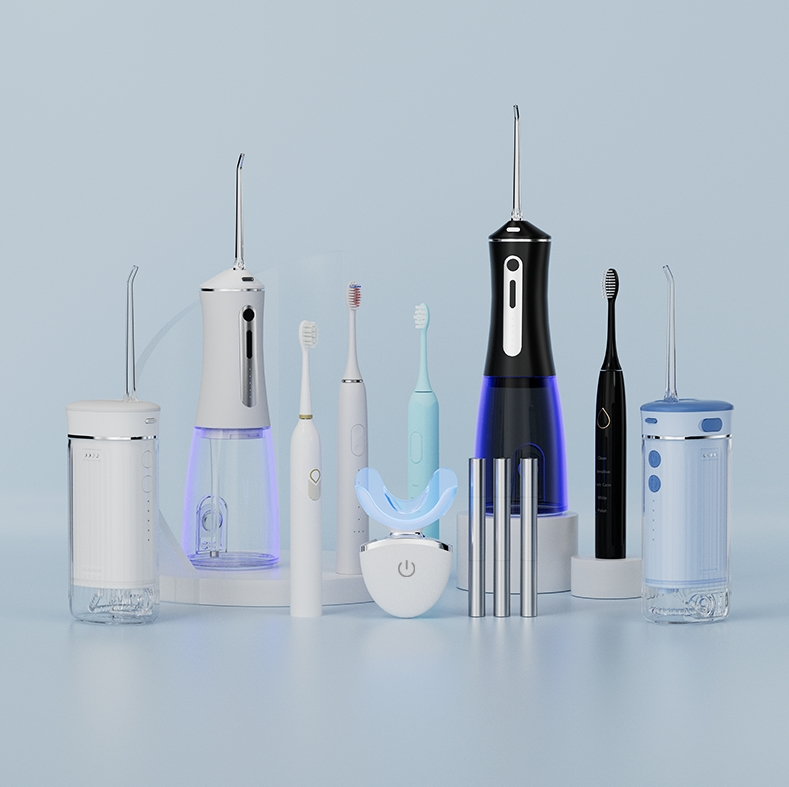
Many hygiene issues originate not from the material alone, but from how the device is designed:
Such oversights can be minimized through thoughtful engineering and user-centered design.
To reduce the risk of gasket mold and bacterial regrowth, manufacturers should consider:
These practices not only extend device life but protect the end-user’s health and safety.
Future-forward B2B solutions are already moving in a safer direction:
For brands competing on premium performance and safety, integrating these innovations can offer significant differentiation in the marketplace.
Though physically small, gasket mold—when combined with unchecked bacterial regrowth—can lead to major consequences for both product performance and user health. B2B manufacturers must rethink gasket design, materials, and cleaning accessibility to ensure these hidden hygiene hazards don’t go unnoticed. A commitment to proactive prevention today will yield cleaner, safer, and more trusted devices tomorrow. Contact us
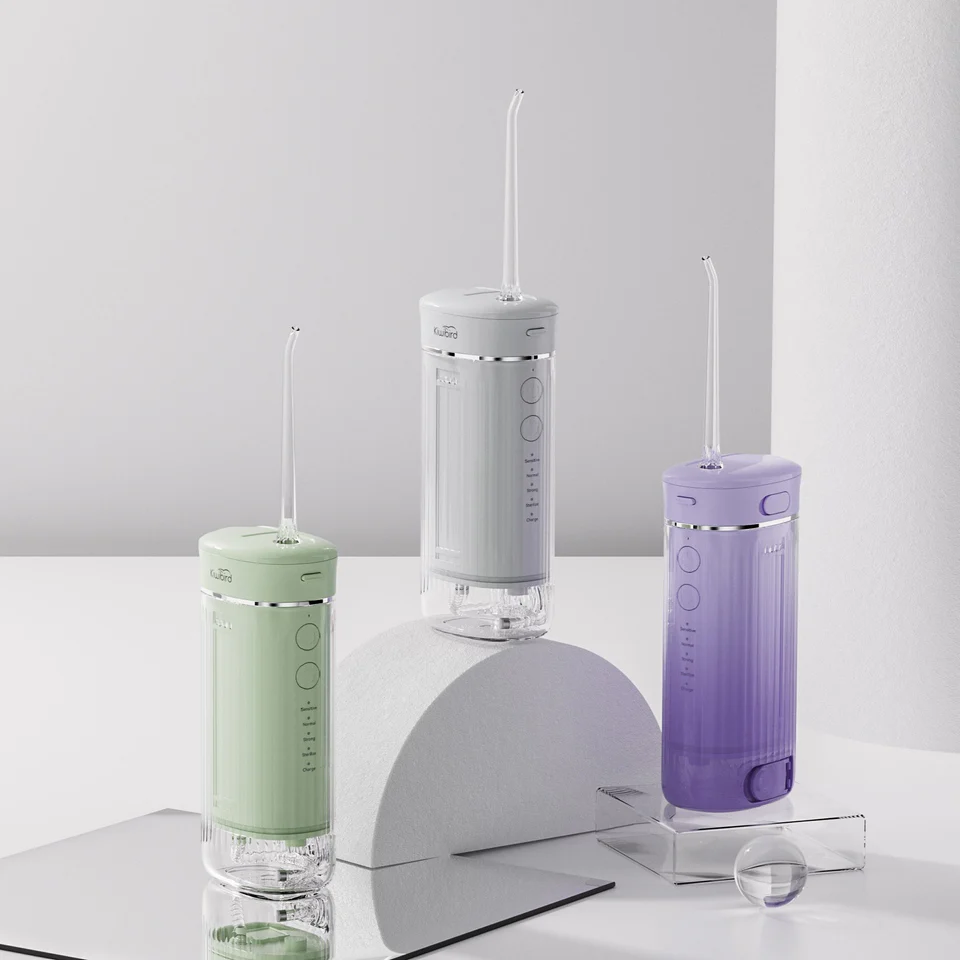
How Brands Can Expand Oral Care Line with Competitive Water Flossers
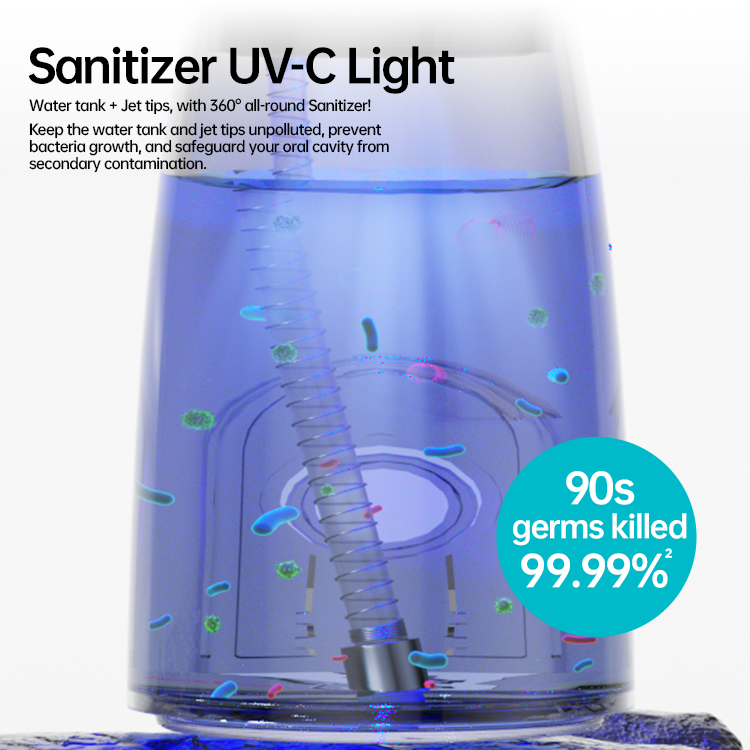
How Does Water Tank Molding Design Accommodate a Filter Cartridge Supply?
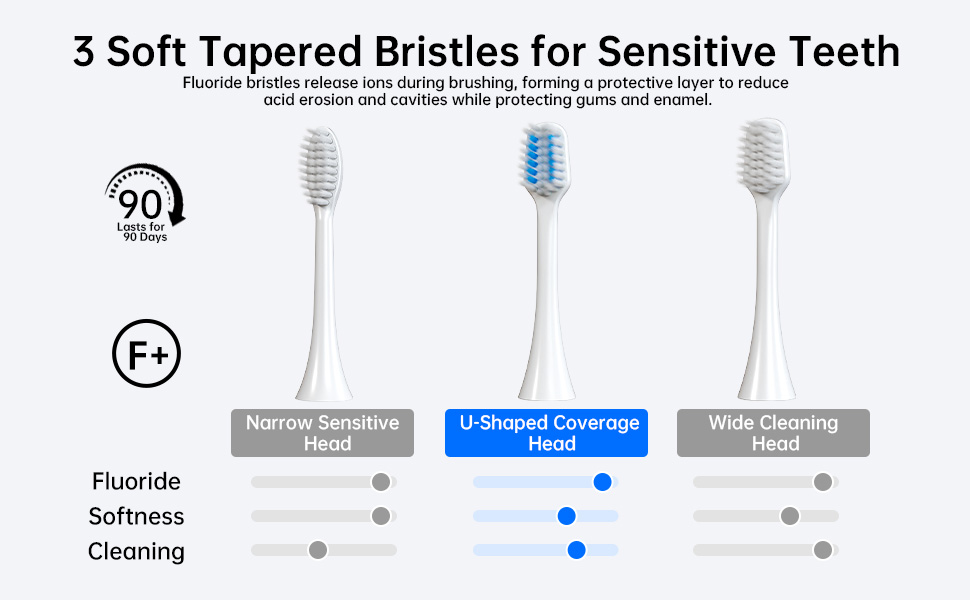
Can a Long Battery Life Toothbrush Attract Global Buyers with Multi-language Manual Customization?
.jpg)
Why Choose an Orthodontic Water Flosser Featuring Multi-pressure Setting Flosser Capabilities?
How Does Expert Electric Toothbrush Mold Design Benefit a Custom Toothbrush Factory?

Enamel-Safe Whitening: OEM Products That Brighten Smiles Without Harm
.jpg)
Electric Toothbrush for Corporate Gifting | Premium Custom Gift Sets by Powsmart
.webp)
Why Integrate an Electric Toothbrush PCBA Solution with a Wireless Charging Toothbrush OEM for Seamless Production?
How Changing Consumer Attitudes Are Shaping Oral Care Product Demand
Electric Toothbrush Ecommerce Bundle Wholesale | Complete Oral Care Sets
Electric Toothbrush with Travel Case OEM
.jpg)
sonic electric toothbrush Los Angeles
.jpg)
Electric Toothbrush Cleaning Performance: The Differences Among Different Electric Toothbrush Factories
Professional Whitening Electric Toothbrush Supplier | Advanced LED Oral Care by Powsmart
Need Packaging Customization Service for Products Containing a Lithium Battery Pack?
How does Pulse Water Technology enhance the effectiveness of an Orthodontic Jet Tip?


.jpg)
.jpg)
.jpg)
.jpg)
.jpg)



.jpg)
.jpg)