
In today’s highly competitive market, product quality and manufacturing processes directly impact cost control and brand reputation. Particularly in precision manufacturing, recurring problems such as Nozzle removal difficulties and the presence of Silicone cracks are gradually driving production costs upward. This article explores these challenges from six key perspectives and offers solutions to help companies optimize costs and enhance quality.
Firstly, rising consumer demand for high-quality products has set higher requirements for production processes. However, during actual manufacturing, Nozzle removal challenges frequently occur, complicating subsequent cleaning and replacement processes. At the same time, the emergence of Silicone cracks not only affects the product’s appearance but also compromises its sealing performance and service life. Consequently, these two issues are becoming significant challenges for companies, directly leading to increased rework rates and overall cost escalation.
Secondly, it is essential to delve into the specific causes behind Nozzle removal issues. Typically, these problems may stem from design flaws, inappropriate material selection, or inadequate process control. Under the pressure of high-speed production, unreasonable mold design or insufficient maintenance of automated equipment may result in difficulties with nozzle disassembly and replacement. Therefore, companies should address these issues from multiple angles, such as design optimization, equipment upgrades, and staff training, to ensure smooth and stable production processes.
Thirdly, the problem of Silicone cracks often hides in details that are not immediately noticeable, yet its impact is far-reaching. Silicone, a commonly used sealing material, can develop cracks that not only lower the product’s aesthetic quality but may also trigger leakage, aging, and other cascading issues. By systematically testing indicators such as silicone’s weather resistance and bonding strength, companies can identify potential problems in a timely manner and implement preventive measures, preventing minor cracks from evolving into major quality issues across batches.
To effectively tackle the challenges of Nozzle removal and Silicone cracks, companies need to implement comprehensive upgrades in both technology and processes. Firstly, during the design phase, optimizing mold structures and refining process parameters can significantly reduce failure rates during nozzle removal. Secondly, using high-performance, aging-resistant silicone materials and improving bonding processes can help minimize the occurrence of cracks. Additionally, introducing advanced online inspection equipment and automated control systems ensures that every stage of production meets expected standards, thereby achieving effective cost control.
Furthermore, establishing a robust quality management system is crucial to reducing the financial losses caused by Nozzle removal and Silicone cracks. By rigorously controlling raw material quality, monitoring production processes, and performing final inspections, companies can prevent quality issues from arising at the source. In addition, when problems do occur, timely rework and corrective actions should be implemented to gradually reduce rework rates and material waste. With a comprehensive quality management system in place, companies can enhance product competitiveness while lowering costs.
Lastly, looking forward, the ongoing development of smart manufacturing and digital monitoring technologies promises innovative solutions for addressing Nozzle removal and Silicone cracks. Leveraging big data analysis and AI-assisted predictive maintenance, companies can achieve precise monitoring of production processes and early detection of potential risks, reducing rework and material losses caused by unstable processes. Moreover, strengthening cross-departmental collaboration and continuous investment in R&D will further drive process improvements and material optimization, providing companies with a significant long-term advantage in an intensely competitive market.
In conclusion, Nozzle removal issues and Silicone cracks are steadily inflating production costs and posing substantial challenges for companies. By thoroughly analyzing the root causes, upgrading technological equipment, optimizing process flows, and reinforcing quality management, companies can not only reduce additional expenses from rework and material waste but also significantly enhance product quality and market competitiveness. Continuous improvement and technological innovation are essential paths to achieving cost control and steady development. https://www.powsmart.com/about-powsmart/

Highly Effective Electric Toothbrush Changes Your Oral Care Habits
.jpg)
Red Light Gum Therapy Whitening Device Supplier | LED Oral-Care OEM Manufacturer
.jpg)
Can an electric toothbrush truly improve your oral hygiene?

Effect of Electric Toothbrush on Fixed Orthodontic Adolescents with Poor Oral Hygiene
Need a Reliable Water Flosser Pump OEM for Your Oral Irrigator Components?
Electric Toothbrush for Braces Patients OEM | Orthodontic-Friendly Sonic Brush Supplier
Are Oral Care Products Suitable for TK Small Businesses?
Could Bristle Splaying Rapidly Induce Uneven Cleaning Patterns?
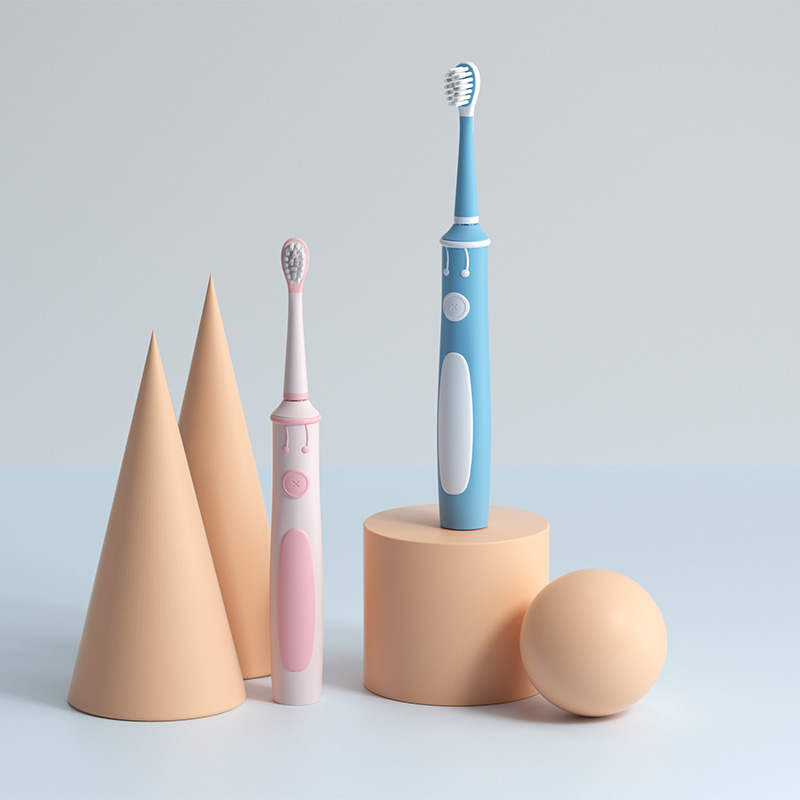
Design Considerations of OEM TSA-Friendly Travel Electric Toothbrushes

The Characteristics of the Target Audience for Home Teeth Whitening Devices
Excessive Noise With Pulp Inflammation? Dual Threats From Electric Brushes!
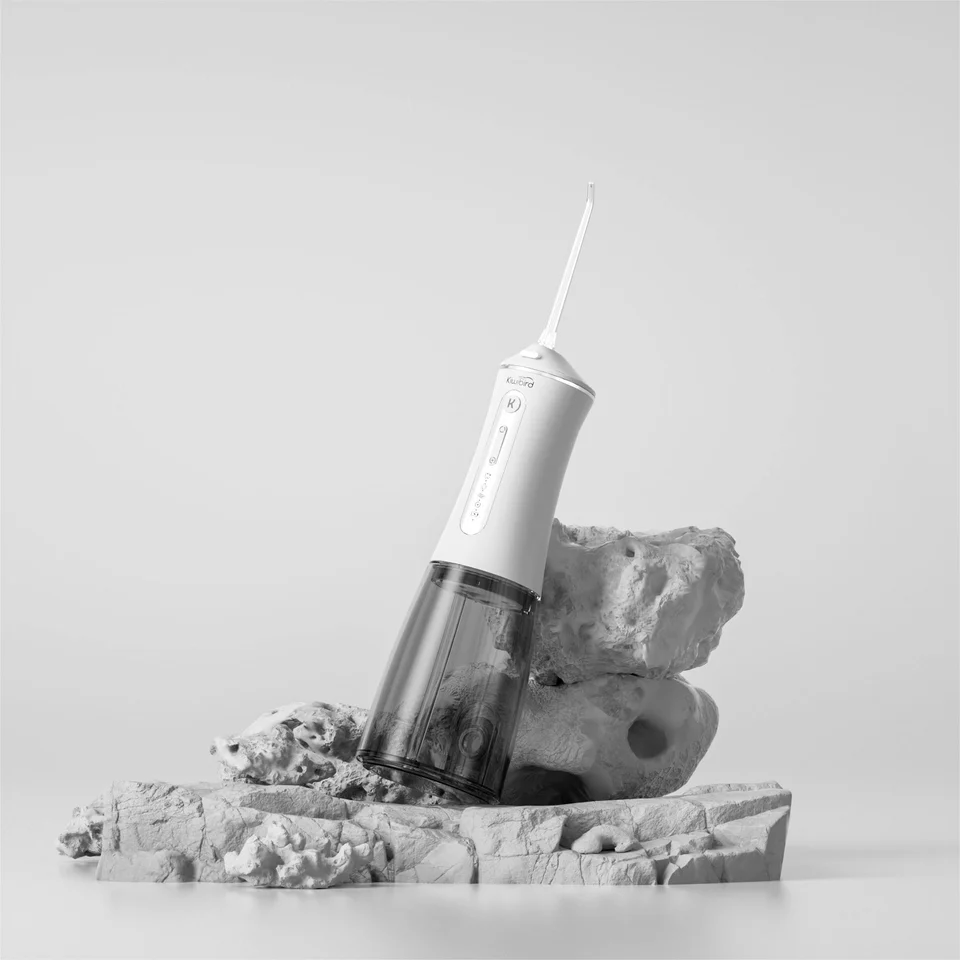
What Happens If the Water Flosser Suddenly Stopped Producing Water During Traveling?
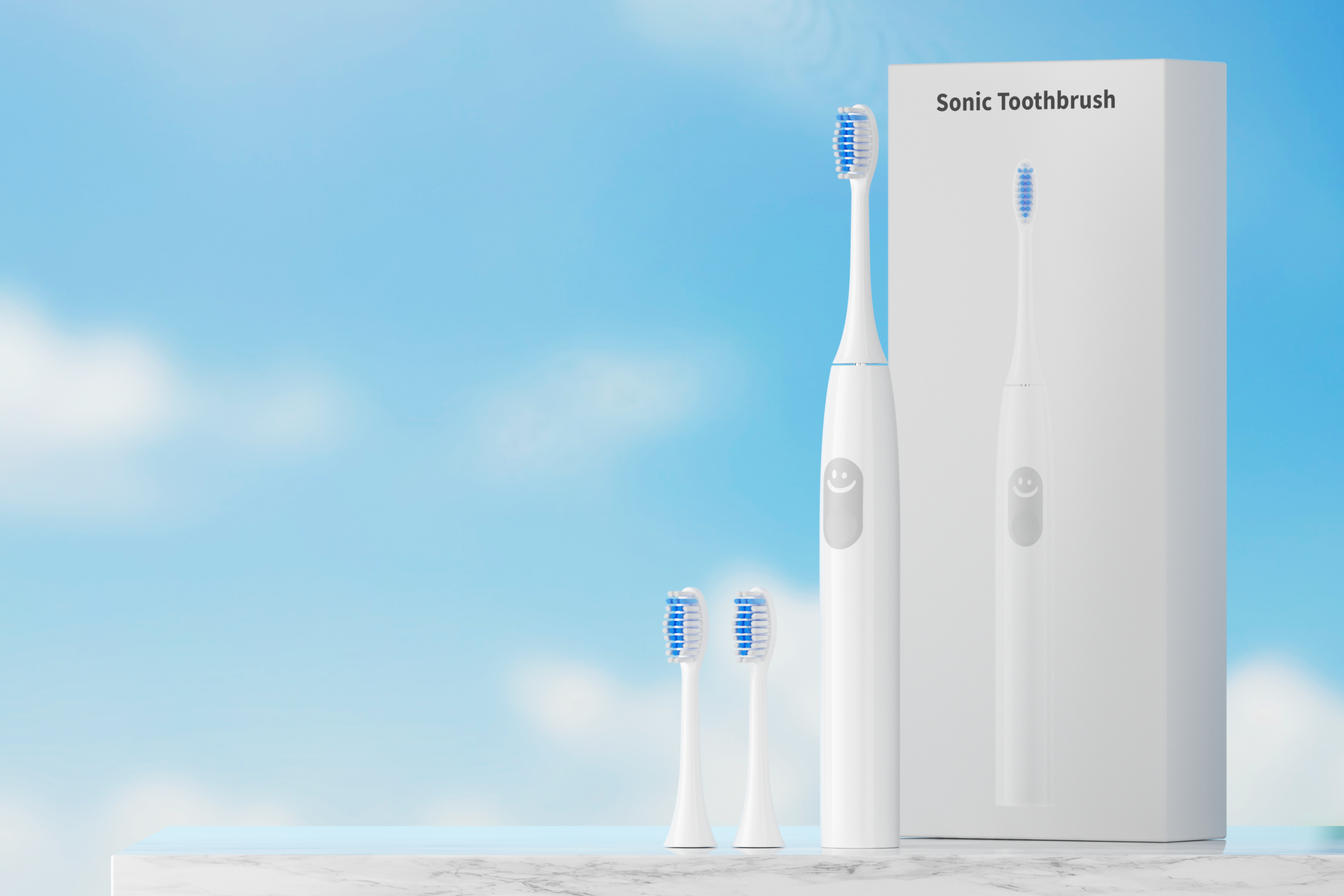
Affordable sonic toothbrushes Manufacturing – High Quality, Flexible MOQ
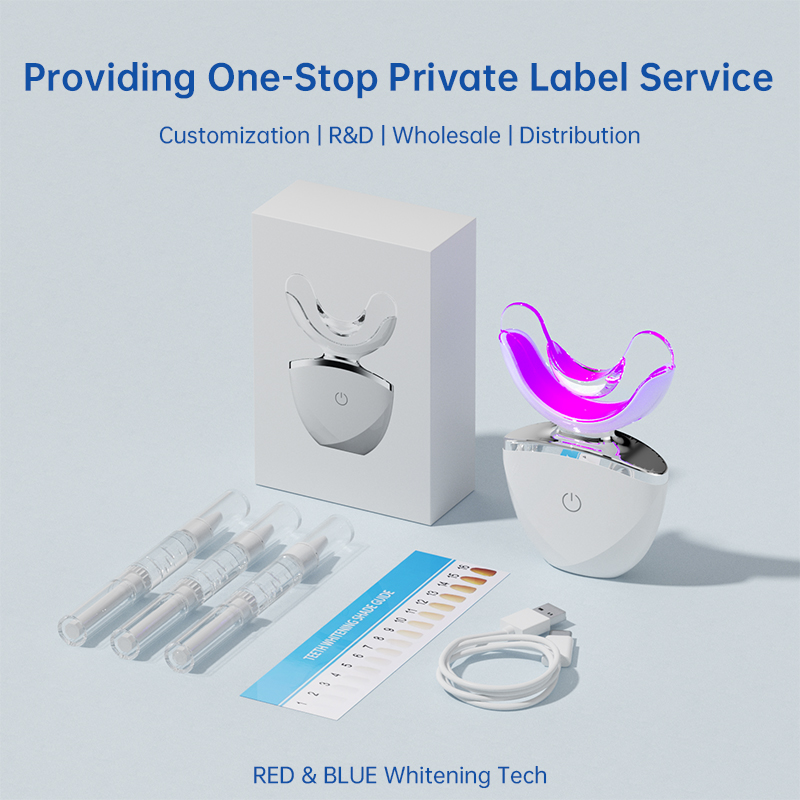
Need Electric Toothbrush Replacement Heads Bulk and Electric Toothbrush Charger OEM Parts?
.jpg)
Gentle Sonic Vibrations Electric Toothbrush for Sensitive Teeth
Electric Toothbrush for Sensitive Teeth OEM Manufacturing for Oral Care Brands


.jpg)
.jpg)
.jpg)
.jpg)
.jpg)





.jpg)
.jpg)
.jpg)