In water-based oral care devices and precision fluid systems, nozzle clogging is more than just a maintenance nuisance—it’s a primary trigger for pressure loss, leading to a sharp decline in performance, efficiency, and user satisfaction. For OEMs and B2B product manufacturers, understanding this chain reaction is critical to optimizing product reliability and lifecycle cost.
Nozzle clogging refers to the partial or complete obstruction of fluid exit pathways due to the accumulation of debris, scale, gel residue, or biological contaminants. This is particularly common in:
Even minor buildup can disrupt flow dynamics, altering the pressure distribution and triggering downstream performance issues.
When a nozzle becomes constricted, the system compensates by altering internal flow rates. The results include:
Simply put, pressure loss is not always due to pump failure—it often starts at the nozzle. Company web:https://www.powsmart.com/product/electric-toothbrush/
Key contributors to nozzle clogging include:
Each of these root causes can be traced back to design, formulation, or usage environment—areas within control for B2B engineering teams.
1-1024x683.jpg)
To reduce pressure loss risk, manufacturers should consider:
Design foresight not only prevents failures but boosts the perceived quality and durability of the end product.
Ensuring long-term performance requires proactive QA practices, such as:
These procedures can be integrated into inline production checks or post-assembly audits.
For manufacturers serving OEM clients, it’s important to:
Transparent collaboration increases trust and reduces service costs for both parties.
Nozzle clogging is a deceptively simple issue that can severely undermine product functionality through subtle but persistent pressure loss. For B2B product developers, the key lies in predictive design, robust materials, and proactive testing. By addressing clogging early, manufacturers can preserve performance, protect reputations, and ultimately strengthen long-term partnerships. Contact us
Why Do Dentists Recommend Dental Irrigators? Only by Cleaning Properly Can You Protect Your Mouth
How to Compare Electric Toothbrush Suppliers When Selecting a Philips Sonicare Supplier Wholesale?
.jpg)
Do Water Flossers Actually Remove Hard Plaque? An OEM Manufacturer’s Insight
.jpg)
Biofilm Regrowth Inducing pH Imbalance – Vicious Cycle?
.jpg)
Why Is Smart Toothbrush APP Development Crucial for Rechargeable Toothbrush Battery Optimization?
Can the Elderly Use Electric Toothbrushes?
Boston Electric Toothbrush Dental Office Recommended
How long do at-home teeth whitening products last?
electric toothbrush with fast charging OEM
Future Trends of Electric Toothbrush Production: Intelligent, Environmentally Friendly, and Core Competitiveness Enhancement
American Electric toothbrush manufacturer
.jpg)
Are Electric Toothbrushes Allowed in Carry-On Luggage? A Guide for Travel Brands
Portable Electric Toothbrush with Case OEM
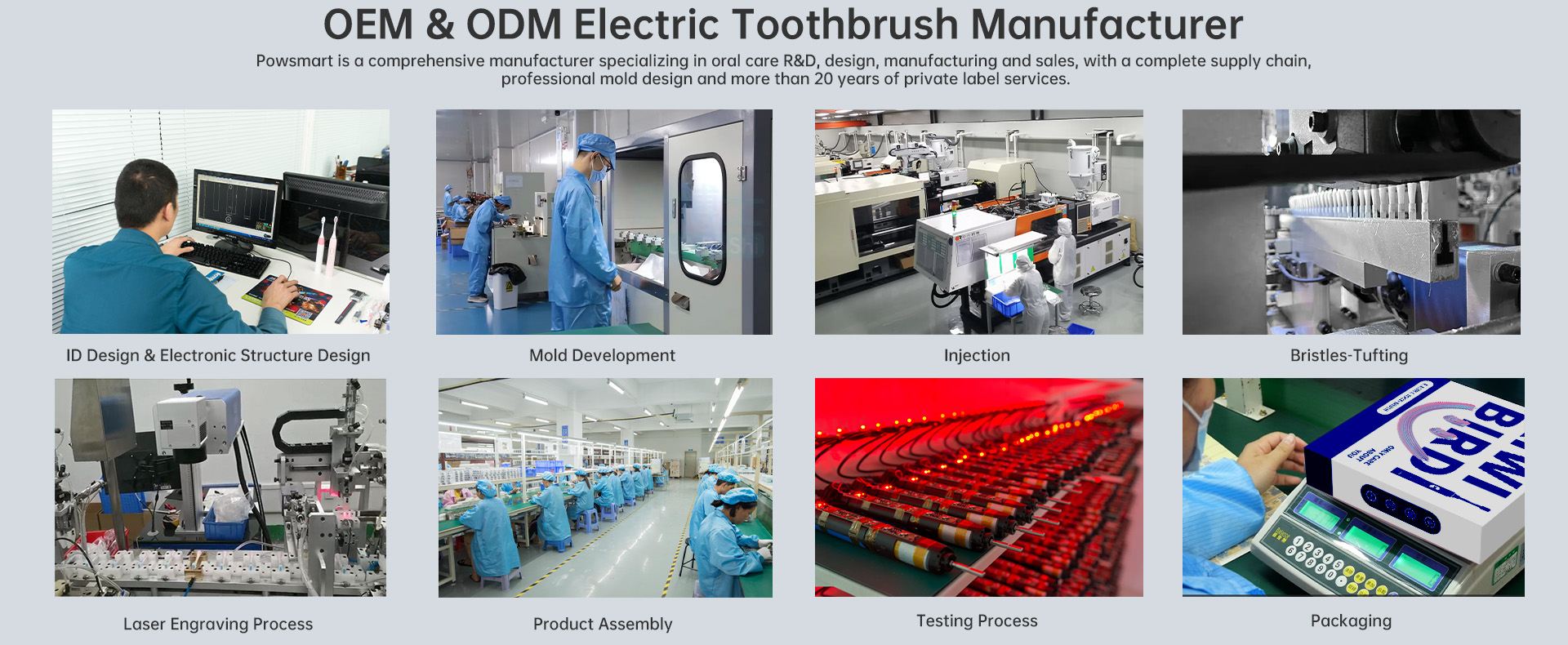
Electric Toothbrush Factory Customization Service Case Sharing: Successful Brand Customization Experience
USB-C Charging Electric Toothbrush OEM
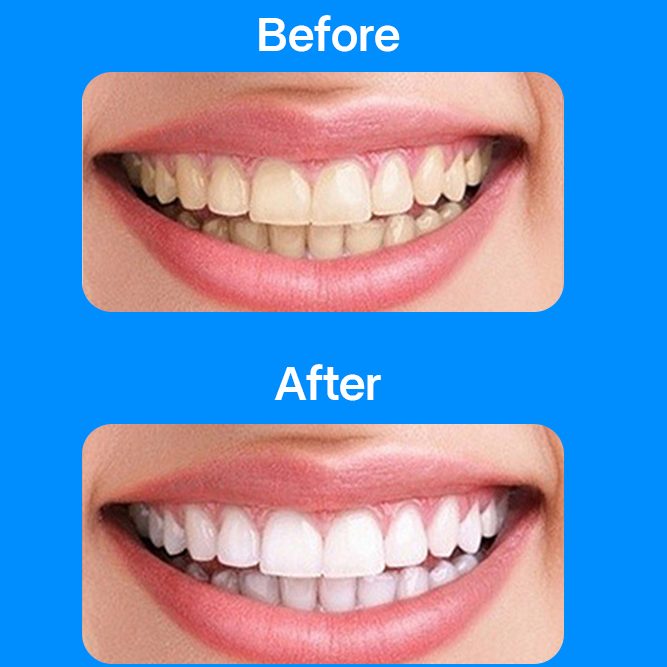
Comparing Different Types of Teeth Whitening Devices Pros and Cons from Manufacturers


.jpg)
.jpg)
.jpg)
.jpg)
.jpg)






.jpg)
.jpg)