Info Center
Home » powsmart Electric Toothbrush blog » Natural Oral Care Trends Analyzed

Natural Oral Care Trends Analyzed

Date:2026-02-25
A thorough natural oral care products analysis is essential for anyone switching to natural dental care. Not all trending natural ingredients live up to their hype. Some may even pose risks to your enamel and gum health. Natural oral care has exploded in popularity. Consumers want products free from synthetic chemicals and harsh abrasives. From charcoal toothpaste to coconut oil pulling, these trends promise a “natural” path to a healthy smile. It’s important to separate evidence-based benefits from marketing claims. Understanding which natural ingredients are safe and effective is key to building a healthy routine. For natural oral care products crafted with safe, effective ingredients, visit https://www.powsmart.com/.

Charcoal Toothpaste: Stain Removal vs. Enamel Risk

Charcoal toothpaste is one of the most popular natural oral care trends. It’s marketed to “naturally whiten teeth” and remove stains from coffee, wine, and tobacco. Charcoal is a porous material. It has mild abrasive properties that can lift surface stains from enamel. This makes it effective for brightening dull smiles from external discoloration.
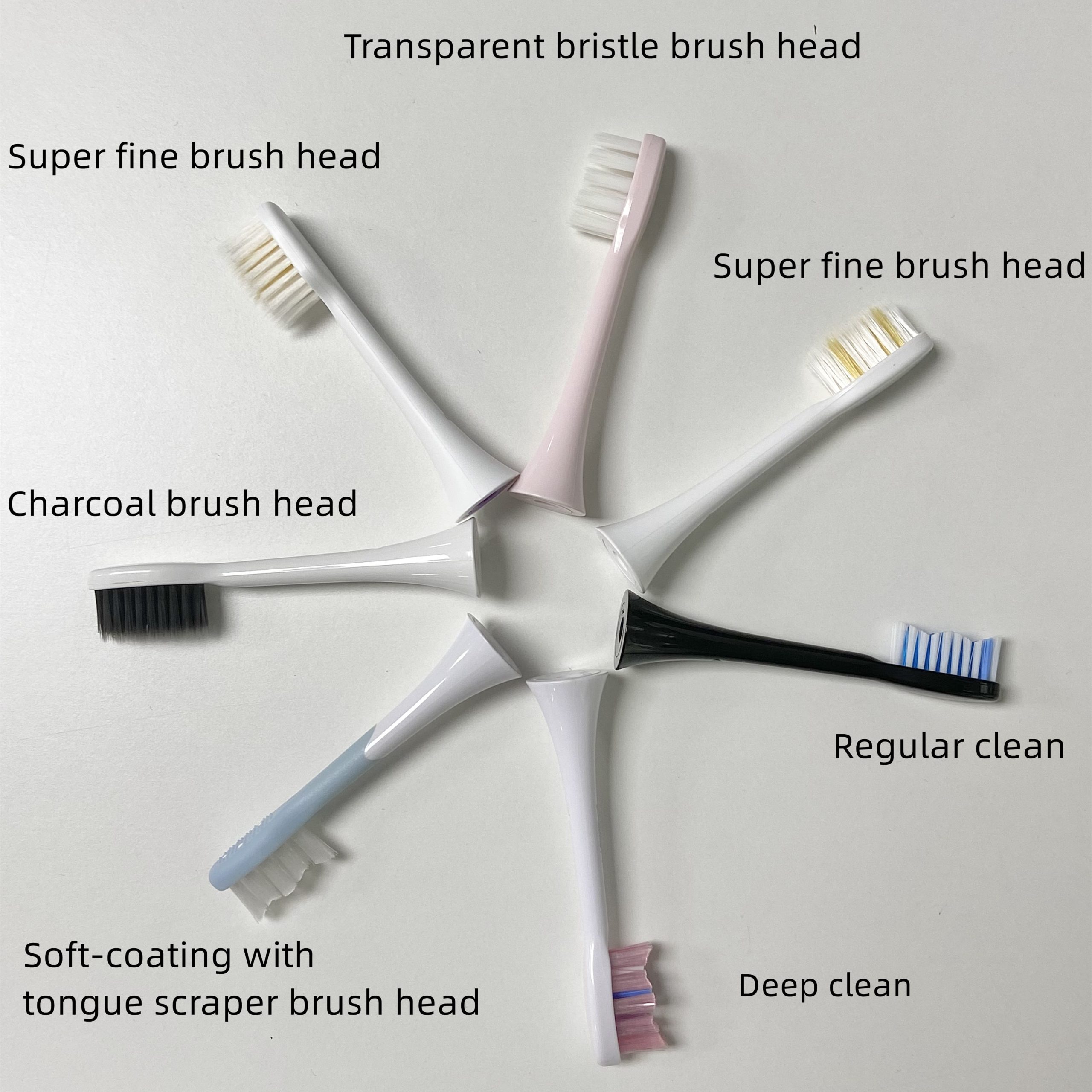
However, charcoal toothpaste has no bleaching properties. It can’t lighten teeth beyond their natural shade. The biggest concern is its abrasiveness. Many unregulated charcoal toothpastes have a high abrasivity rating. This can scratch enamel over time. It makes teeth more prone to sensitivity, staining, and cavities. When using charcoal toothpaste, choose a regulated formula. Use it only occasionally (1–2 times per week) with a soft-bristle brush to minimize enamel damage.

Baking Soda: Safe Abrasion and Acid Neutralization

Baking soda is a staple in natural oral care. It’s one of the few natural ingredients with well-documented dental health benefits. Baking soda (sodium bicarbonate) is a mild abrasive. It safely removes surface stains. It also neutralizes mouth acid that causes cavities and erodes enamel.
Unlike charcoal, baking soda has a low abrasivity rating. This makes it safe for daily use. It’s a common ingredient in both natural and conventional toothpastes. It offers whitening and cavity-fighting properties. The only downside is that baking soda alone does not contain fluoride. Fluoride is essential for strengthening enamel and preventing cavities. If you use a baking soda-based toothpaste, ensure it’s fortified with fluoride. Or pair it with a fluoride mouthwash to keep your teeth protected.

Coconut Oil Pulling: Antibacterial Benefits (As a Supplement)

Coconut oil pulling is a traditional natural practice. It has gained mainstream popularity for its purported antibacterial and gum-healing benefits. The practice involves swishing a tablespoon of coconut oil in your mouth for 10–15 minutes daily. Proponents claim it kills bacteria that cause plaque, gingivitis, and bad breath.
Coconut oil contains lauric acid. This fatty acid has natural antibacterial properties. Small studies show oil pulling can reduce plaque and mild gum inflammation. It works best as a supplement to regular brushing and flossing. It’s not a replacement for conventional dental care. It can’t remove plaque as effectively as brushing or flossing. It also does not contain fluoride. Use it as an add-on to your routine, not a substitute.

Herbal Mouthwashes: Gentle Freshening (Without Fluoride)

Herbal mouthwashes are another popular natural trend. They’re made with ingredients like tea tree oil, peppermint, and chamomile. They’re marketed as a chemical-free alternative to conventional mouthwashes that often contain alcohol.
Alcohol-free herbal mouthwashes are a great choice for anyone with sensitive gums. Alcohol can dry out the mouth and cause irritation. Many herbal ingredients have natural freshening and antibacterial properties. Tea tree oil kills bacteria that cause bad breath. Peppermint provides a fresh, clean flavor without artificial additives.
Like other natural products, most herbal mouthwashes do not contain fluoride. They shouldn’t be used as a replacement for a fluoride-containing mouthwash for cavity prevention.

Building a Safe, Effective Natural Oral Care Routine

When building a natural oral care routine, prioritize ingredients with proven benefits. Avoid unregulated products with excessive abrasiveness or unsubstantiated claims. Always look for natural products that are third-party tested. When possible, choose products fortified with fluoride. This ensures your teeth and gums stay protected.
A thoughtful natural oral care products analysis lets you embrace the natural trend without sacrificing your smile’s health. You can create a routine that’s both eco-friendly and effective.