For B2B product teams and OEM/ODM partners, the words Medical professional brush and Surgical grade toothbrush are sometimes used interchangeably — but they point to very different engineering, regulatory and commercial requirements. Below I unpack six clear dimensions so you can specify the right product for clinics, hospitals or retail-medical channels and avoid costly rework.
First and foremost, start with purpose. A Medical professional brush designed for routine clinical oral care: hygiene checks, patient home-care instruction, or chairside cleaning by dental staff. By contrast, a Surgical grade toothbrush is intended for peri-operative or high-acuity environments where minimising microbial loads (pre-op mouth prep, instrumentation suites) and sterility/traceability are essential.
Therefore:
Next, materials differ by risk and lifecycle. For a Medical professional brush you typically see durable, cleanable polymers and corrosion-resistant metals suitable for frequent disinfection. For a Surgical grade toothbrush materials and surface chemistry are chosen to be sterilizable and non-reactive:
In short, surgical grade equals higher material scrutiny and traceable certificates. Company web: https://www.powsmart.com/product/electric-toothbrush/
Crucially, the Surgical grade toothbrush must meet sterility workflows. That drives process and cost:
By contrast, a Medical professional brush may ship non-sterile with cleaning/disinfection instructions and a validated reprocessing SOP for clinic reuse.
Regulatory pathways separate the two categories:
Therefore, early engagement with regulatory and QA is mandatory when you intend to supply surgical grade items to hospitals.
Design choices follow the lifecycle model:
Commercial teams must model total cost of ownership (per patient use) and environmental impact when proposing either route.
Finally, what you prove drives adoption:
Hospitals and clinics will evaluate both specs and operational fit — not just “looks nice.”
If you’re deciding which product to build or certify, use this checklist:
Bottom line: a Medical professional brush engineered for clinical hygiene and frequent use under standard disinfection regimes; a Surgical grade toothbrush is a higher-risk product that must meet sterility, material and regulatory standards for use in sterile or peri-operative environments. Treat them as separate product families — not mere finish or branding variants — to avoid compliance gaps and ensure clinical adoption.
.jpg)
.jpg)
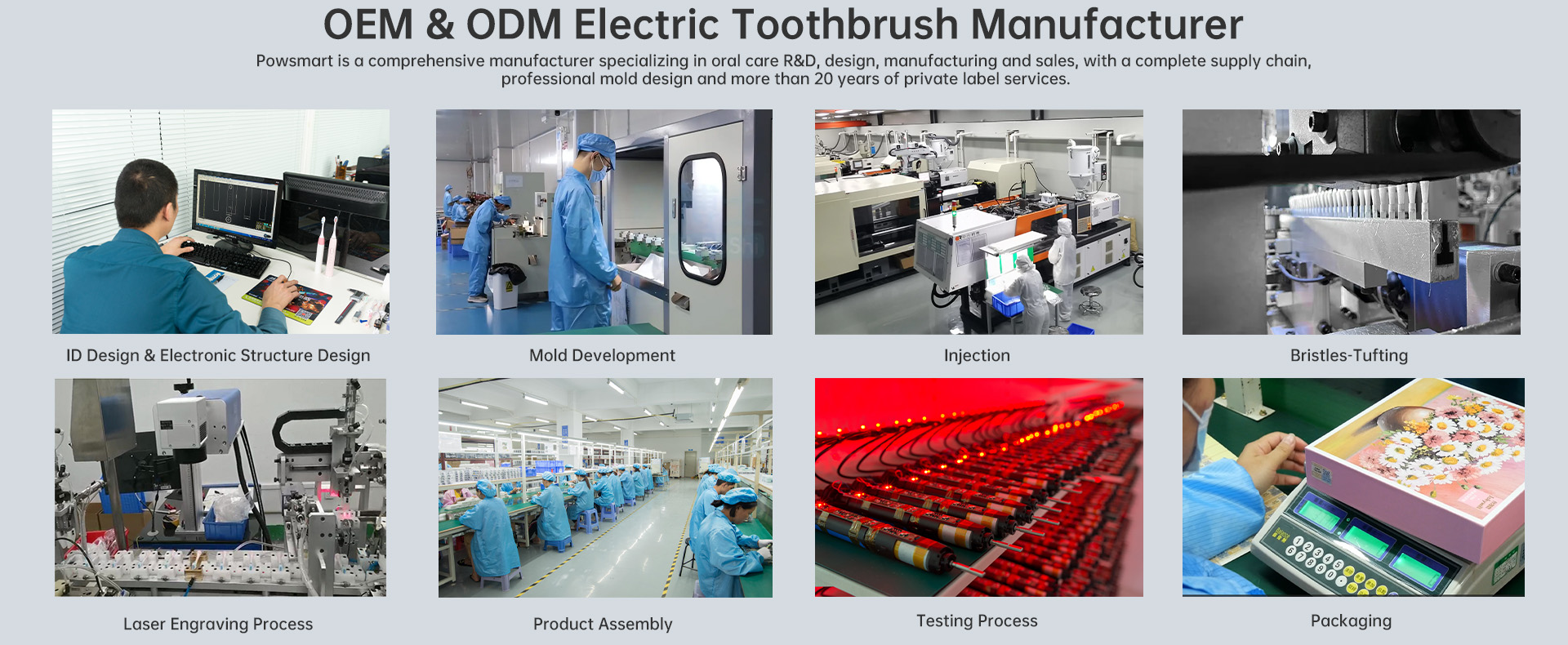
Why Choose Us? 5 Reasons to Trust the Manufacturer of Oral Care Products
.jpg)
How to Build a Private Label Sonic Toothbrush Product That Fits Your Market
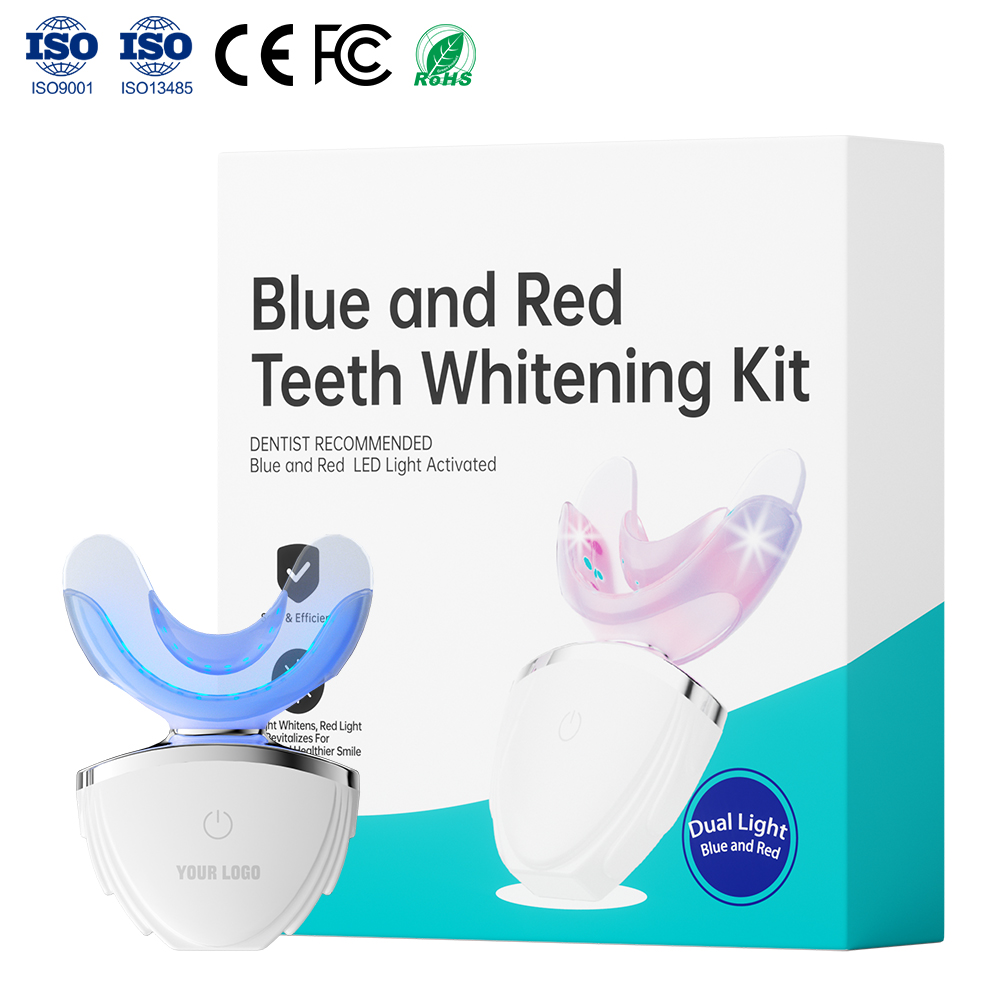
Why Use a Customer Review Monitoring Tool Alongside Net Promoter Score Tracking?

Does an Exclusive Technology Transfer Deal Include a Subscription Management Platform for Consumables?
Bulk Teeth Whitening Kit Manufacturer for Global Distributors
-2-scaled.png)
Clinical Validation of Modern Teeth Whitening Technologies: A Guide for Oral Care Product Brands
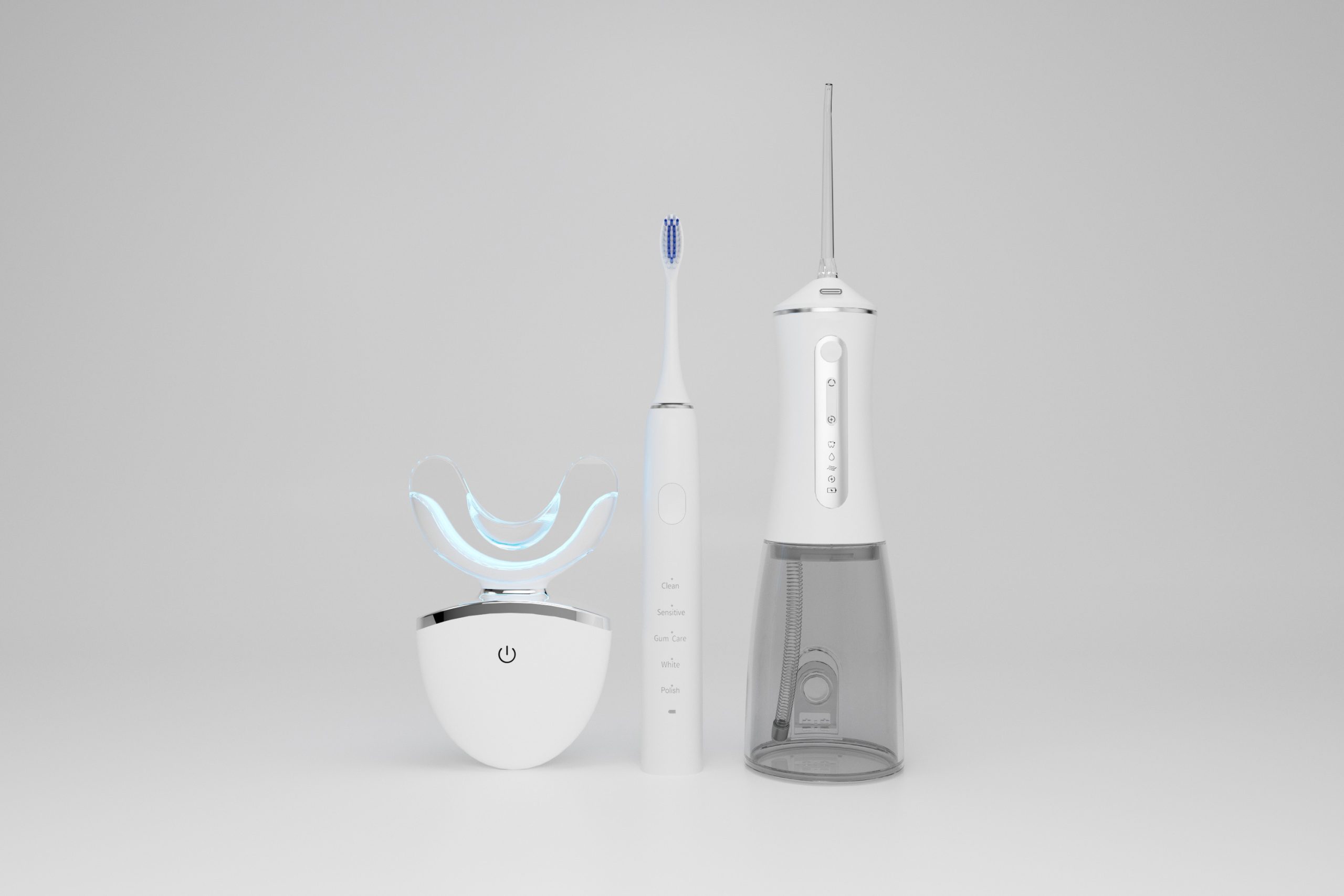
What Are the Common Points in the Production Process of Dental Irrigators and Electric Toothbrushes?
Teeth Whitening Device Tooling Cost — What B2B Buyers Should Plan For

The Secret of Cross-Border Brands: The Global Competitiveness of Chinese Electric Toothbrush Factories
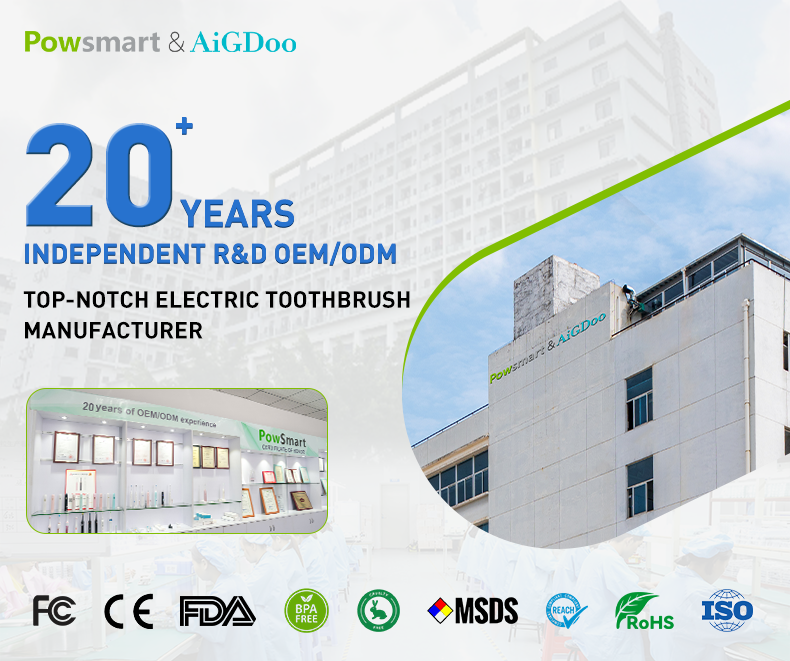
Does a Pay-per-use Licensing Model Benefit from a Channel Co-marketing Program?
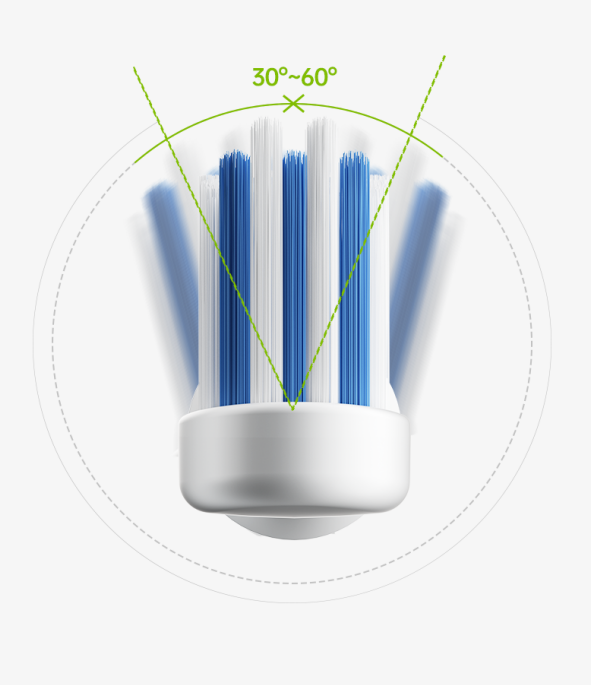
5 reasons for brands to enter the electric toothbrush industry in 2024
.jpg)
Before or After Brushing? Solving the Water Flosser Sequence for Your OEM Brand

Can Bluetooth Toothbrush Tracking Paired with a Smart Dental Coach Replace Your Dentist?
Whitening Rebound with Gel Crystallization – Preventable?
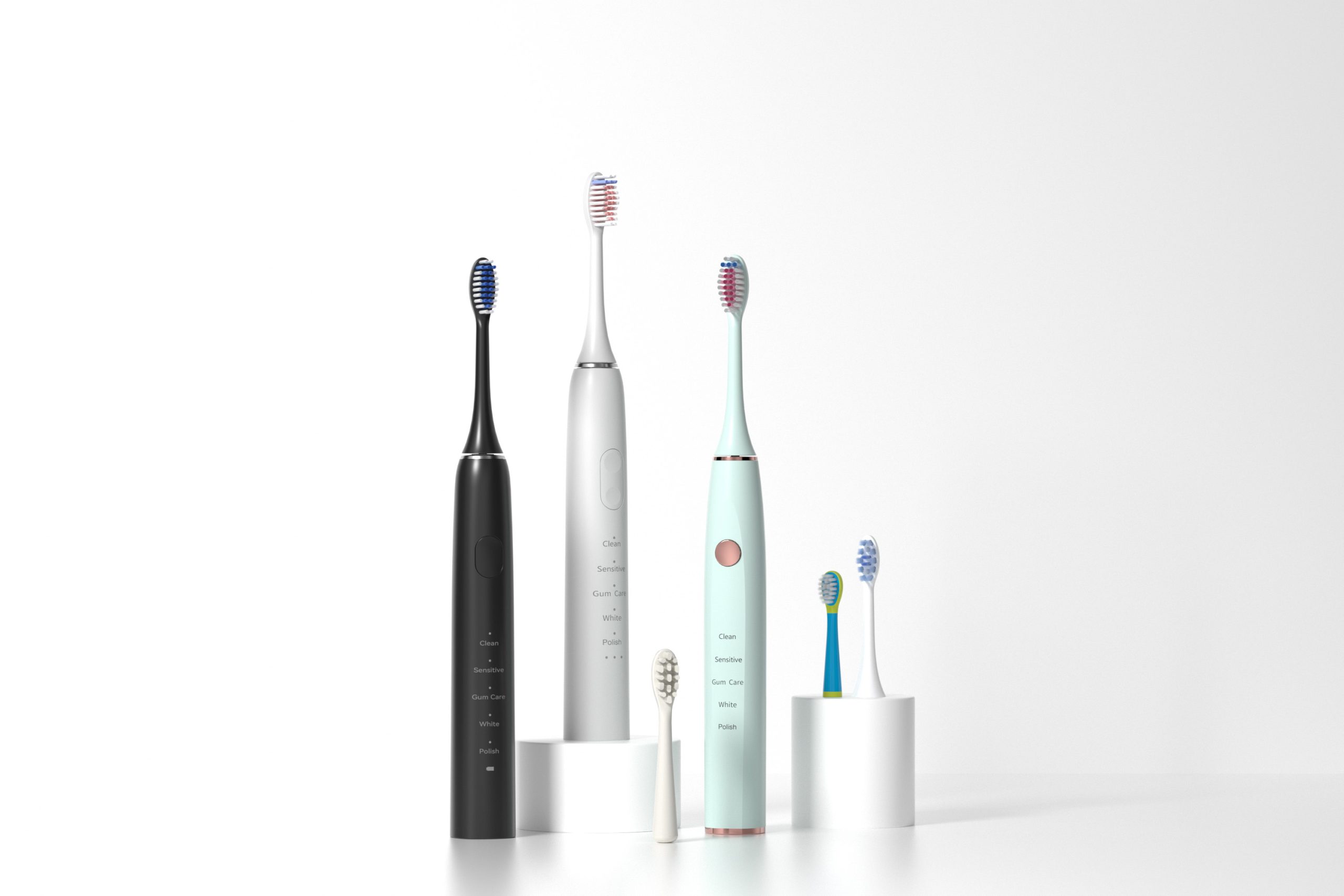
Can an electric toothbrush Houston truly elevate your Houston dental care routine?

Branding vs Private Label: Which Model is Better for You?


.jpg)
.jpg)
.jpg)
.jpg)
.jpg)