For modern oral care products—electric toothbrushes, water flossers, and portable whitening devices—the charging method has become more than a functional choice. It’s a brand experience decision that affects user satisfaction, cost structure, and long-term reliability.
This article provides a magnetic vs USB-C charging analysis, focusing on how OEM decision makers can strike the right OEM value balance between innovation, compatibility, and production efficiency.
Magnetic charging systems have become a hallmark of premium oral care devices. By eliminating direct contact points, they offer several key advantages:
Waterproof and hygienic: Ideal for bathroom environments with high moisture exposure.
Seamless user experience: Simply place the device near the charging dock; no need to align ports.
Aesthetic flexibility: Enables smoother surfaces and sleek, minimalist designs.
However, magnetic solutions typically involve higher charging solution costs due to specialized components, tooling requirements, and assembly precision. For brands targeting the premium segment, this investment can reinforce perceived quality and justify higher retail pricing.
On the other hand, USB-C charging is rapidly becoming the global standard across consumer electronics. For oral care product manufacturers, this offers multiple operational and market advantages:
Universal compatibility: Users can reuse existing chargers, reducing packaging needs.
Lower production cost: Readily available components and simplified supply chains help minimize the charging solution cost.
Regulatory compliance: Many regions, such as the EU, now mandate USB-C for electronic products, which improves export readiness.
For mass-market products or mid-tier OEM lines, USB-C charging represents a universal and scalable solution that aligns with user familiarity and global regulations.
Choosing between magnetic and USB-C charging is not just about technology—it’s about aligning with brand identity and customer expectations.
Premium vs Universal: A magnetic charger signals exclusivity and sophistication, while USB-C communicates practicality and openness.
OEM value balance: Decision makers must evaluate how design investment, tooling cost, and user experience align with overall product strategy.
Lifecycle cost: Magnetic systems may reduce warranty claims due to sealed designs, while USB-C simplifies replacements and aftermarket support.
When assessing total charging solution cost, OEMs should look beyond unit prices:
Tooling & Integration: Magnetic systems may require custom molds; USB-C can often use standardized modules.
Vendor Ecosystem: Selecting a factory with experience in either system can significantly affect cost efficiency and yield rate.
Scalability: USB-C production is easier to scale globally, while magnetic charging might involve regional component sourcing.
Working closely with an experienced oral care OEM manufacturer allows brands to evaluate both charging options through prototyping and life-cycle testing, achieving an optimized OEM value balance between performance, price, and perception.
In summary, the magnetic vs USB-C charging analysis reveals no one-size-fits-all answer.
For premium brands, magnetic charging enhances perceived value and waterproof performance.
For volume-driven OEMs, USB-C offers unmatched universality and cost advantages.
The right choice depends on your target market, brand positioning, and charging solution cost priorities.
Partnering with a specialized oral care OEM manufacturer who understands both technologies ensures your next-generation toothbrush or flosser delivers not just clean teeth—but a clean, competitive edge.
.jpg)
How Does a Water Flosser OEM Enhance the Efficacy of a Dental Water Flosser for Clinical Use?
.jpg)
Can Sustainable Water Flosser Material Sourcing Enhance Water Flosser Design Services?
Electric Toothbrush Battery Life: A Key OEM Consideration for Product Competitiveness
The Secret Behind Japanese Toothbrushes’ Softness & Its Global OEM Appeal
Why Partner with Water Flosser Nozzle Production Experts and Water Flosser Pump Suppliers?
How Can a Reliable Brush Head Supply Chain Support a Subscription Business Model?
.jpg)
Need Toothbrush Innovation Partners or Just Toothbrush Technology Partners?
.jpg)
Battery Powered Electric Toothbrush Bulk | Reliable B2B Supplier
Replaceable Head Sonic Toothbrush for OEM | Sustainable & Cost-Effective Oral-Care Solutions
Sonic Toothbrush Frequency Control OEM Manufacturing Solutions
Rotating or Vibrating Toothbrush: Which Is Better for Your OEM Brand Strategy?

Electric Toothbrush Manufacturers Tell You the Truth About Charcoal Toothbrush Heads
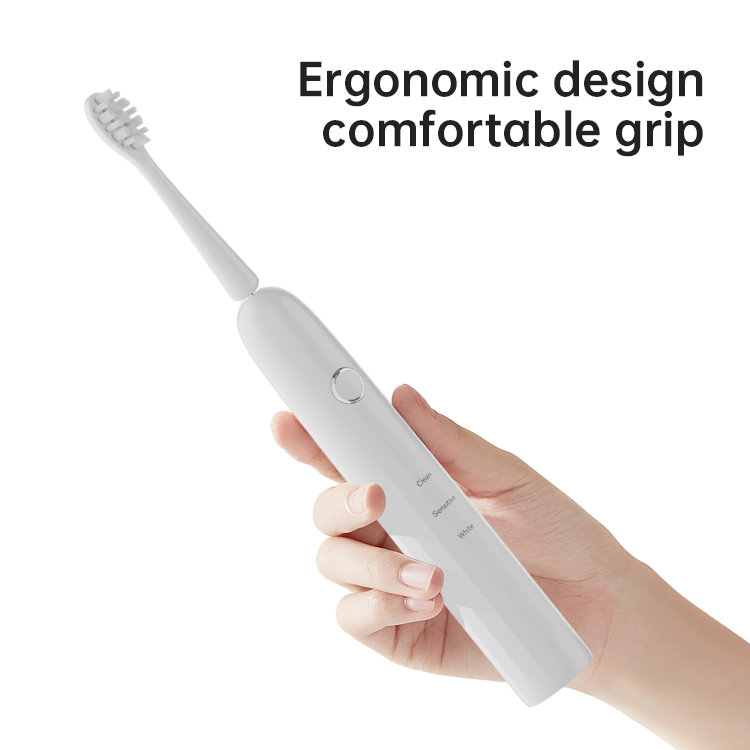
Optimizing Electric Toothbrush Shape: An OEM Guide to Grip and Maneuverability
Why Include a Teeth Shade Guide with a Professional Salon Whitening Device?
Quiet Operation Electric Toothbrush for OEM | Low-Noise Sonic Cleaning for Premium Markets
Adult Smart Toothbrush OEM | Connected Brushing Technology for Modern Consumers


.jpg)
.jpg)
.jpg)
.jpg)
.jpg)






.jpg)