A Magnetic Levitation Motor offers a unique advantage by reducing friction through the use of magnetic fields, which enhances performance, efficiency, and lifespan. However, despite the reduction in friction, vibrations can still occur, leading to noise and potential wear. This is where Vibration Damping Technology can make a significant impact. By incorporating vibration damping techniques into the design of magnetic levitation motors, manufacturers can further optimize the performance and longevity of their products.
Magnetic Levitation Motors use magnetic fields to levitate the rotor, eliminating physical contact between moving parts. This allows for smoother operation and less friction, resulting in higher efficiency and lower maintenance. However, even with the reduction of friction, other factors such as external forces and the design of the motor can lead to vibration, which could negatively affect motor performance.
Vibration in motor systems, if left unchecked, can lead to several undesirable outcomes, including mechanical wear, decreased efficiency, and increased noise levels. Vibration Damping Technology is designed to absorb and minimize these vibrations, ensuring the motor runs smoothly and quietly. For Magnetic Levitation Motors, which are often used in precision equipment, reducing vibrations is particularly crucial to maintain performance and precision.
Integrating Vibration Damping Technology into a Magnetic Levitation Motor can significantly improve its operation by minimizing the effects of unwanted oscillations. Materials like elastomers, foams, or other composite damping components can be placed at strategic points to absorb vibration energy. This leads to smoother motion, reduced noise, and lower stress on the motor components, enhancing the overall performance.
One of the primary advantages of using Vibration Damping Technology in a Magnetic Levitation Motor is noise reduction. Motors, particularly those used in consumer electronics, automotive applications, or medical devices, must operate quietly. The combination of magnetic levitation and vibration damping helps in reducing noise levels that would otherwise result from high-speed rotations or oscillations, thus improving user experience.
By reducing vibrations, Vibration Damping Technology helps prevent unnecessary mechanical stress on the components of a Magnetic Levitation Motor. This can significantly extend the lifespan of the motor. Since excessive vibrations can lead to fatigue in parts, dampening them leads to fewer repairs and lower operational costs, making the motor more reliable in the long term.
Magnetic Levitation Motors are often employed in high-precision applications where stability and accuracy are paramount, such as in robotics, medical devices, and semiconductor manufacturing. By integrating Vibration Damping Technology, manufacturers can improve motor stability. This ensures that the motor performs optimally under demanding conditions, where even minor vibrations could impact the system’s accuracy.
Incorporating Vibration Damping Technology into Magnetic Levitation Motors is a highly effective strategy for enhancing performance. Whether used in consumer electronics, medical devices, or industrial applications, these combined technologies can provide significant benefits. Manufacturers that embrace this integration can offer superior products that meet the growing demands of modern technology. Contact us
.jpg)
Travel Size Electric Toothbrush Wholesale
Should I use an oral irrigator before or after brushing my teeth?
Food-Grade Silicone Vulcanization Brush Heads: Hygienic & Long-Lasting Design
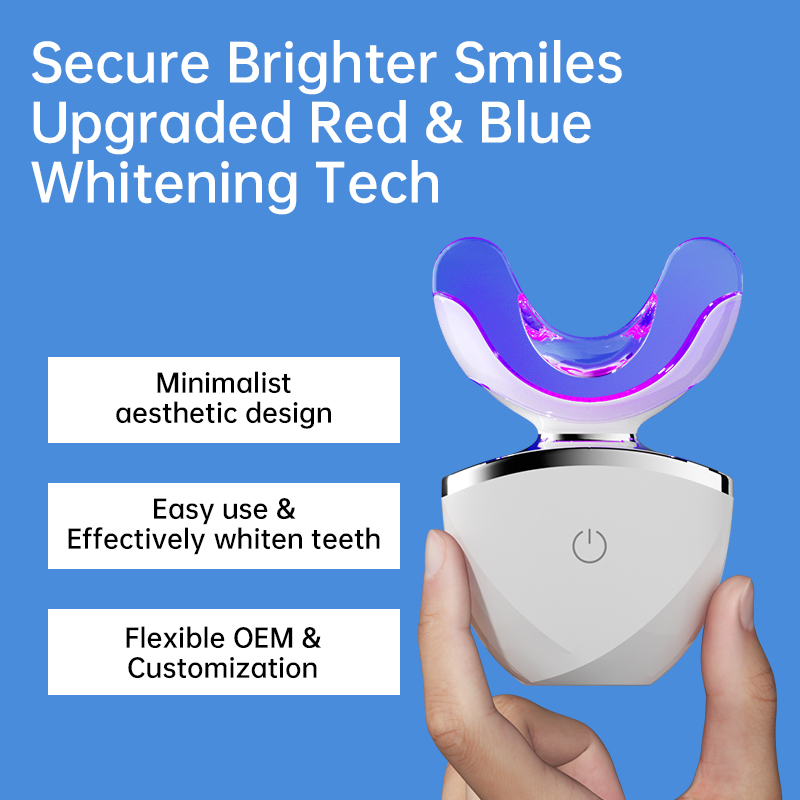
LED Teeth Whitening Device Manufacturer for OEM & Private Label
California Sensitive Teeth Relief – San Francisco Sale Live?
Pump Failure Plus Tank Leakage – Terminal Malfunction or Preventable Issue?
.webp)
How Does Sonic Toothbrush Technology Integrate with a Smart Toothbrush App for Data-Driven Care?
Status Symbol Electric Toothbrush for Business Owners
What Should I Look for in a Water Flosser? A Manufacturer’s Guide for Smart Sourcing
How Does OEM Whitening Kit Development Cater to a Portable Whitening Kit Supplier’s Needs?
Why Add a UV Sanitizing Component When Oral Care Kit Bundling for Travel?
Why Is Regular Colorimeter Calibration Essential for Measuring Opalescence Enhancement in Whitening Treatments?
Fast Lead Time Electric Toothbrush Supplier for Global B2B Buyers
Red Blue Light Teeth Whitening Device OEM Manufacturing
Swivel Blockage Leading to Saliva Depletion – Preventable?
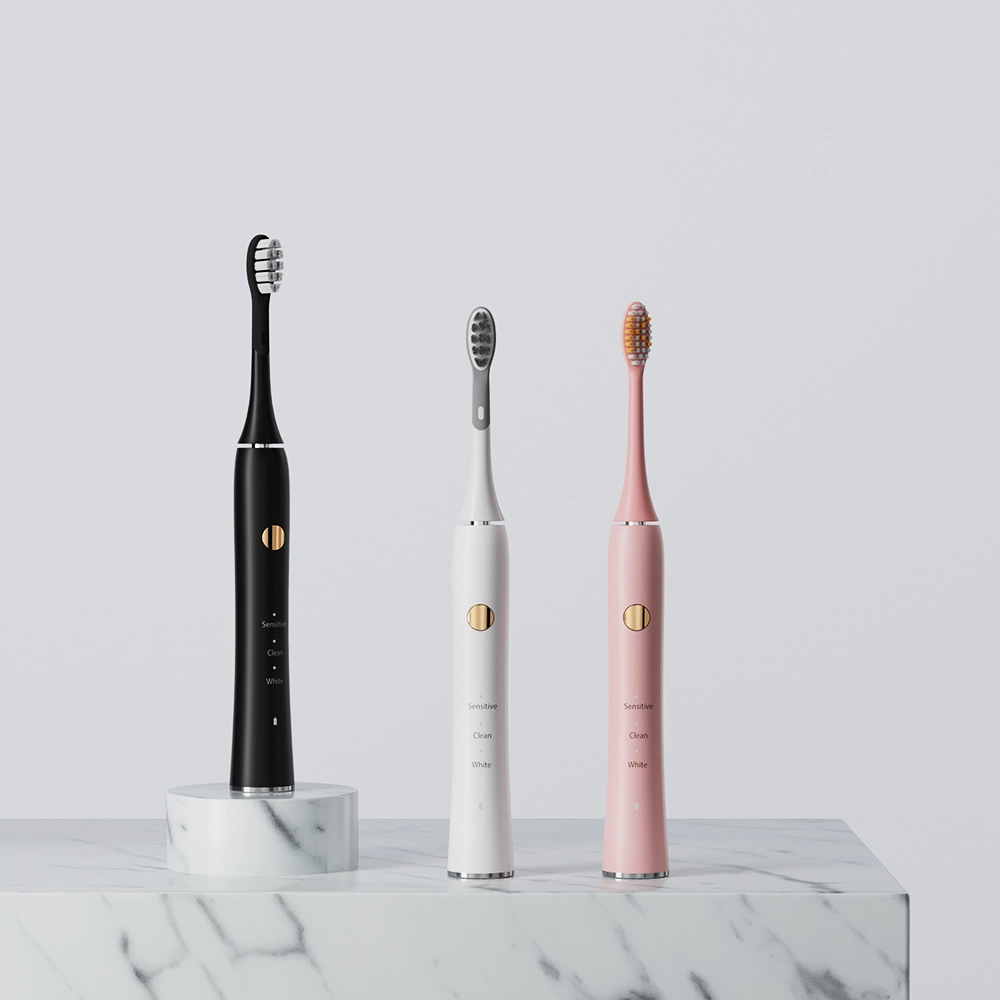
Strategies for Optimizing Supply Chain Management in Electric Toothbrush Factories


.jpg)
.jpg)
.jpg)
.jpg)
.jpg)






.jpg)