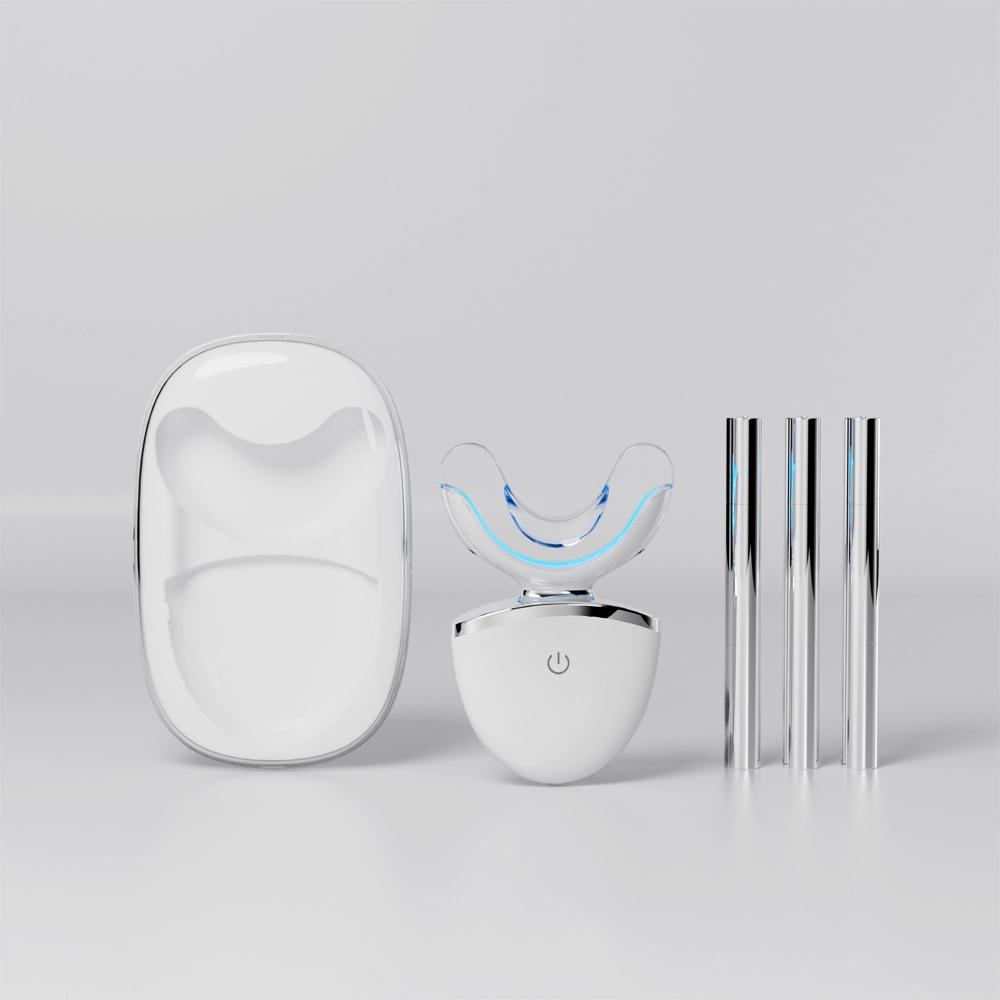
In modern teeth whitening systems, safety is closely tied to how light-based technologies are applied. The choice of LED Wavelength plays a critical role in determining whether a whitening solution can be considered truly Enamel Safe. For B2B manufacturers and OEM partners, understanding the relationship between wavelength selection, material interaction, and enamel protection is essential for developing safe and effective products.
Different LED Wavelength ranges interact with dental tissues in distinct ways. Selecting an appropriate wavelength allows effective activation of whitening agents while minimizing direct impact on enamel structure, supporting Enamel Safe performance.
An unsuitable LED Wavelength can generate excessive heat or unwanted photochemical reactions. Proper wavelength selection reduces these risks, helping ensure whitening treatments remain Enamel Safe during repeated use.
The effectiveness of whitening relies on precise activation rather than higher intensity. A targeted LED Wavelength enables efficient gel activation without overexposing enamel, reinforcing Enamel Safe system design.
Whitening systems designed around specific LED Wavelength parameters can work effectively with gentler formulations. This compatibility helps reduce enamel stress and supports Enamel Safe product positioning.
Enamel safety must demonstrated through testing and validation. Using a well-defined Wavelength simplifies safety assessments and supports Enamel Safe claims in product documentation.
For OEM brands, emphasizing controlled Wavelength selection signals a commitment to safety. Products designed with Enamel Safe principles gain stronger trust and credibility in competitive whitening markets.
The specific Wavelength is a key factor in achieving truly Enamel Safe whitening solutions. By carefully selecting and validating wavelength parameters, B2B manufacturers and OEM partners can balance whitening effectiveness with enamel protection, delivering safer and more reliable products. Contact us
.jpg)
electric toothbrush with fast charging OEM
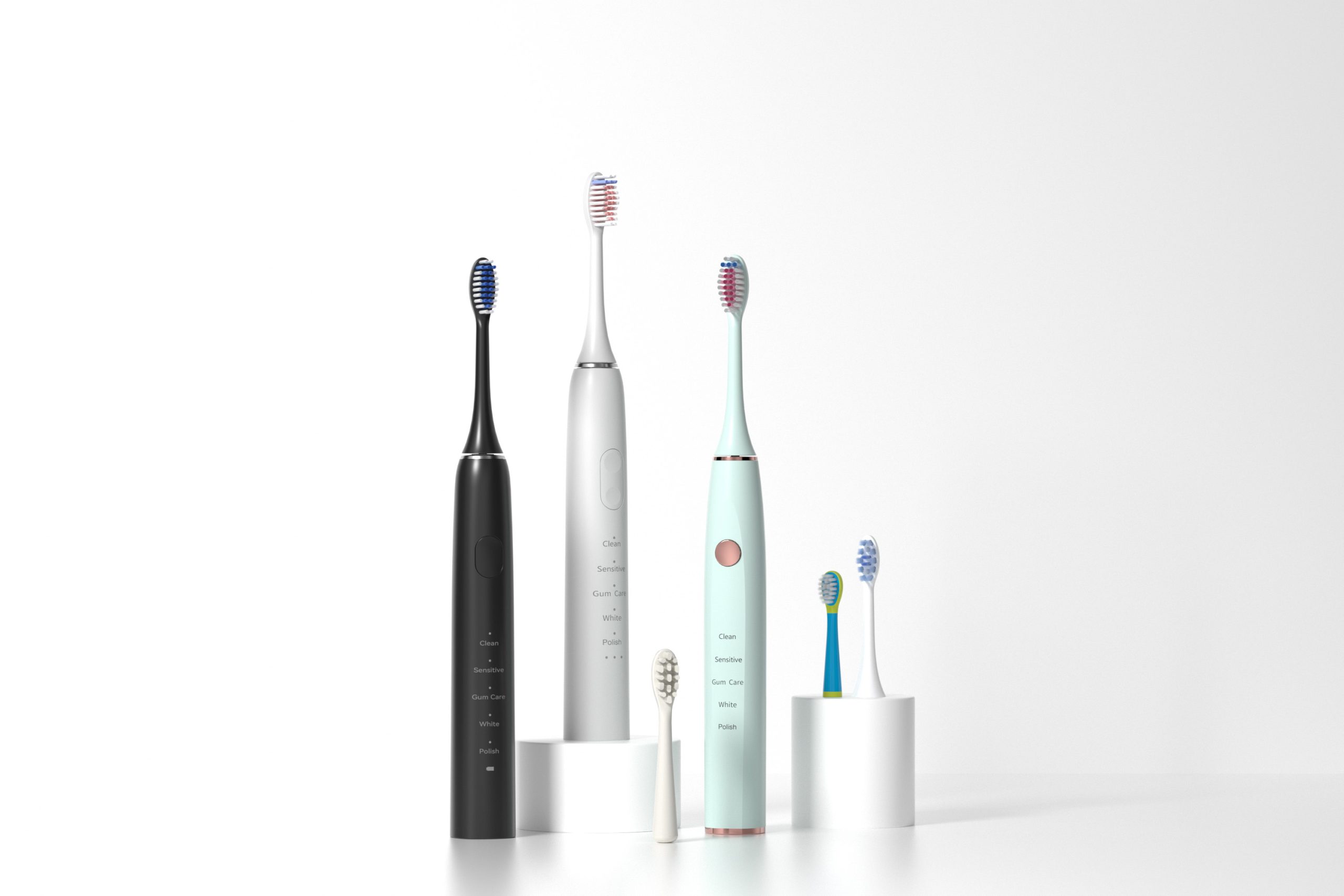
Multi-Packs and Family Sets – Electric Toothbrush OEM Packaging
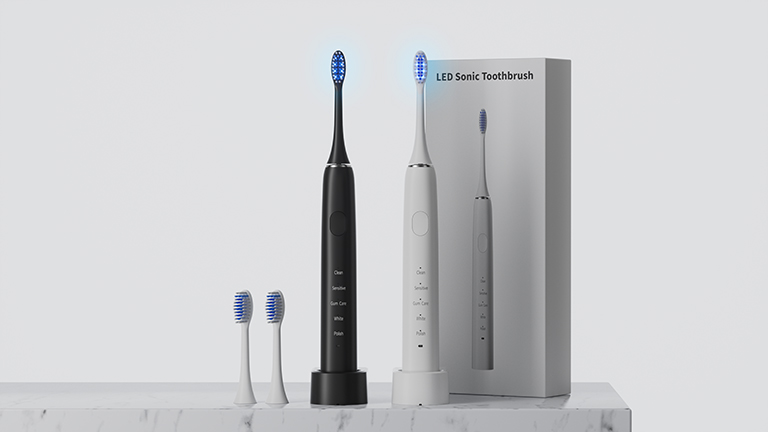
Dual-Color Light Therapy Toothbrush OEM – LED Oral-Care Innovation
Why Is a Dependable Toothbrush Battery Supplier Crucial for a Long-Lasting Toothbrush?
.jpg)
Houston sonic electric toothbrush bulk wholesale

Can a Whitening Device Manufacturer Develop an Integrated At-Home Whitening System?
multi-mode electric toothbrush supplier
Cordless Water Flosser Wholesale for Global Oral Care Distributors
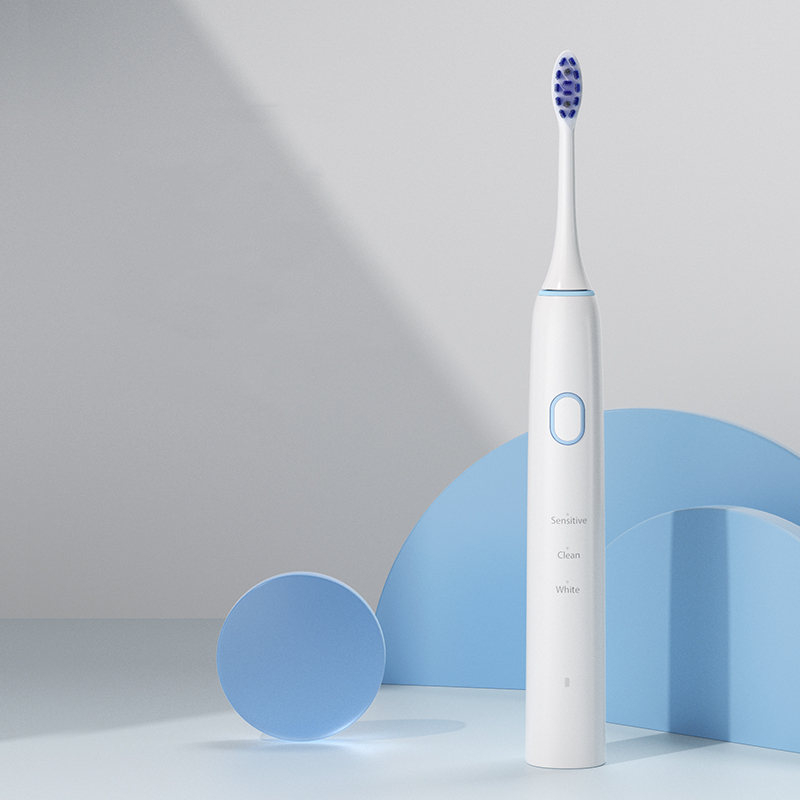
Houston electric toothbrush
.jpg)
How Does Desktop Irrigator Design Integrate an Anti-bacterial Hose for Long-term Hygiene?
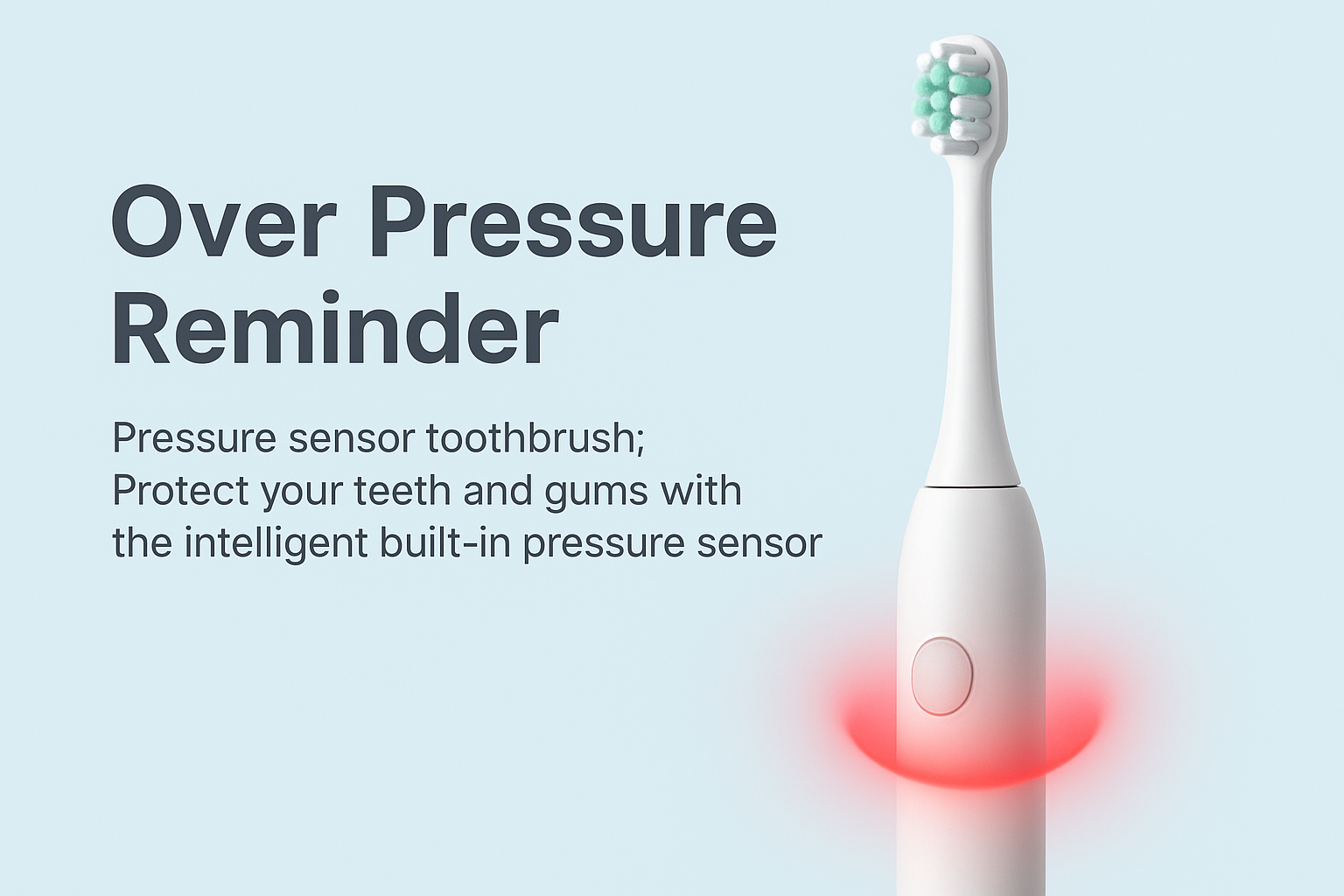
Can Angular Momentum Control and a Harmonic Drive System Revolutionize Electric Toothbrush Performance?

Does Jet Stream Precision Depend on Long-Term Hose Durability?
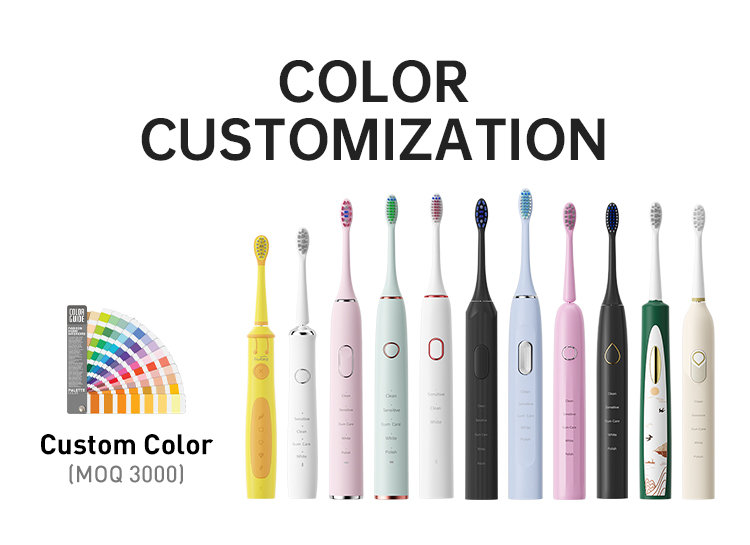
Does an FDA Approved Device Inherently Guarantee Sensitivity Reduction?
Cordless Water Flosser for Family Use – Portable Home Oral Hygiene Solutions
.jpg)
How Does a Water Flosser OEM Implement Quiet Flosser Technology for Home Use?
Oral Care Products Supplier in Houston TX


.jpg)
.jpg)
.jpg)
.jpg)
.jpg)







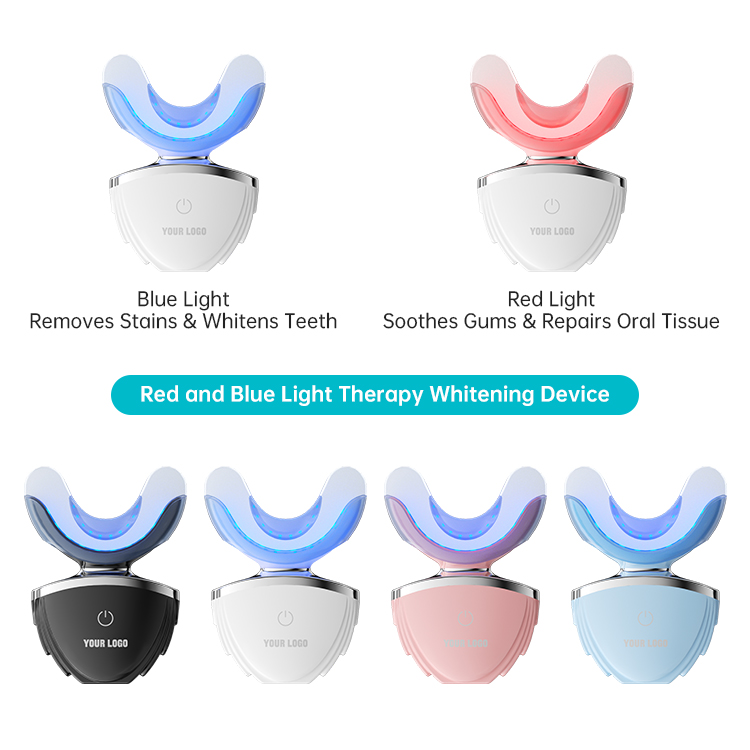
.jpg)
.jpg)