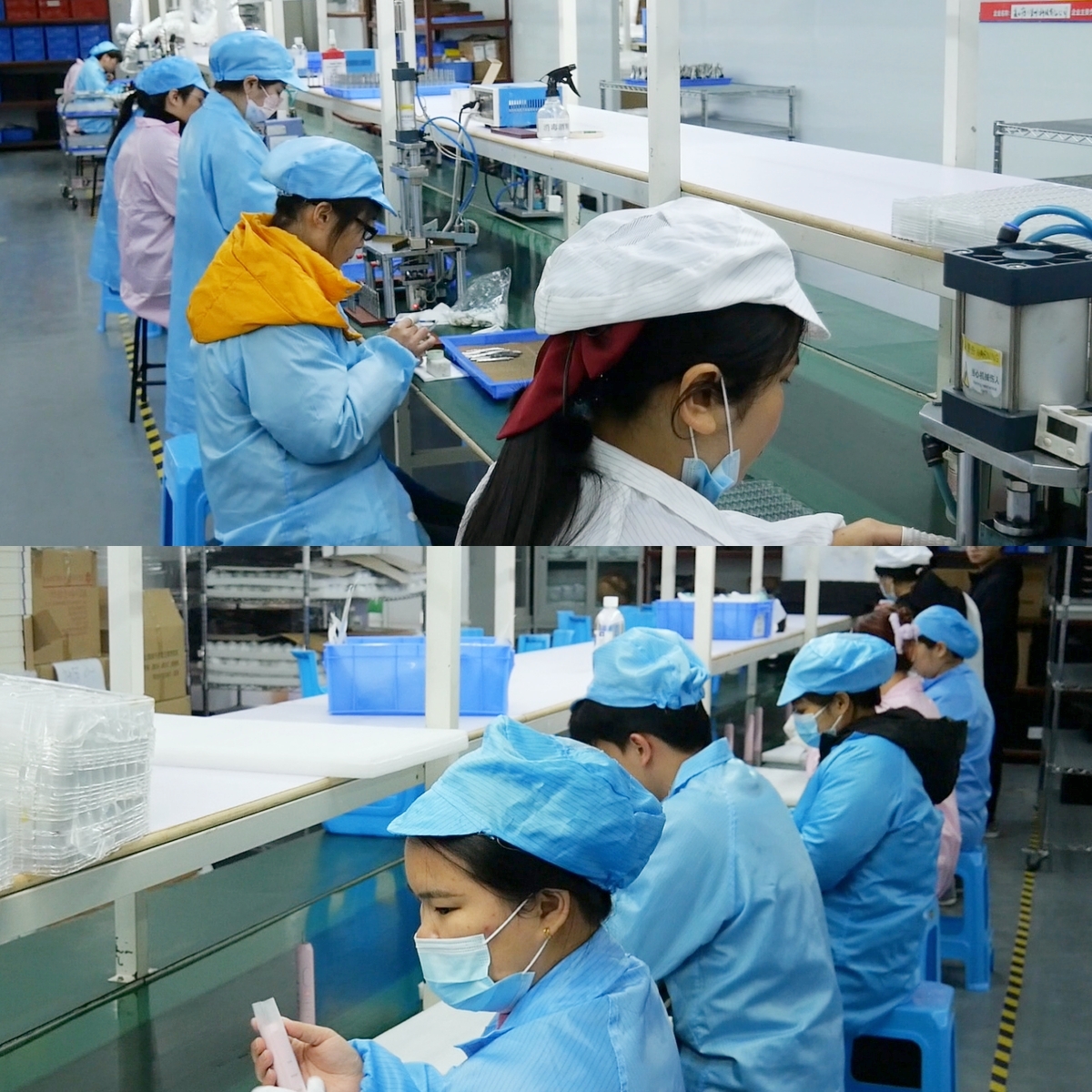
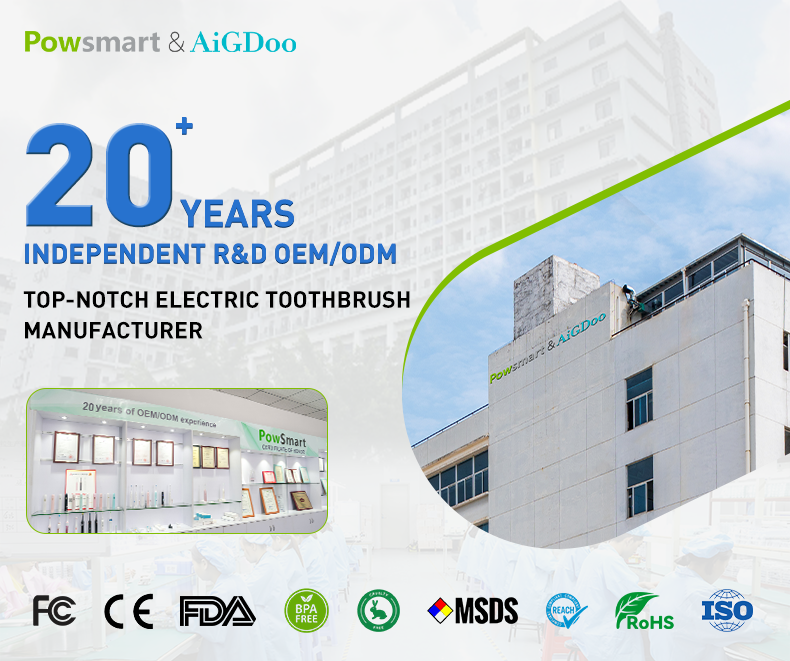
LED teeth whitening OEM factory partnerships are becoming a critical growth driver for oral-care brands that want to scale efficiently while maintaining strong quality and regulatory control. For B2B buyers, the right OEM partner should not merely assemble products. Instead, the partner should integrate design support, structured project management, documented compliance, and post-launch lifecycle services. Therefore, choosing a professional supplier reduces risk while also accelerating speed-to-market.
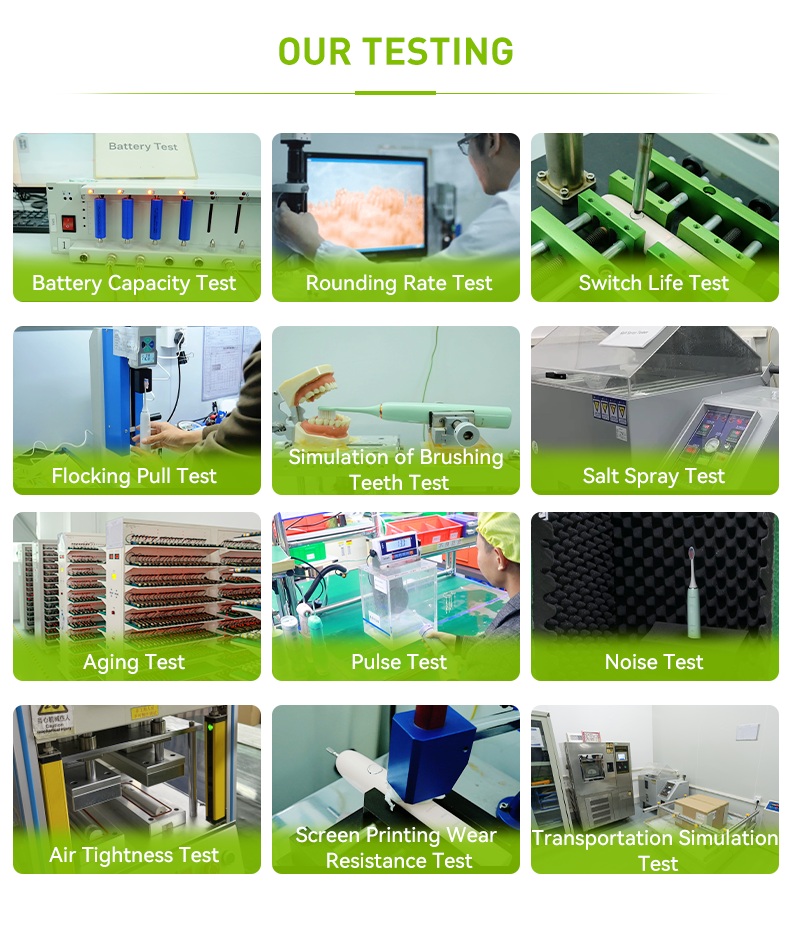
When brands search for an OEM factory, they usually require consistent quality, full documentation, and predictable delivery schedules. Moreover, they expect technical collaboration, rapid sampling, and transparent cost structures. Consequently, the ideal partner will support mold design, materials sourcing, SMT/assembly, and firmware or LED driver optimization. Furthermore, reliable factories also maintain aging-test procedures, ESD protections, cosmetic inspection standards, and traceability.
Global brands increasingly request ISO-based QMS structures, MDR technical documentation preparation, and risk-management files aligned with ISO 14971. Additionally, they value factories that maintain incoming inspections, in-process audits, and final AQL checks. Clear records build trust. However, quality is not only about inspection. Instead, it starts in the design-for-manufacturing phase with materials, battery safety, PCB layout, LED wavelength tolerance, and enclosure reliability testing.
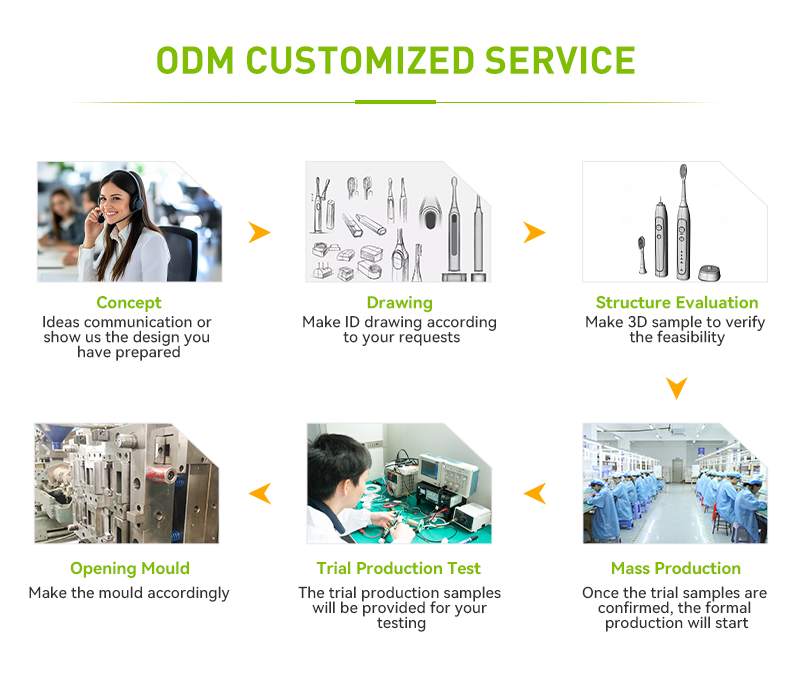
Some customers provide ready-made designs. Others expect ODM support such as ID styling, tooling design, firmware refinement, and packaging development. Therefore, the OEM partner must stay flexible. Moreover, good communication helps clarify target markets, expected retail price points, positioning, labeling, and compliance responsibilities. Consequently, both sides align expectations early to avoid rework later.
LED oral-care devices may fall under cosmetic or medical categories depending on market claims. Therefore, B2B buyers should confirm MDR/EU classification, EMC testing, battery/charger safety (such as IEC 62368 or IEC 62133 depending on design), biocompatibility, and REACH/RoHS obligations. For reference, brands can review EU updates here:
https://health.ec.europa.eu/medical-devices-sector/new-regulations_en
A strong OEM factory invests in stable component sourcing, approved vendor lists, controlled substitution processes, and safety-stock planning. Furthermore, logistics support such as shipment consolidation, export documentation, and delivery planning helps buyers reduce total landed-cost uncertainty.
You can explore LED whitening devices here:
https://www.powsmart.com/led-teeth-whitening-device/
Great OEM partners continue support after launch. Therefore, they assist with engineering change management, failure analysis, and continuous improvement. Moreover, they maintain spare part programs and product refresh roadmaps so brands can grow sustainably.
LED teeth whitening OEM factory alignment enables brands to scale faster, reduce engineering burden, and protect compliance readiness across global markets.


.jpg)
Motor Resonance Causing Indicator Failure?
Need an Orthodontic Clinic Water Flosser and Tongue Cleaner Attachment Wholesale for Your Practice?
The Advantages of Teeth Whitening Devices: How to Enjoy Professional-Level Teeth Whitening Results at Home
How Can a Reliable Brush Head Supply Chain Support a Subscription Business Model?
Does Deep Clean Toothbrush Mode Cause Timer Malfunction?
.jpg)
Considering Whitening Kit Private Label?
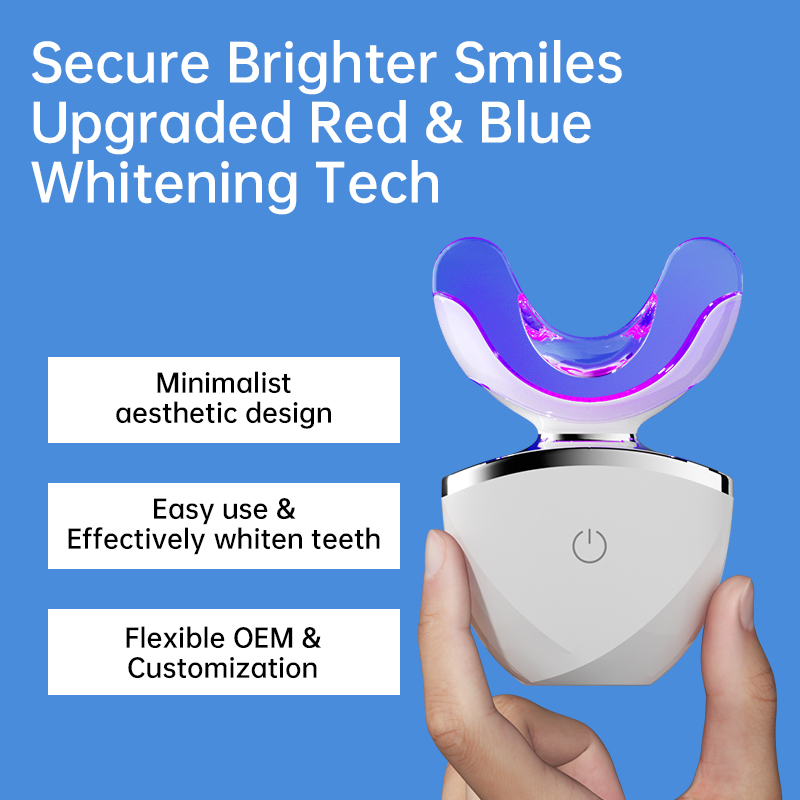
How Does an Accelerated Whitening Formula Work with a Built-in Timer Function?
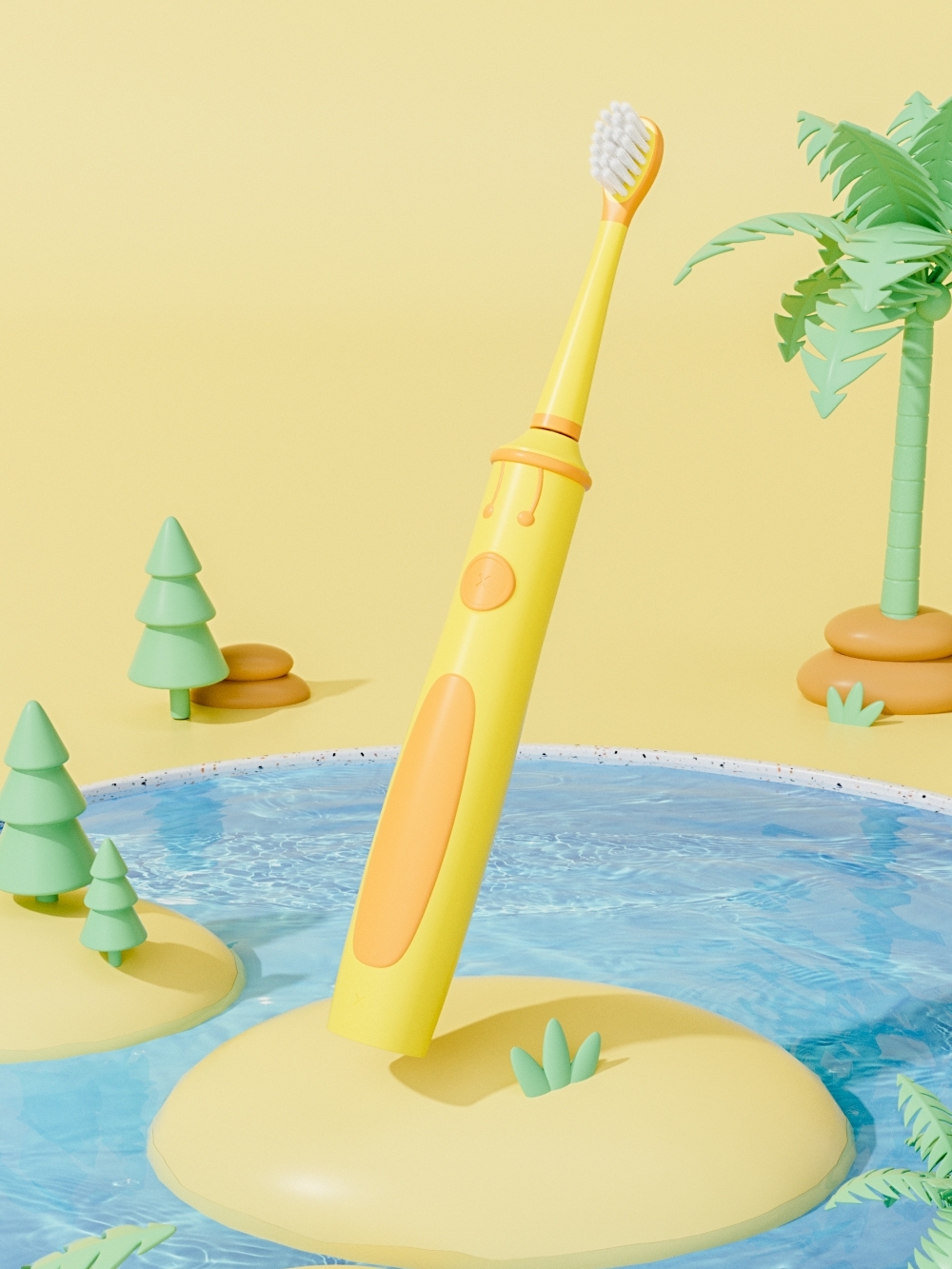
Top Chicago-Based Kids’ Electric Toothbrush Manufacturers for Safe & Fun Designs
Electric Toothbrush Product Differentiation
Choosing a Sonic Motor Patent Supplier and an IPX7 Waterproof Toothbrush Factory for Next-Generation Oral Care?

After a Cybersecurity Penetration Test, Do You Have an Incident Response Playbook for Connected Devices?
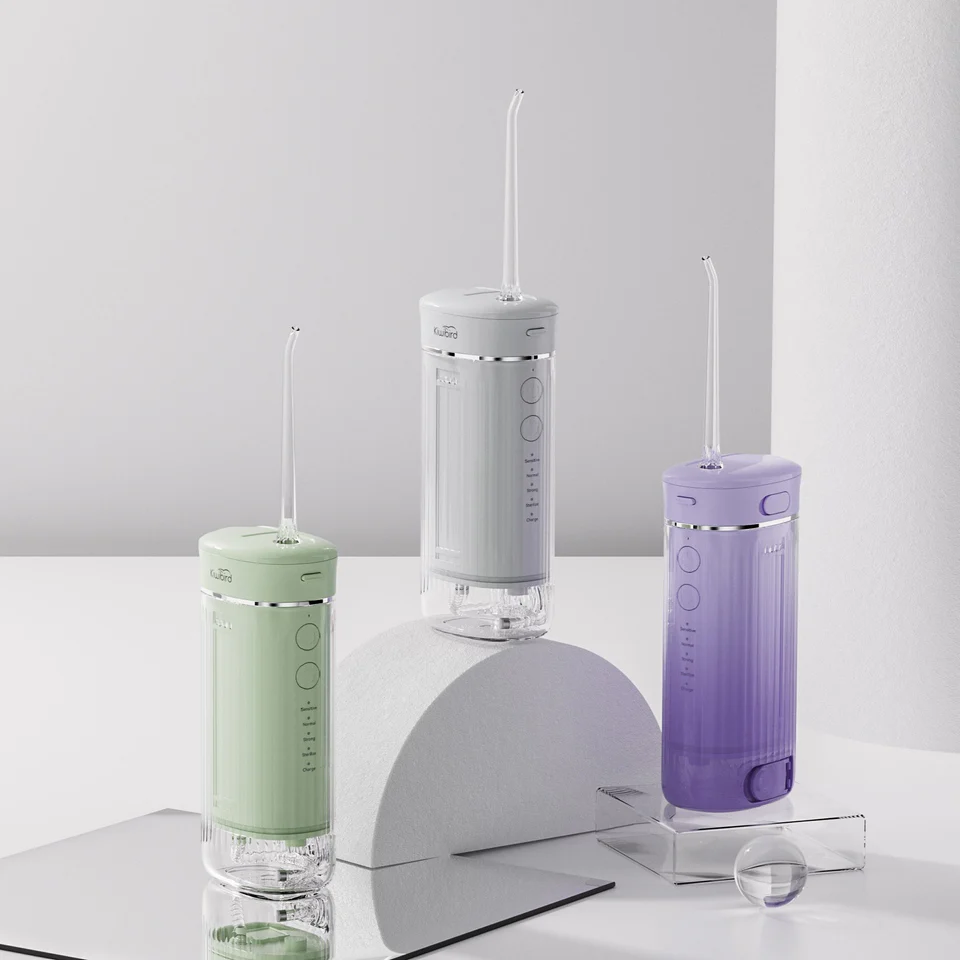
How Brands Can Expand Oral Care Line with Competitive Water Flossers
LED Electric Toothbrush OEM Manufacturing
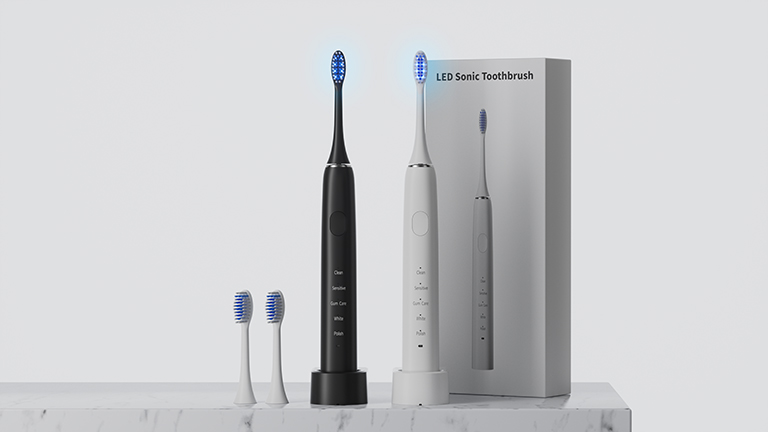
Looking for Toothbrush OEM Manufacturing Services with Custom Toothbrush Branding Capabilities?
Electric Toothbrush Distributor in the USA: Bulk Orders, Waterproof Certification, and Trusted Brands


.jpg)
.jpg)
.jpg)
.jpg)
.jpg)