In today’s high-tech products, intermittent LCD Glitches and recurring Sensor Errors can undermine user confidence and lead to costly returns. Whether you’re producing medical devices, industrial controllers, or consumer electronics, understanding how these faults arise and how to remedy them quickly is essential. This post walks you through the root causes, diagnostic techniques, repair steps, and preventive measures to tackle LCD glitches and sensor errors effectively.
Firstly, LCD displays and onboard sensors often serve as the primary interface between machine and operator. LCD Glitches—such as flickering segments, ghost images, or unresponsive pixels—can obscure critical data readouts. Similarly, Sensor Errors—including spurious readings, calibration drift, or complete signal loss—can disrupt feedback loops, trigger false alarms, or halt automated processes. Together, these issues not only degrade product performance but also raise maintenance costs and damage your brand reputation.
Moreover, LCD Glitches typically stem from one or more of the following factors:
By isolating these causes, you can target the precise area—whether electrical, mechanical, or software—that needs correction.Company web:https://www.powsmart.com/product/electric-toothbrush/
Transitioning to sensors, diagnosing Sensor Errors requires a systematic approach:
Armed with this data, you can distinguish between genuine sensor hardware faults and configuration or environmental issues.
Importantly, LCD Glitches and Sensor Errors can exacerbate one another. For example, unstable power rails may cause both display flicker and noisy sensor readings simultaneously. Likewise, a loose ground connection can introduce ground loops that manifest as display artifacts and erroneous sensor measurements. Recognizing these cross‑domain interactions helps you adopt holistic remedies rather than isolated fixes.
To resolve these problems effectively, follow these best practices:
Finally, preventing LCD Glitches and Sensor Errors from returning requires continuous improvement:
By combining rigorous design, thorough testing, and smart maintenance strategies, you can ensure your products remain reliable, user‑friendly, and free of LCD glitches and sensor errors.
Conclusion
LCD Glitches and Sensor Errors can undermine even the most sophisticated products if left unchecked. However, with a structured diagnostic process, targeted repairs, and strategic preventive measures, manufacturers can eliminate these faults and uphold the highest reliability standards. Ready to optimize your device performance? Contact our engineering team to explore tailored solutions for your display and sensor challenges.

Herbal toothbrush India or Natural bristle toothbrush — which is safer for electric brush programs?
Children’s Oral Care: Developing Good Oral Habits at an Early Age
Should You Try The Take-Home Whitening Kit?
.jpg)
Gift for Software Engineer Electric Toothbrush Bangalore

Beginner’s Guide to Water Flosser Pressure Settings

Preventing Mold in Water Flosser Tanks: Silver Ion vs. UV Sterilization
Is it normal to bleed when using a water flosser for the first time?

The various functions of electric toothbrushes: gimmick or practical?

Ideal Pressure Settings for Sensitive Gums: Dentist Recommendations for Water Flosser Users
Revolutionizing Oral Care: The Benefits and Effectiveness of Electric Toothbrushes
Difference between sonic toothbrush and sweeping electric toothbrush

Enjoy Using a Water Flosser to Boost Oral Hygiene

From manual to electric toothbrushes: a revolution in changing toothbrush habits
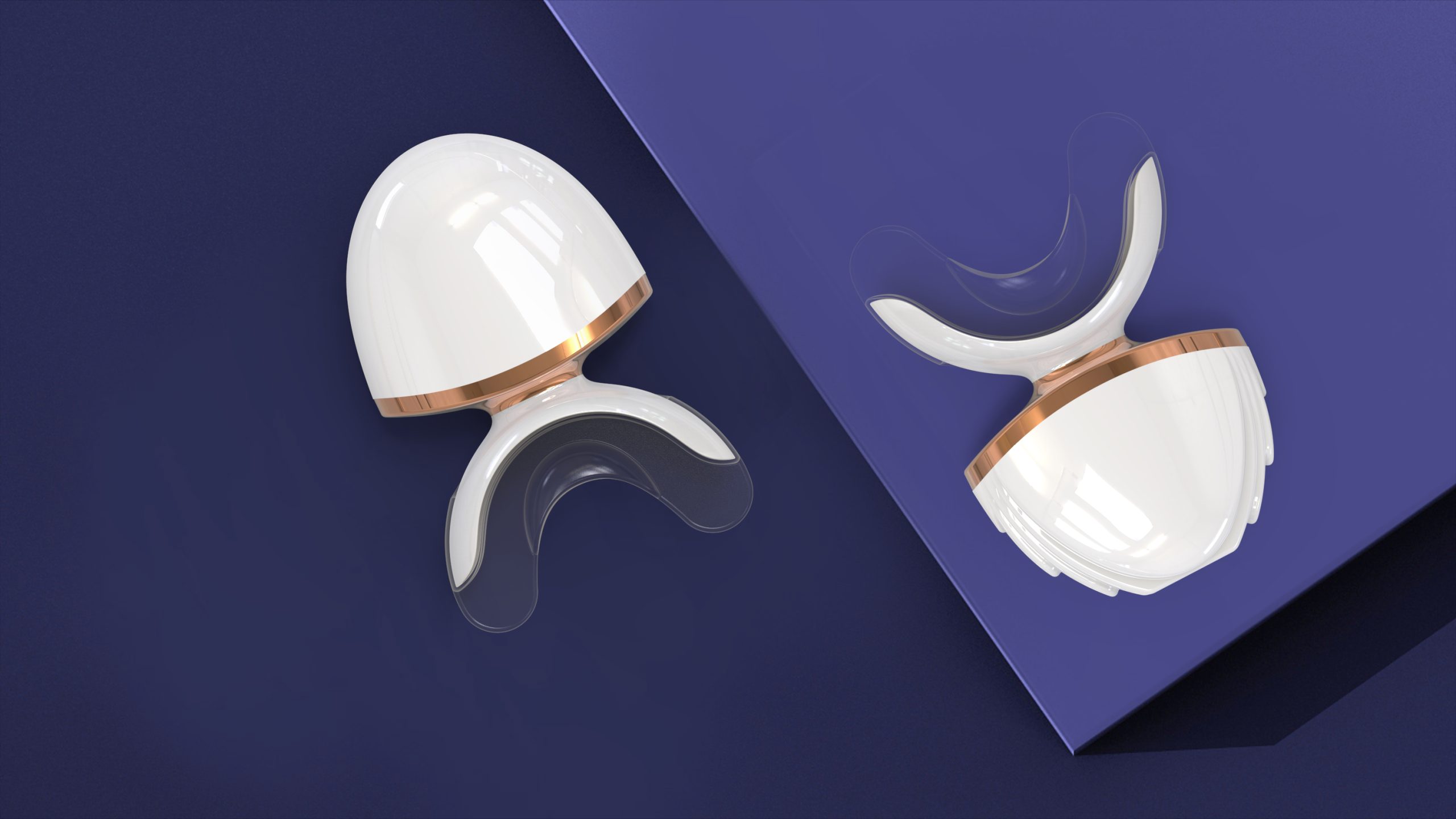
Is Blue Light Under 480nm Safe for Teeth Whitening Devices?
Is Your Kids’ Electric Toothbrush Too Loud?
How to Handle Temperature Spikes and Handle Slippage?


.jpg)
.jpg)
.jpg)
.jpg)
.jpg)