In the development of medical electronics, precision, cleanliness, and reliability are non-negotiable. One of the advanced technologies that has transformed the production of medical electronic devices is Laser Direct Structuring (LDS). This technology allows for the creation of intricate, high-quality circuits directly onto plastic substrates, making it ideal for compact, durable, and precise medical devices. However, for Laser Direct Structuring to achieve its full potential, it must be complemented by strict Cleanroom Assembly Protocols. This combination ensures that the integrity, performance, and safety of the devices meet the rigorous standards demanded in the medical industry. In this blog, we’ll explore how Laser Direct Structuring benefits from being paired with Cleanroom Assembly Protocols in the production of medical electronics.
Laser Direct Structuring (LDS) relies on laser technology to directly write high-resolution circuit patterns onto the surface of materials, usually thermoplastic substrates. This process requires an exceptionally high level of precision and control to ensure that the electrical pathways are created correctly. Any contamination, such as dust or moisture, can interfere with the laser’s path or lead to suboptimal results.
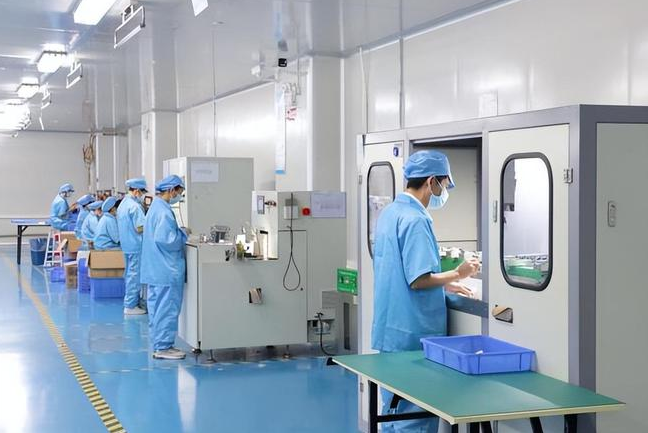
Cleanroom Assembly Protocols provide an ultra-clean environment that is free from particles, dust, and other contaminants that could disrupt the LDS process. By maintaining strict air filtration, humidity control, and particle counting, cleanrooms ensure that every aspect of Laser Direct Structuring is carried out under ideal conditions, which ultimately leads to better performance and greater reliability in the final medical devices.
Medical devices must meet high standards of reliability because they are often used in critical, life-saving applications. Even the smallest imperfections in the internal circuitry can lead to device failure. Laser Direct Structuring technology offers precision and the ability to create complex circuits, but without a controlled environment, the risk of defects increases. Dust, oils, or other particles could interfere with the surface of the substrate, leading to poor adhesion of the conductive material or circuit inaccuracies.
By implementing Cleanroom Assembly Protocols, manufacturers can mitigate the risks associated with contamination. These protocols are designed to reduce particulate contamination and ensure the stability and longevity of medical electronics. This, in turn, results in highly reliable devices that meet the stringent safety standards required in the medical field.
In the production of medical electronics, especially those incorporating Laser Direct Structuring, consistency in every stage of the manufacturing process is critical. Fluctuations in environmental factors such as temperature, humidity, and airborne particles can affect the quality.
Cleanroom Assembly Protocols standardize the environment in which components are fabricated, offering the ability to closely monitor and control factors that could impact the LDS process. Whether it’s ensuring a steady temperature or maintaining ultra-low levels of airborne particles. This process control is vital for ensuring that every device meets the exacting standards of medical applications.
In medical device manufacturing, the risk of contamination can pose serious health and safety concerns. Contaminants that make their way into medical electronics during assembly can compromise the device’s functionality . Laser Direct Structuring technology requires specialized materials and precision, but the assembly and handling of these components are equally critical to the overall safety of the device.
By adhering to Cleanroom Assembly Protocols, manufacturers can minimize the risk of contamination throughout the production process. Cleanrooms are equipped with specialized air filtration systems and protocols for personnel to wear protective gear. This significantly reduces the chances of particles or harmful substances affecting the devices. Furthermore, these controlled conditions support compliance with medical industry standards, such as ISO 13485.
The integration of advanced technologies like Laser Direct Structuring into medical devices is essential for creating smaller. LDS allows manufacturers to embed high-performance electronics into plastic substrates, which is especially useful for creating compact.
However, advanced technologies like LDS are highly sensitive to their surroundings. To ensure that these innovations are fully realized and meet the performance expectations of medical applications, Cleanroom Assembly Protocols provide the ideal environment. From precision placement to handling delicate materials, cleanrooms enable the seamless integration of Laser Direct Structuring.
While the implementation of Laser Direct Structuring and Cleanroom Assembly Protocols may seem costly at first. By minimizing defects, reducing the risk of contamination, and ensuring that devices perform at their highest level.
Moreover, Cleanroom Assembly Protocols ensure that the manufacturing process is optimized for efficiency. With standardized and controlled processes, manufacturers can streamline production, reduce errors, and achieve higher throughput.
In the high-stakes world of medical electronics, the combination of Laser Direct Structuring and Cleanroom Assembly Protocols is a powerful one. It enables manufacturers to produce precise, reliable, and safe medical devices that meet stringent industry standards. By ensuring that both the LDS process and the overall assembly are carried out in a contaminant-free environment. The benefits of this approach are clear: enhanced precision, improved reliability, compliance with safety standards. Contact us
Wholesale Electric Toothbrush Suppliers in San Antonio
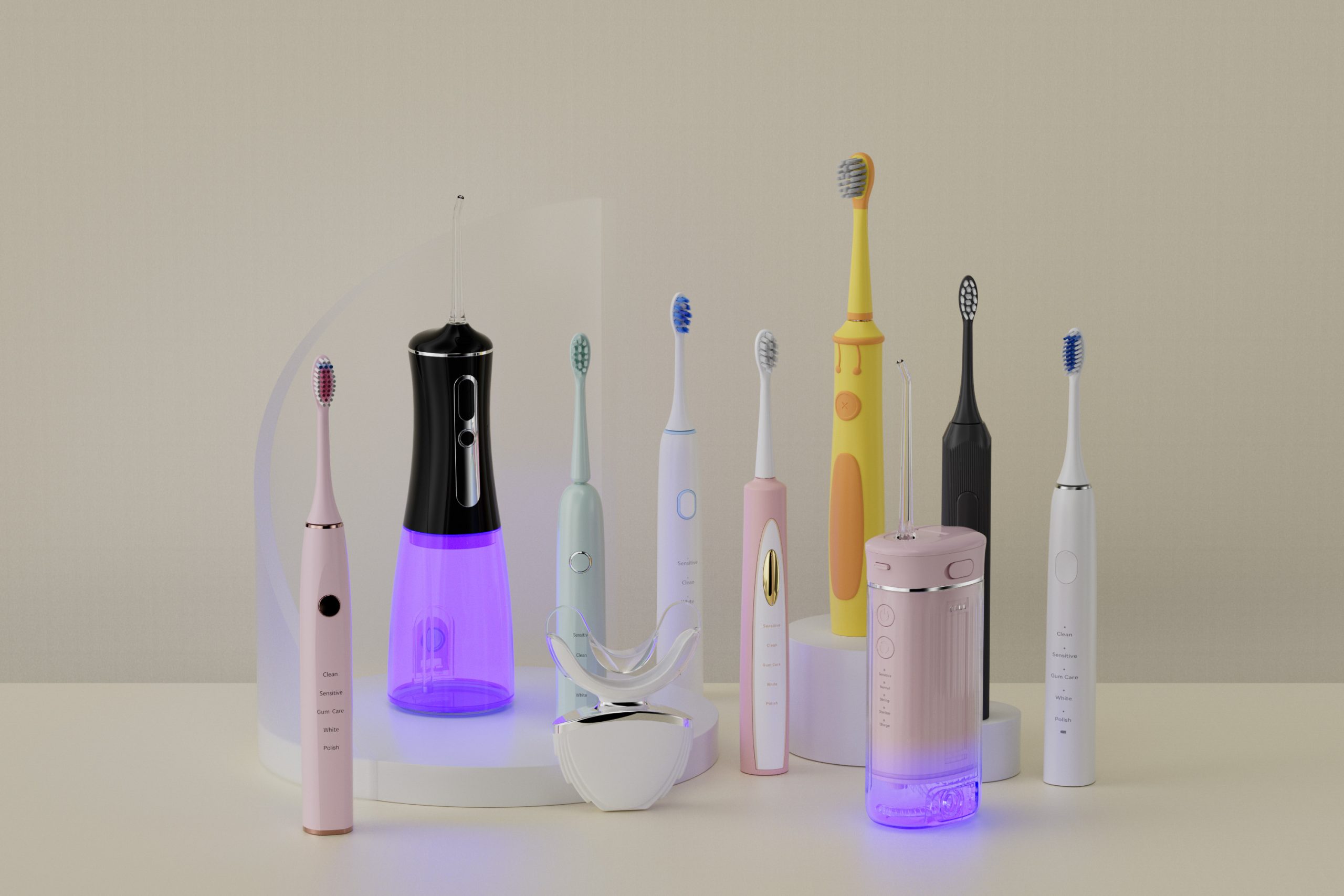
Why choose a Chicago kids toothbrush for your Chicago family toothbrush setup?
.jpg)
Kids Electric Toothbrush Bulk Supplier | School and Clinic Programs
Multi-Mode Electric Toothbrush Manufacturer for OEM Oral Care Projects
Are the brush heads of electric toothbrushes from different brands compatible?
Best Toothbrush Kolkata | Trusted Oral Care
.jpg)
Can Electric Toothbrush Subscription B2B Models Integrate Electric Toothbrush with App OEM Tech?
How Much Vibration Frequency of Electric Toothbrush is Recommended?
Brush + Flosser Combo Electric Toothbrush Wholesale | 2-in-1 Oral Care

How to Identify the Waterproof Rating of an Electric Toothbrush?
.jpg)
How the wedding gift toothbrush became an India corporate gift trend
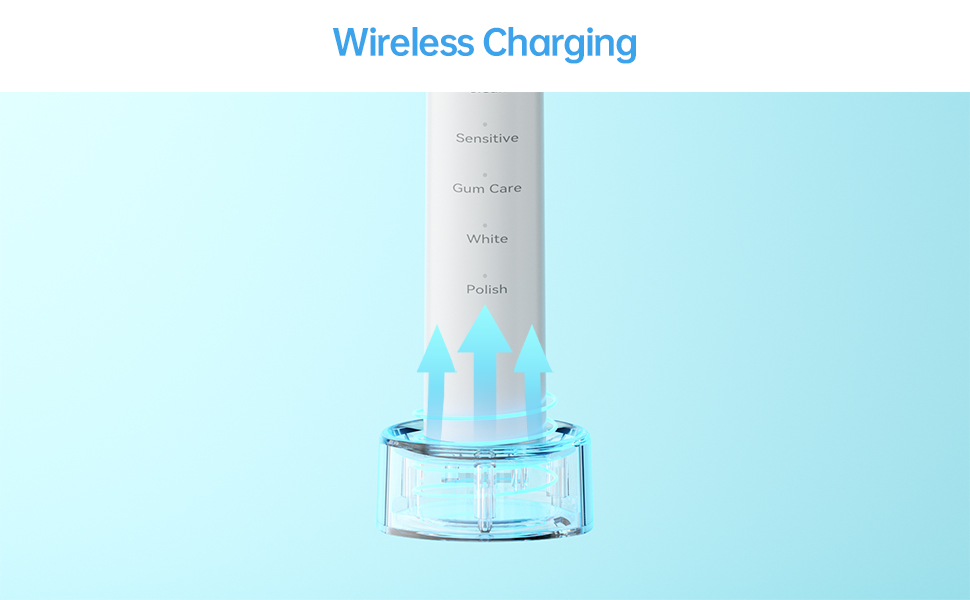
Can a Wireless Charging Coil Maximize the Efficiency of a Lithium Battery Pack in Electric Toothbrushes?
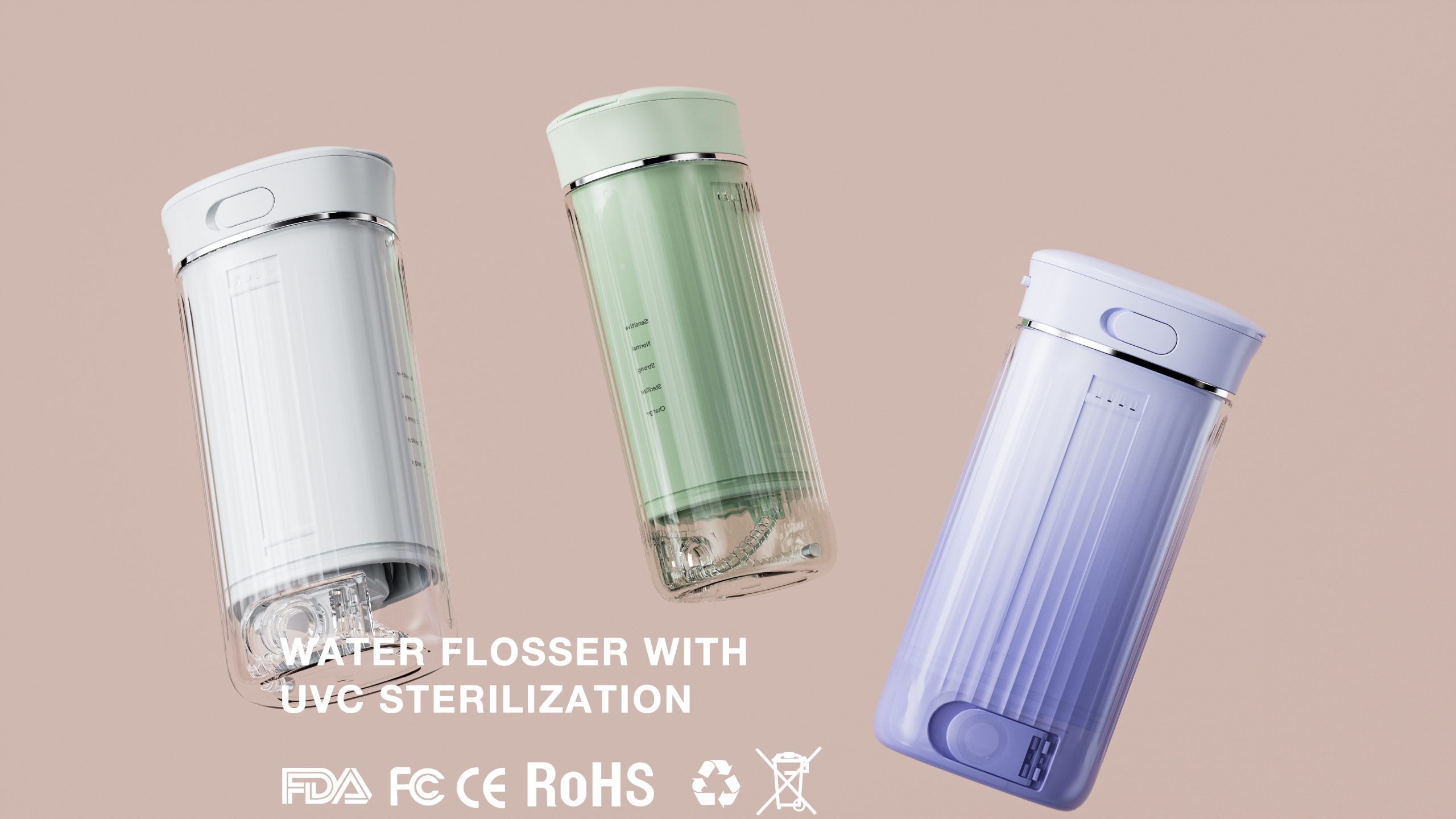
Challenges and opportunities currently facing the oral irrigator industry
Professional Teeth Whitening Kit Manufacturer
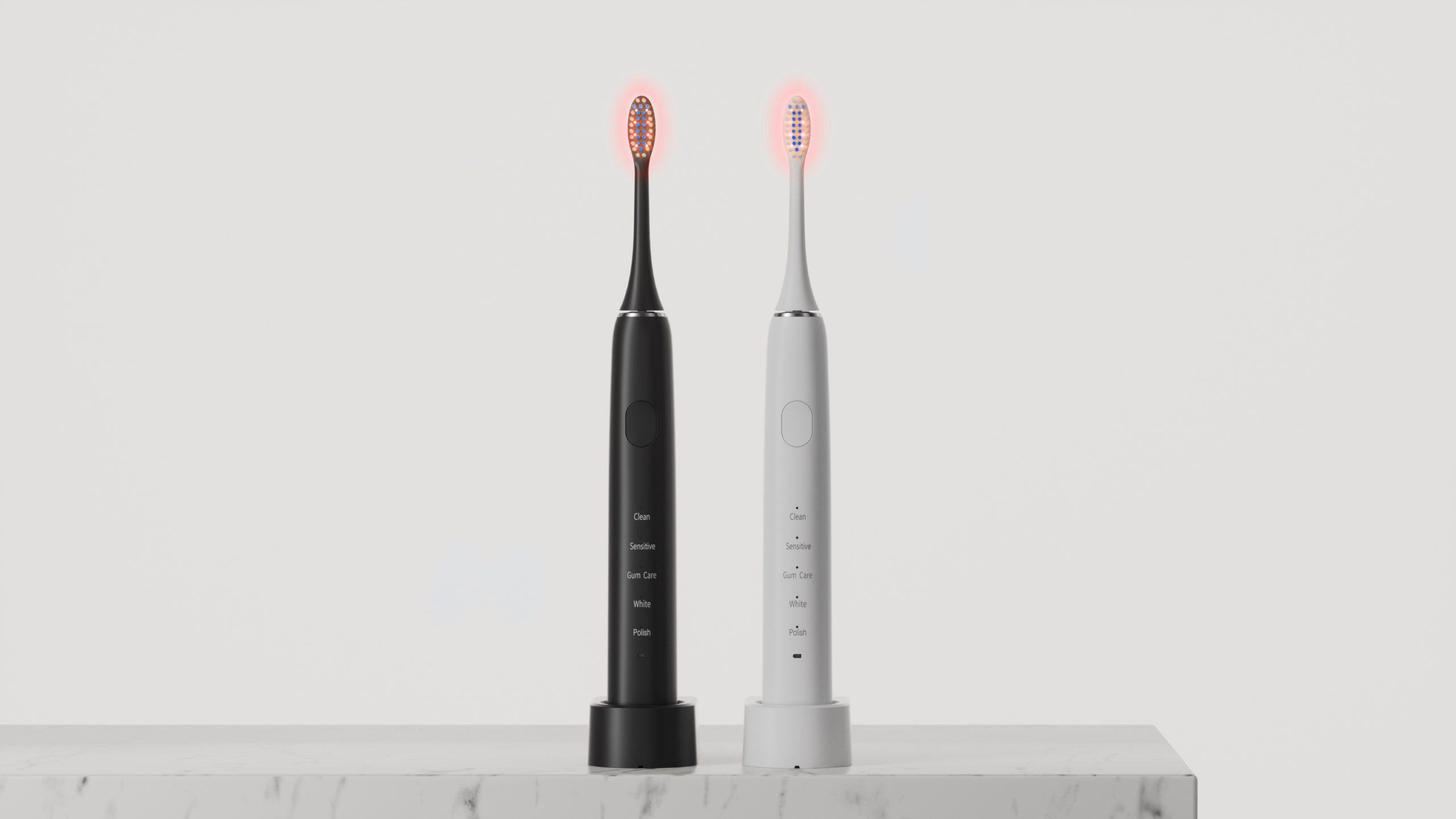
Effects of an Electric Toothbrush Combined with 3-Color Light: An OEM Analysis
What is the Average Lifespan of an Electric Toothbrush? Manufacturer’s Insight


.jpg)
.jpg)
.jpg)
.jpg)
.jpg)





.jpg)