
Info Center
Home » powsmart Electric Toothbrush blog » Intrinsic Teeth Stains Whitening Guide | Safe Methods for Deep Stains

Intrinsic Teeth Stains Whitening Guide | Safe Methods for Deep Stains

Date:2026-03-31
Stains inside the tooth resist surface treatments, and this intrinsic teeth stains whitening guide reveals which whitening approaches work for deep, internal discoloration. Unlike extrinsic stains (on the tooth surface), intrinsic stains are embedded in the tooth enamel or dentin, making them harder to remove with traditional whitening products. Understanding the cause of these stains and choosing the right treatment is key to brightening your smile safely. For intrinsic stain-friendly whitening products, visit https://www.powsmart.com/.

What Are Intrinsic Teeth Stains?

Intrinsic stains form inside the tooth, in the enamel or dentin layer. They’re caused by factors like:
  • Trauma to the tooth (e.g., a fall or blow) that damages the nerve and causes internal bleeding.
  • Excessive fluoride exposure during childhood (fluorosis), leading to white or brown spots.
  • Medications like tetracycline, which can discolor teeth during development.
  • Aging, which causes the dentin to darken and show through the thinner enamel.
These stains are resistant to surface whitening products like toothpaste or strips, so they require more targeted treatments.

Risks of Traditional Whitening for Intrinsic Stains

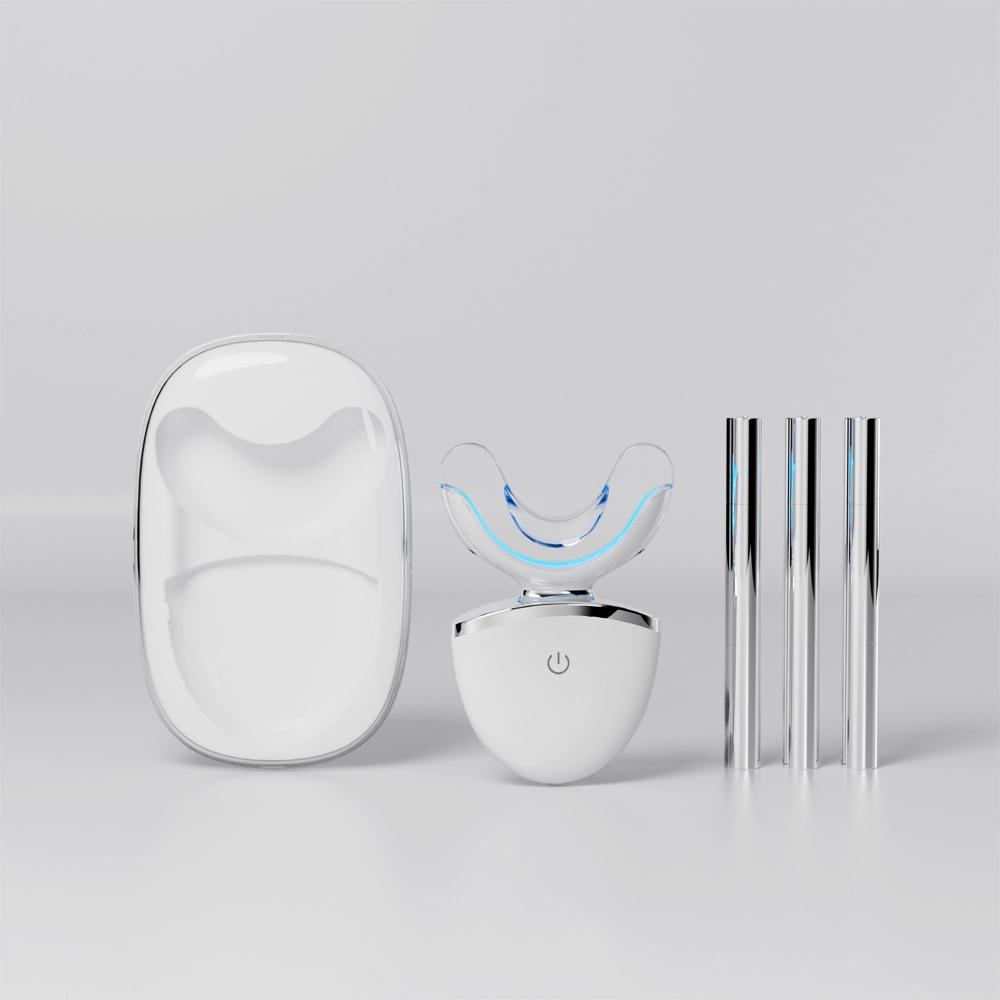
Traditional peroxide-based whitening products (like strips or LED kits) work by brightening the outer layer of enamel, which can make intrinsic stains more noticeable. Peroxide can also irritate thin or damaged enamel, leading to sensitivity and further damage. For this reason, it’s important to avoid harsh whitening methods and choose gentle, targeted alternatives for intrinsic stains.

Safe Whitening Options for Intrinsic Stains

These methods are effective for intrinsic teeth stains:
  • In-office whitening (dentist-supervised): A controlled treatment that uses high-concentration peroxide to penetrate deep into the enamel and lighten intrinsic stains.
  • Microabrasion: A professional treatment that removes a thin layer of enamel to reduce the appearance of white or brown fluorosis stains.
  • Dental bonding: Covers severe intrinsic stains with tooth-colored resin, creating a uniform, bright smile.
  • Porcelain veneers: Thin shells of porcelain that cover the front of the tooth, masking deep intrinsic stains and matching the color of your other teeth.
These methods prioritize enamel health while delivering natural-looking results.

Realistic Expectations for Results

It’s important to set realistic expectations for whitening intrinsic teeth stains. You won’t eliminate all stains completely, but you can reduce their visibility and brighten your smile. Mild intrinsic stains may respond well to in-office whitening or microabrasion, while severe stains may require bonding or veneers to create a uniform appearance. Your dentist can help you create a personalized plan that balances whitening goals with enamel protection.

Conclusion

This intrinsic teeth stains whitening guide shows that safe, targeted methods are the best way to brighten teeth with deep, internal stains. Prioritize professional treatments that penetrate the enamel to lighten intrinsic stains, and work with your dentist to create a personalized plan that protects your teeth while improving your smile. For more intrinsic stain care tips, visit https://www.webmd.com/oral-health/tooth-discoloration.