In today’s smart oral care devices, real-time status indicators are more than convenience—they are safeguards. However, when indicator failure occurs, it may silently compromise both user experience and clinical outcomes. One overlooked yet serious risk is the potential for periodontal pocket deepening to go undetected due to unresponsive or inaccurate device alerts. This article explores how faulty indicators can mask early signs of gum disease progression—and what manufacturers must do to prevent this silent escalation.
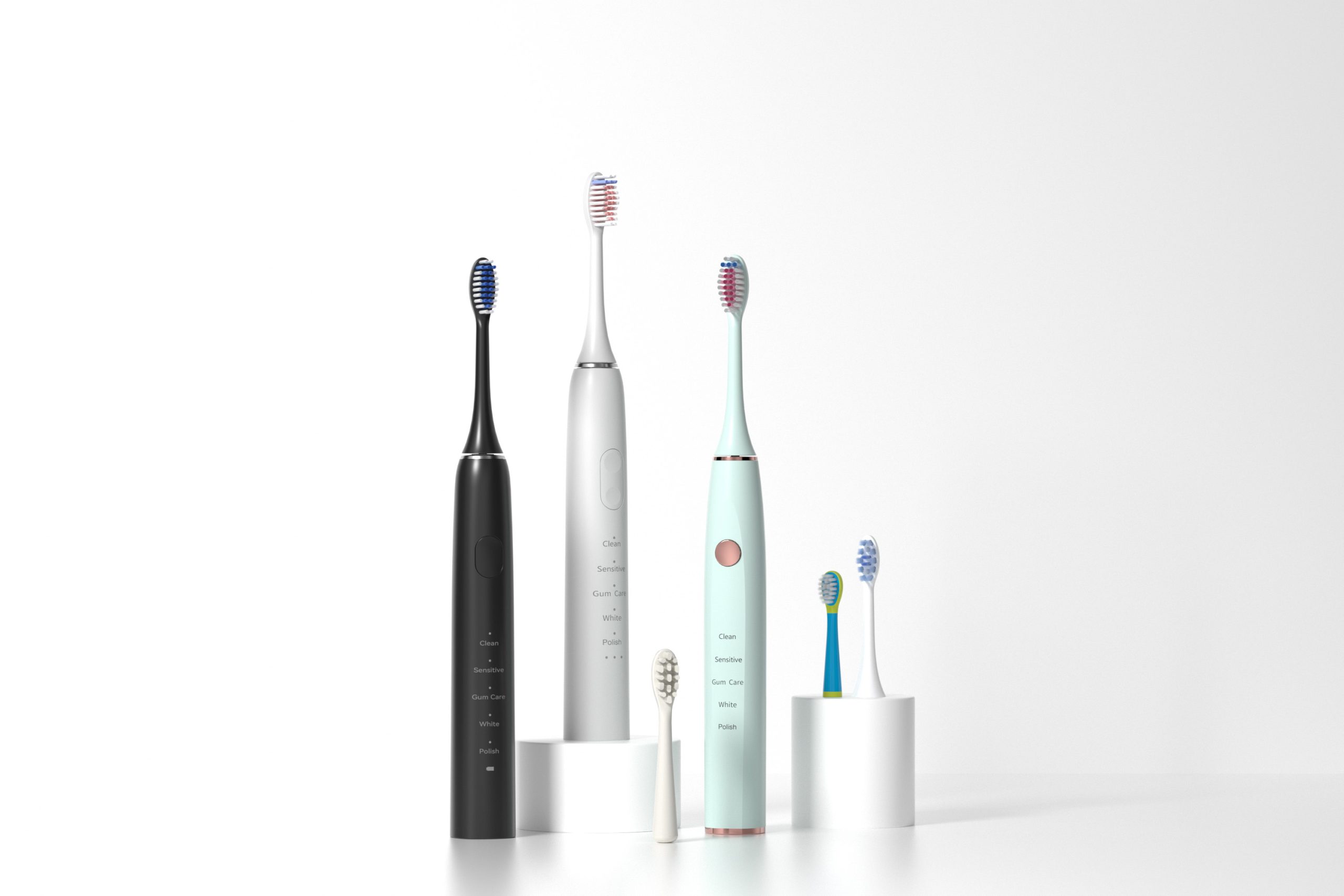
In electric toothbrushes, oral irrigators, or diagnostic tools, indicators often play a critical role. Common indicator functions include:
When these indicators malfunction—whether due to faulty sensors, software bugs, or wear and tear—users may unknowingly operate the device under suboptimal conditions.
Periodontal pocket deepening refers to the increased space between the tooth and gum, typically caused by chronic inflammation and plaque accumulation. This condition marks the early to intermediate stages of periodontal disease and can lead to:
Timely detection is key. Devices designed with periodontal detection or gum sensitivity feedback rely heavily on functional indicators to warn users of abnormal trends.
Here’s where the danger lies: If an oral health device fails to indicate pressure overload, mode mismatch, or abnormal usage time, the user may continue brushing or irrigating with incorrect force or positioning. Over time, this can contribute to:
Essentially, indicator failure masks what should be a protective barrier between minor issues and long-term damage. Company web: https://www.powsmart.com/product/electric-toothbrush/
Common technical reasons for indicator malfunction include:
Such failures are especially critical in B2B products where usage frequency is high and end-users rely on devices for long-term gum health monitoring.
Manufacturers can reduce the risk of periodontal pocket deepening going undetected by reinforcing device reliability through:
These strategies ensure that even if one indicator fails, the user or clinician is promptly informed.
From a manufacturing and brand trust perspective, ignoring the risk of indicator failure opens the door to:
B2B clients expect their suppliers to anticipate—not just react to—such risks. Transparent documentation, accelerated life-cycle testing, and compliance with IEC/ISO standards for medical-grade devices are no longer optional; they are essential.
Is periodontal pocket deepening due to indicator failure a hidden risk? Absolutely. In the rapidly evolving landscape of smart oral care, the line between cosmetic functionality and clinical support is thinner than ever. Ensuring that indicators are not only present but also reliable is a non-negotiable standard for any OEM/ODM vendor committed to device integrity and end-user health. Contact Kiwibird
-300x300.jpg)
-300x300.jpg)
.jpg)
Light Decay Causing Gingival Discoloration?
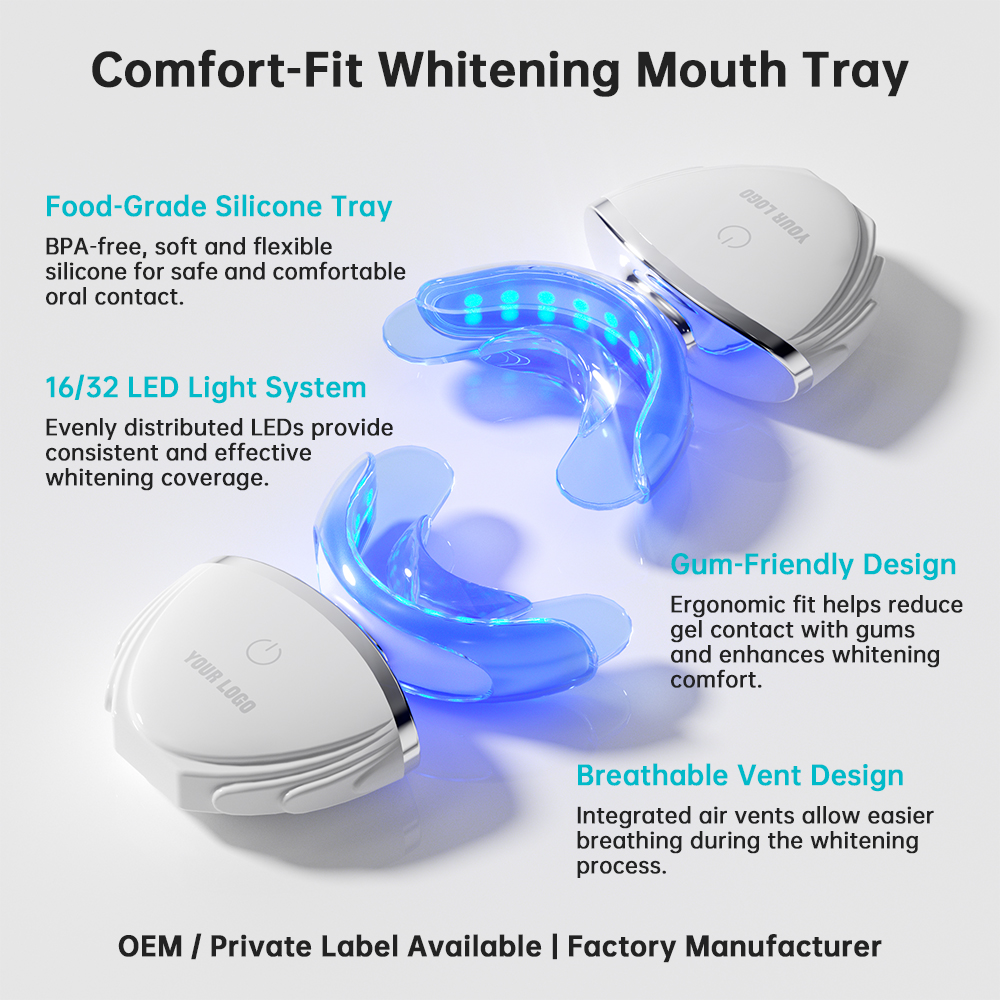
Can Custom Tray Design services coexist with Whitening Pen OEM production in a portfolio?

Why Is Toothbrush Quality Certification Non-Negotiable?
.jpg)
How the Quadpacer Timer helps you achieve balanced cleaning

How Does Integrated Water Flosser Accessory Production Optimize Your Oral Irrigator Bulk Pricing?
-3-scaled-1.jpg)
Teeth Whitening Tech: Is LED Scientifically Superior to UV for OEM Applications?
Smart Toothbrush for Professionals | Tech Lifestyle Care
Frequent Allergy Reactions to Whitening Kits: Is Cold-Light Technology to Blame?

Why Should You Cover Your Toothbrush in the Bathroom? Hygiene Insights from Manufacturers
Compact Whitening Device Wholesale for Global Distributors and Brands
Sonic Toothbrush Factory for Brands
Competitive Wholesale Oral Care Products for Your Store – Bulk Deals & OEM Options
.jpg)
How Does In-House Water Flosser Nozzle Production Benefit You?
Electric Toothbrush Bulk for Wellness Programs | B2B Oral Care Solutions
Adapter Overheating with Circuit Shorting – Fire Risk?
.jpg)
Did you know a magnetic-levitation sonic motor can deliver 31,000 powerful cleaning strokes per minute?


.jpg)
.jpg)
.jpg)
.jpg)
.jpg)



.jpg)

.jpg)