Info Center
Home » Powsmart Electric Toothbrush Manufacturer in the U.S. » powsmart Electric Toothbrush blog » how-to-use-whitening-electric-toothbrushes-safely

how-to-use-whitening-electric-toothbrushes-safely

Date:2026-02-06

The Advantages of Whitening Electric Toothbrushes for Daily Care

Achieving a bright smile doesn’t require expensive whitening treatments—whitening electric toothbrushes integrate whitening into your daily brushing routine, making it effortless and sustainable. best-whitening-electric-toothbrush-guide offers step-by-step advice to help you unlock the full potential of these tools, ensuring you get noticeable results without compromising your teeth and gums. Whether you’re tired of manual brushing’s limited whitening effect or want a more convenient way to brighten your smile, this guide is tailored for you.
Unlike standalone whitening products that require extra time and effort, whitening electric toothbrushes work while you clean, removing stains daily and preventing new ones from setting in. This guide skips jargon, focusing on real-world use—so you can start using your whitening electric toothbrush with confidence, even if you’re not familiar with advanced oral care tools.
For high-quality whitening electric toothbrushes tested by dental professionals, explore Powsmart’s selection (https://www.powsmart.com/at-home-whitening-devices).
For more tips on combining whitening and daily oral care, visit the American Dental Association’s official guide (https://www.ada.org/en/resources/consumer/beauty/teeth-whitening).

What Makes Whitening Electric Toothbrushes Different from Regular Ones

Many people confuse whitening electric toothbrushes with regular electric toothbrushes, but the two have key differences designed for better stain removal. best-whitening-electric-toothbrush-guide breaks down these distinctions to help you understand why these tools are more effective for brightening smiles—and how to choose one that fits your needs.
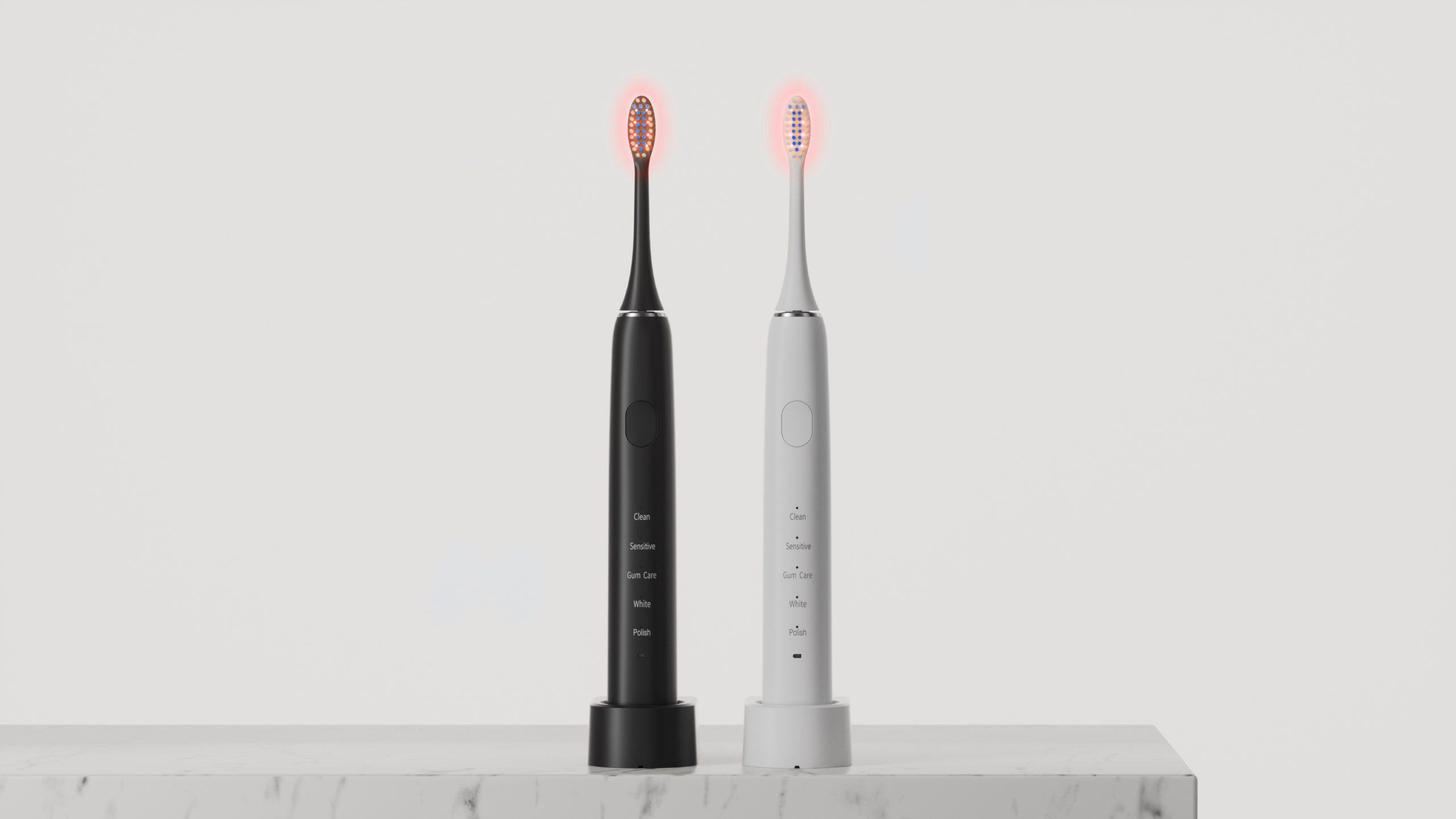
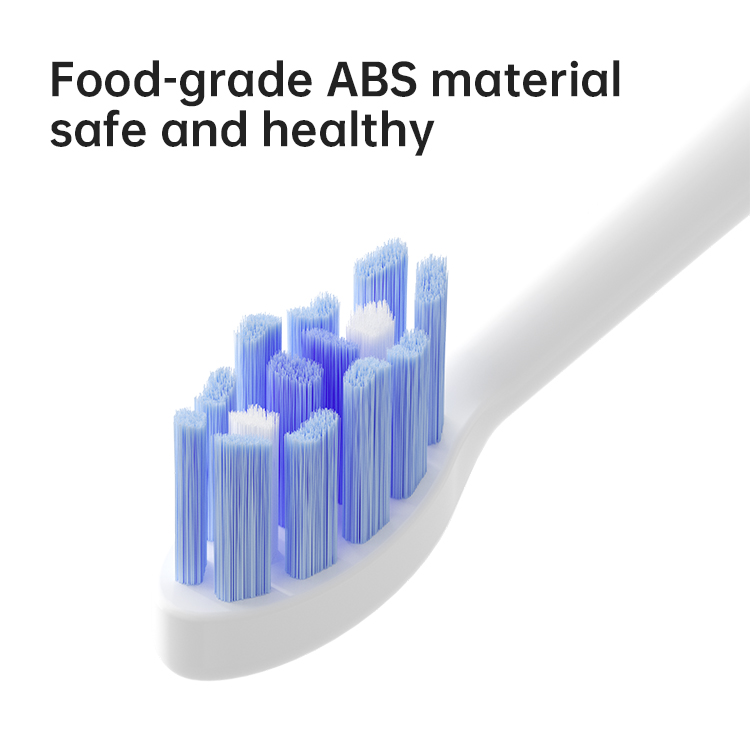
Whitening electric toothbrushes feature optimized vibration frequencies (18,000–40,000 strokes per minute) that target surface stains without damaging enamel. They also often include specialized brush heads—such as diamond-cut bristles or stain-lifting bristles—that are gentler than regular electric toothbrush heads but more effective at removing coffee, tea, and tobacco stains. Some models also have timed whitening modes that focus on stain-prone areas, like the front teeth, for more targeted results.

How to Choose a Whitening Electric Toothbrush That Works for You

With dozens of whitening electric toothbrushes on the market, choosing the right one can feel overwhelming. The principles outlined in best-whitening-electric-toothbrush-guide help you focus on the features that matter, avoiding gimmicks and ensuring you get a tool that delivers results.
Start by considering your oral health needs: if you have sensitive gums, look for models with pressure sensors and soft-bristle heads (avoid hard bristles, even if they claim to whiten faster). If you travel often, opt for a rechargeable whitening electric toothbrush with a long battery life (at least 2 weeks per charge) and a travel case. For busy users, choose models with one-touch operation and easy-to-clean brush heads.
Don’t fall for marketing hype: “3-day whitening” claims are misleading (most users see results in 2–4 weeks), and extra features like app connectivity aren’t necessary for effective whitening. Focus on core features: adjustable vibration modes, high-quality bristles, and FDA approval—these are the markers of a reliable whitening electric toothbrush.

Common Mistakes to Avoid When Using Whitening Electric Toothbrushes

Even the best whitening electric toothbrush won’t deliver results if used incorrectly. whitening-electric-toothbrush-user-guide highlights the most common mistakes users make, so you can avoid them and get the most out of your tool.
One of the biggest mistakes is brushing too hard. Many users press down firmly, thinking it will remove more stains, but this damages enamel and irritates gums—defeating the purpose of safe whitening. Let the electric toothbrush do the work: hold it gently against your teeth, and let the vibrations lift stains without extra pressure. Another common mistake is using the wrong toothpaste: abrasive whitening toothpastes paired with a whitening electric toothbrush can cause sensitivity—opt for a gentle, fluoride-based whitening toothpaste instead.