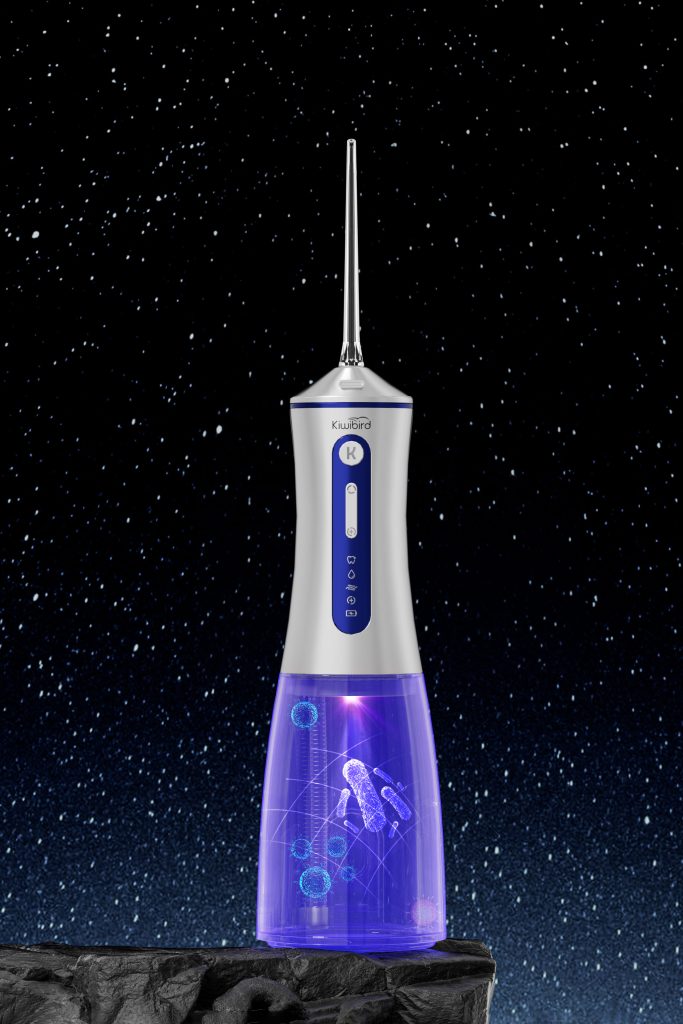
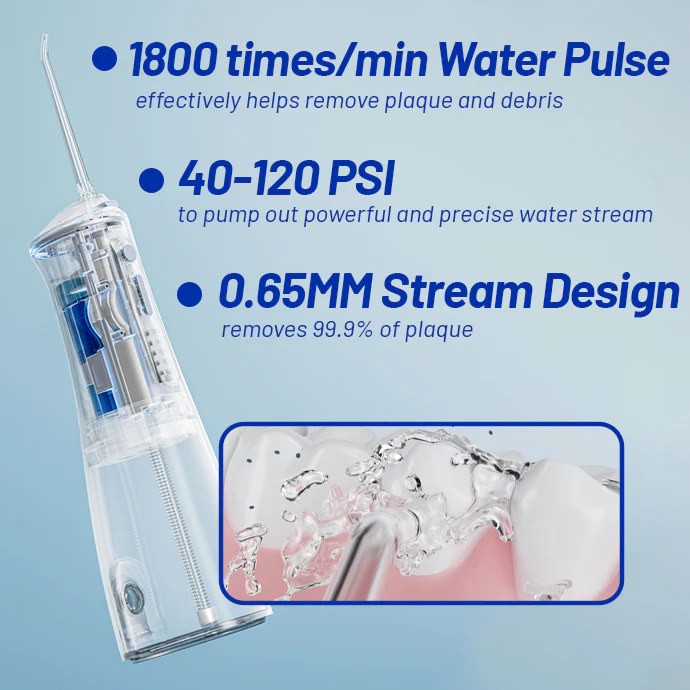
Water flossers are essential tools for maintaining oral hygiene, but they can develop mildew if not cleaned properly. Mold and mildew thrive in moist environments, making your water flosser a potential breeding ground if neglected. Here’s a step-by-step guide to effectively remove mildew and prevent future growth.
A simple yet effective way to tackle mildew is by using baking soda water cleaning. Mix one teaspoon of baking soda with warm water and fill the reservoir. Run the flosser for a minute to allow the solution to clean the internal tubing. Baking soda is mildly abrasive and helps break down mold residues without damaging the device.

For stubborn mildew, denture cleaning tablets or effervescent tablets offer a powerful chemical cleaning solution. Drop one tablet into the water reservoir, let it dissolve, and run the flosser for a full cycle. The effervescent action helps remove hidden mold and bacteria while deodorizing the system.
If mildew accumulates in hard-to-reach areas like the nozzle, try physical cleaning of rice. Fill the reservoir with warm water and a handful of uncooked rice, then shake vigorously. The abrasive texture of rice helps scrub away mold deposits without scratching delicate components.
After each use, empty the water tank and detach removable parts to air-dry completely. Preventing mold starts with eliminating excess moisture—store your flosser in a dry, well-ventilated area instead of leaving it in a damp bathroom.
A monthly rinse with white vinegar (diluted 1:1 with water) helps disinfect the flosser and inhibit mildew. Run the solution through the device, then flush with clean water to remove any lingering odor.
Old filters and worn-out seals can trap moisture, encouraging mildew. Replace filters as recommended by the manufacturer and inspect seals for cracks to ensure a watertight system.
By combining baking soda water cleaning, denture cleaning tablets, and physical cleaning of rice, you can keep your water flosser mold-free. Remember, preventing mold is easier than removing it—adopt these habits to ensure your device stays clean and hygienic for long-term use.
For more B2B dental care maintenance tips, explore our blog or contact us for professional solutions! https://www.powsmart.com/simples/x3-portable-uv-water-flosser/
Teeth Whitening Device Patent and Intellectual Property Protection: How Can Brand Owners Avoid Infringement Risks?
.jpg)
Teeth-whitening-devices-safe-guide | Complete At-Home Guide
FDA Certified Electric Toothbrush Supplier
.jpg)
How Does Desktop Irrigator Design Integrate an Anti-bacterial Hose for Long-term Hygiene?
Material Degradation Releasing Chemical Residue? Hidden Hazards in Oral Care Devices
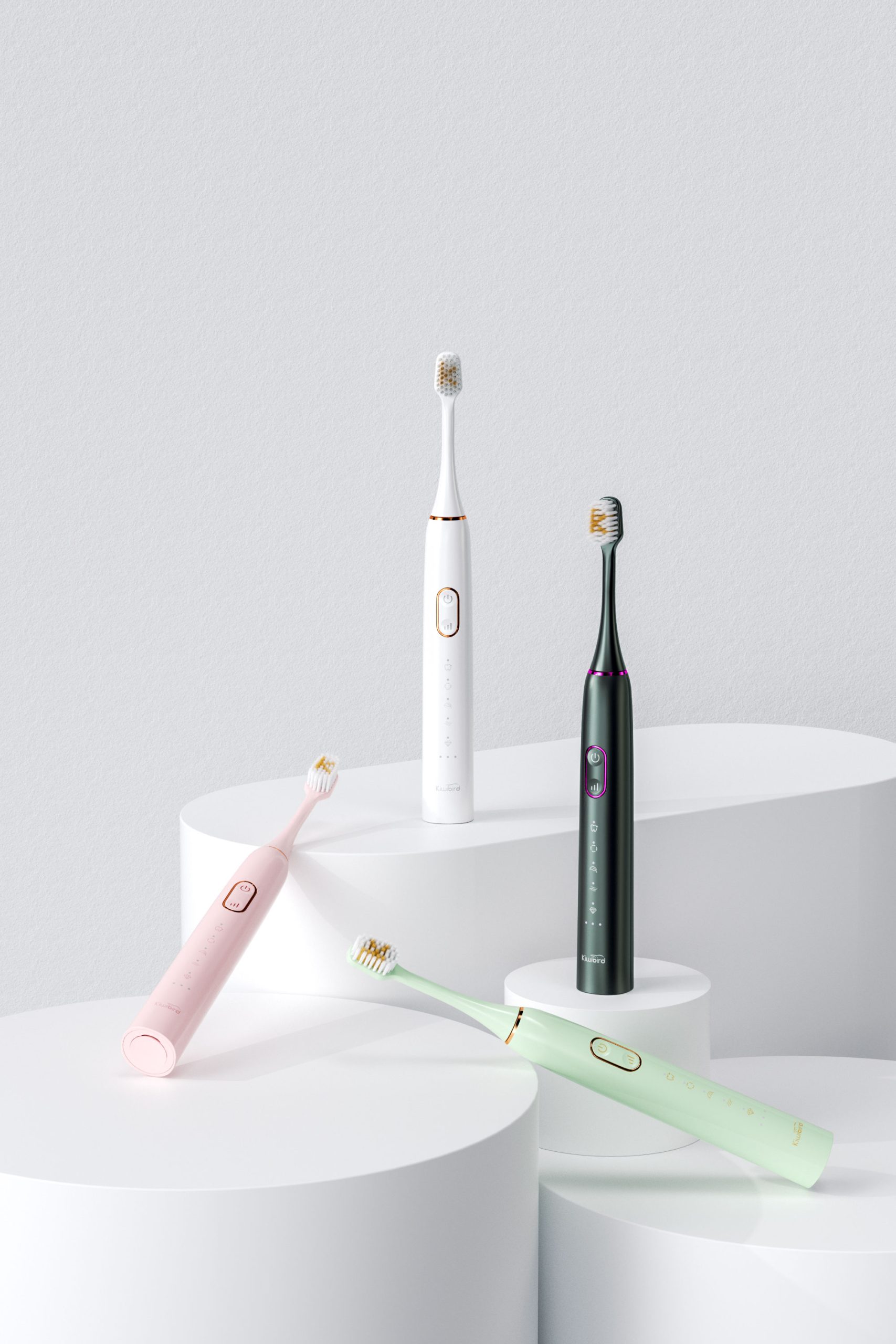
Which Electric Toothbrush With Whitening Works Best?
Quiet Sonic Toothbrush OEM Manufacturer for Global Brands

Can the Water Flosser Work if It’s Moldy and Smelly?
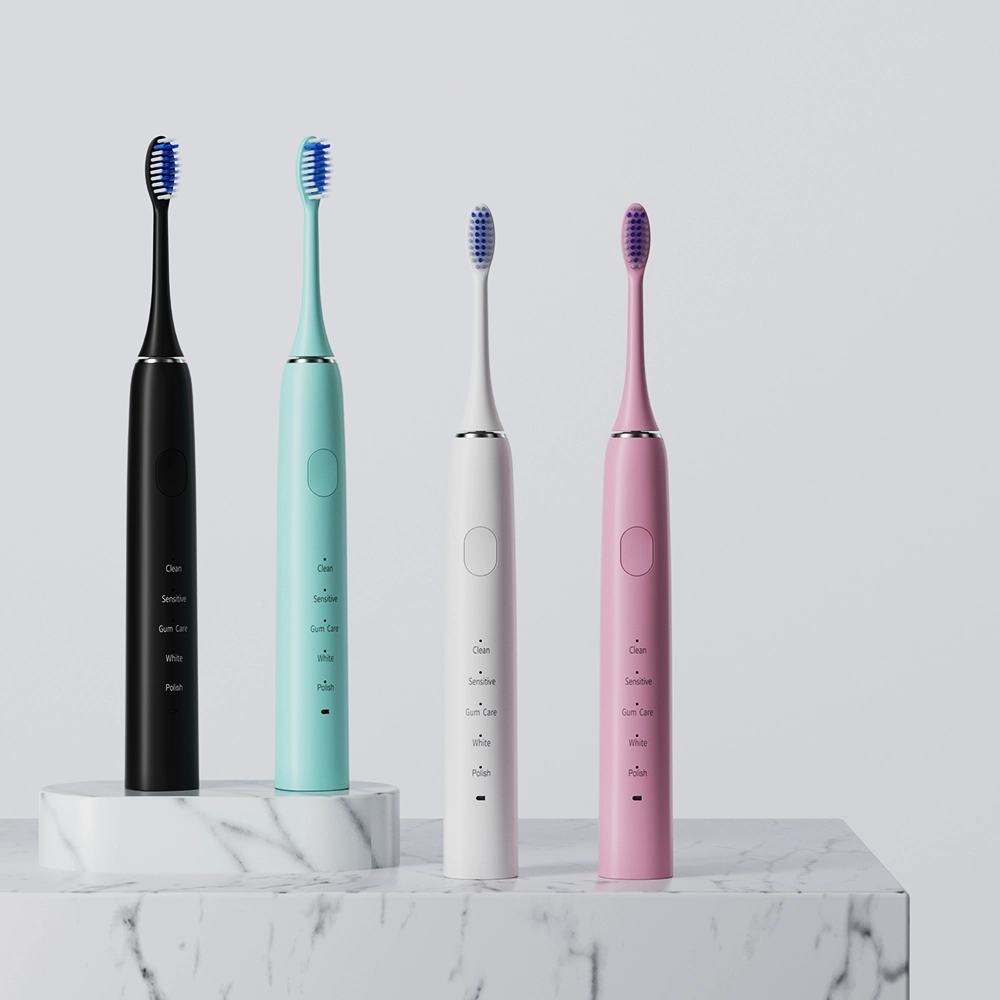
Environmental Protection and Sustainability of Electric Toothbrushes
.jpg)
Can Cartoons Improve Brushing Habits?
Ergonomic Discomfort Worsening Grip Fatigue – A Design Flaw or a Fixable Flaw?
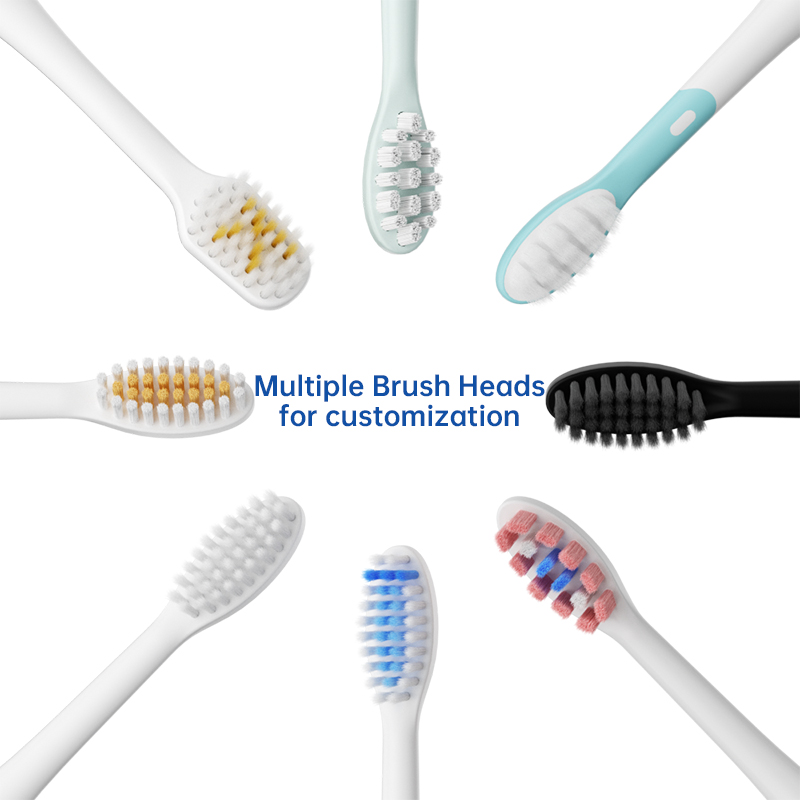
Is the brush head replacement reminder function really useful?
Holi Family Gift Pack Electric Toothbrush Ahmedabad
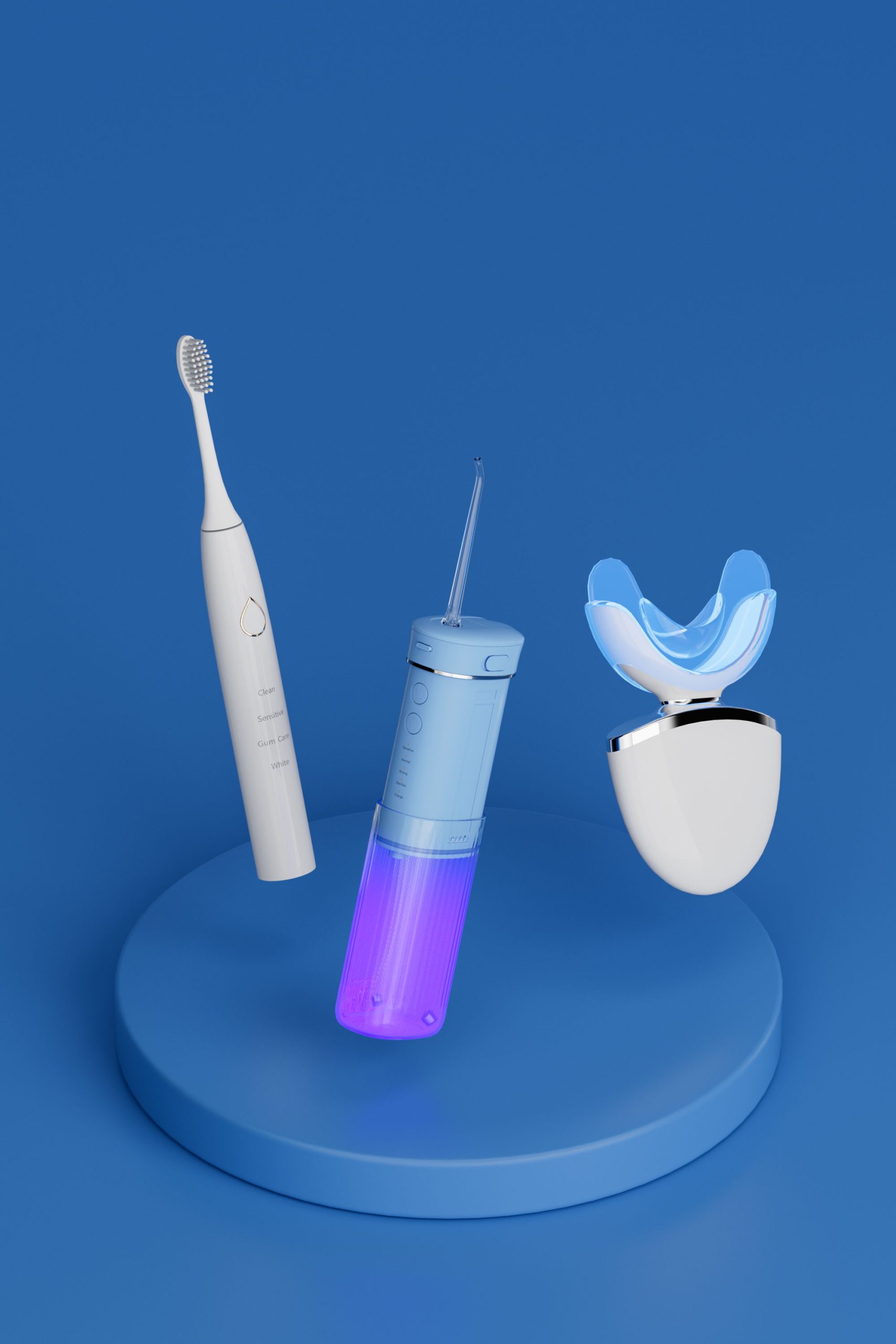
How Do Rapid Whitening Strips Leverage Advanced Whitening Essence Formulation for Fast Results?
ergonomic electric toothbrush design OEM | Human-Centered Toothbrush Manufacturer
USB Fast-Charging Toothbrush Wholesale – Modern Solutions for B2B Buyers


.jpg)
.jpg)
.jpg)
.jpg)
.jpg)






.jpg)