What factors do you consider when choosing an electric toothbrush? One critical decision for consumers is choosing between rechargeable and battery-operated models. This blog will help you understand the differences between these types and guide you in making an informed decision.
1. Convenience and Portability
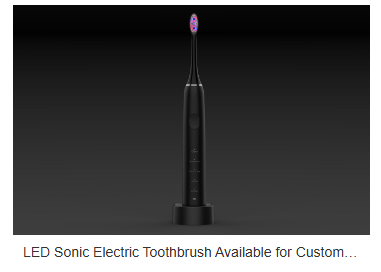
Rechargeable electric toothbrushes are typically charged using a docking station or a USB cable. This method is convenient for home use, as you can easily place the toothbrush back on its charger after use. However, if you travel frequently, a battery-operated toothbrush might be more suitable. Battery-operated toothbrushes are often lighter and don’t require a charging station, making them easier to pack and carry.
2. Cost and Sustainbility
While rechargeable toothbrushes might have a higher upfront cost, they are often more economical in the long run. You won’t need to regularly purchase replacement batteries, which can add up over time. Additionally, rechargeable toothbrushes are generally more environmentally friendly, as they reduce the number of disposable batteries that end up in landfills.
3. Performance and Power
Rechargeable electric toothbrushes usually offer more consistent power and advanced features compared to their battery-operated counterparts. They often come with multiple brushing modes, timers, and pressure sensors, which can enhance your brushing experience and improve your oral health. Battery-operated toothbrushes, on the other hand, might experience a decline in performance as the batteries drain, leading to less effective cleaning.
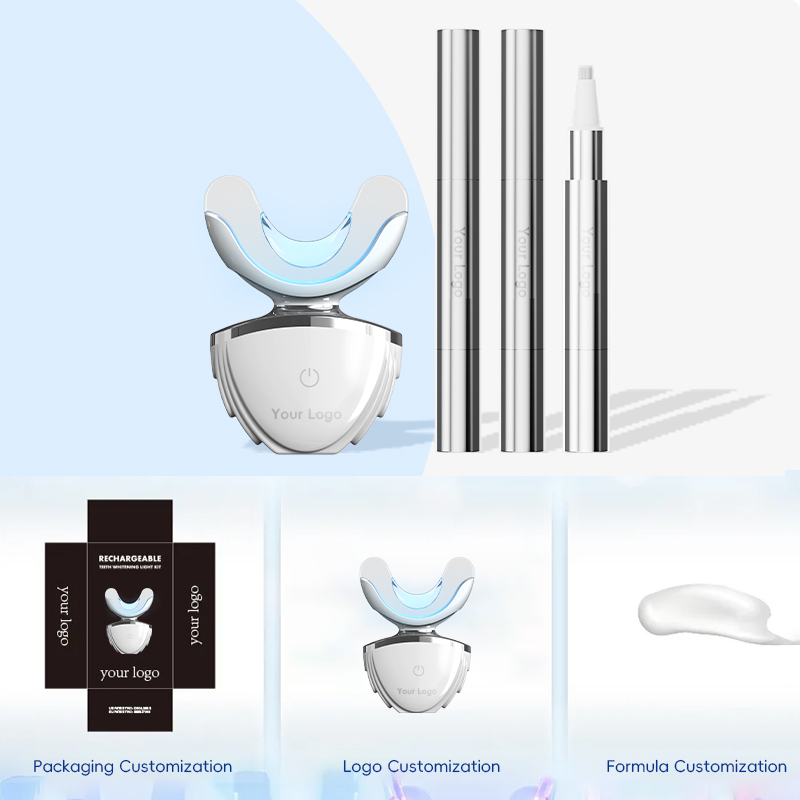
Choosing between a rechargeable and a battery-operated electric toothbrush depends on your personal preferences and lifestyle. If you value convenience and advanced features, a rechargeable model might be the better option. All of Powsmart’s sonic electric toothbrush, water flosser and teeth whitening kit are built-in rechargeable lithium battery and have long endurance. However, if portability and initial cost are your primary concerns, a battery-operated toothbrush could be more suitable. Consider your needs and priorities to make the best choice for your oral hygiene routine.
.jpg)
Electric Toothbrush Material Safety Supplier: OEM Compliance & Quality Guide

How Do Consumer Usage Data Insights from AI-powered Plaque Mapping Drive Product Innovation?
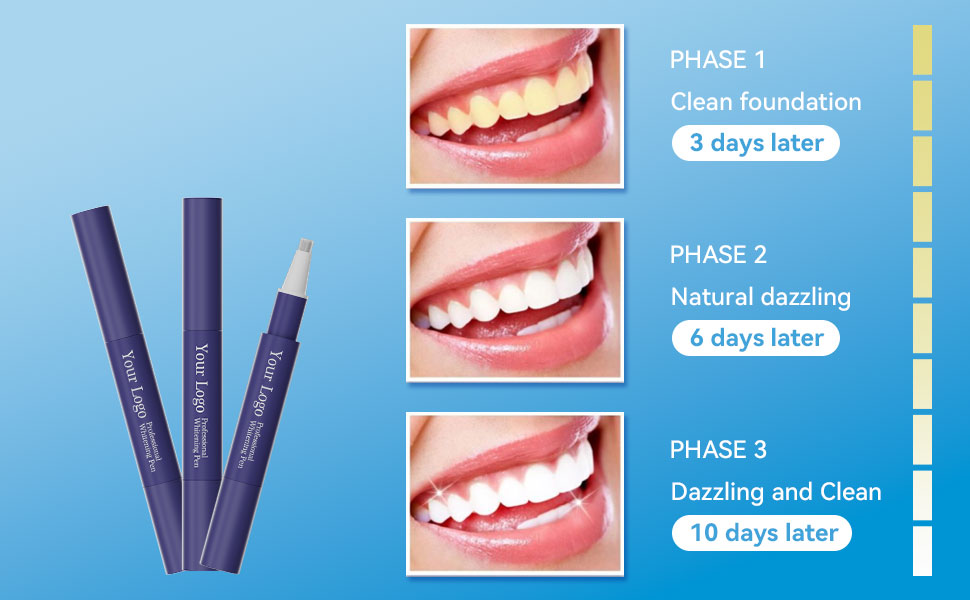
Oral health facts & tips: Teeth whitening
Taste Alteration After Tray Misalignment – Coincidence?
Why Perform Ultrasonic Welding for Housings in a Cleanroom Class 8 Assembly Environment?
How Fast Prototyping Helps Electric Toothbrush Development
Enamel Transparency Plus Taste Loss – Permanent Damage?
.jpg)
oral care distributors Los Angeles
Rechargeable Sonic Toothbrush Factory for OEM Production
High Frequency Sonic Toothbrush for Advanced Oral Cleaning
Electric Toothbrush for Cleft Palate
black hairy tongue water flosser: bacteria buildup
vitamin deficiency teeth whitening: realistic goals
High Frequency Sonic Toothbrush Technology Overview
Crowns and Bridges Water Flosser Cleaning Guide | Protect Dental Work
lupus oral care toothbrush guide: gentle care


.jpg)
.jpg)
.jpg)
.jpg)
.jpg)