
What factors do you consider when choosing an electric toothbrush? One critical decision for consumers is choosing between rechargeable and battery-operated models. This blog will help you understand the differences between these types and guide you in making an informed decision.
1. Convenience and Portability
Rechargeable electric toothbrushes are typically charged using a docking station or a USB cable. This method is convenient for home use, as you can easily place the toothbrush back on its charger after use. However, if you travel frequently, a battery-operated toothbrush might be more suitable. Battery-operated toothbrushes are often lighter and don’t require a charging station, making them easier to pack and carry.
2. Cost and Sustainbility
While rechargeable toothbrushes might have a higher upfront cost, they are often more economical in the long run. You won’t need to regularly purchase replacement batteries, which can add up over time. Additionally, rechargeable toothbrushes are generally more environmentally friendly, as they reduce the number of disposable batteries that end up in landfills.
3. Performance and Power
Rechargeable electric toothbrushes usually offer more consistent power and advanced features compared to their battery-operated counterparts. They often come with multiple brushing modes, timers, and pressure sensors, which can enhance your brushing experience and improve your oral health. Battery-operated toothbrushes, on the other hand, might experience a decline in performance as the batteries drain, leading to less effective cleaning.
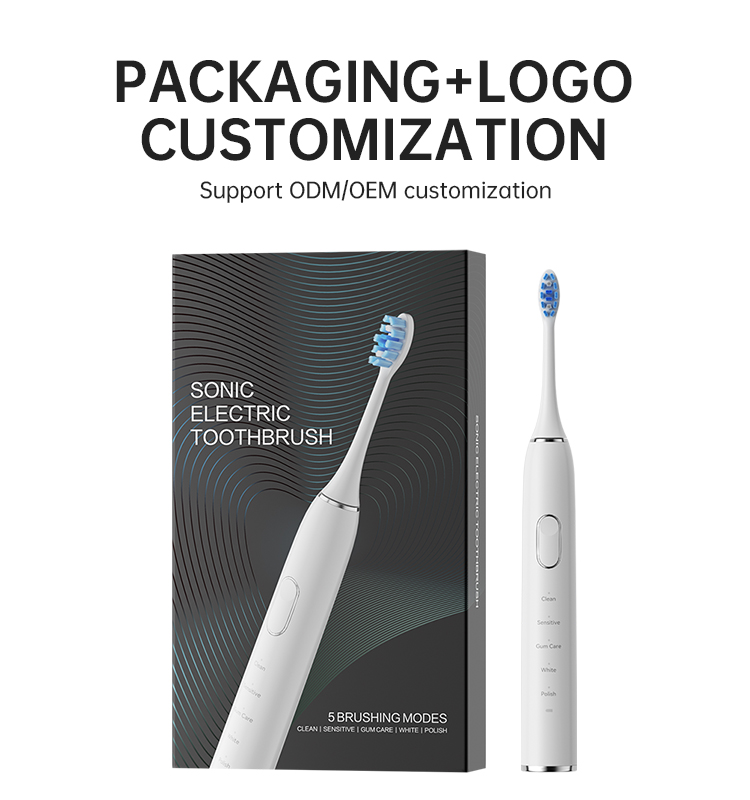
Choosing between a rechargeable and a battery-operated electric toothbrush depends on your personal preferences and lifestyle. If you value convenience and advanced features, a rechargeable model might be the better option. All of Powsmart’s sonic electric toothbrush, water flosser and teeth whitening kit are built-in rechargeable lithium battery and have long endurance. However, if portability and initial cost are your primary concerns, a battery-operated toothbrush could be more suitable. Consider your needs and priorities to make the best choice for your oral hygiene routine.
How Can an Electrochemical pH Sensor in a Toothbrush Contribute to Real-World Evidence Generation?

Why Pair an App-connected Whitening Device with Safe Hydrogen Peroxide Gel for Optimal Results?
.jpg)
IPX8 Waterproof Electric Toothbrush OEM Supplier
OEM Sonic Electric Toothbrush Manufacturer in China
Sensitive Teeth Electric Toothbrush Guide | Gentle Brushing for Pain-Free Cleaning

Does Six Sigma Process Control Justify a Transparent Cost-Plus Pricing Model?
Why Use a Tooth Colorimeter to Measure the Effect of a Whitening Catalyst Solution?
Why Dentist Consultations Mitigate Home Treatment Risks?
Rechargeable Sonic Toothbrush OEM Factory
Is Red Light Therapy Popular in Europe? Market Insights for Oral Care Brands
How Does Allergen Testing Prevent Bleach Residuals?
Electric Toothbrush Export Supplier
Water Flosser Not Working? Fix It
LED Teeth Whitening Device Manufacturer
Why Use Cavitation Cleaning Technology in a Gingival Sulcus Cleaner for Professional Oral Care?
Electric Toothbrush Private Label Service


.jpg)
.jpg)
.jpg)
.jpg)
.jpg)







.jpg)