In the competitive oral care market, rechargeable electric toothbrushes have become a core product for brands aiming to combine smart technology with daily hygiene. One of the most critical factors influencing user satisfaction—and therefore brand loyalty—is battery life. Consumers today expect their toothbrush to last for weeks on a single charge, while brands look to OEM manufacturers to deliver consistent, efficient, and reliable battery performance.
So, how long does the battery life of a rechargeable electric toothbrush typically last?
For most mid- to high-end models, the typical battery duration ranges from 10 to 30 days on a full charge, assuming twice-daily use for two minutes per session.
This range depends on several factors:
Battery type – Lithium-ion batteries are now standard for their high energy density and long life cycles.
Power management systems – Smart circuits help prevent overcharging, overheating, and unnecessary energy loss.
Motor efficiency – The torque and vibration intensity directly impact power consumption.
For brands working with an OEM manufacturer, the battery performance is not just a technical specification—it’s a major selling point. A trusted OEM partner should provide:
High-efficiency power cells with stable voltage output.
Customized battery capacity options based on product positioning.
Integrated power management systems that extend battery life and ensure safety.
When brands evaluate potential factories, it’s essential to discuss how the OEM handles battery sourcing, testing, and lifespan optimization during production.
Even the best battery will underperform without effective power management. Advanced power management systems can:
Regulate charging and discharging cycles.
Reduce idle power drain when the brush is not in use.
Support features like smart reminders and travel-mode power saving.
By collaborating with an OEM that prioritizes intelligent power management, brands can deliver longer-lasting products and fewer consumer complaints about charging frequency.
To ensure the ideal rechargeable electric toothbrush battery life, oral care brands should:
Specify target battery duration during the initial design stage.
Request prototype testing to evaluate real-world power usage.
Verify OEM compliance with international safety and battery standards.
Choose manufacturers that offer integrated R&D support for battery and circuit optimization.
Such partnerships help brands launch reliable, high-performance toothbrushes that align with modern consumer expectations.
Battery life defines the convenience and reliability of a rechargeable electric toothbrush. By understanding typical battery duration and working closely with an OEM experienced in battery performance and power management, brands can gain a competitive advantage.
The right manufacturing partner doesn’t just supply components—they co-create innovation. In a market driven by user experience, optimized battery life can be the key differentiator that sets your oral care brand apart.
.jpg)
Is your Electric toothbrush truly Dentist recommended?
.jpg)
Electric Toothbrush Houston – Advanced Oral Care for Bright Smiles
Professional Sonic Toothbrush OEM
Electric Toothbrush with Long Battery Cycle Durability, Waterproof Design & Advanced PCB Technology
Case Study of Intelligent Upgrading of Dental Instrument Factory
Does Continuous Bluetooth Connectivity Significantly Affect Overall Battery Life of Electric Toothbrushes?
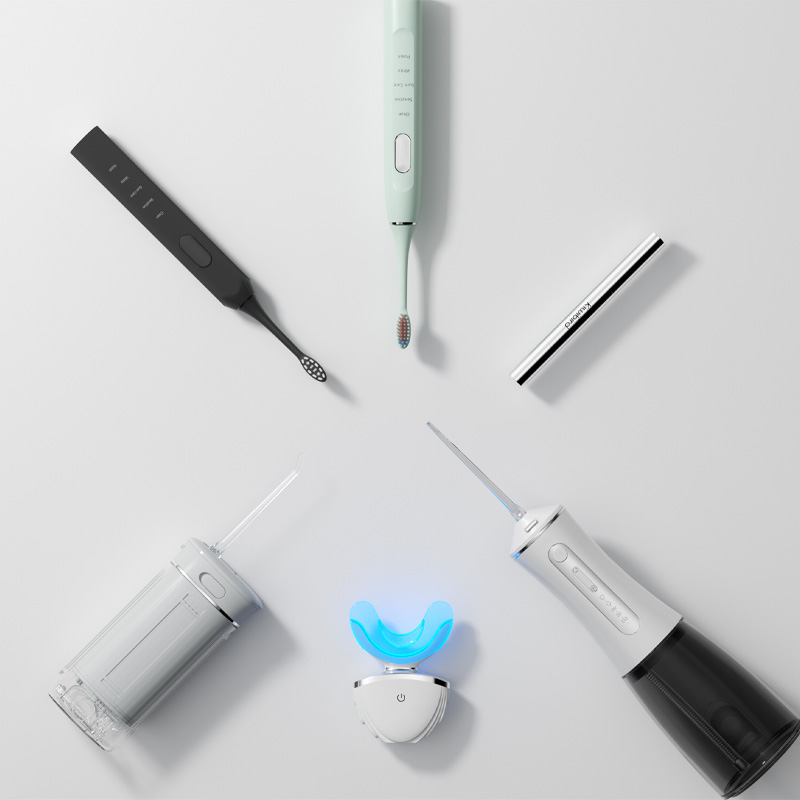
Where to Find Orlando Deals Toothbrush for Orlando Travel Toothbrush?
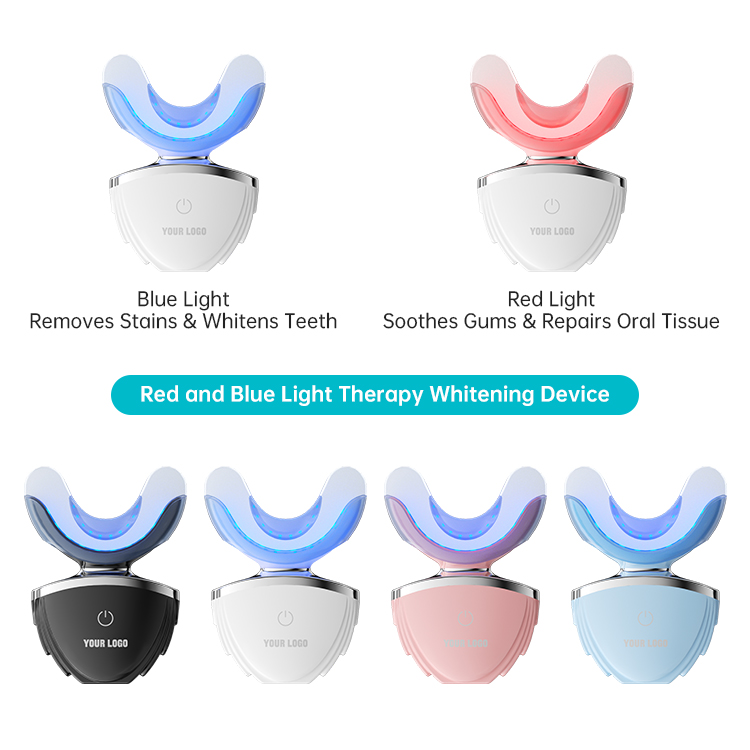
How to Start a Private Label Teeth Whitening Brand?
Private Label Toothbrush Companies in Texas
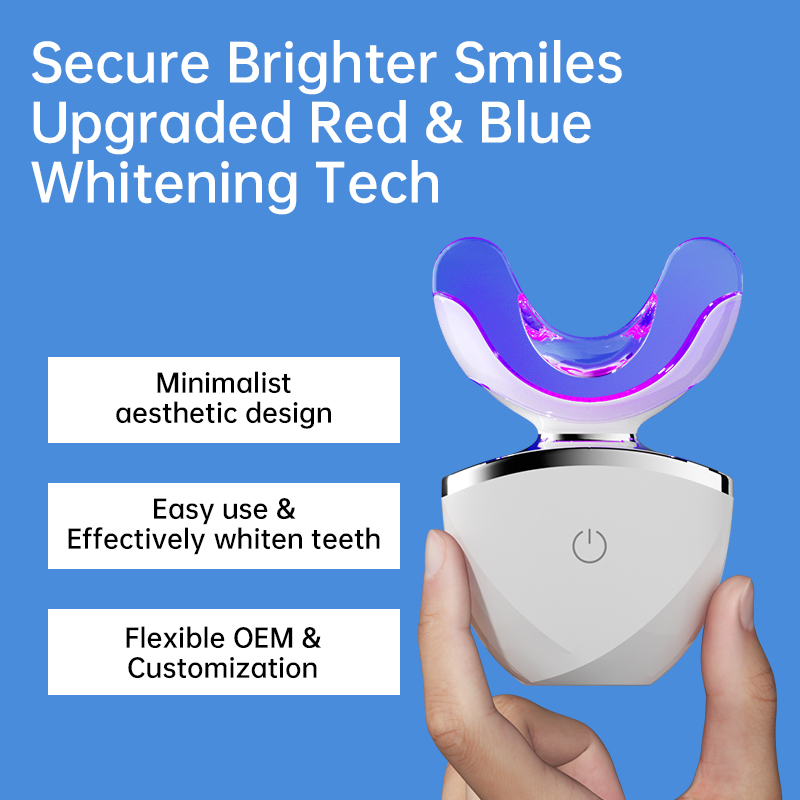
How Does OEM Whitening Kit Development Cater to a Portable Whitening Kit Supplier’s Needs?
Electric Toothbrush Export Factory for Global OEM Buyers
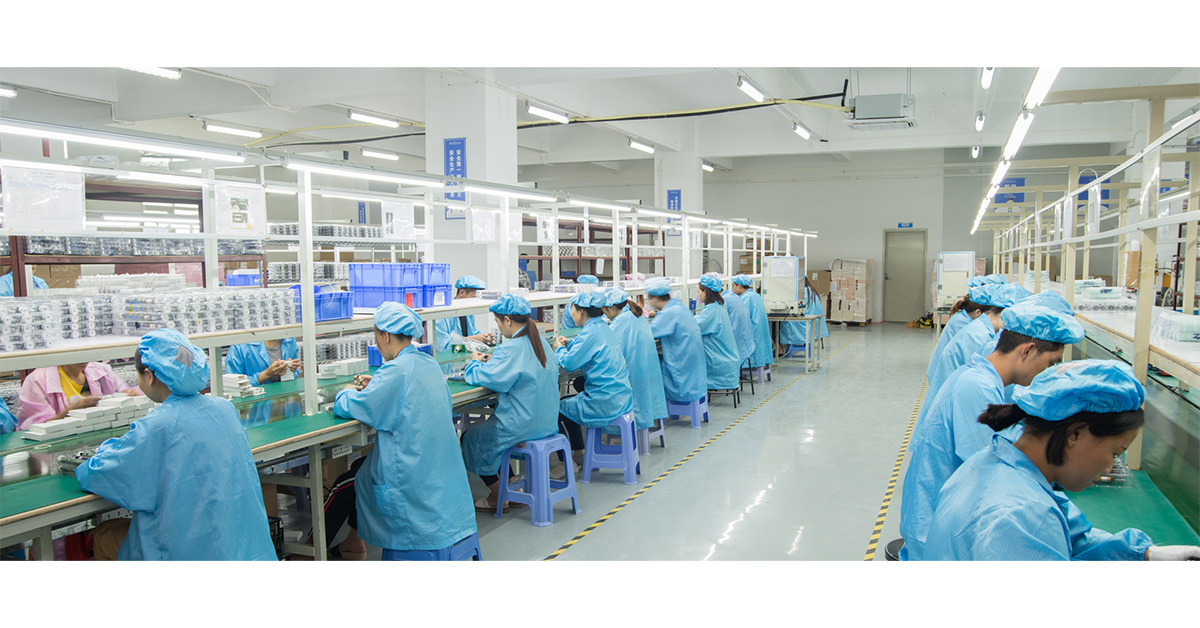
The Stronger the Power for an Electric Toothbrush, the Better?
Electric Toothbrush Packaging Customization for OEM and Private Label Brands
USB Rechargeable Toothbrush Wholesale Supplier Guide
The Key Technical Indicators Affecting the Cleaning Effect of the Water Flosser
How Does Quad-brush Synchronization Technology Enhance Laminar Flow Nozzle Performance in Water Flossers?


.jpg)
.jpg)
.jpg)
.jpg)
.jpg)






.jpg)
.jpg)