
Brands and OEMs often get asked whether a Herbal toothbrush India concept (heads or filaments treated with botanical extracts) or a Natural bristle toothbrush (animal-hair filaments) is the safer, more credible option — especially when those heads are paired with electric handles. The short answer for electric toothbrush programs is: synthetic filaments with well-engineered herbal finishes are usually the safer, more practical path; true natural bristles introduce hygiene, durability and regulatory risks. Below are six manufacturer-focused dimensions that explain why, and what to do if you want to bring herbal or “natural” cues to market responsibly.
First and foremost, hygiene matters. Natural bristles (animal hair) are porous, hold moisture, and can trap organic matter — conditions that increase bacterial retention and odor risk compared with modern synthetic filaments. Consequently, a Natural bristle toothbrush is harder to dry and sanitize, which is especially problematic for electric toothbrush heads that sit in humid bathrooms or travel cases.
By contrast, synthetic filaments (PBT/nylon) are non-porous and rinse/dry quickly. If you want a Herbal toothbrush India story, it’s safer to apply a stable, non-leaching botanical finish to synthetic filaments and then validate that finish with microbiological tests (pre- and post-abrasion). In short: for electric brush heads, hygienic performance favors engineered synthetics over animal hair.
Next, consider functional safety. Natural bristles vary in diameter, taper, and wear characteristics. Over time they can splay, harden, or break — changing abrasion behavior against enamel and gingiva. That variability makes it difficult to guarantee consistent plaque removal and safe abrasion levels across production lots.
Therefore, a Herbal toothbrush India option built on engineered filaments lets you specify filament diameter, taper, and end-rounding so you can hit targeted abrasivity and validated cleaning indices. From a manufacturer’s perspective, performance predictability is a safety feature — and synthetics win here too.
Moreover, botanical marketing claims attract regulatory scrutiny if they imply antimicrobial or therapeutic benefits. If you plan a Herbal toothbrush India head:
Thus, herbal branding is acceptable — but only with tested chemistries and careful, compliant language.
Importantly, brush heads attach to high-frequency drives (sonic or oscillating). Natural bristles and some botanical coatings can delaminate, absorb water and change mass distribution — causing imbalance, increased motor load, noise, or premature mechanical wear. Those outcomes not only reduce product life but can create safety complaints (excessive vibration, overheating).
Therefore, if you’re developing a Herbal toothbrush India head for an electric platform, validate head balance, motor current, and NVH before production. Synthetic filament heads with applied herbal finishes are far easier to certify for long-term dynamic stability.
Next, think operationally. Sourcing consistent natural bristles at scale with food-grade cleanliness and low microbial load is difficult and expensive. Moreover, batch variability creates QC headaches. Alternatively, botanical extracts also require traceability & stability testing; supply chain audits are essential.
From a B2B angle: a Herbal toothbrush India built on synthetic filaments plus a certified botanical supplier is simpler to scale, while a true Natural bristle toothbrush will increase inspection, supplier qualification, and potential returns risk — all of which affect margins and retailer acceptance.
Finally, translate safety into a launch plan. Recommended manufacturer steps:
To recap: for electric toothbrush lines, a Natural bristle toothbrush is generally less safe and harder to manage at scale than a Herbal toothbrush India concept built on synthetic filaments. If you want the cultural or botanical positioning, do it on engineered heads — and then substantiate safety and durability with the right tests.
Quick action checklist for B2B teams:
If you’d like, I can translate this into a developer pack: suggested filament specs, herbal coating acceptance criteria, test protocols, and compliant claim templates tailored to your electric toothbrush platform.Contact us
.jpg)
-1024x1024.jpg)
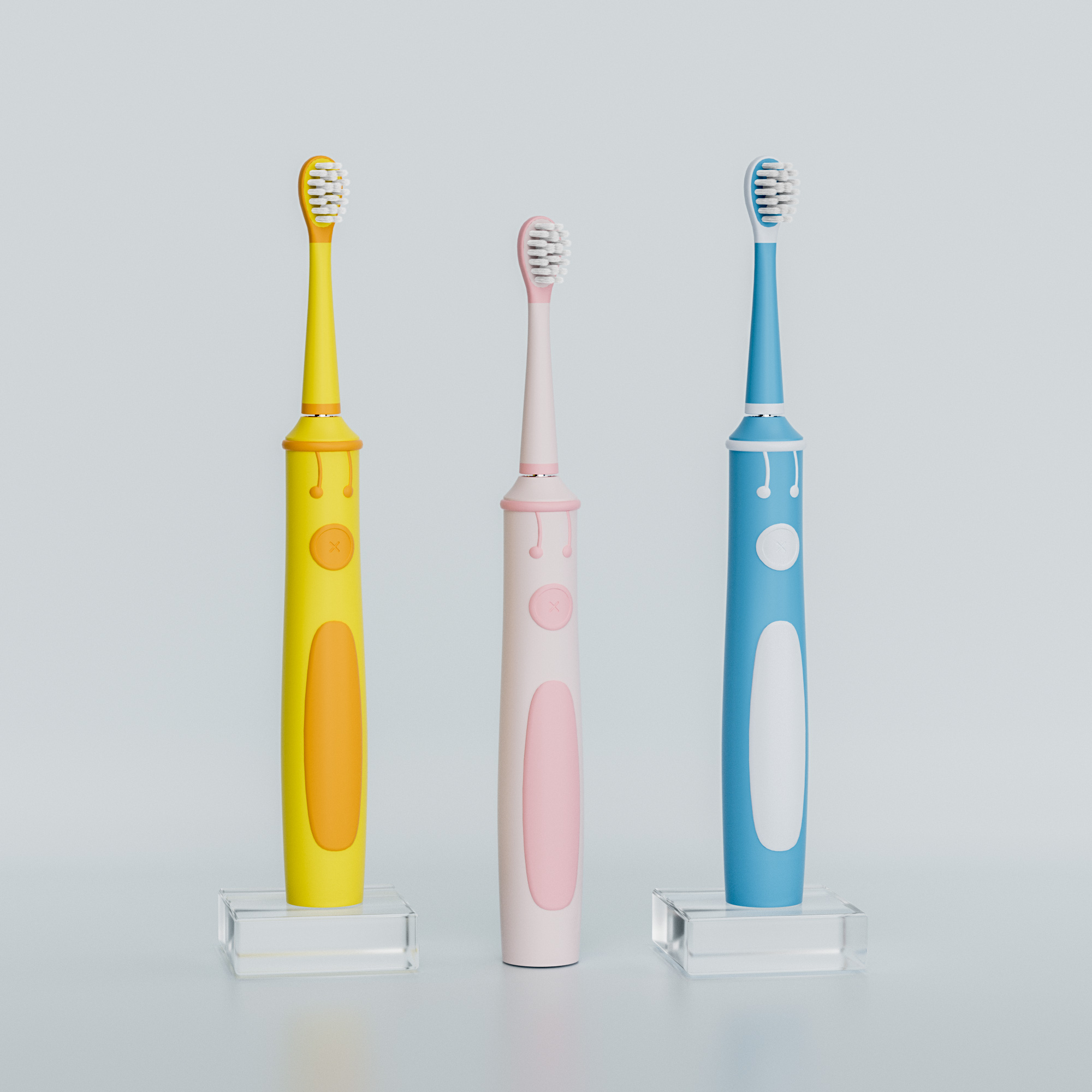
Children’s Oral Care: Developing Good Oral Habits at an Early Age
.jpg)
How to Handle Temperature Spikes and Handle Slippage?
Smart Electric Toothbrush for Tech Professionals Koramangala
Is Battery Swelling Causing Pressure Loss?
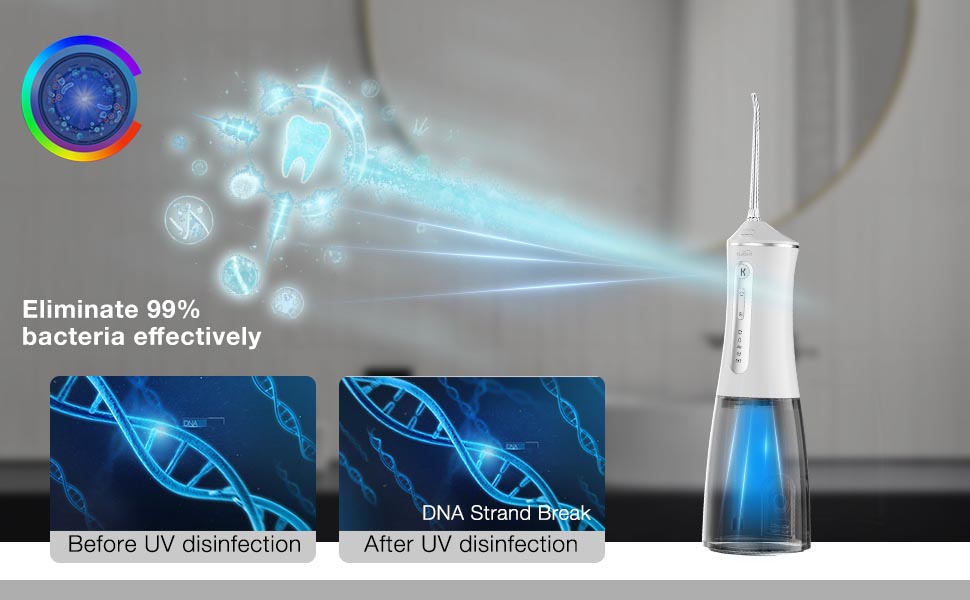
Enjoy Using a Water Flosser to Boost Oral Hygiene
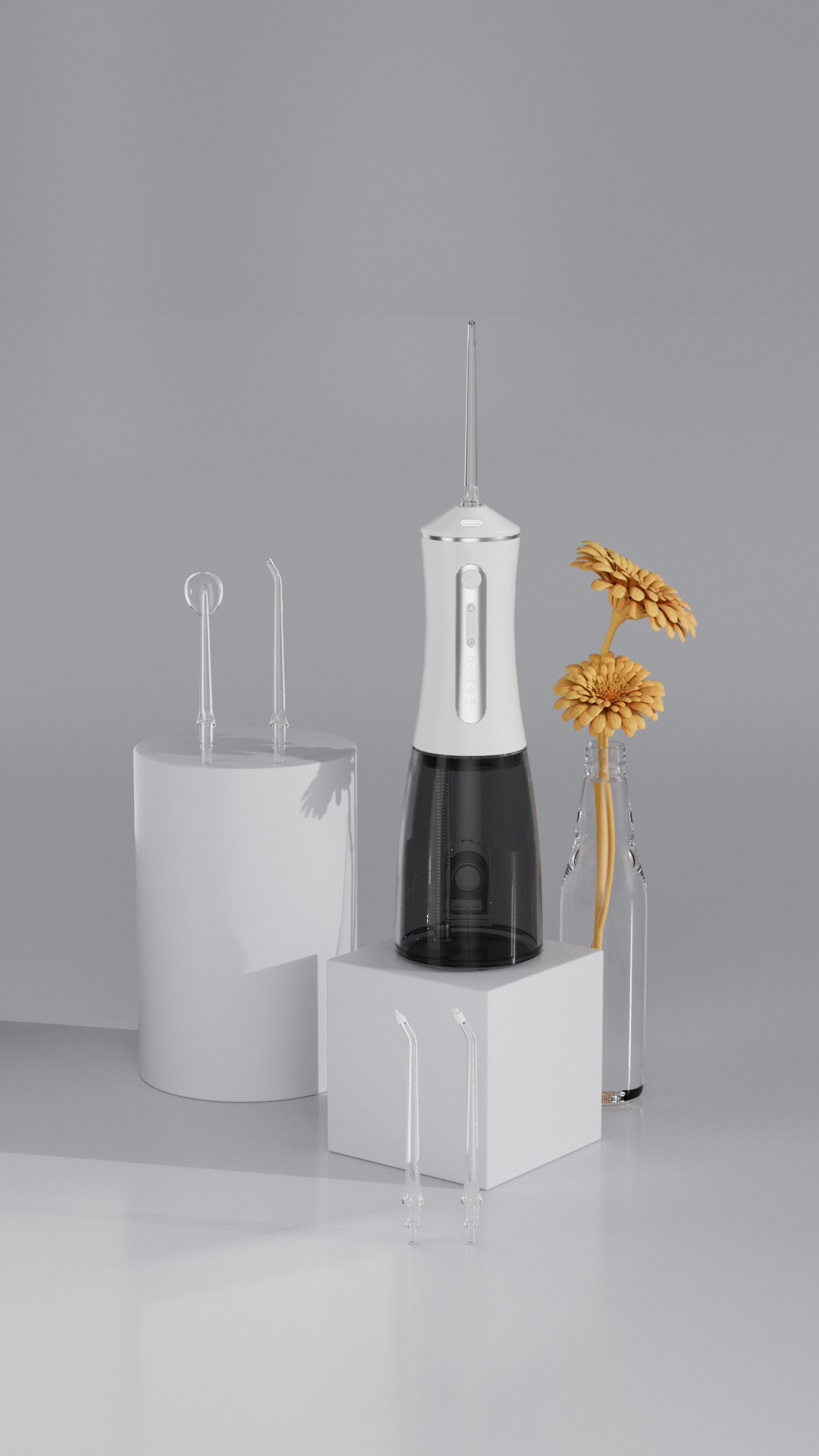
Scientific Oral Care: An All-Inclusive Guide to Preventing Oral Diseases
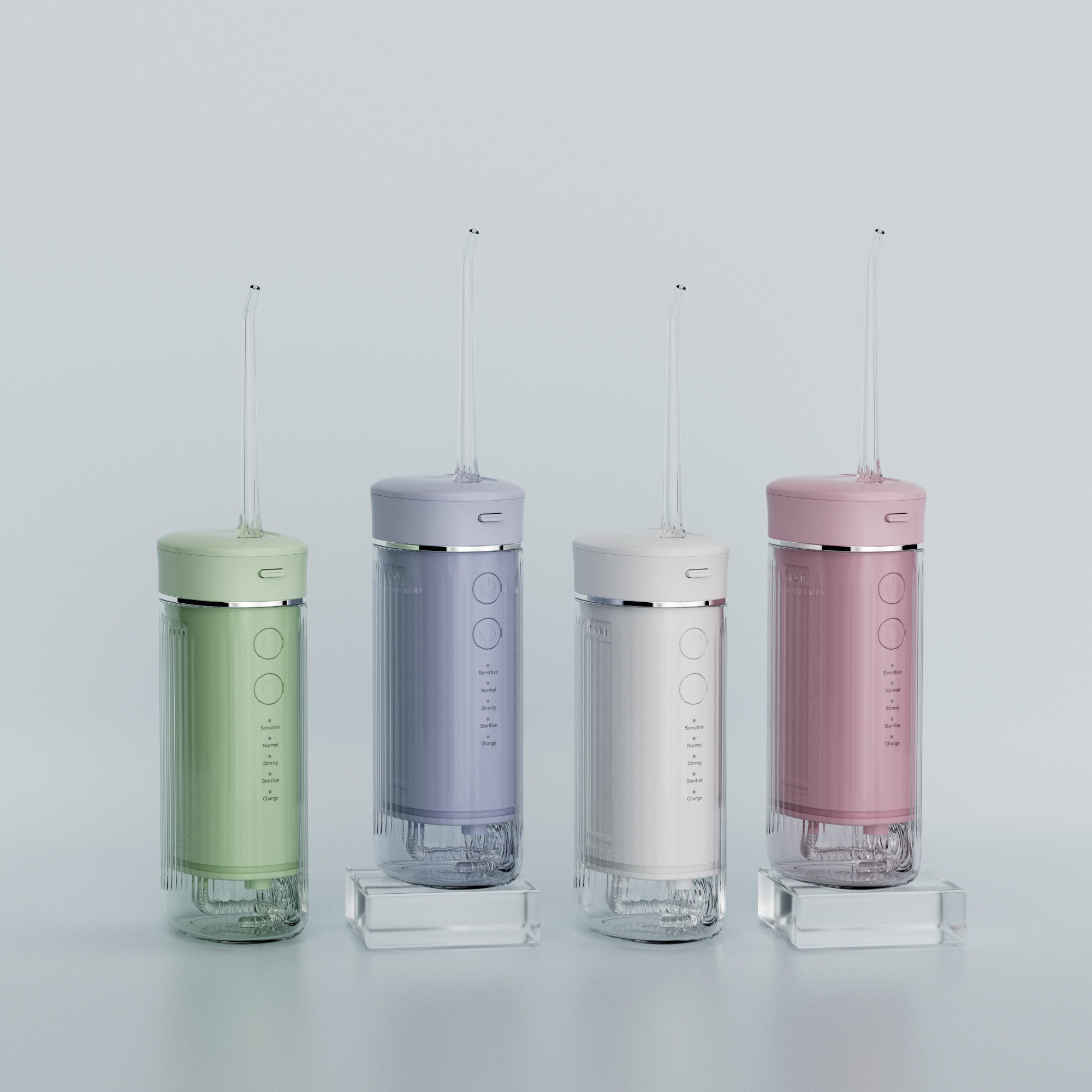
water Flosser Technology Innovation Leads to New Oral Care Trends
Advanced AI Electric Toothbrush with App Review Bangalore
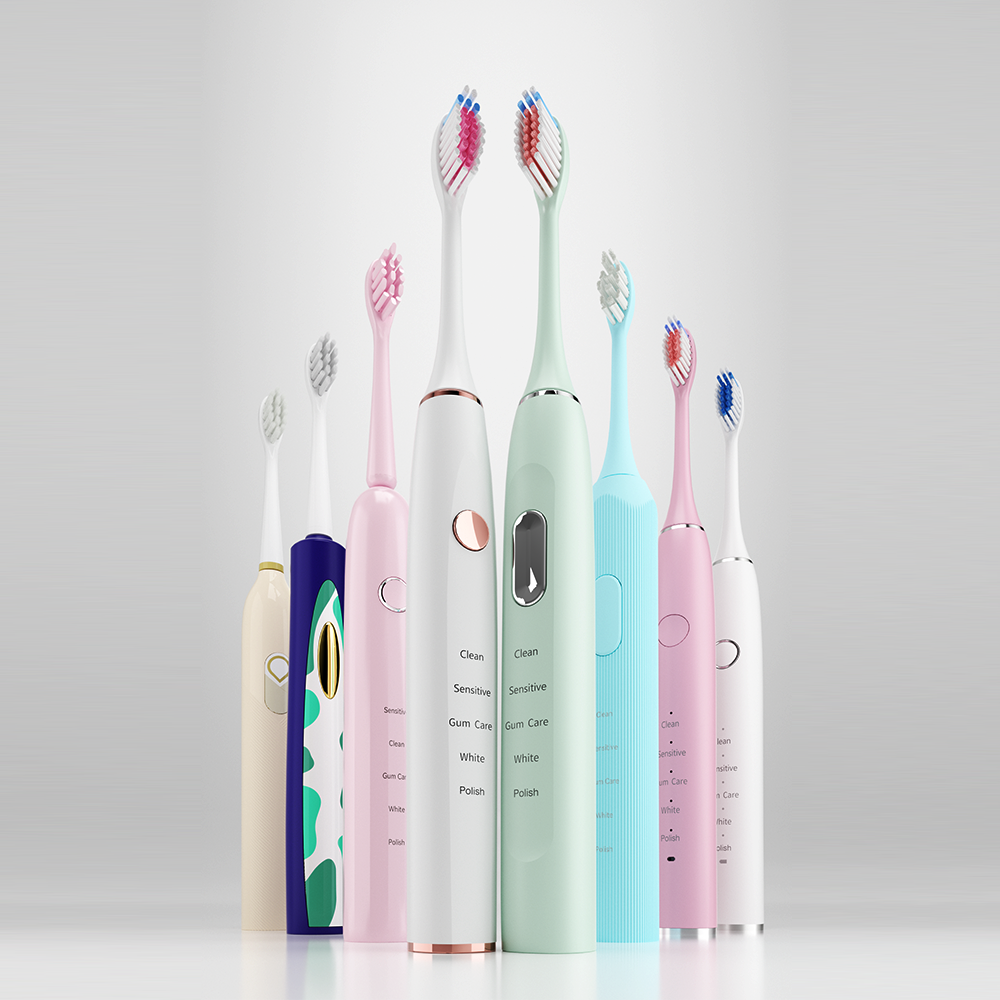
Difference between sonic toothbrush and sweeping electric toothbrush
Could Your Toothbrush Be Damaging Gums?
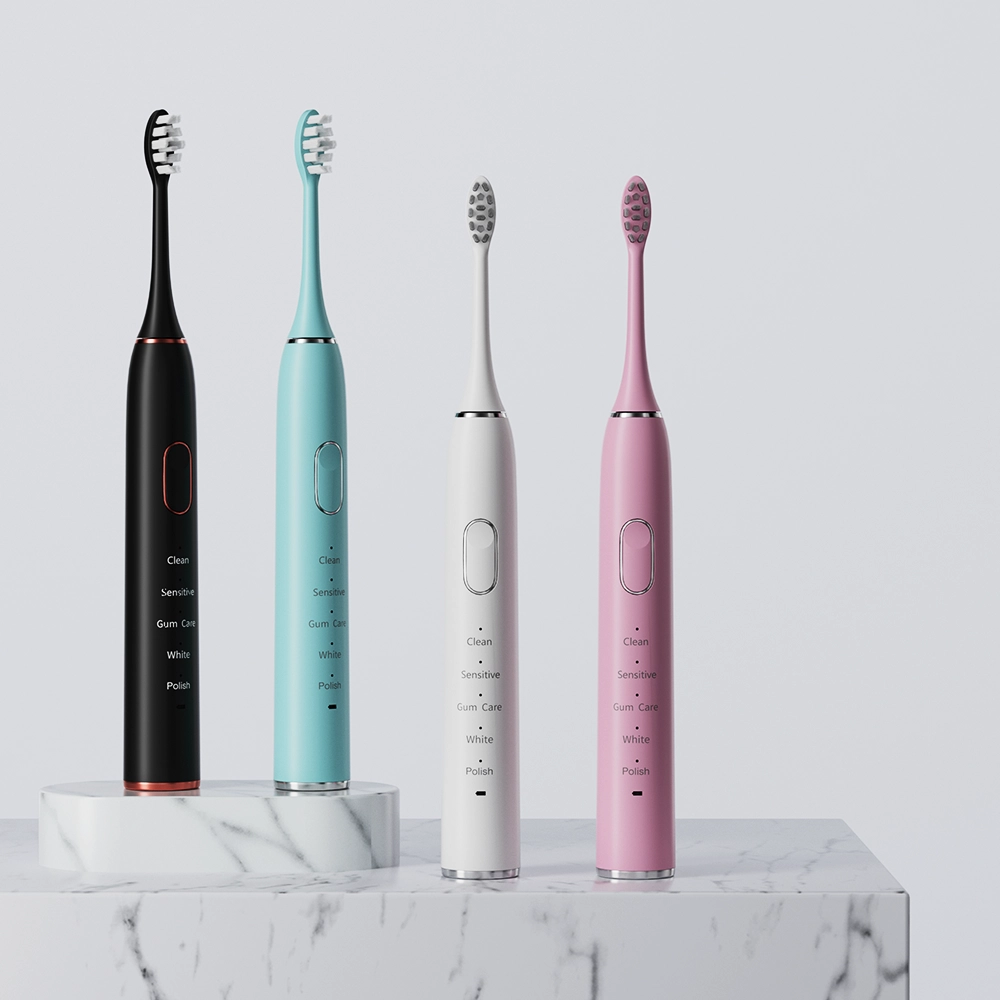
Revolutionizing Oral Care: The Benefits and Effectiveness of Electric Toothbrushes
How to Clean Dirty Ports and Seal Deterioration?
How to Fix LCD Glitches and Sensor Errors?
Are You Brushing Too Hard?
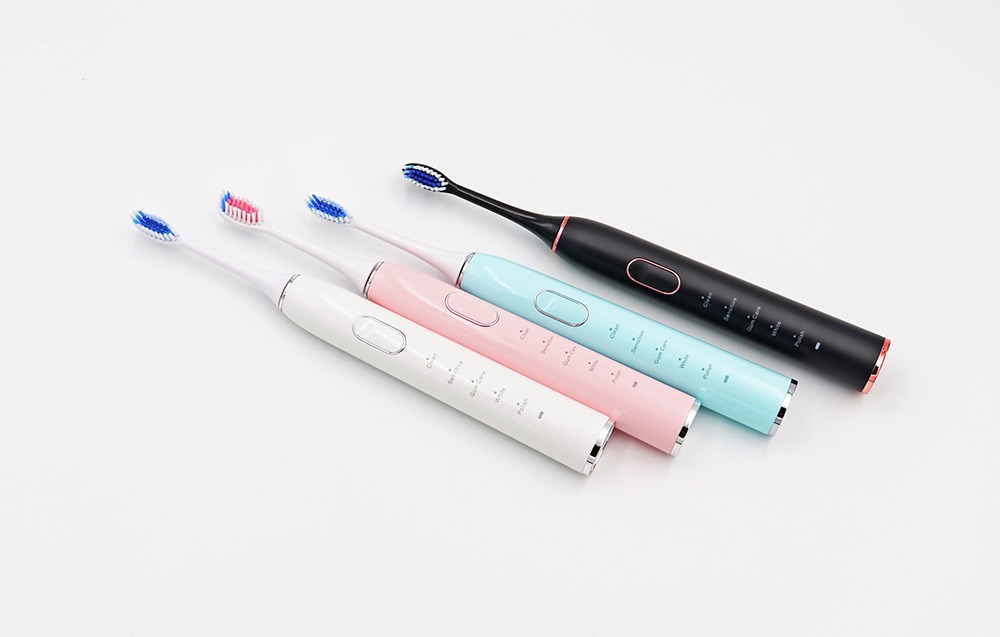
From manual to electric toothbrushes: a revolution in changing toothbrush habits
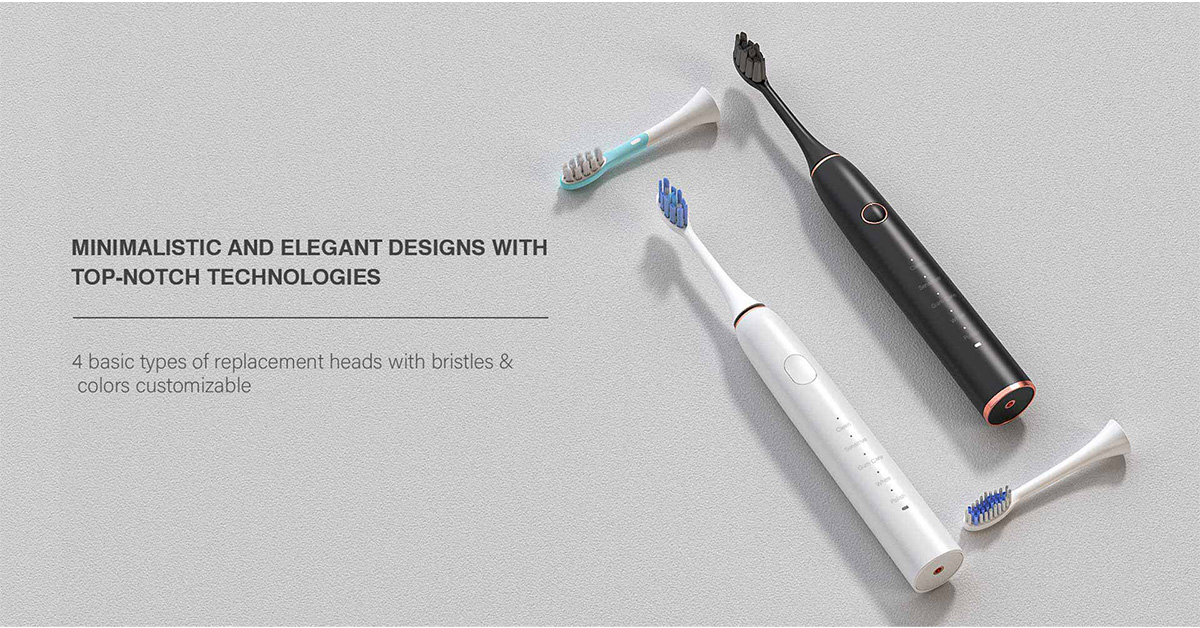
The various functions of electric toothbrushes: gimmick or practical?


.jpg)
.jpg)
.jpg)
.jpg)
.jpg)




.jpg)

.jpg)