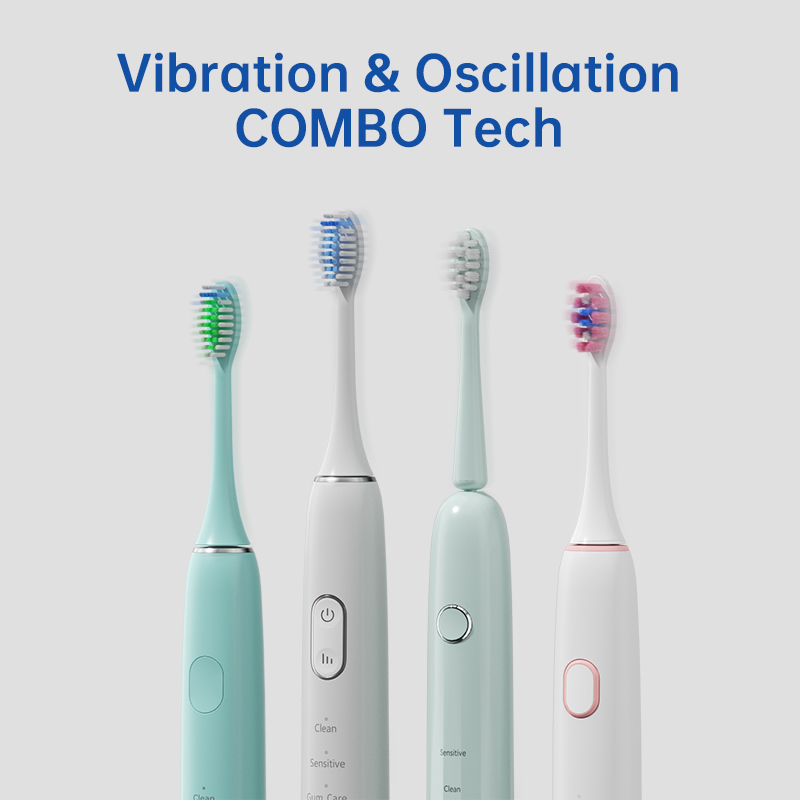
When professionals and consumers alike encounter head detachment in oral care devices, especially at the same time as lip abrasions, it raises serious concerns about product safety and design integrity. While occasional wear and tear is inevitable, recurring cases of this combination can signal a deeper design fault that demands close examination. This article explores the possible connection, the risks involved, and the steps manufacturers can take to prevent these failures.
Head detachment generally stems from:
When a head detaches during use, it can expose hard or jagged internal surfaces that contact soft tissues.
While lip abrasions can occur independently—through overbrushing, hard bristle contact, or accidental slips—the sudden head detachment can dramatically increase their likelihood:
These incidents can lead not only to lip abrasions but also to minor bleeding, discomfort, and reluctance to continue using the product.
While isolated cases may be due to improper handling, repeated reports of head detachment combined with lip abrasions should prompt an in-depth investigation. Signs that the issue may be a design fault include:
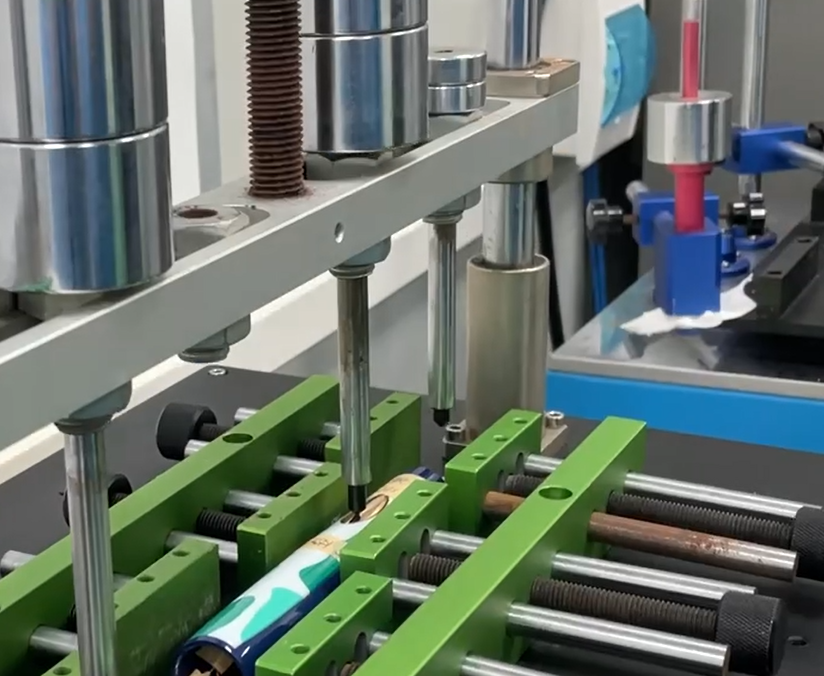
Thorough testing and disassembly of returned units can reveal whether tolerances, materials, or assembly methods are to blame. Company web: https://www.powsmart.com/product/electric-toothbrush/
Overlooking this combination exposes brands to multiple risks:
In B2B supply agreements, unresolved safety complaints often lead to contract terminations and negative business reviews.
Forward-thinking brands can take specific actions to address these failures:
By proactively addressing these issues, manufacturers can safeguard user safety and strengthen customer confidence.
If head detachment and lip abrasions have been reported by clients or distributors, transparency is critical:
Such steps not only reduce the chance of repeat issues but also showcase your commitment to continuous improvement.
While head detachment during use can sometimes be attributed to user error, its frequent overlap with lip abrasions warrants immediate attention. By analyzing product design, material selection, and assembly processes, manufacturers can decisively reduce the risk. In the long term, these improvements drive brand loyalty and position your company as a leader in safe, reliable oral care technology. Contact us
.jpg)
.jpg)
Rechargeable Oral Whitening Device Supplier for OEM and Wholesale Markets
Electric Toothbrush Warranty Coverage Explained: What Your Warranty Actually Covers
Integrating the Best Light Therapy for Mouth into Your OEM Oral Care Products
Parts Shortages and OEM Liability Disrupting Supply Chains?
Tank Mold with Bacterial Regrowth – Health Crisis?
What Safety Precautions Should Be Taken When Installing the Electric Toothbrush Head?
Need Toothbrush Industry Insights to Navigate Toothbrush Market Trends?
.jpg)
Electric Toothbrush Noise Level Test: Powsmart vs. Philips & Oral-B
Corporate Wellness Electric Toothbrush Pack | Bulk Oral-Care Gift Supplier

Should You Get Your Child a Water Flosser?
The Current Market Prospects and Analysis of Water Flosser
Cordless Compact Water Flosser OEM | Portable Oral Irrigator Manufacturer
Blue Light Whitening Device OEM Solutions for Global Brands
What is the #1 dentist recommended electric toothbrush?

Seeking a Toothbrush Sustainable Supplier?
.jpg)
Can Sustainable Water Flosser Material Sourcing Enhance Water Flosser Design Services?


.jpg)
.jpg)
.jpg)
.jpg)
.jpg)