Electric toothbrushes have become an essential tool for maintaining oral hygiene, but many users often notice that certain models make excessive noise during operation. This issue can diminish the user experience and even discourage consistent usage. Understanding why an electric toothbrush makes noise and exploring potential solutions for electric toothbrushes noisy problem can help manufacturers design better products and improve customer satisfaction.
Motor and Vibration Mechanics:
The primary source of noise in electric toothbrushes is the motor, which generates vibrations to clean teeth effectively. While these vibrations are necessary, poor motor design or insufficient dampening materials can amplify the noise levels significantly.
Material Quality:
Low-quality materials used in toothbrush casings can lead to increased noise due to poor sound insulation. Thin or poorly fitted parts can rattle during operation, adding to the overall noise.
Wear and Tear:
Over time, components within an electric toothbrush, such as gears or bearings, may degrade, causing the device to operate louder than it initially did. Regular maintenance or timely replacement of parts can mitigate this issue.
When an electric toothbrush makes noise, it can create a negative impression, particularly for users sensitive to sound or those who use the toothbrush in shared spaces. Excessive noise may lead to complaints, returns, and ultimately, a decline in brand reputation. As such, addressing this issue is crucial for manufacturers aiming to remain competitive in the market. Powsmart’s electric toothbrushes noise lower than 55db.
Improved Motor Technology:
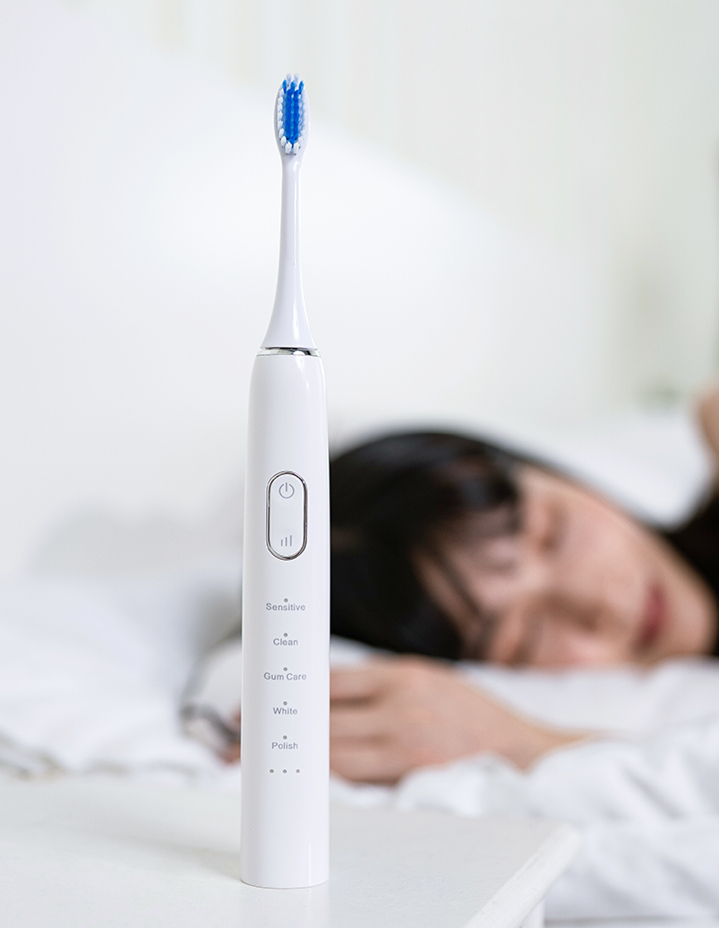
Investing in advanced, quieter motor designs can significantly reduce the noise levels of electric toothbrushes. The sonic motor Powsmart used are designed and developed by ourselves, which gives excellent cleaning ability, quieter brushing experience and stable quality.
Sound Dampening Materials:
Adding high-quality insulation materials within the toothbrush casing can help absorb sound and vibrations. Using tighter assembly techniques can also prevent rattling.
Product Testing and Calibration:
Rigorous testing during the production phase can identify noisy components before the product reaches the market. Adjusting the alignment of internal parts can also reduce operational noise.
Enhanced Gear Systems:
Upgrading the gears to smoother, more efficient designs can lower friction, leading to quieter operation. Proper lubrication of moving parts is another simple yet effective solution.
Understanding why an electric toothbrush makes noise is essential for developing high-quality products that meet consumer expectations. By implementing solutions for solving the noisy problem, manufacturers or businesses can not only enhance the user experience but also strengthen their position in the competitive electric toothbrush market. Ultimately, addressing this issue is a win-win for both producers and consumers, ensuring satisfaction and brand loyalty. Contact Powsmart if you want to know more about the electric toothbrush manufacturing industry. https://www.powsmart.com/contact-us/
.jpg)
Confused by dental insurance? Which coverage plans include implants?

Seeking Bio-compatible Housing Material with Non-slip Grip Texture for Your Toothbrush?
Why Include a Teeth Shade Guide with Your UV Whitening Technology System?
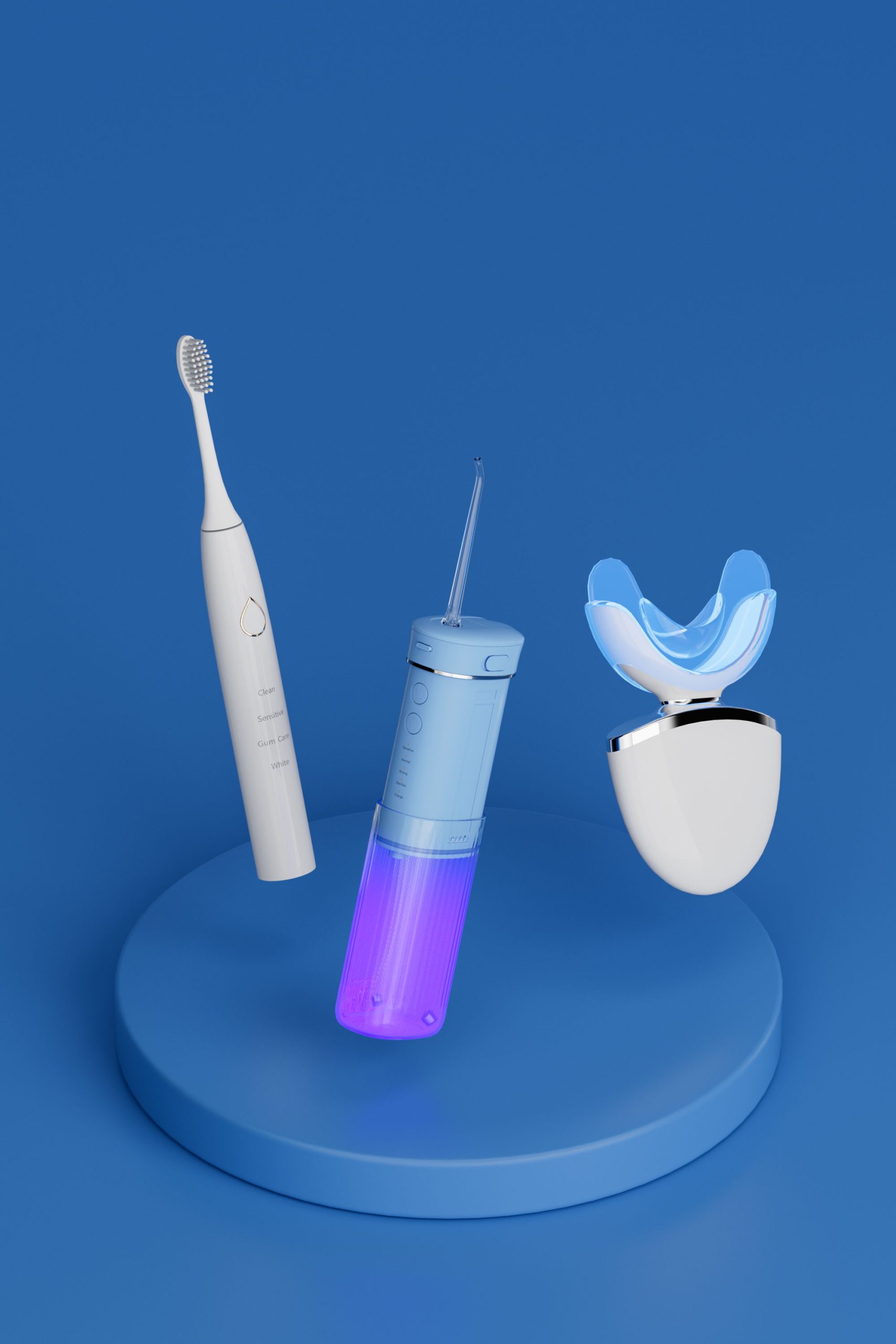
UV Sanitizing Technology in Electric Toothbrush OEM Design
.jpg)
Does Waterproof Seal Degradation Accelerate Bristle Splaying?
See How Powsmart’s Real-Time Brushing Data for Kids Works via Your Phone!
Countertop vs. Cordless Flosser?
Does Device Discoloration Signal Gum Recession Triggers?
Need an Apical Irrigation Tip that Utilizes Hydro-kinetic Energy Transfer for Root Canal Cleaning?

Is Saline Solution Compatibility Key for a Calcified Deposit Remover in Professional Flossers?
Tooth Demineralization Alongside Enamel Microfractures – Silent Crisis?
Can a Torque Control Motor Benefit from Advanced Kinematic Pair Design in Electric Toothbrushes?
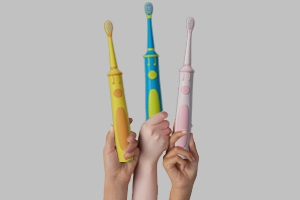
The Market Prospect of Children Electric Toothbrush

Is the Manufacturing Process of Electric Toothbrushes Complicated?
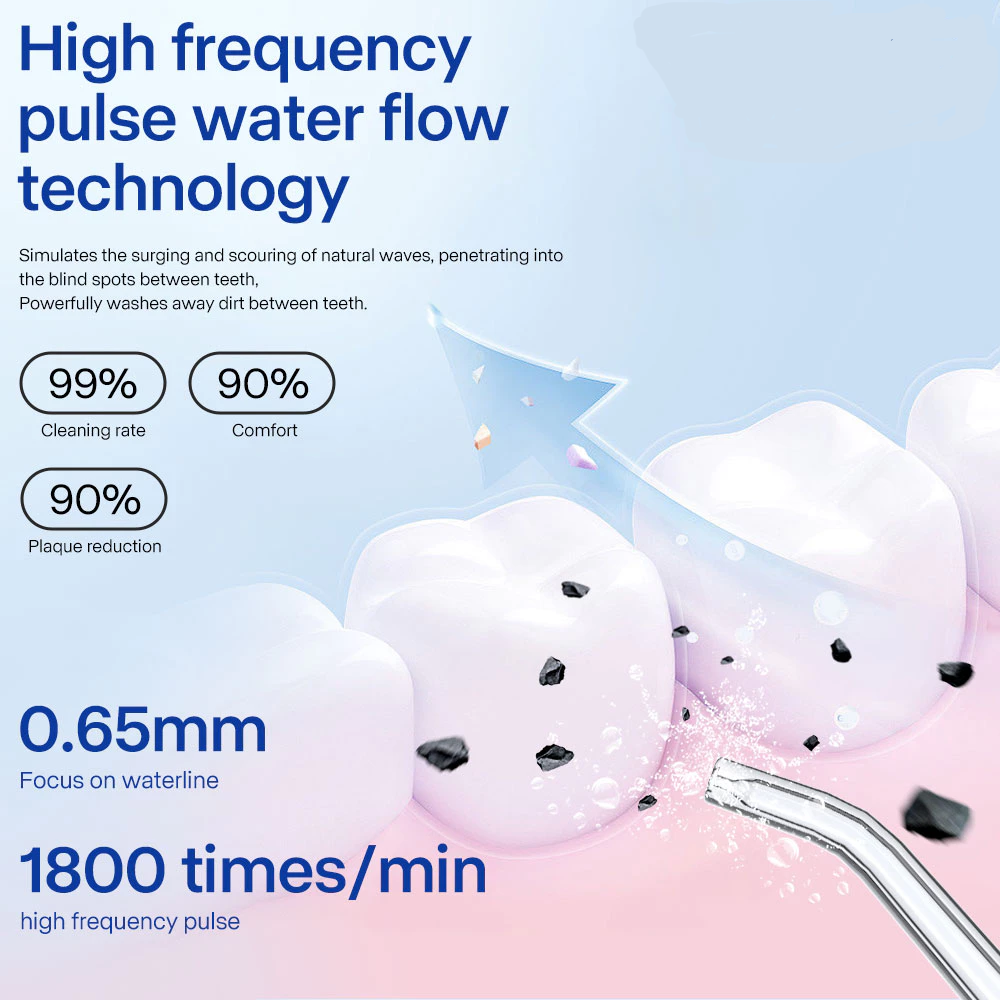
A Deep Analysis of the Pros and Cons of Traditional Dental Floss and Water Flosser
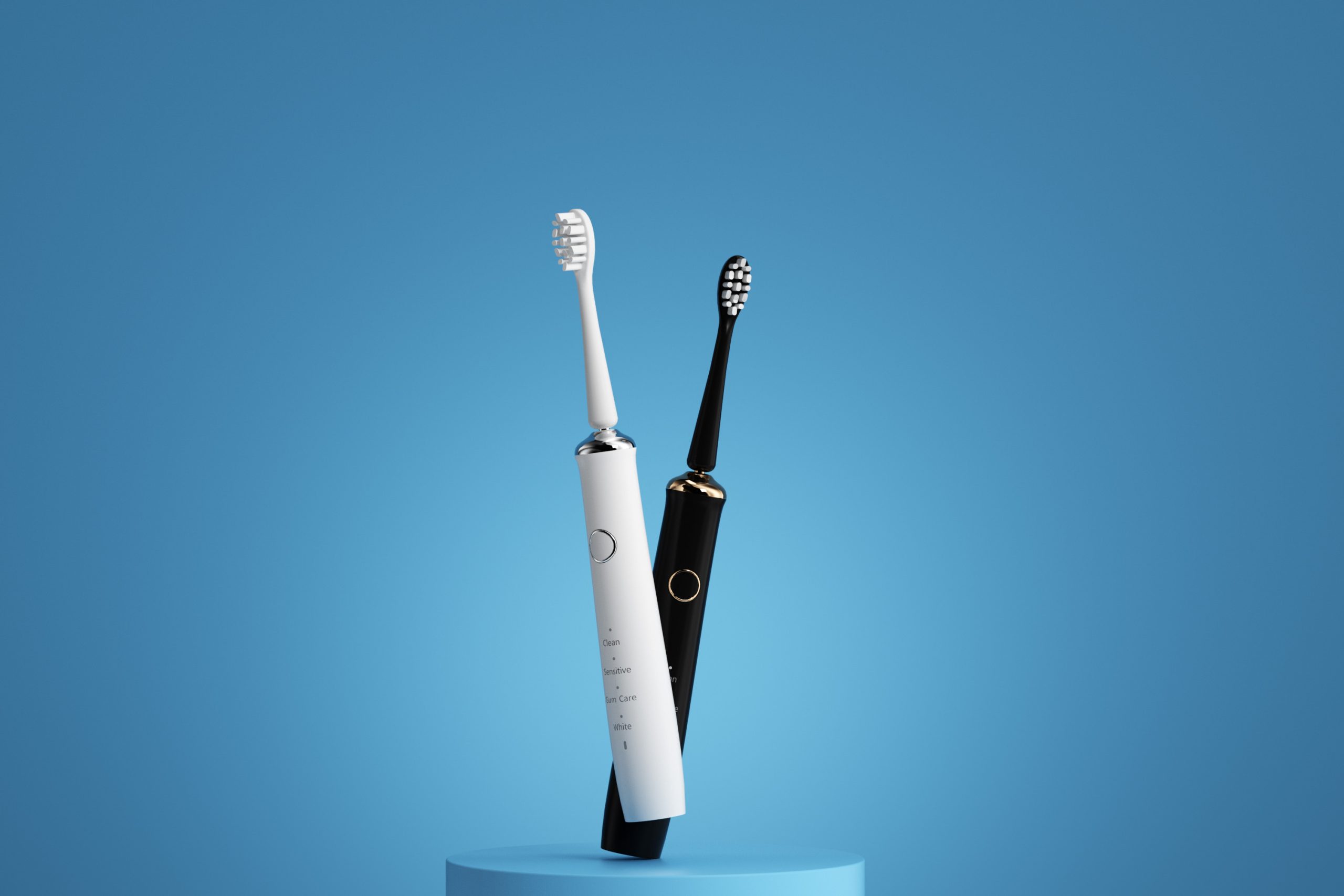
Electric Toothbrush Quality Control: The Whole Process from Production to Delivery


.jpg)
.jpg)
.jpg)
.jpg)
.jpg)






.jpg)
.jpg)