The electric toothbrush market is growing rapidly, with innovations not only in brushing technology but also in charging methods. As manufacturers, understanding the different electric toothbrush charging methods is crucial, particularly the debate between wireless charging vs contact charging. This blog explores the advantages and challenges of both methods, providing insights into which option is best for your OEM electric toothbrush products and how to choose the right charging system for your customer base.
Wireless charging, also known as inductive charging, has become a popular choice in consumer electronics, including electric toothbrushes. This method works by transferring power through an electromagnetic field between the toothbrush and its charging base.
Convenience: No need to plug in the toothbrush directly, reducing wear and tear on connectors.
Waterproof and Durable: Since there are no exposed charging pins, wireless charging systems are more resistant to water damage, a critical factor for electric toothbrushes.
Sleek Design: Wireless chargers allow for cleaner, more minimalist designs, appealing to modern consumers who value aesthetics.
Longer Charging Times: Compared to contact charging, wireless charging may take longer to fully charge the toothbrush.
Higher Cost: The technology behind wireless charging can add to production costs, which might not be ideal for certain price points.
Contact charging, on the other hand, is the more traditional method. It involves a direct connection between the electric toothbrush and its charging base, typically using metal contacts or pins.
Faster Charging: Generally, contact charging delivers faster power transfer, making it ideal for consumers who need quick recharges.
Lower Cost: The components for contact charging are less expensive to manufacture, which can help keep the overall cost of the toothbrush lower.
Proven Technology: Contact charging has been around longer and is more widely adopted, meaning it’s a tried-and-true method.
Wear and Tear: Over time, the charging pins or connectors can degrade, especially if exposed to water or dirt.
Less Aesthetic Flexibility: The need for exposed charging pins can detract from the sleekness of the toothbrush design, making it less attractive to consumers seeking minimalist options.
When deciding between wireless charging and contact charging for your OEM electric toothbrush line, consider the following factors:
If your target market values design and convenience, wireless charging may be the preferred option.
If speed of charging and affordability are key considerations, then contact charging could be the better choice.
Premium or high-end models are more likely to benefit from the appeal of wireless charging, while budget-friendly toothbrushes may focus on contact charging to keep costs low.
Wireless charging typically requires more complex systems, potentially increasing the manufacturing costs, which should be factored into the pricing strategy for OEM electric toothbrush production.
The ongoing development of charging technologies presents exciting opportunities for electric toothbrush manufacturers. Innovations in wireless charging systems, such as faster charging speeds and more efficient energy use, are likely to reduce some of the current drawbacks.
Additionally, hybrid charging systems combining wireless and contact charging may emerge, offering flexibility and maximizing convenience for consumers. These advances could open the door for new designs and functionalities in OEM electric toothbrushes.
Both wireless charging vs contact charging have distinct benefits and limitations. Ultimately, the choice between the two depends on your target market, the positioning of your brand, and your manufacturing capabilities.
For OEM electric toothbrush manufacturers, understanding the specific needs of your customers and aligning those needs with the right charging technology is key to creating a successful product. By evaluating the electric toothbrush charging method that best matches your brand’s vision, you can offer high-quality products that meet the expectations of modern consumers.
Need help with selecting the right charging method for your next project? Contact us to discuss how we can support your OEM electric toothbrush needs with the latest charging technologies, ensuring both performance and innovation in your product line.
Would you like to dive deeper into the technical aspects of wireless charging or explore other charging technologies for your products? Let us know!https://www.powsmart.com/contact-us/
What Does the Doctor Think About the Use of Electric Toothbrushes and Water Flossers?
Sonic Toothbrush Motor Comparison: Magnetic Levitation vs. Traditional Motors
FDA-Approved Antibacterial Bristles of Electric Toothbrush: A Safety Guide for Oral Care
.jpg)
Cordless Water Flosser Wholesale – Global B2B Supply for Retailers & Brands
Noise Amplification and Vibration Issues — Why?
Electric Toothbrush Gets Wet and Turns On Automatically: Safety Risks and OEM Solutions
Are Button Malfunctions and Circuit Shorts the Cause?

Is the Manufacturing Process of Electric Toothbrushes Complicated?
USB-C Portable Water Flosser OEM – Custom Solutions for Global Distributors
.jpg)
Custom Logo Smart Toothbrushes for Austin Tech Companies
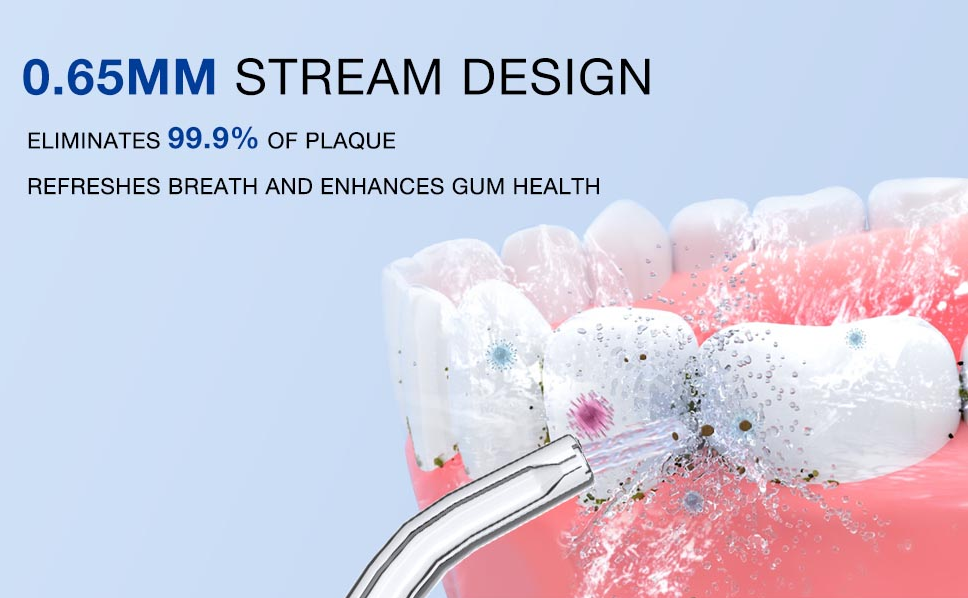
1200 vs 1800 water flosser pulse/Minute: Which Water Flosser Pressure Setting Works Best for Plaque Removal Without Gum Irritation?
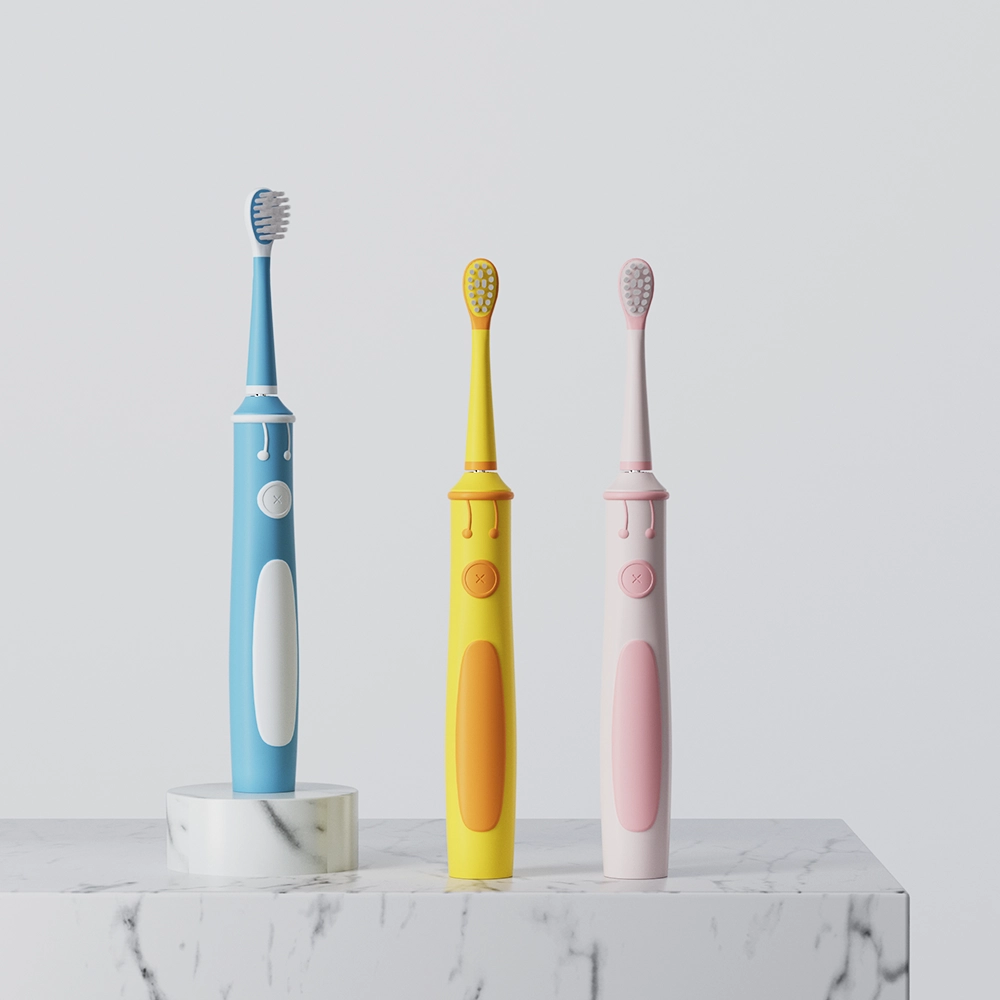
Why Kids’ Electric Toothbrushes Need Antibacterial Materials
Red Blue Light Oral Care Device B2B Solutions for Global Brands
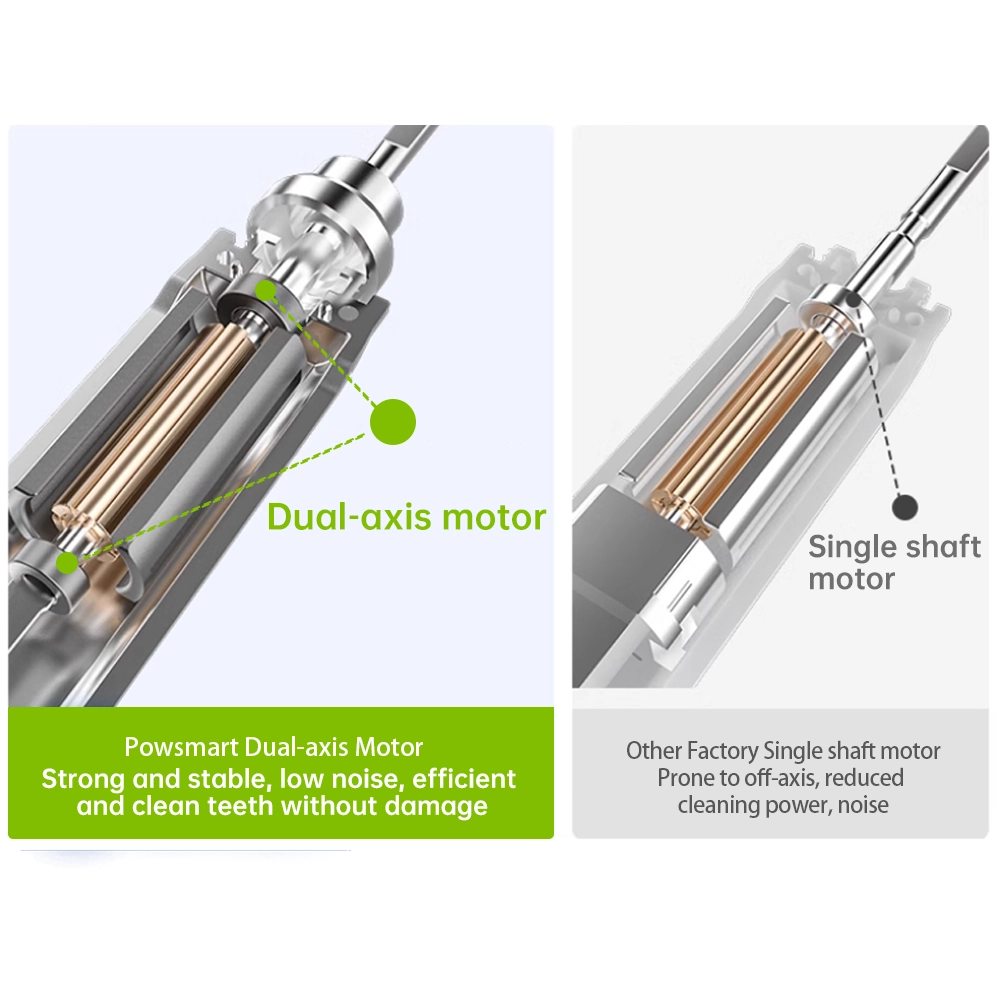
The Science Behind Sonic Toothbrush Motors

Custom Logo Smart Toothbrush OEM for Austin Tech Companies
Motor Lifespan Matters! Importance of Premium Electric Toothbrush Durability


.jpg)
.jpg)
.jpg)
.jpg)
.jpg)



.jpg)
.jpg)