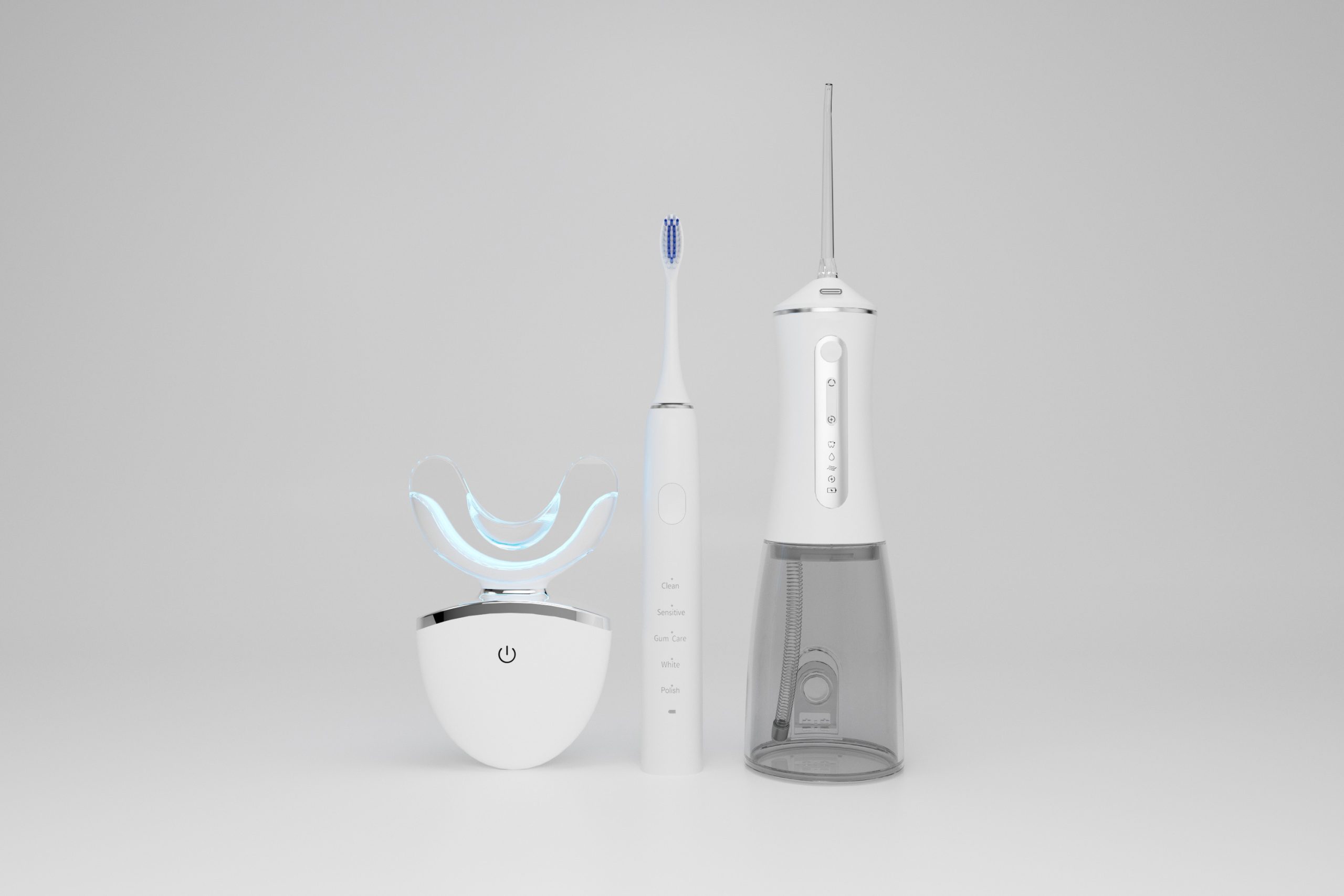
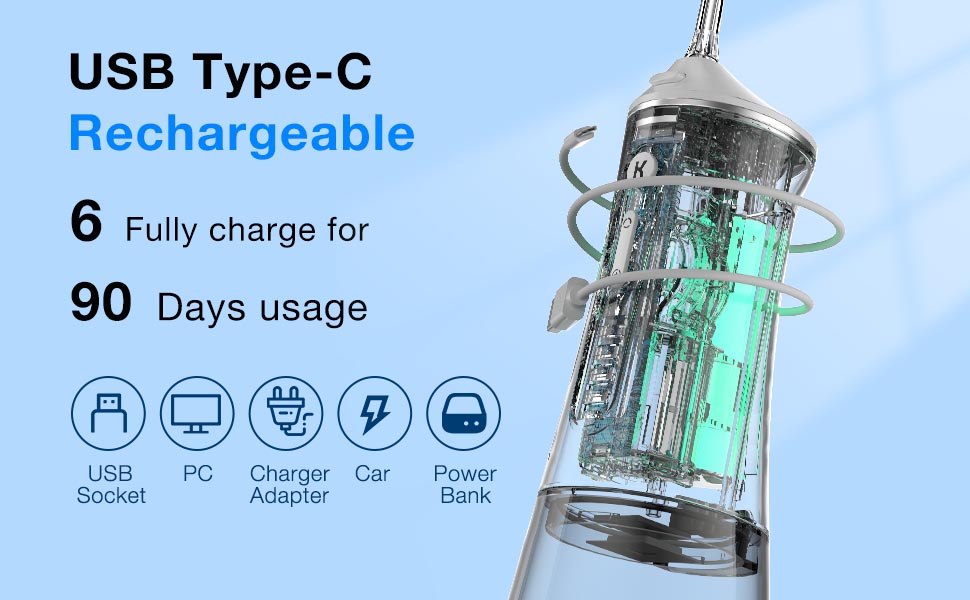
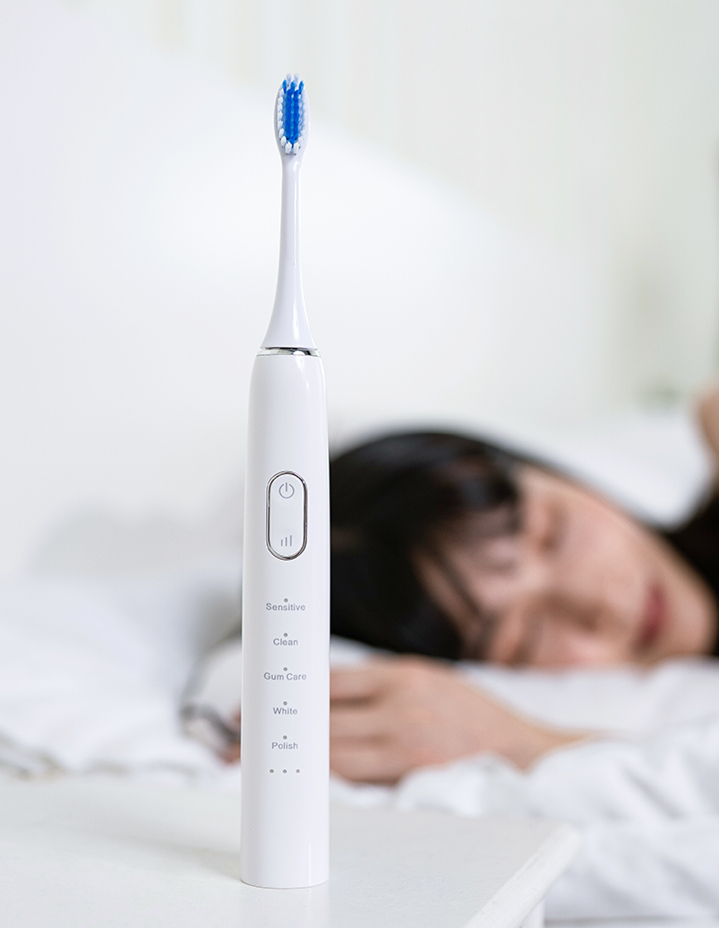
When evaluating product specifications, the topic of electric toothbrush waterproof vs non waterproof becomes a critical consideration for OEM buyers and brand owners. In today’s competitive oral care market, waterproof capability is no longer just a technical feature—it is a key factor influencing product positioning, pricing, and user trust.
Therefore, understanding the differences between waterproof and non-waterproof designs is essential for making strategic product decisions.
Waterproof electric toothbrushes are typically rated using IP (Ingress Protection) standards such as IPX7 or IPX8. These ratings indicate resistance to water exposure under specific conditions.
For example:
More technical details can be found at:
https://www.iso.org/standard/66095.html
Although less common, non-waterproof designs may still exist in:
However, they present limitations:
Waterproof models are significantly more durable, especially in humid environments such as bathrooms. On the other hand, non-waterproof products are more prone to internal damage.
Consumers expect to use toothbrushes in wet conditions. Therefore, waterproof capability directly impacts:
From an OEM perspective:
Thus, the cost difference must be evaluated against market expectations.
Waterproof models require:
Manufacturers must conduct:
You can explore product specifications here:
https://powsmart.com/electric-toothbrush/
Modern consumers strongly prefer waterproof products. Consequently:
Instead of focusing solely on cost, brands should:
In conclusion, the debate around electric toothbrush waterproof vs non waterproof highlights a broader strategic decision: balancing cost, durability, and market expectations. For most OEM projects, waterproof functionality is no longer optional—it is a necessity for global competitiveness.

How Does a Custom Brush Handle Mold Support a Calcified Deposit Remover Mechanism?
Cracked a crown? Tacoma repair services for dental crowns — fast?
Could a Molecular Communications Beacon Be Part of a Regenerative Design Framework?
.jpg)
Long Battery Life Electric Toothbrush OEM Supplier
replaceable brush head toothbrush supplier | OEM & Private Label Factory in China
wedding teeth whitening timeline: natural results
Dentist Recommended Electric Toothbrush | Washington State Guide
Bamboo Electric Toothbrush Handle OEM Manufacturer | Eco-friendly Design Solutions
Whitening Kit OEM Manufacturer for Private Label Brands
Can Your Custom Water Flosser Reservoir Design Be Part of OEM Water Flosser Accessories?

What Are the Materials and Processes of electric toothbrush Handle Shell Used?
How Do Hydro-dynamic Bearings Optimize Flow Channel Geometry in Water Flossers?
.jpg)
Which Electric Toothbrush for Gum Care Works in Florida?
Electric Toothbrush Distributor Program – Strategic B2B Partnership Solutions
Looking for a Lithium Battery Pack Suited for Eco-friendly Material Products?
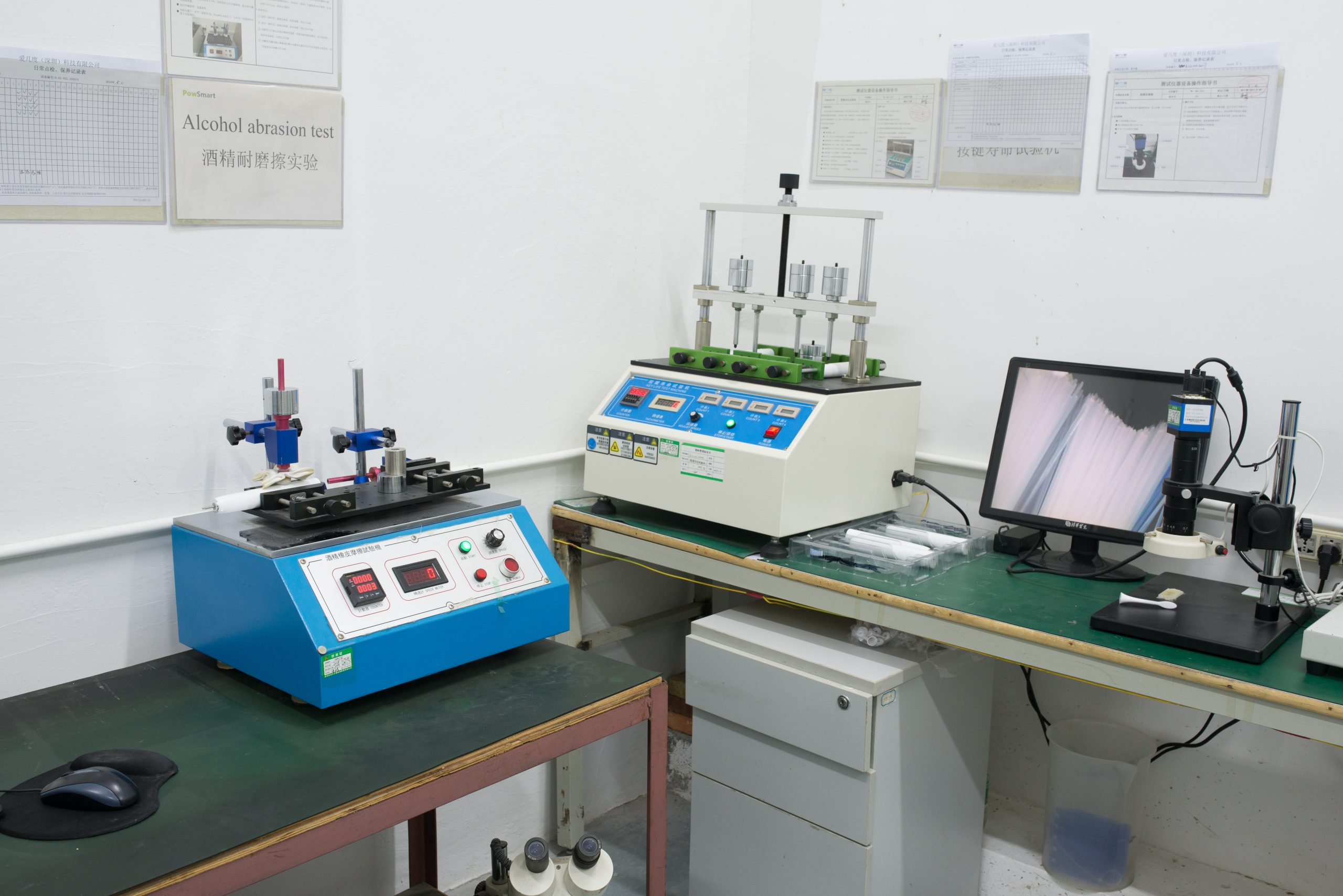
Enter the Oral Irrigator Factory: Discover the Production Process and Technology Behind Water Flossers


.jpg)
.jpg)
.jpg)
.jpg)
.jpg)




.jpg)