An effective electric toothbrush warranty policy plays a critical role in B2B cooperation between brands and manufacturers. Unlike consumer-facing guarantees, OEM warranty terms focus on defect responsibility, batch consistency, and long-term risk control.
For private label and ODM buyers, clarifying warranty conditions early helps prevent disputes once products enter the market.
In OEM projects, after-sales issues often involve entire batches rather than individual units. Therefore, warranty terms must clearly define coverage scope, defect definitions, and claim procedures.
Moreover, warranty responsibility directly impacts cost structure and customer satisfaction. A vague agreement may increase hidden risks after shipment.
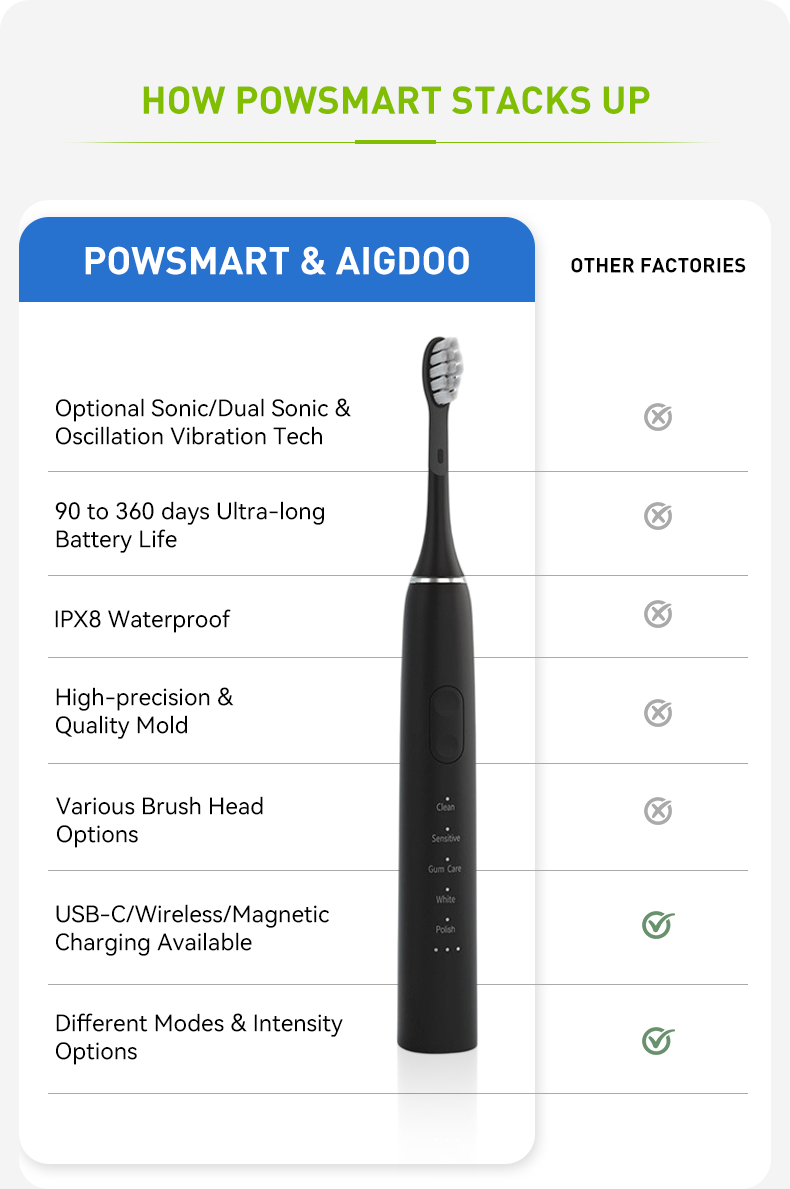
Most manufacturers offer 12–24 months of warranty for electric toothbrushes. Coverage usually includes functional defects related to motors, PCBA, or battery performance under normal use.
However, wear parts such as brush heads are typically excluded due to their consumable nature.
OEM contracts often define an acceptable defect rate (e.g. below 0.5%). Issues beyond this threshold may trigger compensation, replacement, or credit arrangements.
Clear documentation requirements — including photos, videos, and batch numbers — help speed up verification and resolution.
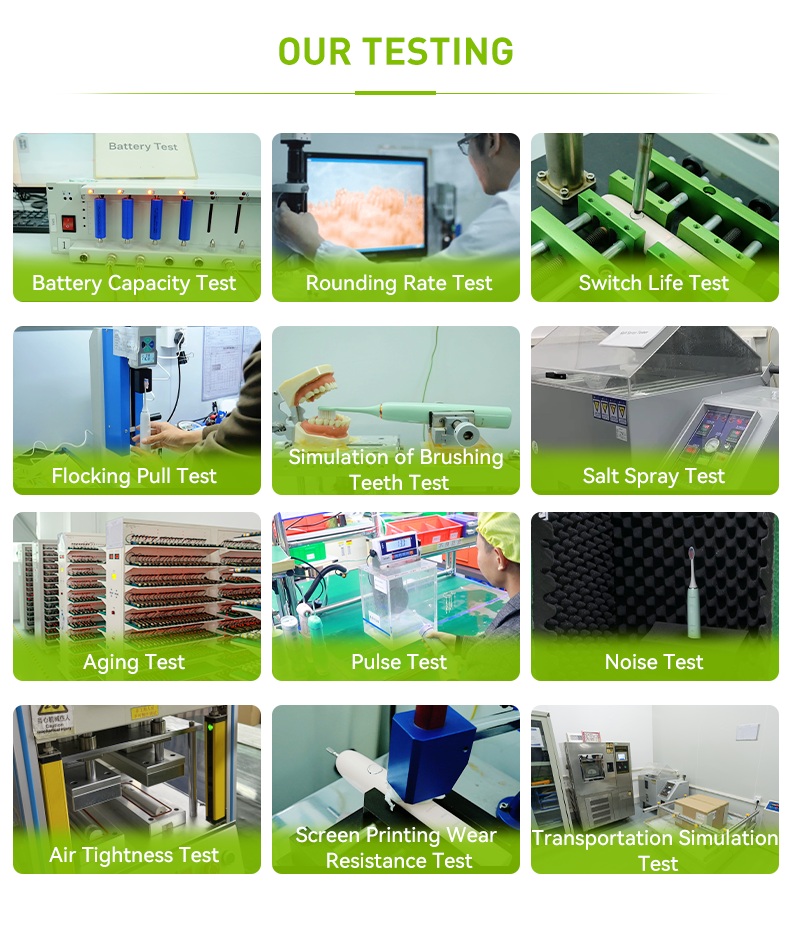
Factories reduce warranty exposure through strict incoming inspection, in-line testing, and aging simulations. These measures ensure that potential failures are identified before shipment rather than after products reach end users.
At Powsmart, warranty management is closely integrated with quality control and traceability systems. Related electric toothbrush OEM solutions can be reviewed at:
👉 https://www.powsmart.com/electric-toothbrush/
Warranty expectations may vary by market. For example, EU buyers often align warranty practices with local consumer protection frameworks, while U.S. brands emphasize return handling efficiency.
To better understand global consumer product standards, buyers may refer to guidance from the International Organization for Standardization (ISO).
Rather than treating warranty as a cost burden, experienced OEM buyers use it as a risk-sharing mechanism. Transparent communication and realistic expectations help build trust and long-term cooperation.
A well-defined electric toothbrush warranty policy protects both parties and supports sustainable brand growth.



ADA-Certified Electric Toothbrush Suppliers in Chicago – Compliance & Customization
.jpg)
How Does a Toothbrush with Timer Elevate a Smart Oral Care Device?
.jpg)
Best Electric Toothbrush for Kids in Chicago
How Does Specialized Orthodontic Nozzle Design Affect the Requirements for Nozzle Storage?
Does the Efficiency of a Motor Controller IC Directly Impact Battery Life Optimization?
Toothbrush Export Documentation for Global OEM Shipments
.jpg)
Why Is an Auto Shutdown Feature Essential for Battery Powered Oral Care Devices?
Electric Toothbrush Packaging Compliance for Global Markets
How Can Intuitive Touch Interface Design Incorporate a Reliable Child Lock Function?
How Does an Accelerated Whitening Formula Work with a Built-in Timer Function?
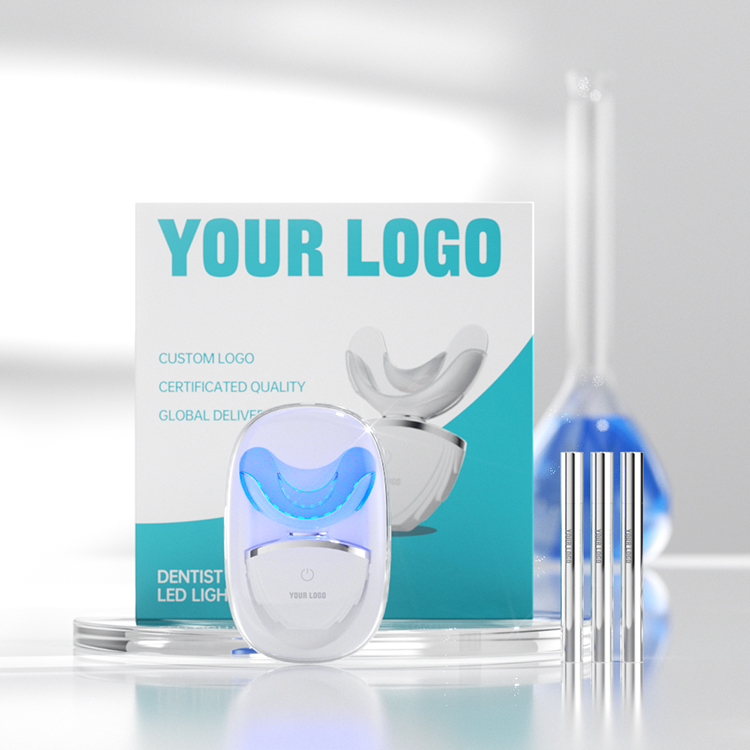
How does an Orthodontic Jet Tip improve Luminescence Efficiency in whitening devices?
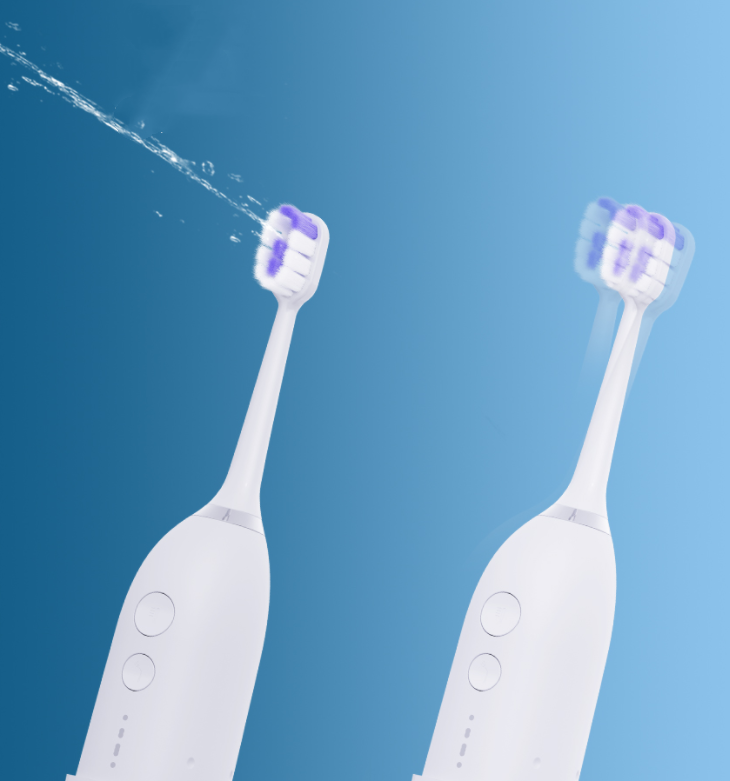
Is an Electric Toothbrush Subscription Profitable in Chicago?
.jpg)
Chicago dental toothbrush broken? Fast Chicago downtown repair options
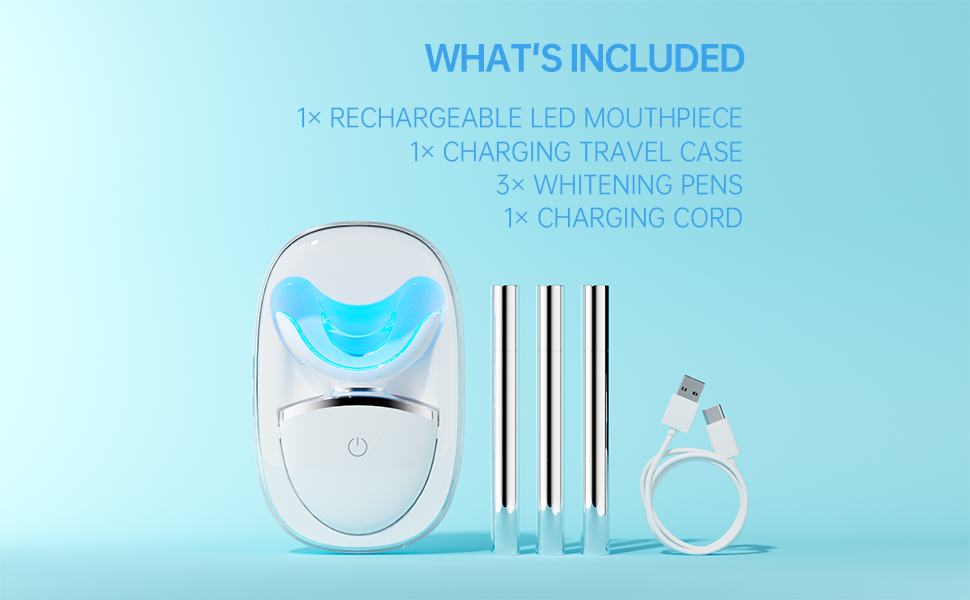
Innovating a Whitening Gel Formula for Your Cosmetic Product Development
USB rechargeable sonic toothbrush supplier
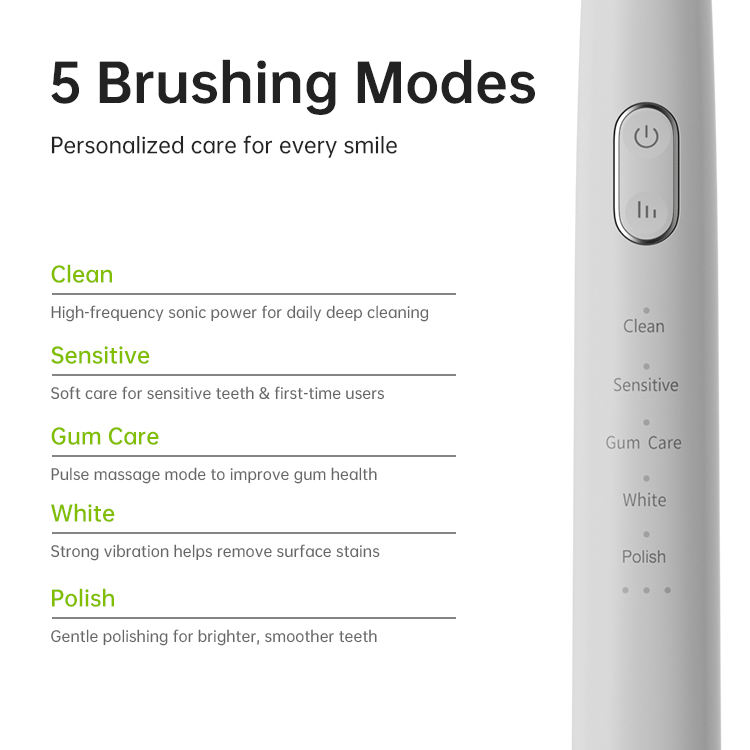
How Does a Hydro-mechanical Seal Ensure Consistent Spectral Output Optimization in LED Kits?


.jpg)
.jpg)
.jpg)
.jpg)
.jpg)




.jpg)