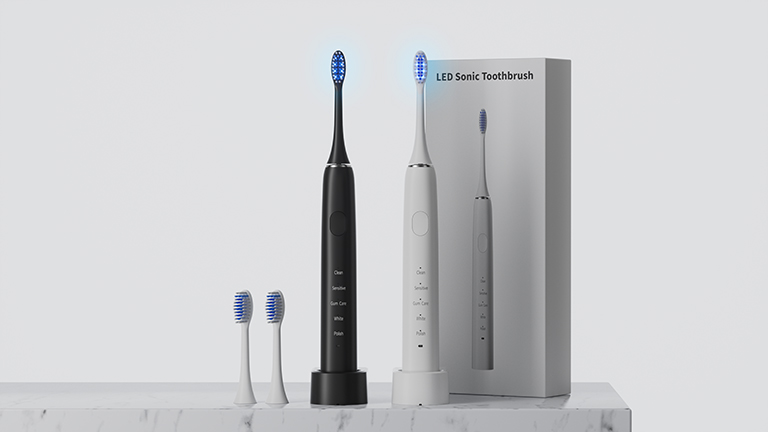
As demand for effective, user-friendly oral care grows, many buyers—dental clinics, retailers and corporate procurement teams—ask a simple question: can an electric toothbrush truly improve oral hygiene? The short answer is yes — but only when device design, user behavior, and commercial support work together. Below are six focused points that explain how and why an electric toothbrush can raise oral hygiene standards, and what manufacturers should prioritize when bringing products to B2B channels.
First, the cleaning mechanics make a measurable difference. Electric platforms (oscillating-rotating heads, sonic vibration, or magnetic levitation) generate rapid, consistent movements that dislodge and sweep away dental plaque more effectively than many manual techniques. Consequently, an appropriately engineered electric toothbrush can improve plaque control and the day-to-day baseline of oral hygiene for end users—provided the motion profile and brush-head design are matched to the intended outcome (plaque removal, polishing, or sensitive-care).
Moreover, features such as a reliable 2-minute timer, quadrant pacing (Quadpacer), pressure sensors, and mode selection (clean / gum-care / polish) actively guide users toward safer, more effective brushing. For example, pressure feedback prevents aggressive scrubbing that harms gums and enamel, while timers ensure sufficient brushing time. In addition, app connectivity and brushing feedback can deliver personalized tips, further increasing compliance—thereby translating device capability into real improvements in oral hygiene.
In addition, the head itself is critical. Soft, angled bristles, polishing cups, and specialized orthodontic or plaque-targeting heads all affect cleaning efficacy. Equally important is a clear replacement strategy: scheduled replacement reminders and affordable, widely available replacement heads maintain performance over time. Without this aftermarket plan, initial gains in oral hygiene can erode as worn bristles lose effectiveness.
Furthermore, technology amplifies behavior change. Many users simply do not brush for the recommended time or with the correct technique. Because electric toothbrush features reduce reliance on perfect manual technique and because connected devices can provide brushing feedback, habitual improvements follow. For B2B buyers, this behavioral advantage is a compelling selling point: devices that demonstrably improve compliance support better population-level oral hygiene outcomes in clinics, institutions, and retail programs.
Notably, improved cleaning must not come at the expense of safety. Gentle modes, pressure cutoffs, and soft bristles preserve enamel and prevent gingival recession—especially important for sensitive populations. Thus, a successful electric toothbrush balances cleaning power with protective features so that enhanced oral hygiene does not increase risk to tooth structure or soft tissue.
Finally, from a manufacturer and distributor viewpoint, the product’s market success depends on more than engineering. Invest in clinical validation or third-party testing to support claims; obtain relevant certifications; design replacement-head SKUs and subscription models for recurring revenue; prepare clinician-facing materials and POS kits; and ensure reliable logistics and warranty support. These commercial levers turn a technically capable electric toothbrush into a trustworthy product that B2B buyers—and ultimately users—can depend on for improved oral hygiene.
Conclusion (short):
An electric toothbrush can genuinely improve oral hygiene—but only when device mechanics, user guidance features, safe design, head maintenance, and robust B2B support are all in place. For manufacturers, the opportunity is clear: focus equally on validated performance, user behavior, and aftermarket economics to deliver products that clinics, retailers and institutional buyers can confidently recommend.
Quick 6-point checklist for manufacturers & buyers:
If you’d like, I can turn this into a one-page supplier pitch (specs + buyer benefits + certification checklist) tailored for dental clinics or retail buyers. Contact Powsmart
.jpg)
.jpg)
.jpg)
ADA FDA dental product certifications
Electric Toothbrush for Students: Budget-Friendly OEM Options
Why Are Button Responsiveness Declines Tied to Battery Lifespan Inconsistency?
Washington Hygienist Recommended Toothbrush Distributor

How Do You Protect a Precision Laser Jet Nozzle Within Flosser Kit Packaging?
Power vs Portability: OEM Manufacturing for Both Desktop & Portable Water Flossers
.jpg)
How Does a Toothbrush with Timer Elevate a Smart Oral Care Device?
.jpg)
Pursuing the ultimate cleaning experience?
Is IPX8 Waterproof Rating Compliance Achievable Through Strategic Bulk Material Sourcing?
IPX7 waterproof toothbrush OEM | Fully Sealed Sonic Toothbrush Manufacturer
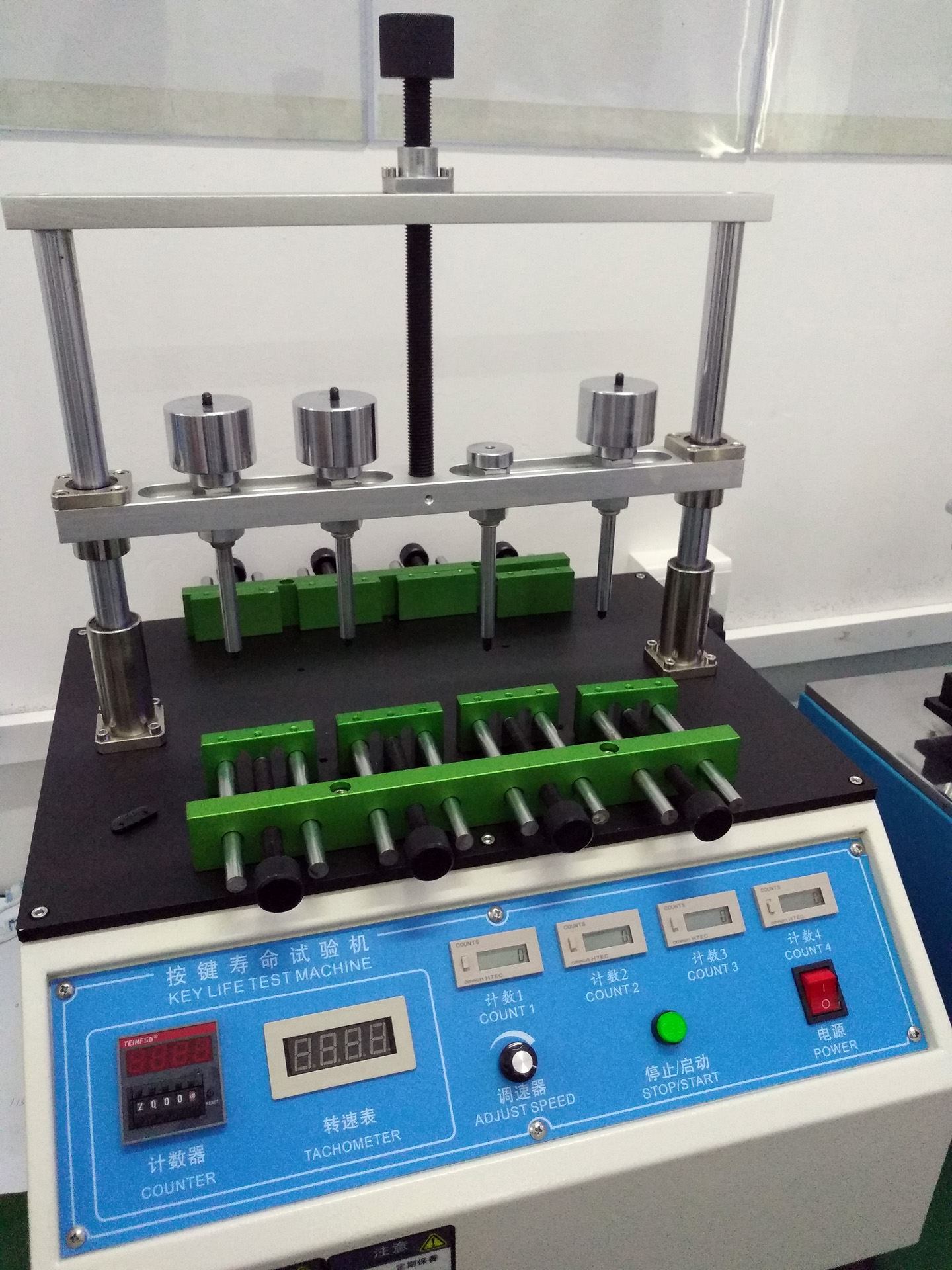
Application of Water Transfer Printing and Thermal Transfer Printing on Electric Toothbrush Shell: 3D Texture and Wear Resistance Test
Portable Water Flosser OEM Solutions for Global Oral Care Brands
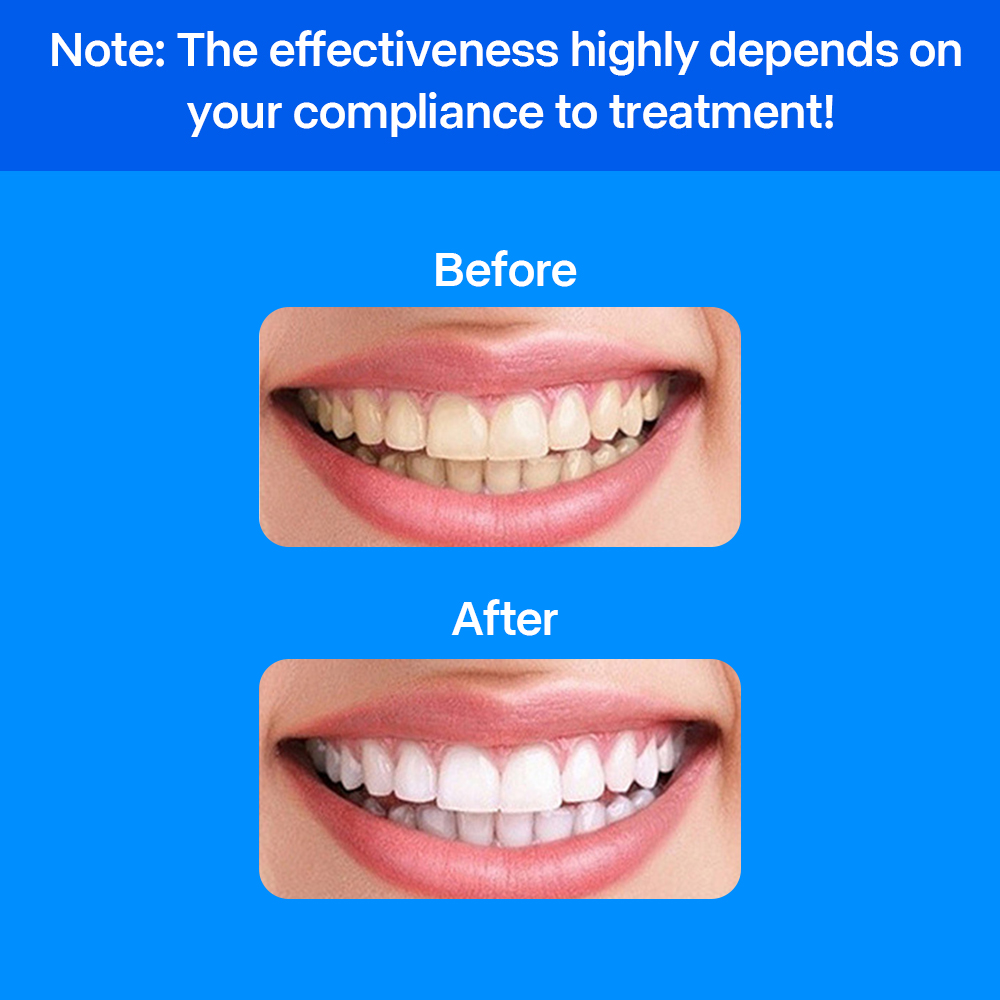
Precautions for using LED Teeth Whitening Kit
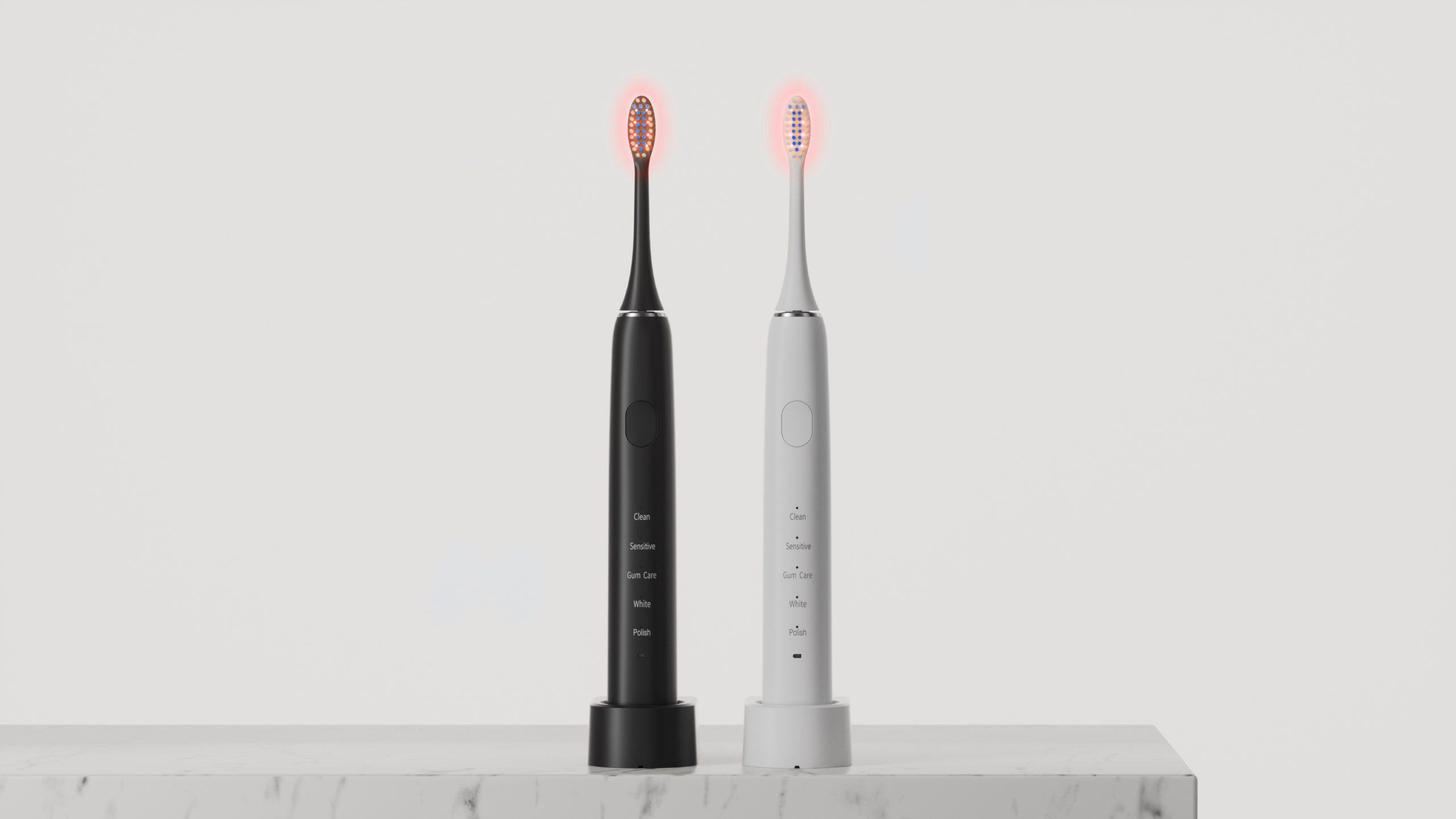
Do Electric Toothbrush Heads Need Sterilization?
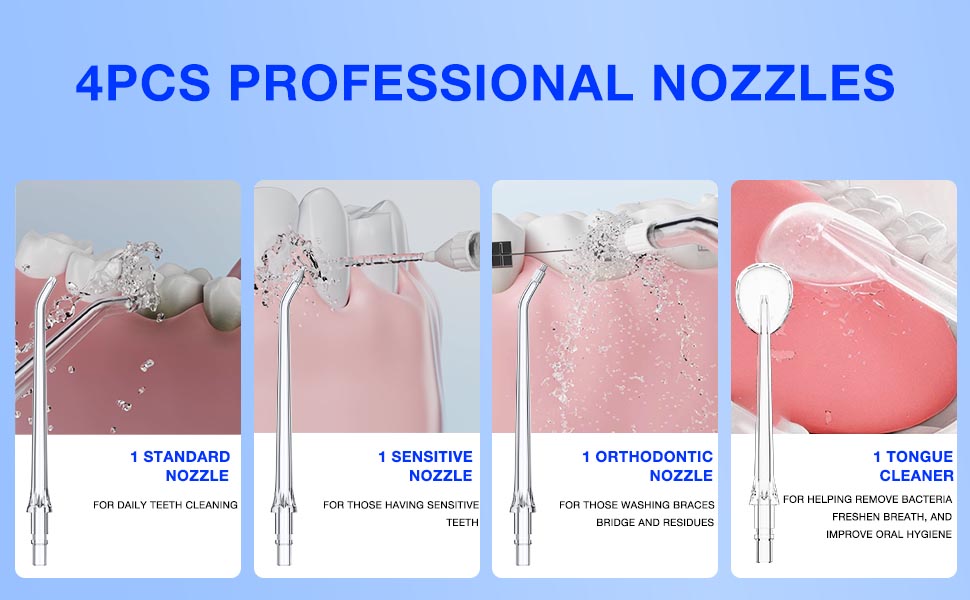
Different types of water flosser nozzles and how to choose the right nozzle?
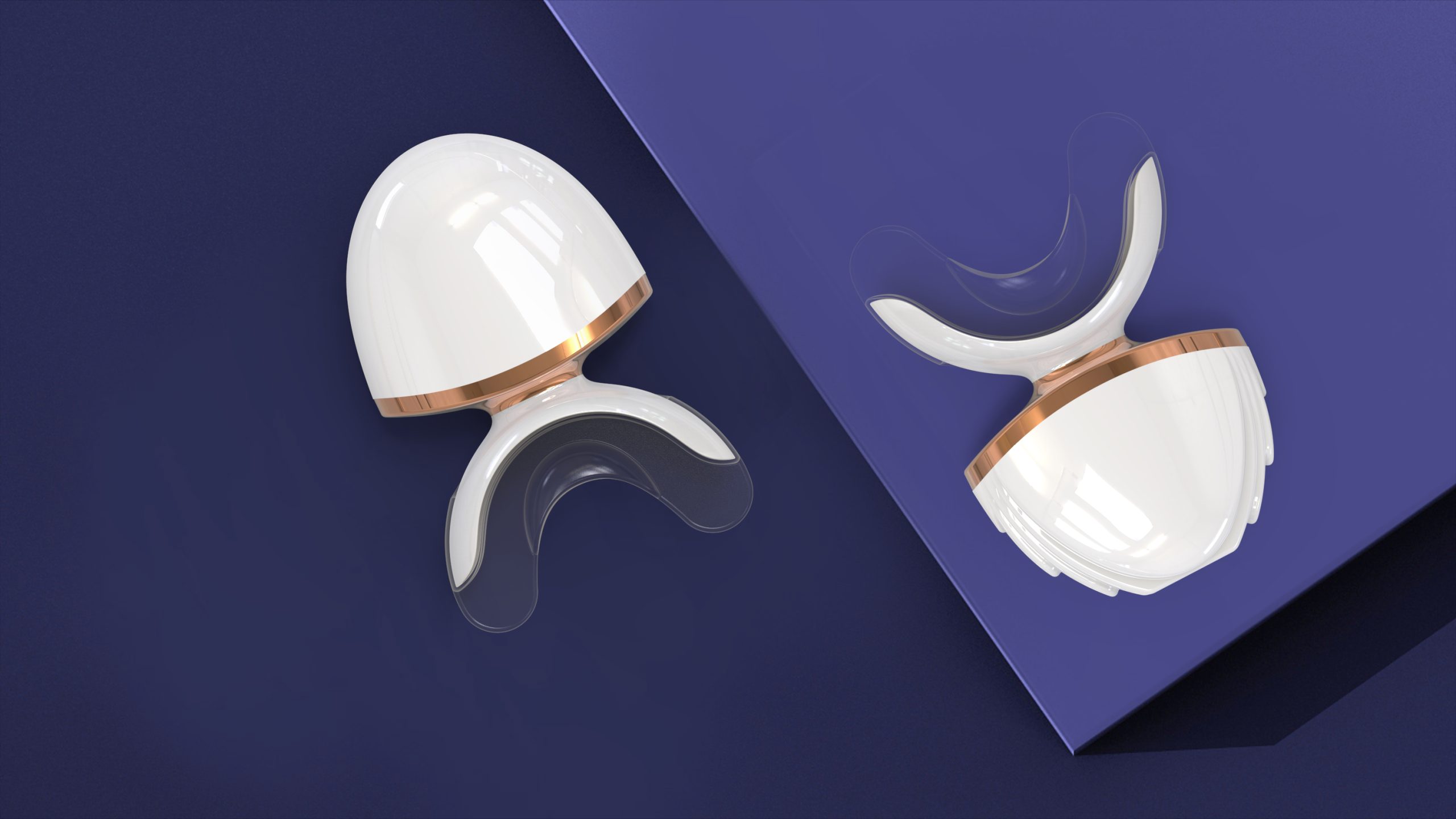
Is Blue Light Under 480nm Safe for Teeth Whitening Devices?


.jpg)
.jpg)
.jpg)
.jpg)
.jpg)







.jpg)