Info Center
Home » Powsmart Electric Toothbrush Manufacturer in the U.S. » powsmart Electric Toothbrush blog » Electric Toothbrush OEM Quality Inspection: B2B Supply Chain Reliability

Electric Toothbrush OEM Quality Inspection: B2B Supply Chain Reliability

Date:2026-01-28
In the global oral care industry, electric toothbrush OEM inspection is the non-negotiable foundation for B2B brands to secure stable supply chains and deliver high-quality products. More brands now partner with OEM manufacturers for electric toothbrush production, and a rigorous inspection process is no longer just a quality control measure. Instead, it’s a strategic step to meet international regulatory standards, avoid post-shipment risks and build long-term trust with distributors and end consumers. For B2B buyers, getting inspection right directly impacts brand reputation and market competitiveness in an increasingly crowded marketplace.
Electric toothbrushes are precision electronic devices that integrate motors, rechargeable batteries, waterproof seals and food-grade plastic parts. Their multi-component design creates potential quality risks at every production stage, from raw material sourcing all the way to final packaging and shipment. Therefore, inspection can never be a last-minute checkpoint—you must embed it into the entire OEM manufacturing workflow from the start. Proactive inspection catches defects early, which in turn cuts down on costly rework, production delays and the risk of sending faulty products to market. For B2B brands, this not only reduces operational losses but also ensures consistent product performance across all production batches.

Why B2B Brands Prioritize Rigorous OEM Quality Control

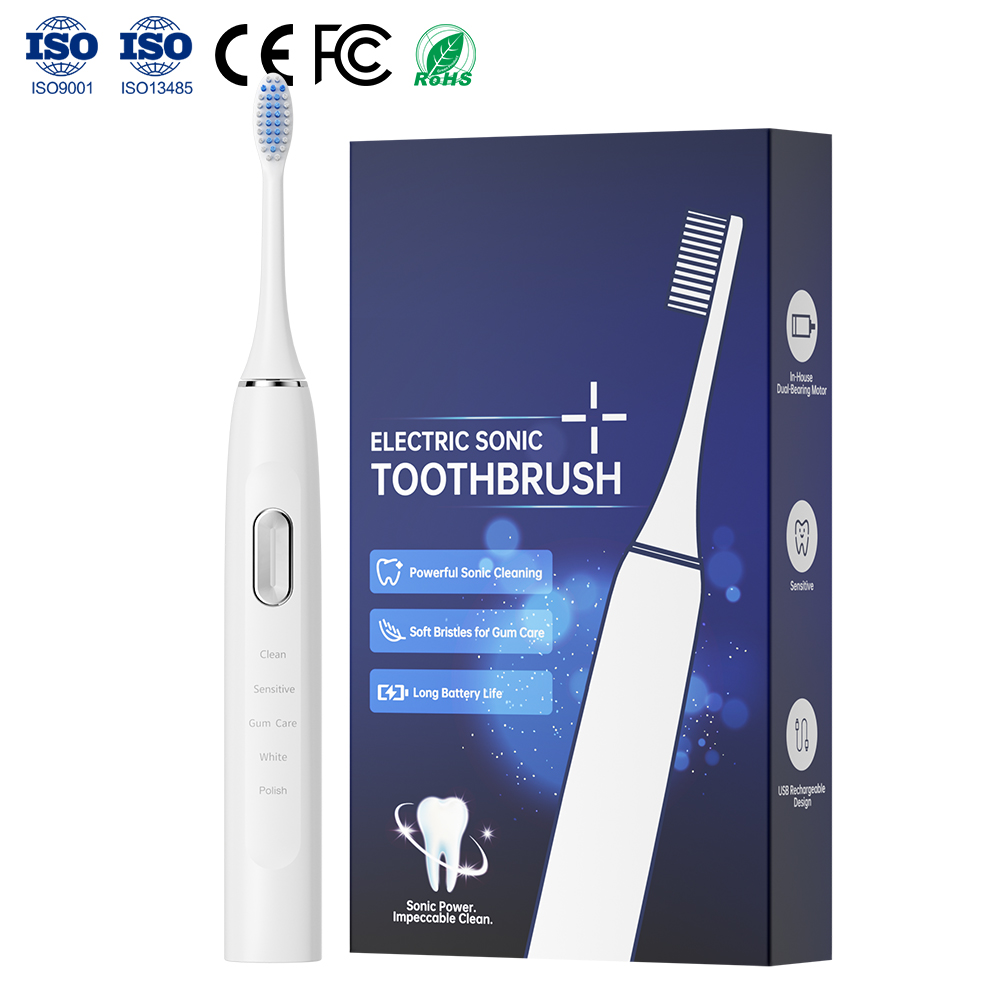
Electric toothbrush OEM inspection acts as a critical risk management tool because product recalls and safety scandals now spread globally in a matter of hours. A single batch of electric toothbrushes with faulty waterproofing or electrical issues can injure users, and it may even lead to heavy regulatory fines and permanent damage to brand trust. Strict inspection standards ensure every product leaving the OEM factory meets core international quality and safety regulations, including ISO 9001 for quality management and ISO 13485 for medical device-related oral care products. Additionally, you can review the latest ISO oral care product standards on the official ISO website for full compliance details and updates.

Global Market Compliance Starts with Quality Checks

Different regions have unique regulatory requirements for electric toothbrushes around the world. For example, the FDA sets strict safety standards for the US market, while the EU mandates CE marking and RoHS compliance for environmental protection. Meanwhile, Asian markets like Japan and South Korea have their own specialized product certification rules. A comprehensive electric toothbrush OEM inspection system ensures products meet all these regional requirements, which effectively removes key barriers to global market entry. This matters most for B2B brands targeting major retail chains like Walmart and Amazon, as these retailers require full quality certification before onboarding any new oral care product. Leading electric toothbrush OEM manufacturers like Powsmart design their inspection processes to align with global standards, thus making it easier for B2B brands to expand their international reach.

Transparency Builds Strong OEM-Brand Partnerships

Transparent inspection processes form the backbone of long-term OEM-brand cooperation in the oral care industry. First, brands need full visibility into every inspection stage to conduct internal audits, answer distributor questions about product quality and prove compliance to regulatory bodies. Detailed inspection records give brands this much-needed transparency, and these records include material test reports, functional verification data and batch sampling results. For more tips on building trust with your OEM partners, check our B2B OEM Collaboration Guide for actionable, industry-specific strategies.

Critical Stages of Effective OEM Production Inspection

Quality control in electric toothbrush OEM manufacturing is a structured, multi-stage process, and each step aims to eliminate risks and ensure product consistency. From raw material verification to final batch checks, every inspection stage addresses specific potential defects and guarantees the final product meets the brand’s exact specifications. Even small oversights in one stage can create cascading issues later, so consistency in inspection protocols is just as important as the checks themselves.

Incoming Material Control: The First Line of Defense

Inspection begins long before assembly, and it starts with rigorous checks on all raw materials and components. After all, electric toothbrush performance depends entirely on the quality of core parts like motors, lithium-ion batteries, plastic housings, DuPont-Nylon bristles and charging ports. Technicians test every batch of materials for dimensional accuracy, material consistency and electrical performance. They check motors for stable vibration frequency and low noise levels, verify batteries for optimal capacity and thermal stability, and confirm plastic parts meet strict food-grade safety compliance. Catching defective materials early avoids costly assembly bottlenecks, and it also keeps the entire production process running smoothly from start to finish.

In-Process Testing for Consistent Assembly

Technicians conduct real-time testing during the assembly process, and they closely monitor key operational parameters to ensure consistency across all units. They verify vibration intensity, brushing mode functionality, charging efficiency and noise levels—all critical performance metrics for electric toothbrushes. Safety tests are also a core part of in-process inspection, where technicians check for electrical leakage and short circuits. This step is non-negotiable because electric toothbrushes are used in wet bathroom environments. Many brands request customizations like unique vibration modes or branded handle designs, yet standardized testing logic still ensures minimal performance variations even at high production volumes.

Waterproof and Durability Testing for Real-World Use

Waterproofing is one of the most vital quality attributes of an electric toothbrush, so it’s a core focus of electric toothbrush OEM inspection. Consumers regularly use electric toothbrushes in the shower and while washing their hands, so the product must resist water ingress to protect internal electronic components. OEM factories conduct both immersion and spray testing to verify waterproof performance, typically submerging toothbrushes in 1 meter of water for 30 minutes to confirm IPX7 or IPX8 waterproof ratings. Durability tests also ensure the product withstands long-term daily use: technicians test brush head attachments for stability after thousands of insertions and removals, press power buttons repeatedly to prevent premature failure, and drop-test handles to avoid cracks or structural damage. The American Dental Association provides industry-leading benchmarks for oral care product durability and safety, so you can use these guidelines to refine your own inspection standards.

Final Batch Inspection and Market Readiness Checks

All products undergo a final round of inspection right before shipment, and this step confirms the product is fully market-ready for global distribution. Technicians perform visual checks to spot cosmetic defects like scratches, dents or color inconsistencies on handles and brush heads. They also run a final functional verification to recheck all core performance metrics. Packaging inspection is equally important, where teams ensure all required accessories are included—such as charging cables, extra brush heads and multilingual user manuals. They also verify labeling meets regional requirements, including regulatory logos and product information for global markets. OEMs use statistical sampling to ensure batch consistency: they select a representative sample from each production batch for full testing, and they only approve the entire batch if the sample meets all quality standards.

Documentation and Traceability: Beyond Basic Inspection

Effective electric toothbrush OEM inspection is about more than just testing products, as it also requires maintaining detailed, traceable records of every inspection step. You must document every test, check and verification with clear timestamps and technician sign-offs, which creates a comprehensive audit trail brands can access at any time. This traceability is critical for regulatory compliance, because if a product defect emerges after shipment, brands can quickly trace the issue to a specific batch, production date or component supplier. This allows for fast, targeted recalls and minimizes consumer risk. Detailed records also support brand audits and distributor due diligence, which makes it easier to prove product quality and compliance to all key stakeholders. For brands looking to streamline their quality documentation, our Quality Assurance Record Template can help standardize your process and save time on administrative tasks.

Conclusion

electric toothbrush OEM inspection is the backbone of a successful B2B electric toothbrush business, as it links quality control, supply chain reliability and long-term global market growth. For B2B brands, partnering with the right OEM manufacturer is a necessity—not a choice—because you need a manufacturer that prioritizes rigorous, transparent inspection processes. This partnership protects your brand reputation, meets strict international regulatory requirements and builds lasting trust with both consumers and distributors. From incoming material checks to final batch inspection, every stage of the process ensures your electric toothbrushes are safe, reliable and consistent, no matter where they’re sold in the world. As global oral care market competition continues to intensify, a strong, standardized OEM inspection process will be the key differentiator for brands looking to stand out from competitors and achieve sustainable long-term success.