Info Center
Home » Best Electric Toothbrush in USA » powsmart Electric Toothbrush blog » Electric Toothbrush OEM Inspection: How to Secure B2B Supply Chain Excellence

Electric Toothbrush OEM Inspection: How to Secure B2B Supply Chain Excellence

Date:2026-01-28
In the fast-growing global oral care market, electric toothbrush OEM inspection has become a make-or-break factor for B2B brands aiming to scale responsibly. As more brands outsource production to OEM manufacturers, the need for rigorous inspection processes goes beyond basic defect detection. It directly impacts regulatory compliance, consumer trust and long-term supply chain stability. For B2B buyers, mastering OEM inspection isn’t just a quality control task—it’s a strategic investment to stay competitive in a market where product safety and consistency are non-negotiable.
Electric toothbrushes blend electronic components, mechanical parts and waterproof technology, making their production inherently complex. Even minor deviations in component quality or assembly precision can lead to product failures. Consequently, electric toothbrush OEM inspection must be a proactive, end-to-end process rather than a last-minute check. By integrating inspection into every production stage, brands can mitigate risks, reduce operational costs and ensure every unit meets global market standards.

Why B2B Brands Can’t Compromise on Electric Toothbrush OEM Inspection

Today’s consumers and regulators demand greater accountability from oral care brands, and electric toothbrush OEM inspection serves as the first line of defense against reputational and financial damage. A single batch of defective products can trigger costly recalls, regulatory fines and permanent loss of distributor trust. For instance, toothbrushes with faulty electrical systems or inadequate waterproofing pose safety hazards, which can lead to legal action and negative brand publicity.
Moreover, global markets have varying regulatory frameworks that brands must navigate. The FDA in the U.S., CE marking in the EU and GB standards in China all set strict requirements for electric toothbrushes. Without thorough electric toothbrush OEM inspection, brands risk non-compliance, which blocks market entry and limits growth potential. Additionally, major retailers like Target and Tesco require proof of rigorous quality control before stocking new oral care products, making OEM inspection a prerequisite for distribution.

Inspection as a Driver of B2B Partnership Longevity

Transparent electric toothbrush OEM inspection processes strengthen relationships between brands and their OEM partners. Brands need clear visibility into production quality to make informed decisions, while OEMs benefit from structured feedback to refine their processes. For example, detailed inspection reports help OEMs identify recurring issues—such as inconsistent motor performance—and implement targeted improvements. This collaborative approach fosters trust and creates a more reliable supply chain for both parties.
You can learn more about building sustainable OEM partnerships from the [Global Sourcing Association](https://www.gsa-uk.com) (external link), which offers guidelines for B2B quality collaboration. These resources highlight how inspection transparency aligns brand and OEM goals for long-term success.

End-to-End Stages of Electric Toothbrush OEM Inspection

Effective electric toothbrush OEM inspection covers every production phase, from raw material sourcing to final shipment. Each stage addresses specific risks and ensures consistency across batches. By breaking down inspection into manageable steps, brands can maintain control over quality without disrupting production timelines.

Raw Material Inspection: The Foundation of Quality

Quality starts with the materials used to build electric toothbrushes, so raw material inspection is critical to electric toothbrush OEM inspection. Technicians verify key components like motors, lithium-ion batteries, food-grade plastic housings and DuPont-Nylon bristles against predefined specifications. They check motor vibration frequency to ensure it matches brand requirements, test battery capacity and thermal stability to prevent overheating, and confirm plastic parts are free from harmful chemicals.
Even small material defects can escalate into major issues during assembly. For example, a slightly warped plastic housing may compromise waterproof seals, leading to product failure. Thus, rejecting substandard materials early saves brands from costly rework and delays. Leading OEMs like [Shenzhen Vigor Electric](https://www.vigorelectric.com) (external link) implement strict incoming material checks to maintain production integrity.

In-Process Inspection: Catching Issues Mid-Production

During assembly, electric toothbrush OEM inspection shifts to real-time monitoring of production processes. Technicians conduct spot checks to ensure assembly precision, functional performance and safety compliance. They test brushing modes to confirm smooth switching, measure charging efficiency to meet battery life claims, and check for electrical leakage— a critical safety feature for wet-use products.
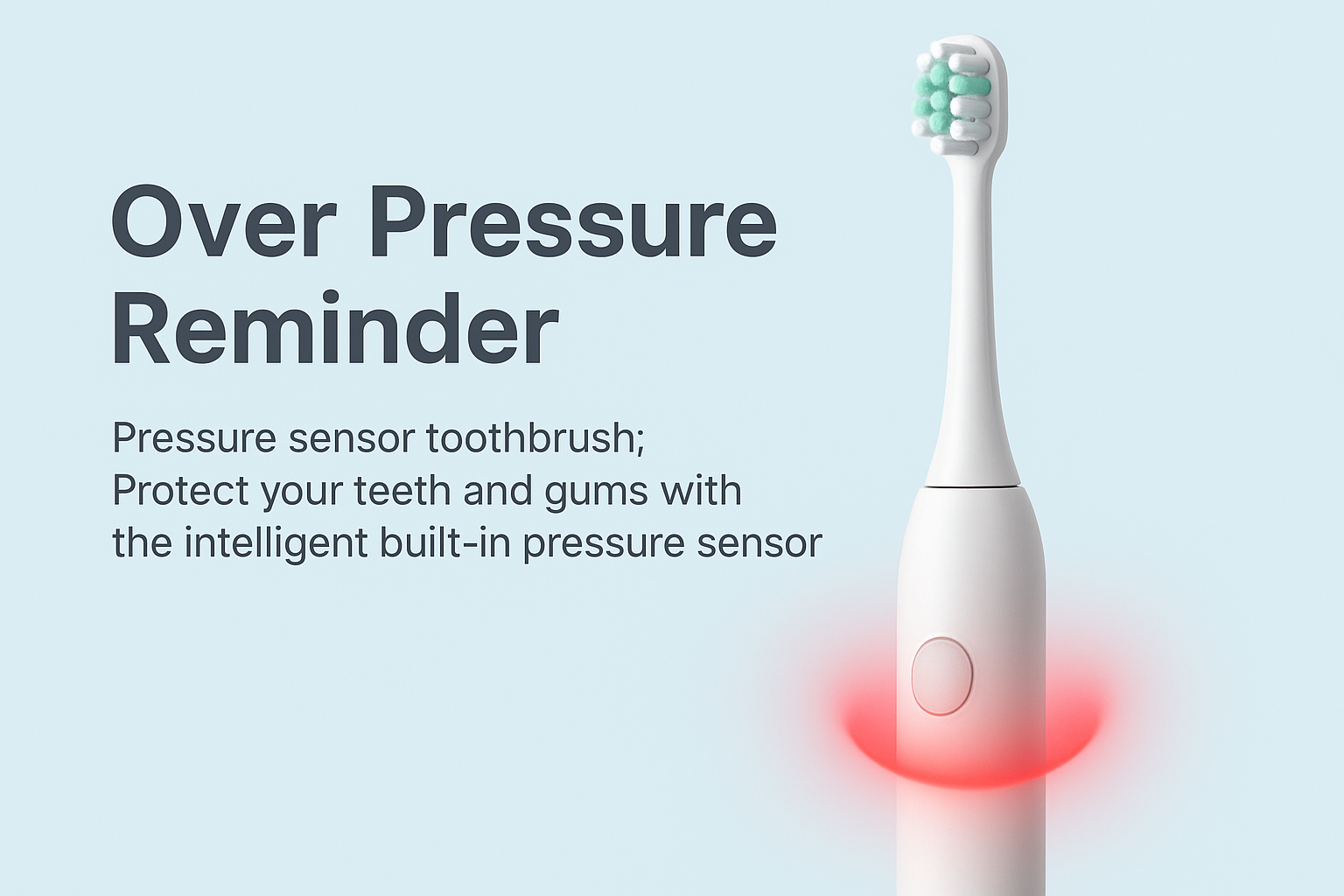
Customization is common in B2B electric toothbrush production, with brands requesting unique features like pressure sensors or app connectivity. Yet, standardized inspection protocols ensure these customizations don’t compromise quality. For example, technicians use calibrated tools to verify pressure sensor accuracy, ensuring consistency across every unit. This balance of customization and quality control is key to meeting brand expectations.

Waterproof and Durability Testing: Real-World Performance

Waterproofing is one of the most important quality attributes of electric toothbrushes, so it’s a focal point of electric toothbrush OEM inspection. Technicians conduct immersion tests, submerging toothbrushes in 1 meter of water for 30 minutes to verify IPX7 waterproof ratings. They also perform spray tests to simulate shower use, ensuring no moisture penetrates internal components.
Durability testing complements waterproof checks to ensure long-term performance. Technicians test brush head attachments for stability after 10,000+ insertions and removals, press power buttons repeatedly to prevent premature failure, and drop-test handles from 1.5 meters to check for structural integrity. The [American Dental Association](https://www.ada.org) (external link) provides benchmarks for oral care product durability, which brands can use to refine their inspection criteria.

Final Batch Inspection: Ensuring Market Readiness

Before shipment, electric toothbrush OEM inspection concludes with a comprehensive batch check. Technicians use statistical sampling to assess consistency, selecting a representative number of units from each batch for testing. They verify visual quality—checking for scratches, color inconsistencies and proper labeling—and reconfirm functional performance to catch any last-minute defects.
Packaging inspection is also part of this stage. Teams ensure all accessories—charging cables, extra brush heads, multilingual user manuals—are included and that packaging meets regional requirements. For example, EU-bound products need CE marking and RoHS compliance labels, while U.S. products require FDA-compliant packaging. This final check ensures products are ready for global distribution without delays.

Documentation and Traceability: The Backbone of OEM Inspection

Thorough documentation is an often-overlooked aspect of electric toothbrush OEM inspection, yet it’s critical for compliance and accountability. Every inspection step—from material testing to final batch checks—must be documented with clear records, including test results, technician sign-offs and timestamps. This creates a complete audit trail that brands can use to prove compliance to regulators and distributors.
Traceability is another key benefit of documentation. If a defect is identified post-shipment, brands can trace it to a specific batch, production date or component supplier. This allows for targeted recalls, minimizing consumer risk and operational losses. For brands looking to streamline documentation, our [OEM Quality Record Template](https://yourwebsite.com/oem-quality-template) (internal link) offers a standardized solution to track inspection data.

Common Pitfalls in Electric Toothbrush OEM Inspection (and How to Avoid Them)

Even with the best intentions, B2B brands often make mistakes in electric toothbrush OEM inspection that undermine quality. One common pitfall is relying solely on the OEM’s internal inspection reports without independent verification. To avoid this, brands should conduct random on-site audits or hire third-party inspectors to validate results.
Another mistake is setting vague quality standards. Brands must provide OEMs with detailed specifications—such as vibration frequency ranges, waterproof ratings and material requirements— to ensure alignment. Additionally, failing to update inspection protocols for new product iterations can lead to non-compliance. For example, adding a new brushing mode requires adjusting in-process tests to verify its functionality.
Finally, overlooking cultural and regional differences in OEM facilities can cause quality gaps. Brands should work with OEMs to align inspection processes with local regulations and production practices. This collaborative approach ensures consistent quality regardless of where production takes place.

Conclusion

Electric toothbrush OEM inspection is an indispensable part of building a successful B2B oral care business. It ensures products are safe, compliant and consistent, which in turn protects brand reputation, drives distributor trust and supports global growth. By implementing end-to-end inspection processes—from raw material checks to documentation—brands can mitigate risks and create a reliable supply chain.
In a market where competition is fierce and consumer expectations are high, electric toothbrush OEM inspection sets top brands apart. It’s not just about meeting minimum standards; it’s about exceeding them to deliver products that consumers can trust. For B2B brands, investing in rigorous OEM inspection is an investment in long-term success, helping them navigate global regulations and build lasting partnerships with OEMs and distributors alike.
As the electric toothbrush market continues to evolve, brands that prioritizeelectric toothbrush OEM inspection will be best positioned to adapt to new regulations, consumer trends and production technologies. By making quality control a core part of their strategy, these brands can achieve sustainable growth and maintain a competitive edge in the global oral care industry.