Electric toothbrush labeling requirements OEM is a fundamental aspect of product compliance for manufacturers targeting international markets. As global regulations become increasingly strict, labeling accuracy directly affects customs clearance, product acceptance, and brand credibility. Therefore, OEM suppliers must fully understand labeling standards to ensure smooth export operations.
First of all, labeling serves as the primary communication channel between the manufacturer and the end user. It provides essential information such as product specifications, usage instructions, and safety warnings. Without proper labeling, consumers may misuse the product, leading to safety risks.
Moreover, regulatory authorities in regions like the European Union and North America require strict labeling compliance. Consequently, non-compliant products may be rejected at customs or removed from shelves.
In addition, distributors and retailers often conduct compliance checks before listing products. Therefore, accurate labeling becomes a key factor in securing B2B partnerships.
Each product must clearly display:
This information ensures traceability and accountability in the supply chain.
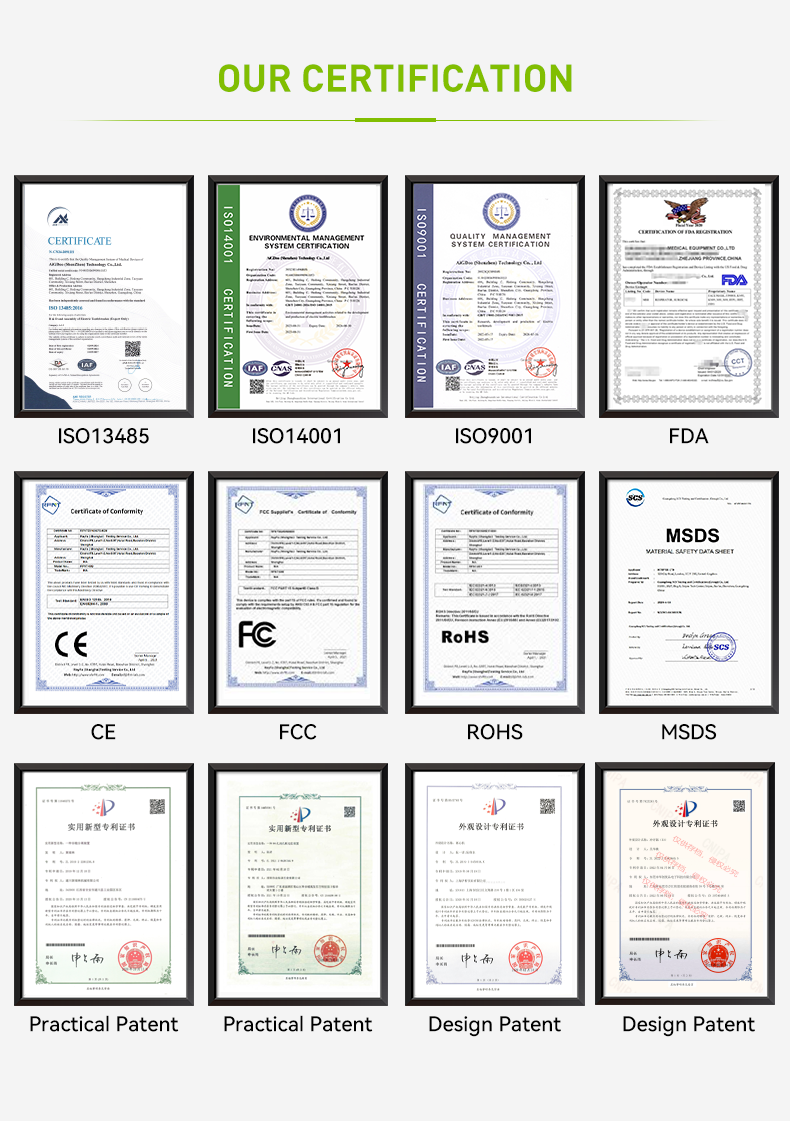
Depending on the target market, labeling must include relevant marks such as:
These marks indicate that the product meets regulatory standards.
Safety labeling is critical. For example:
Therefore, clear and visible warnings reduce liability risks.
The EU requires multilingual labeling and compliance with directives such as:
More details can be found at:
https://ec.europa.eu
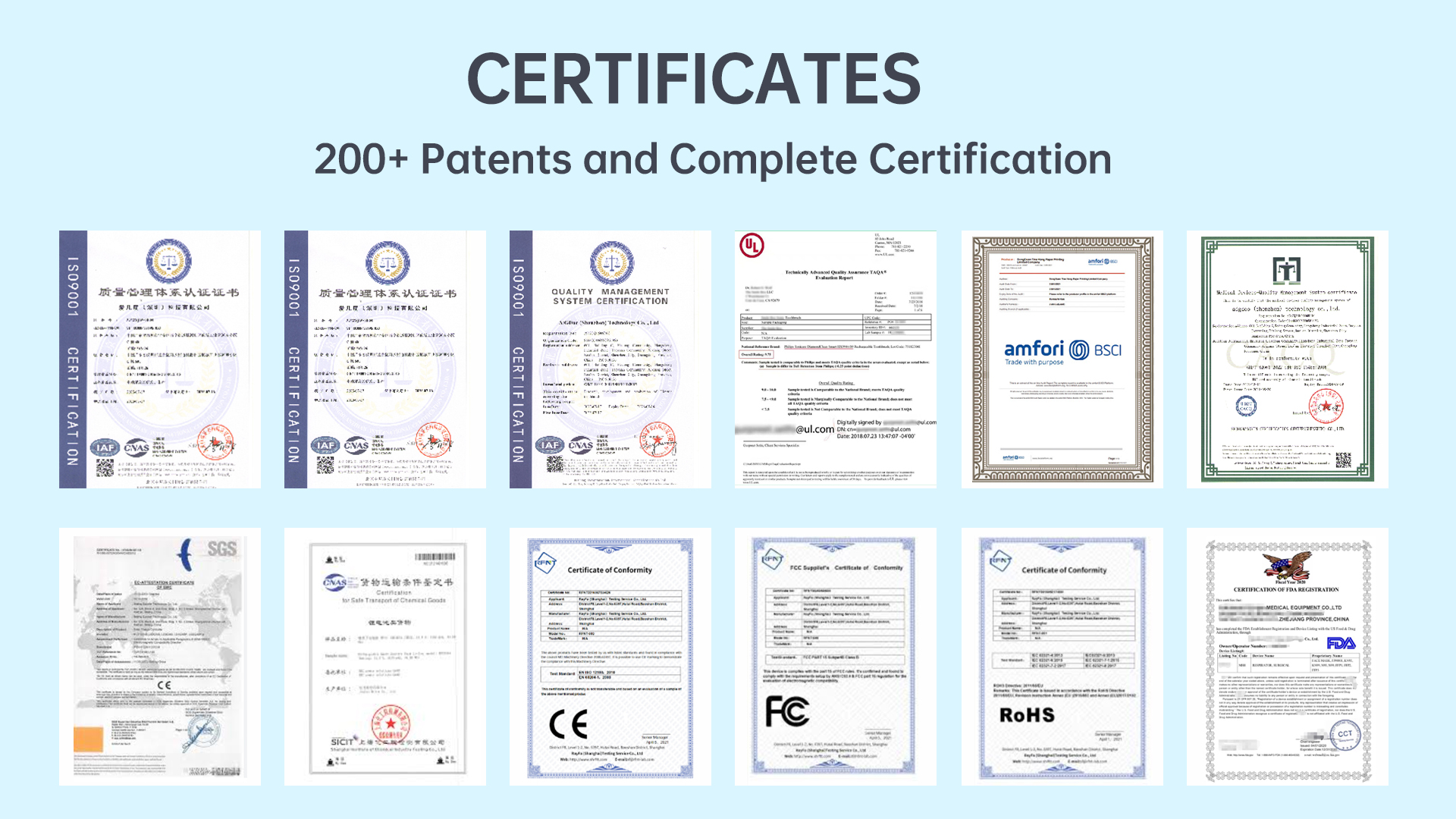
In the U.S., labeling must comply with FDA and FCC requirements. For reference:
https://www.fda.gov
Countries in Southeast Asia and the Middle East also enforce labeling standards. Therefore, OEM suppliers must adapt labeling for each market.
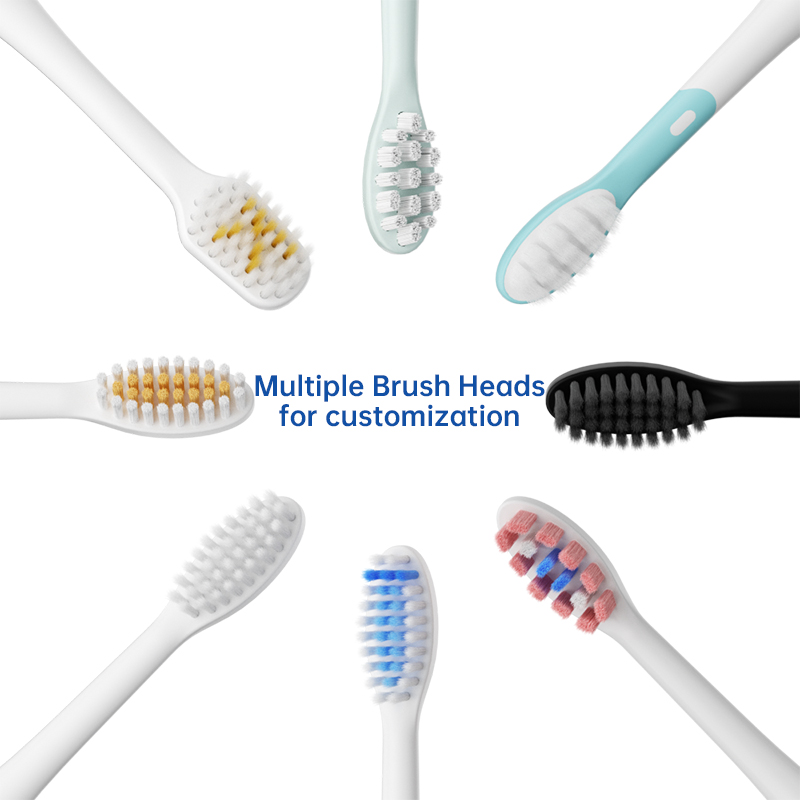
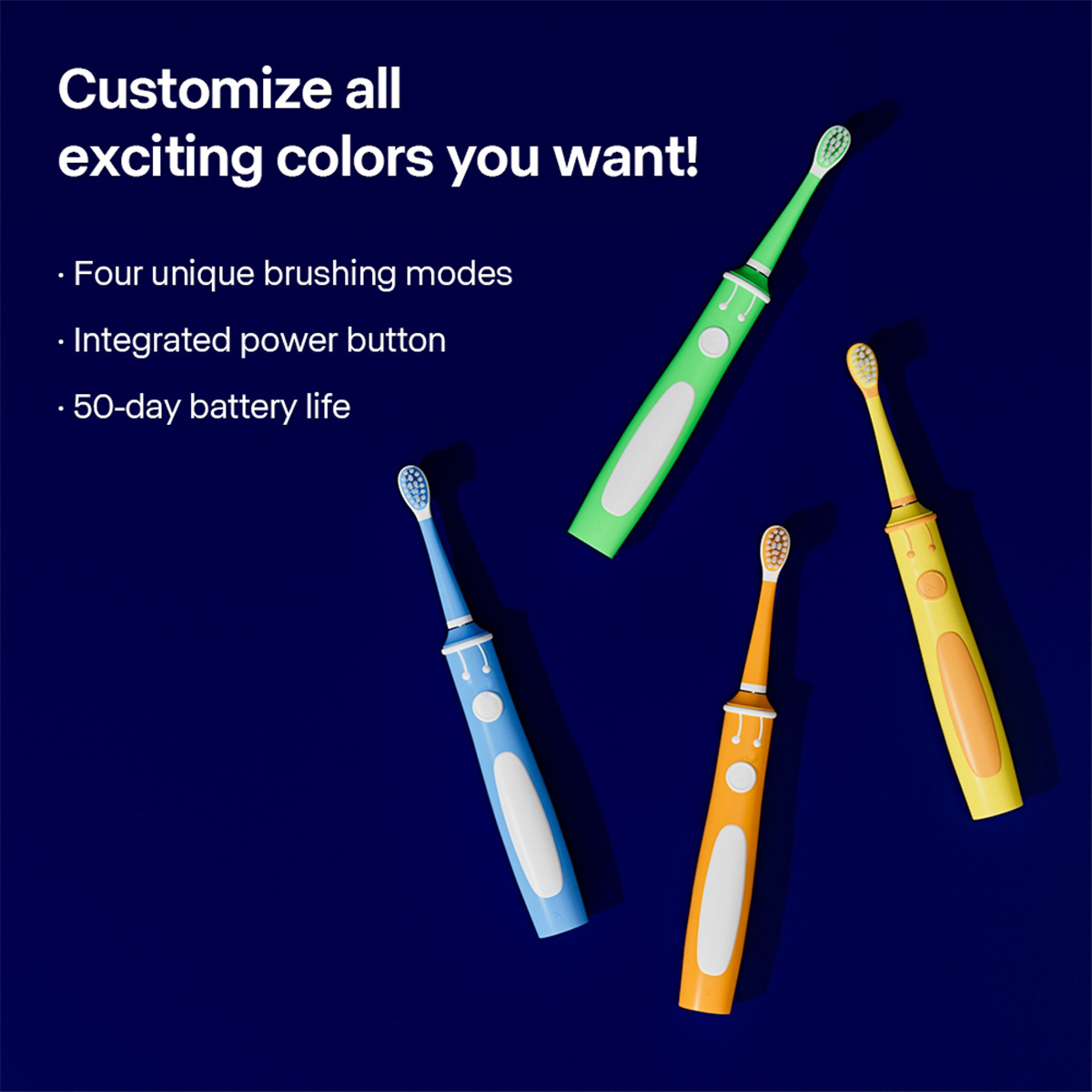
From a B2B perspective, buyers often request customized branding. Therefore, manufacturers must offer flexible labeling solutions, including:
For example, at
https://www.powsmart.com/electric-toothbrush
OEM services include tailored labeling designs for global clients.
However, many manufacturers still make errors such as:
These mistakes can lead to shipment delays or penalties. Therefore, implementing a strict review process is essential.
Labeling should be part of the overall quality management system. For instance, factories often integrate labeling checks into final inspection procedures. As a result, compliance risks are minimized.
In recent years, digital labeling has gained popularity. QR codes now provide extended product information, reducing the need for excessive printed content. Therefore, adopting smart labeling solutions can enhance user experience.
In conclusion, electric toothbrush labeling requirements OEM plays a crucial role in ensuring regulatory compliance and enhancing global market access. Manufacturers who prioritize accurate labeling gain stronger trust and long-term business opportunities.
.jpg)
Sonic Electric Toothbrush OEM Factory
Sonic Toothbrush Vibration Range Comparison
Electric Toothbrush Reseller Program Wholesale | Global Distributor Partner
Electric Toothbrush for Corporate Gifting | Premium Custom Gift Sets by Powsmart
Eco-Friendly Oral Care Product Switches: Sustainable Routine Swaps
Electric Toothbrush Factory Audit Checklist: B2B Supplier Evaluation Guide
How Do Salons Do the Whitening Teeth Products Business? An OEM Supplier’s Insight
.jpg)
Ayurvedic neem toothbrush as an Indian household toothbrush

Common Electric Toothbrush Repair Methods – OEM Manufacturing Tips
tongue piercing water flosser: safe cleaning
Bleaching Allergy Causes Gum Discoloration? Whitening Device Users Must Read!
Waterproof Sonic Toothbrush Exporter for Global B2B Distribution
bulimia teeth protection guide: acid neutralization

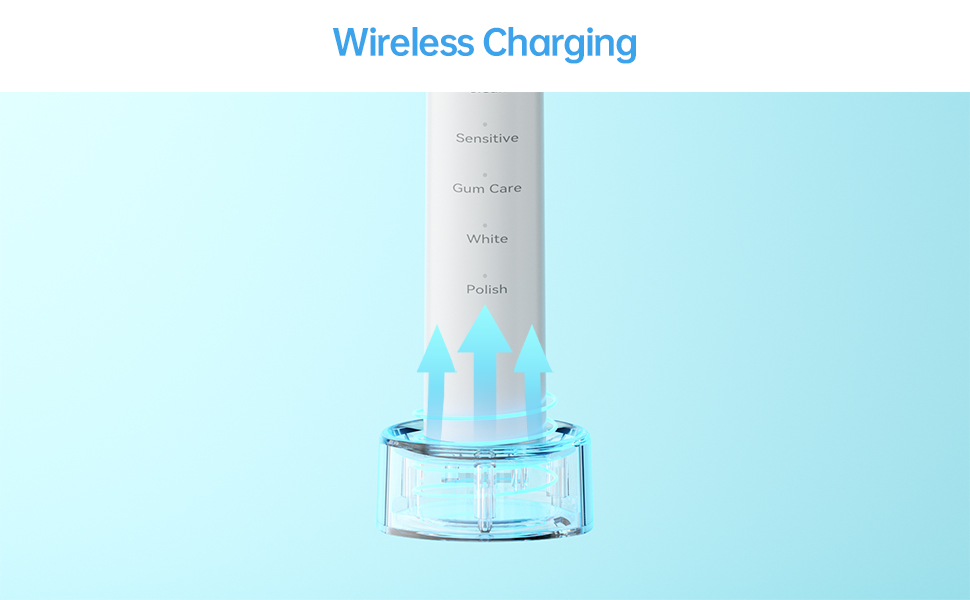
Can a Wireless Charging Coil Benefit the Design of a Portable Water Flosser?
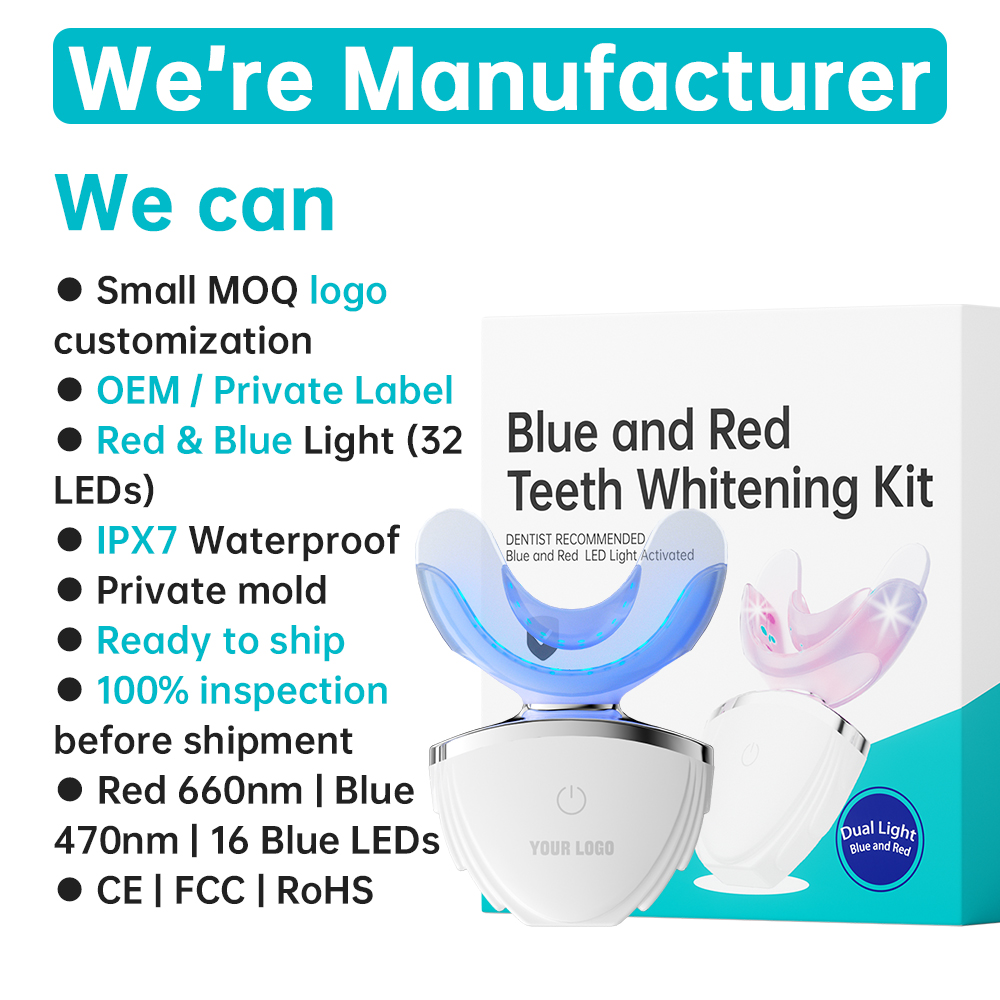
Are You an LED Teeth Whitening Manufacturer and a Dental Whitening Lamp Supplier?
Electric Toothbrush for Hard Water Areas Arizona


.jpg)
.jpg)
.jpg)
.jpg)
.jpg)





.jpg)