
Electric toothbrushes have become essential in modern oral-care routines, but brands still face complaints related to moisture intrusion—especially when an electric toothbrush gets wet and turns on automatically. While this seems like a small inconvenience, it can signal deeper design flaws that pose safety risks and brand-damaging reliability issues. For oral-care brands developing their next-generation device, partnering with an experienced OEM factory is critical. Below, we explore the underlying causes of moisture-triggered auto-activation and the OEM solutions that ensure durable, safe, and consistent products.
Consumers often notice their electric toothbrush gets wet and turns on automatically after a shower or rinsing.
This issue usually stems from:
Incomplete waterproof sealing of the power button
Capillary water ingress near the charging port
Low-quality PCB design with insufficient humidity protection
Poor silicone keypad structure that temporarily bridges contacts when wet
Although the toothbrush may continue functioning, the early signs of water intrusion should never be ignored.
An automatic turn-on event may look harmless, but the underlying safety risk is significant:
Short circuits caused by high moisture levels
Battery swelling or overheating in extreme cases
Uncontrolled vibration that may cause the device to fall from surfaces
Accelerated corrosion, shortening product lifespan
Brands must treat moisture-related malfunctions as early warning signs of a potential electrical hazard.
Reputable OEM manufacturers know the vulnerable zones where moisture enters:
Button interfaces and thin-key silicone
Junctions between shell components
Charging base or inductive coil enclosure
PCB solder joints lacking conformal coating
OEMs specializing in waterproof small appliances understand that durable protection must be engineered, not retrofitted.
High-level OEM factories apply multiple protective measures:
IPX7–IPX8 structural design for full immersion resistance
Double silicone sealing rings around buttons
Hydrophobic nano-coating on PCBs for humidity & splash tolerance
Ultrasonic welding to eliminate micro-gaps in the shell
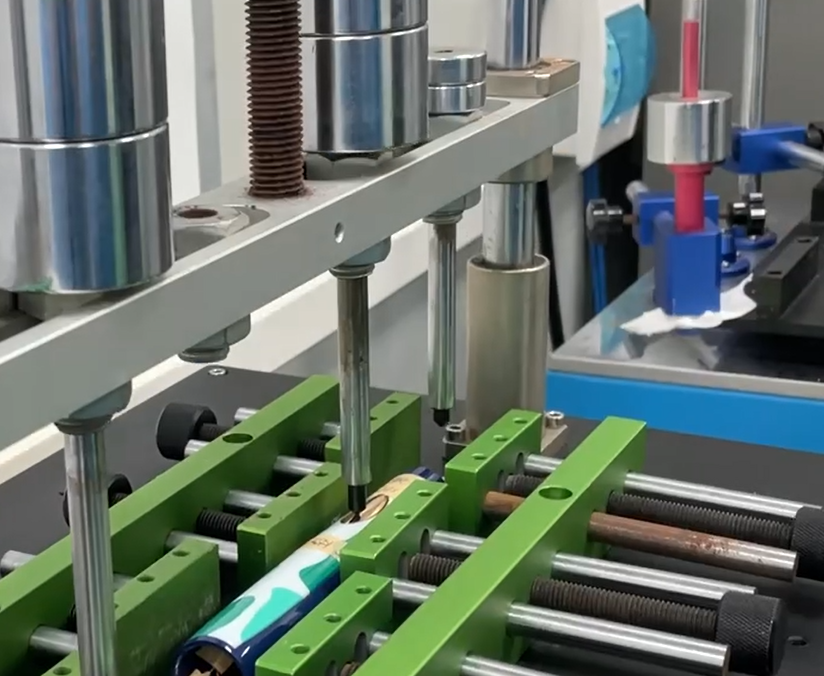
Vacuum leak testing during production to catch potential failures
These upgrades drastically reduce the chance that an electric toothbrush gets wet and turns on automatically during consumer use.
Strong OEM quality control is the ultimate safeguard. Leading factories typically implement:
Incoming material inspection (IMI) for silicone, plastics, and PCBs
Water-resistance tests for every batch or production line
Aging tests with high humidity exposure
Button fatigue testing to ensure long-term structural integrity
Brands should partner with manufacturers who can document testing procedures and provide transparent QC reports.
When evaluating an OEM/ODM factory for electric toothbrush production, brands should prioritize:
Experience with IP-rated consumer electronics
In-house molding and waterproofing expertise
Compliance with international standards (CE, FCC, FDA, ISO 13485 if applicable)
Strong R&D team capable of improving structural and PCB designs
Scalable production & strict QC workflow
Ability to customize materials and sealing solutions
A reliable manufacturing partner ensures longevity, user safety, and stronger brand trust.
If an electric toothbrush gets wet and turns on automatically, it’s a clear indicator of design or manufacturing weaknesses. To prevent these failures and maintain brand reputation, oral-care companies must collaborate with OEMs that prioritize robust waterproof engineering and uncompromising OEM quality control.
By selecting the right manufacturing partner, brands can deliver safer, more durable electric toothbrushes—and differentiate themselves in an increasingly competitive market.
.jpg)
Sonic Toothbrush OEM Factory Guide
Can Custom Tray Design Be Incorporated into a Portable Whitening Kit for On-the-go Use?
Quality Management Zero-Defect Electric Toothbrushes High-Precision Machining Meets
Planning a Toothbrush Subscription Box for Your Direct-to-Consumer Brand?
-3-scaled.png)
Portable Teeth Whitening Device: How to Make It the Size of travel friendly but Maintain 100% Effectiveness?
Travel Size Electric Toothbrush Wholesale
How to Keep Teeth Clean with Braces?
Do Functional Electric Toothbrush Claims Hold Up? Truth Behind OEM Marketing
.jpg)
How to Evaluate an Electric Toothbrush Supplier Portfolio and Electric Toothbrush Supplier Capabilities?
Comparison Between UV Spraying and PU Spraying for Electric Toothbrushes: Matte, Anti-Slip, and Environmental Protection Performance Analysis
How to Avoid Legal Risks in the OEM Process of Electric Toothbrushes
Essential orthodontic Oral Care Products for Orthodontic Patients: Key Elements & Solutions
Voltage Tripping and Sterilizer Corrosion Hindering Exports?
Charging Corrosion Causing Motor Burnout?

What Are the Necessary Conditions for Professional Teeth Whitening Device Suppliers?
Seeking an eco-friendly toothbrush from a bamboo toothbrush factory?


.jpg)
.jpg)
.jpg)
.jpg)
.jpg)







.jpg)