Electric toothbrush for private label brands is becoming one of the fastest-growing opportunities in the oral care industry. As more distributors, brand owners, and retailers move toward building their own product lines, private labeling is no longer optional—it is a strategic necessity.
Moreover, with increasing competition from established brands, differentiation through customization, packaging, and positioning is critical. Therefore, choosing the right OEM/ODM partner plays a decisive role in long-term success.
In this article, we will explore how private label brands can leverage electric toothbrush manufacturing to build competitive, scalable, and profitable product lines.
Firstly, consumers are becoming more aware of oral hygiene. According to global dental organizations, electric toothbrush adoption continues to rise year by year. As a result, retailers and distributors are actively seeking private label solutions.
Additionally, private label products offer higher margins compared to reselling branded goods. Therefore, more businesses are shifting toward customized manufacturing.
With OEM/ODM solutions, brands can fully control product design, features, and packaging. Consequently, they are not competing purely on price.
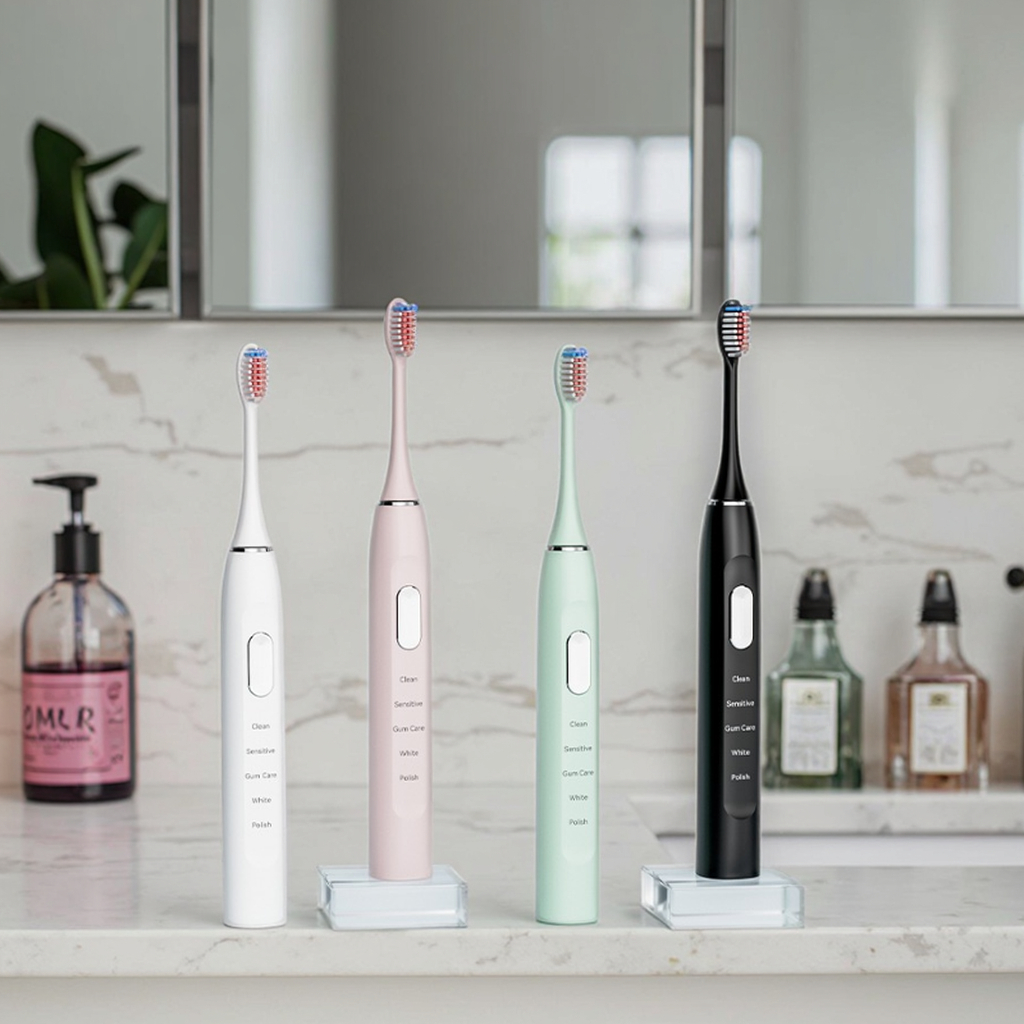
For example, brands can customize:
Because of this flexibility, brands can create a unique identity in crowded marketplaces.
Another important factor is scalability. Many factories now support low MOQ for testing markets. After validation, production can be scaled quickly.
Therefore, private label brands can reduce risk while maintaining growth potential.
Compared to developing products from scratch, OEM solutions significantly reduce development costs. In addition, mass production further lowers unit cost.
As a result, brands can achieve better profit margins.
In OEM, the buyer provides design specifications. The factory produces accordingly. This approach is suitable for brands with strong product development capability.
In ODM, the supplier offers existing designs that can be customized. This is ideal for faster market entry.
Most private label brands prefer ODM because:
Private label brands can request customized shapes, textures, and finishes. For example:
Functions can be adjusted based on target markets. These include:
Packaging is critical for brand perception. Therefore, brands often invest in:
You can explore packaging ideas here:
https://www.powsmart.com/electric-toothbrush
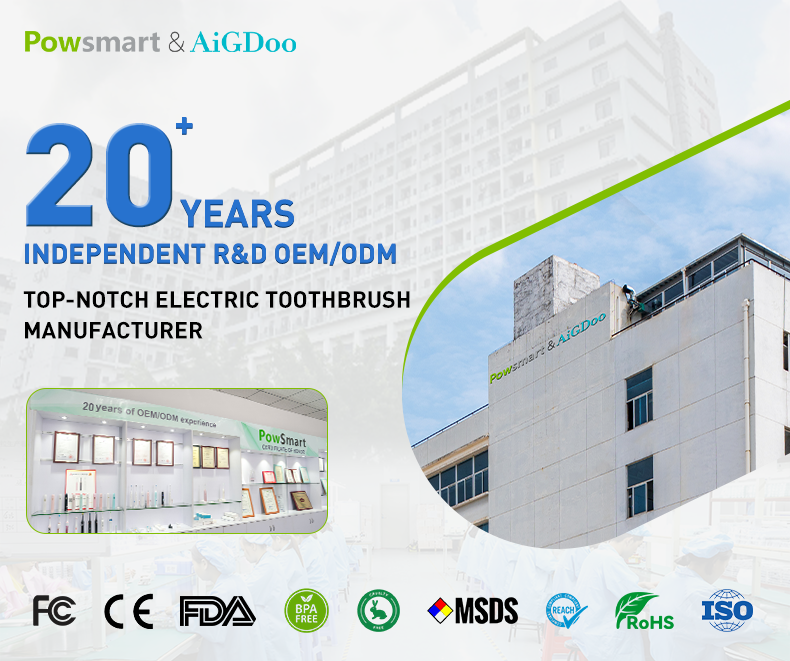
To enter international markets, certifications are essential. These include:
Additionally, quality testing must be conducted, such as waterproof testing (IPX7 standard).
For reference, you can check industry guidelines from:
https://www.ada.org
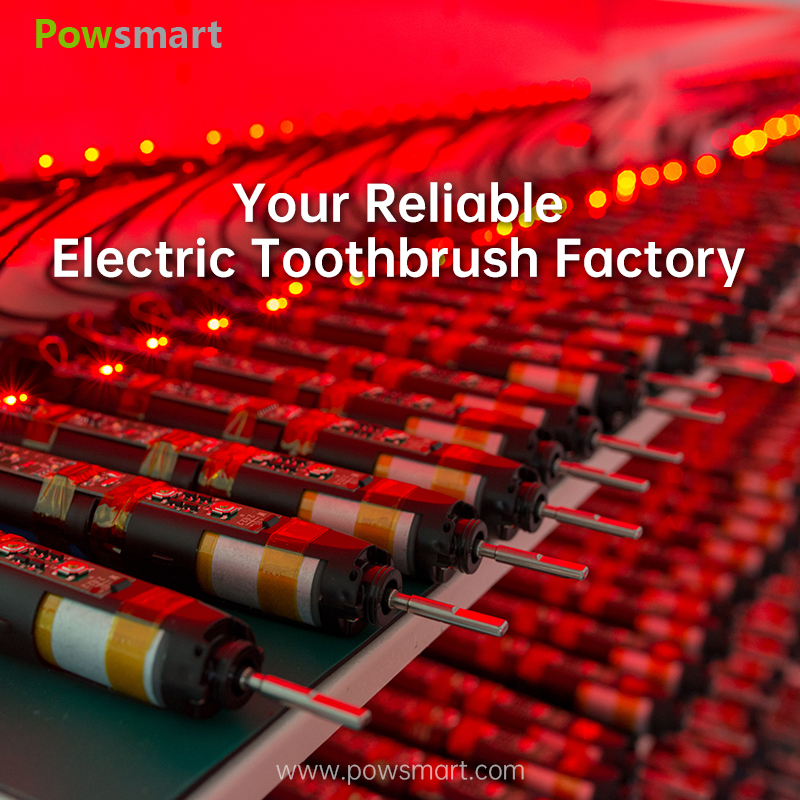
Firstly, evaluate production capacity and automation level.
Secondly, check whether the supplier can support product upgrades and customization.
Finally, clear and responsive communication is crucial for long-term cooperation.
Electric toothbrush for private label brands offers a powerful opportunity to build a competitive and scalable business. With the right OEM/ODM partner, brands can achieve strong differentiation, cost efficiency, and market growth.
Therefore, investing in customization, quality, and branding is not just beneficial—it is essential for success.
.jpg)
LED Oral Beauty Device Manufacturer for OEM & Private Label Dental Brands
How Do Toothbrush Design Services Accelerate Toothbrush Prototype Development?
How Does Including a Wireless Charging Module Influence Kit Packaging Design?
Brushing 3 Times a Day? How Brands & OEMs Can Educate for Better Oral Health
.jpg)
How does wireless inductive charging technology make charging simpler and more elegant?
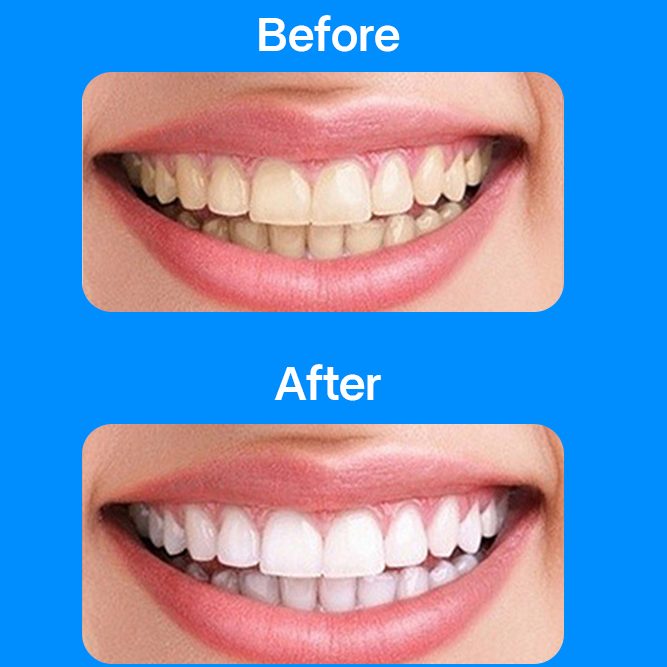
Comparing Different Types of Teeth Whitening Devices Pros and Cons from Manufacturers
Teeth Whitening in Mexico: Navigating Regulations & Safety for Market Entry
.jpg)
Are Waterproof Electric Toothbrushes Popular in Miami?
quiet motor toothbrush factory | Low-Noise Sonic Toothbrush OEM Supplier
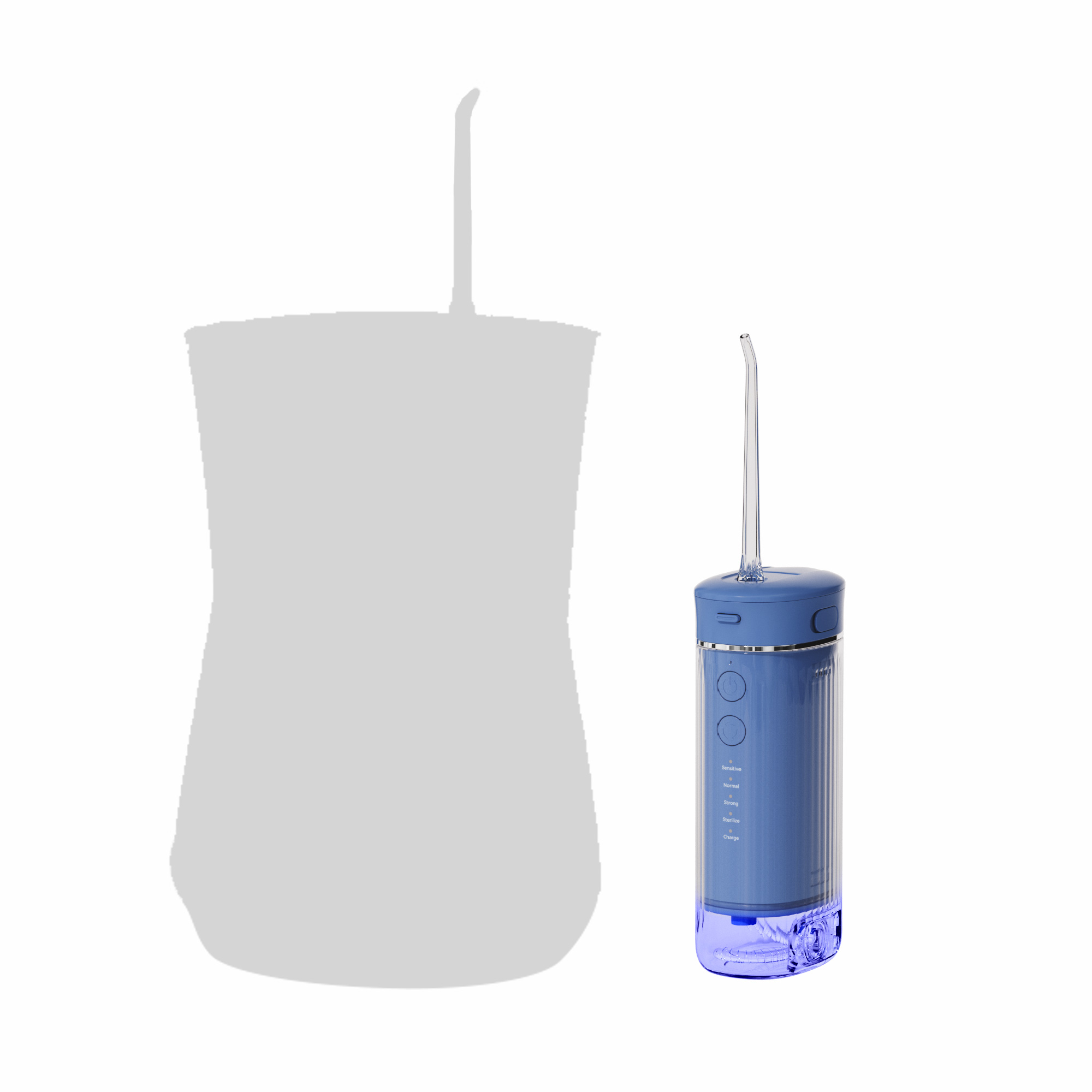
The Science Behind UVC Sterilization in Water Flosser Tank
Braces Electric Toothbrush Cleaning Guide | Effective Cleaning Around Brackets
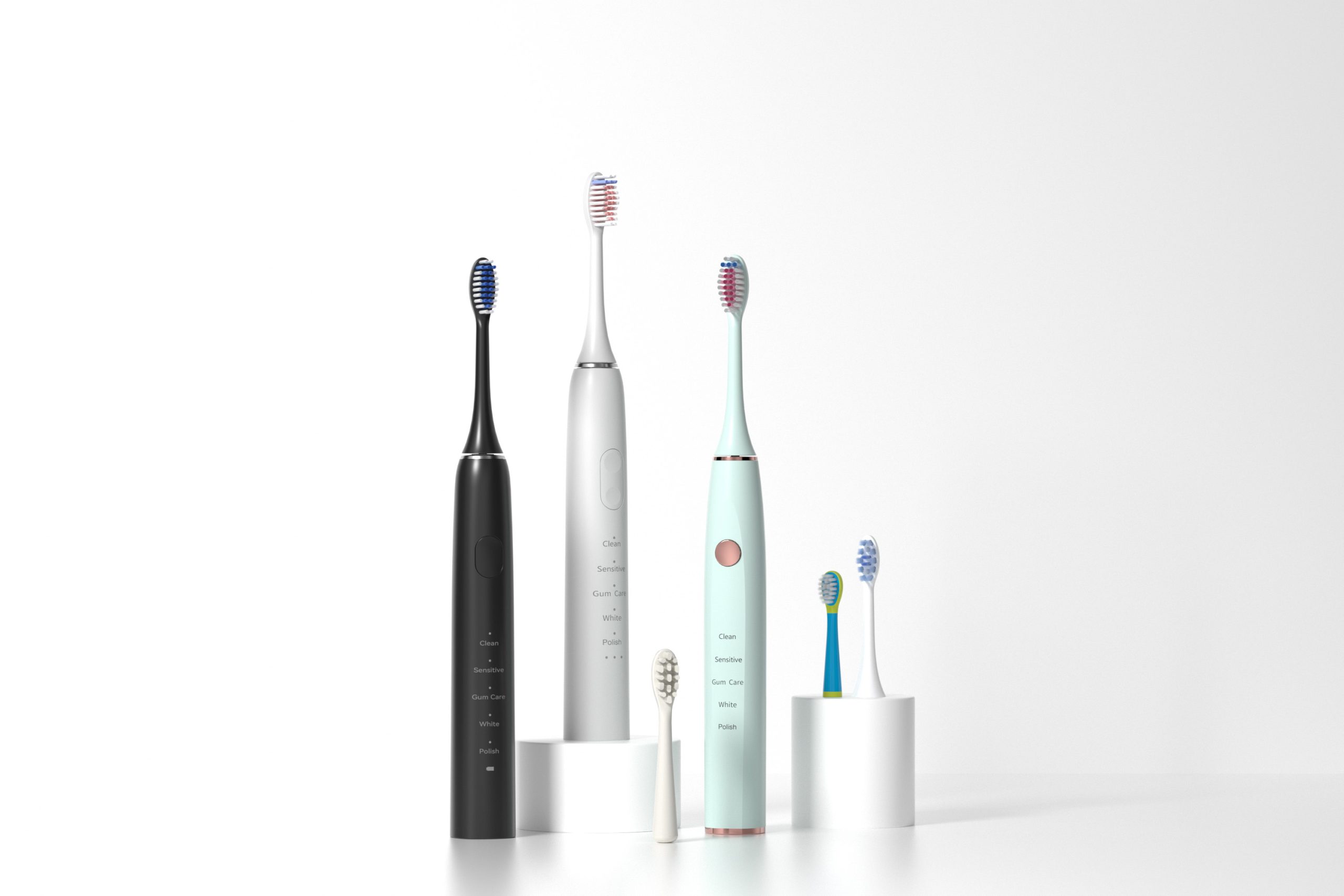
Seeking Electric Toothbrush Innovation Partners Who Are Electric Toothbrush Sustainable Supplier?
Eco Packaging Electric Toothbrush Supplier
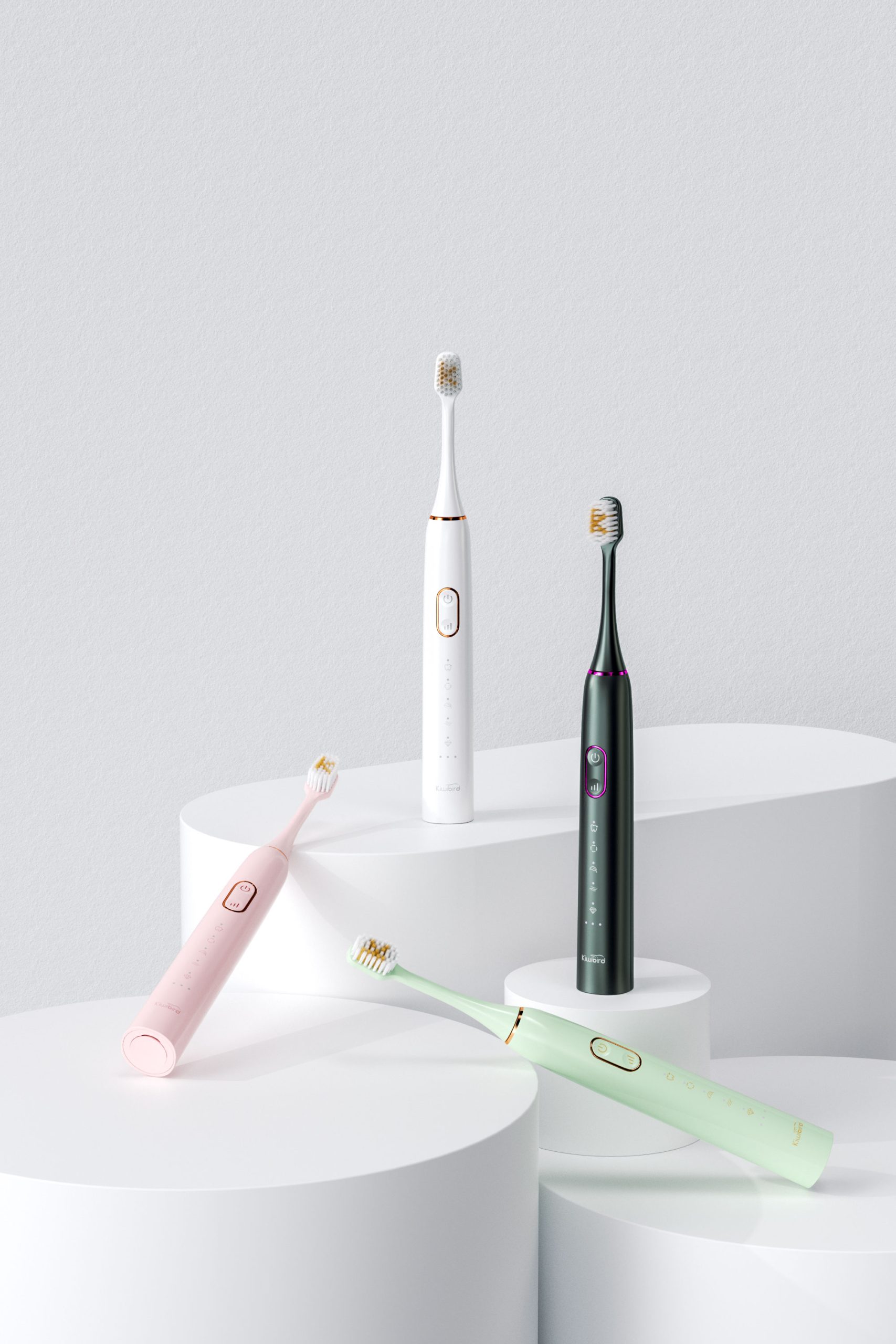
Which Electric Toothbrush With Whitening Works Best?
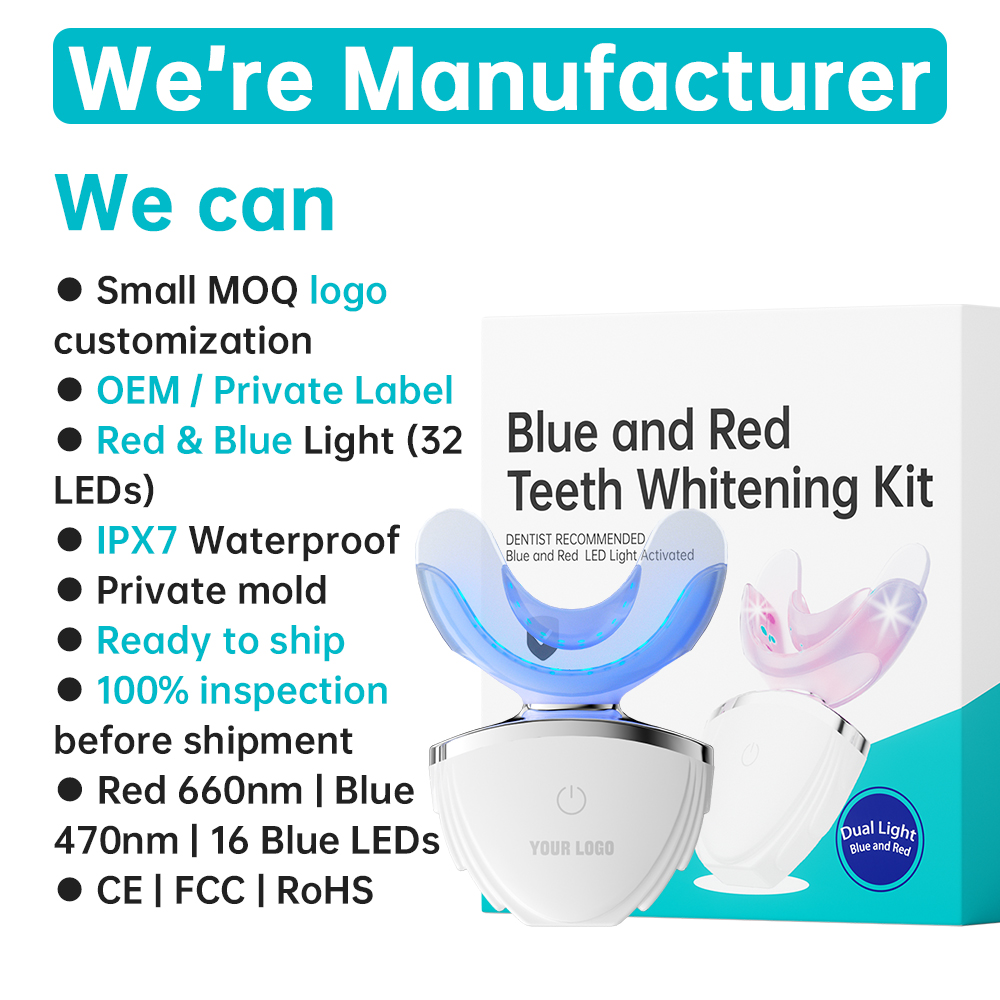
How Do Micro-encapsulated Flavor Beads Enhance a Direct-to-Consumer Enablement Strategy for Toothpaste?
Need a Hotel Amenity Electric Toothbrush for Your Luxury Hotel Toothbrush Kit?


.jpg)
.jpg)
.jpg)
.jpg)
.jpg)