Electric toothbrush compliance standards are a critical consideration for brands, importers, and OEM buyers operating in regulated international markets. As electric toothbrushes are classified as electrical consumer healthcare devices, compliance directly determines whether a product can be legally sold, listed, or distributed.
For B2B buyers, understanding regulatory requirements early helps prevent shipment delays, rejected listings, and costly redesigns.
Electric toothbrushes integrate motors, batteries, and electronic control systems. As a result, they must meet multiple regulatory frameworks covering electrical safety, material safety, and electromagnetic compatibility.
For global brands, electric toothbrush compliance standards are not optional checkpoints. Instead, they form the foundation of sustainable market access across regions such as the EU, North America, and Asia-Pacific.
Moreover, distributors increasingly require documented compliance before onboarding new suppliers.
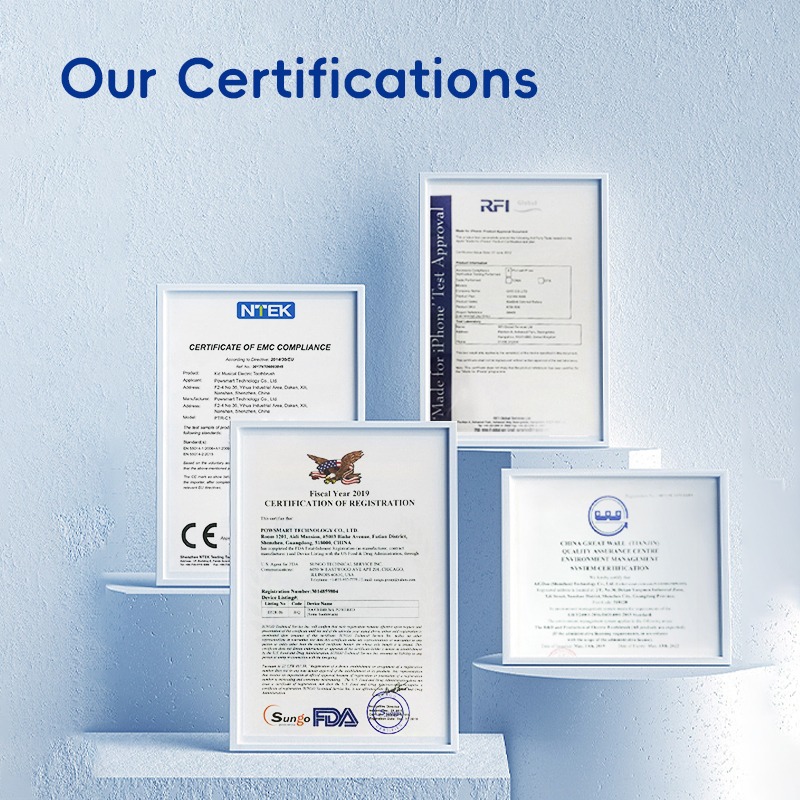
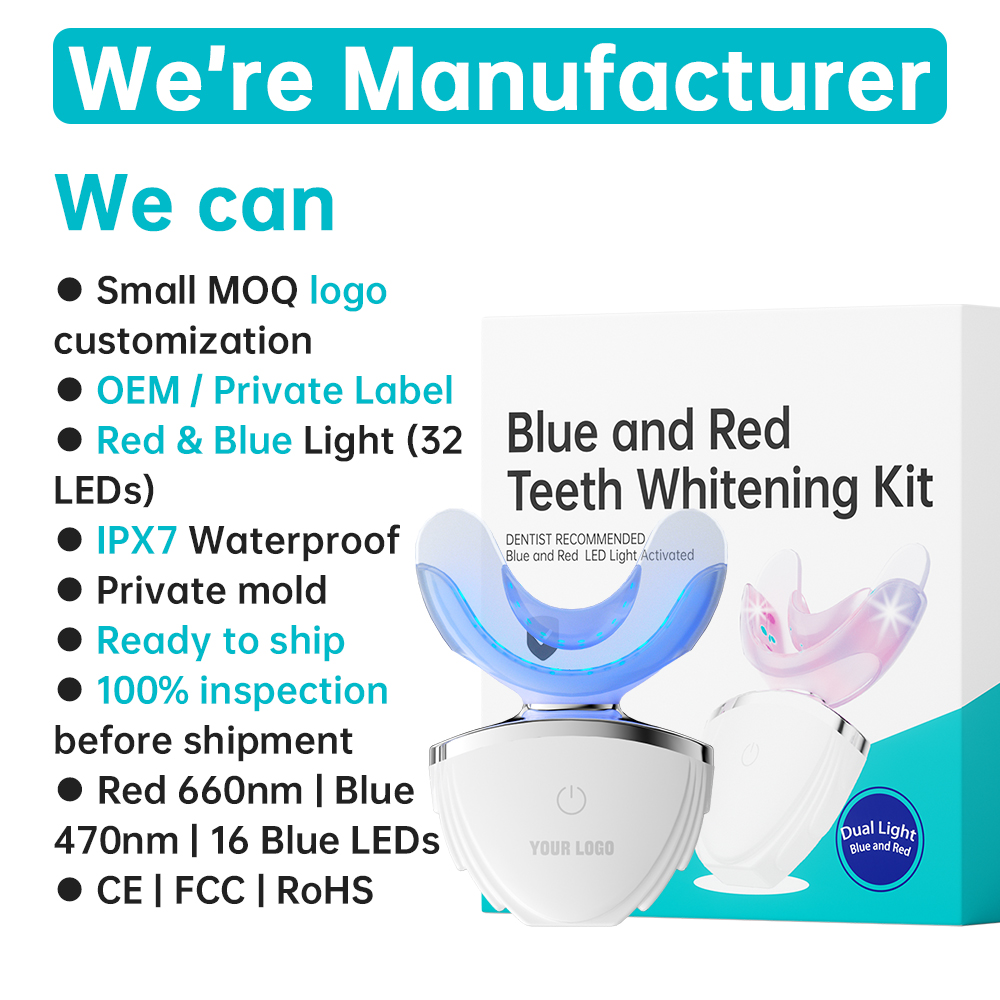
Most markets require certification aligned with CE, FCC, and RoHS directives. These standards evaluate electrical safety, emissions, and hazardous substance restrictions.
In addition, waterproof ratings such as IPX7 are often expected for bathroom-use devices. These tests ensure safe operation under wet conditions.
Battery compliance also plays a key role. Lithium battery testing and transport documentation help prevent logistics issues and customs rejection.
Manufacturers experienced with export markets integrate compliance planning directly into product development.
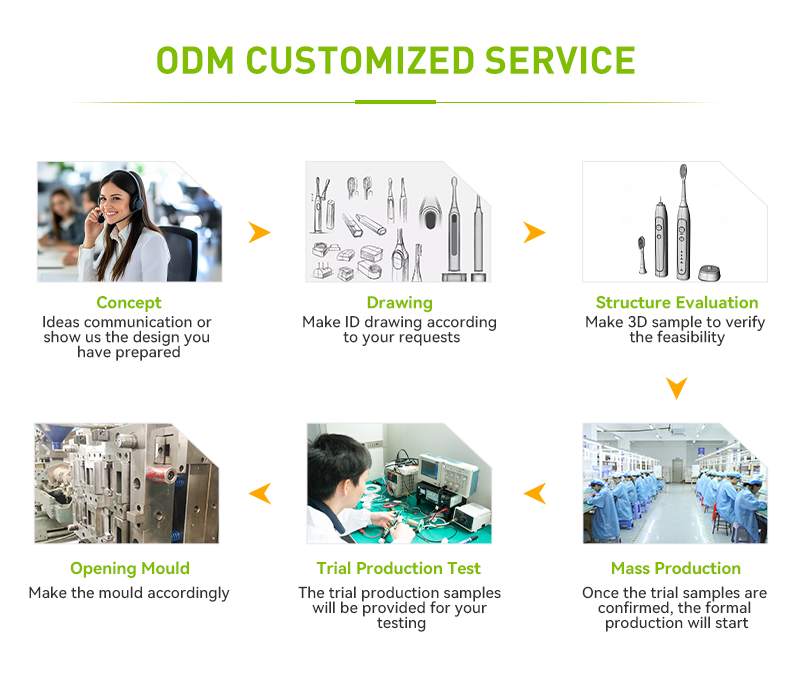
From an OEM perspective, compliance is a shared responsibility. Brands must ensure that suppliers provide complete test reports and traceable documentation.
Reliable manufacturers assist buyers with compliance packages that include test summaries, declarations of conformity, and technical files.
Powsmart supports export-oriented electric toothbrush manufacturing with compliance-aligned production processes. Related OEM capabilities can be reviewed at:
https://www.powsmart.com/
Compliance is not a one-time event. Production consistency must be maintained to ensure ongoing conformity.
Therefore, factories with structured quality management systems perform regular audits and internal inspections. These systems help ensure that materials, components, and assembly methods remain unchanged after certification.
International manufacturing standards can be referenced through the International Organization for Standardization:
https://www.iso.org/
From a business standpoint, compliance readiness reduces risk and accelerates time-to-market. Products with complete documentation are easier to onboard with distributors, retailers, and e-commerce platforms.
Furthermore, compliance transparency improves buyer confidence and supports long-term partnerships.
In conclusion, electric toothbrush compliance standards are a strategic requirement rather than a technical detail. For B2B buyers, working with compliance-aware manufacturers ensures regulatory security, operational stability, and scalable global growth.
How Does Low-Speed Brushing Transform Sensitive Gums Care?
.jpg)
Chemical Residues Triggering Throat Irritation – Toxic?
Electric Toothbrush Production Capacity for OEM & Wholesale Buyers

How Does UV Whitening Technology Comply with Dental Grade Whitening Standards?
Does Your Contract Manufacturing Agreement Provide Quality Certification Support?
Handle Cracking and Sinus Pressure – Related?
Oral Beauty Device Supplier for Global Brands and Distributors
Vibration Decay with Timer Malfunction – Time to Retire?
Why Electric Toothbrush & Water Flosser Bundles Sell Better

Seeking Custom Handle Design Services Within Your OEM/ODM Manufacturing Partnership?
.jpg)
OEM Essentials for Electric Toothbrush Production
How Does a Pressure Sensor Protect Gums?
Foldable Design & USB Charging Travel Electric Toothbrush OEM
How Does a Modern Touch Interface Design Integrate with an LED Display Module for User Feedback?
Mode Confusion Worsening Runtime Shortening – Fixable?
.jpg)
Water Flosser competitive Features That Cause Premium Pricing: What Brands Should Look For in Manufacturing


.jpg)
.jpg)
.jpg)
.jpg)
.jpg)