As consumers become increasingly aware of oral hygiene, the demand for hygienic product design in devices like water flossers has grown dramatically. Brand owners seeking to stand out in this competitive market must ensure not only excellent performance but also effective water flosser disinfection strategies.
A well-designed water flosser must balance functionality, safety, and ease of cleaning — factors that directly influence brand reputation and customer trust.
Unlike toothbrushes, water flossers contain internal water channels and reservoirs that can easily accumulate bacteria, mold, and mineral deposits. Regular maintenance and effective cleaning methods are crucial for user health and long-term device performance.
For brands developing new products or seeking OEM design solutions, integrating disinfection features during the design phase can prevent user complaints, product returns, and costly after-sales service.
To maintain optimal hygiene, manufacturers should consider both user-level cleaning and built-in system disinfection. The most effective cleaning methods include:
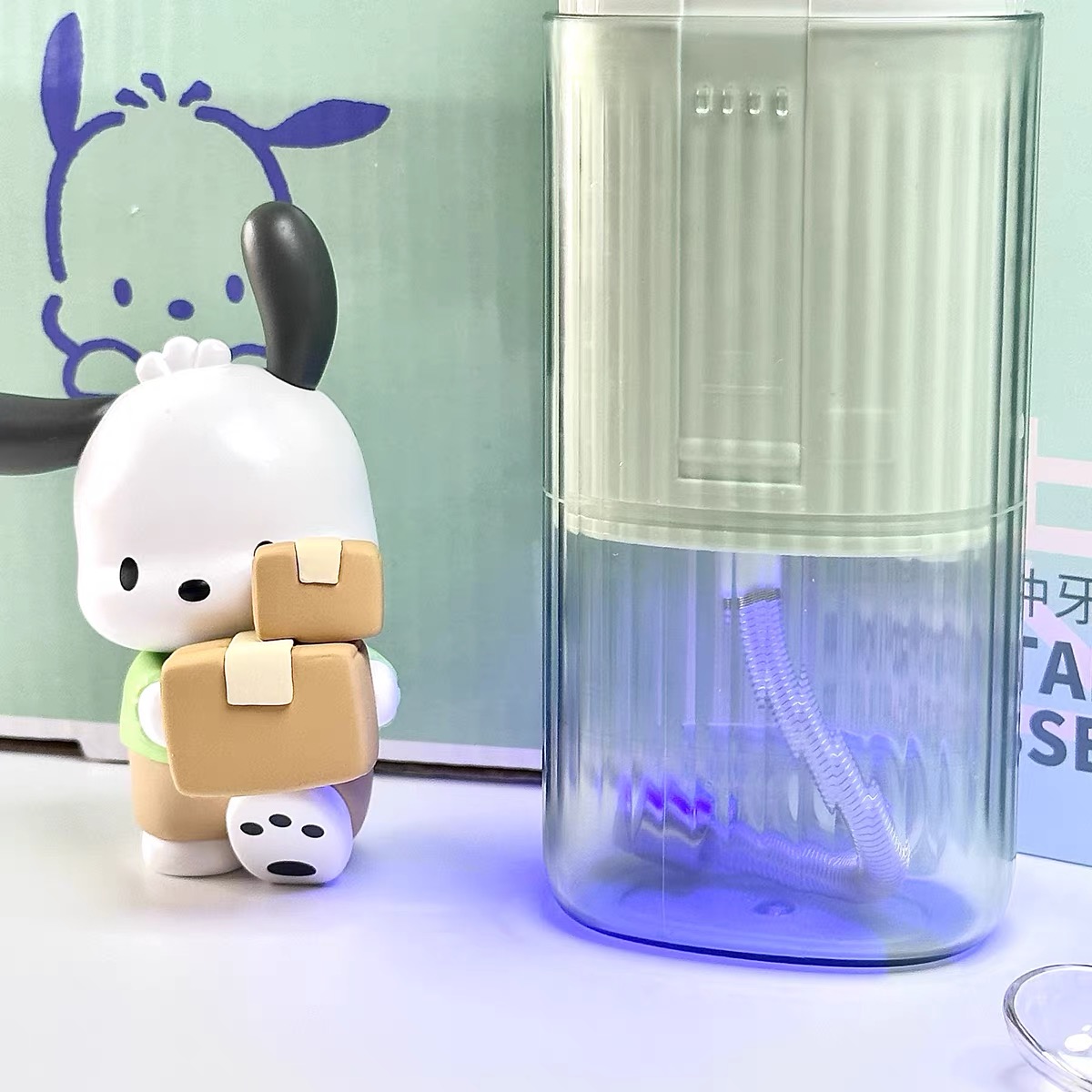
UV-C sterilization modules that automatically disinfect the water tank and nozzle.
Antibacterial materials in water pathways to reduce biofilm growth.
Self-cleaning modes that flush internal tubing with a disinfectant solution or high-pressure pulse.
By incorporating these technologies, brands can market their devices as advanced, hygienic, and easy to maintain.
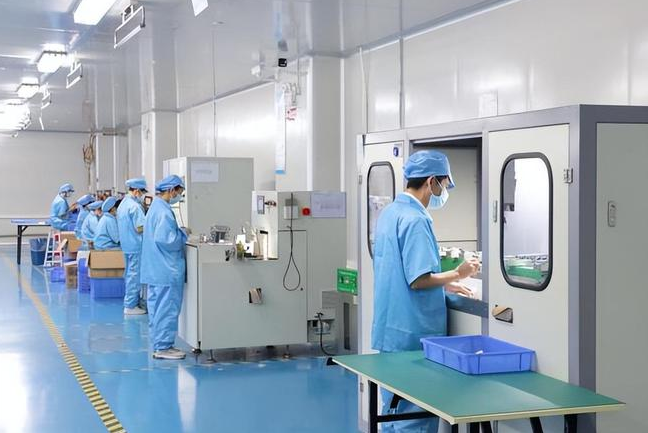
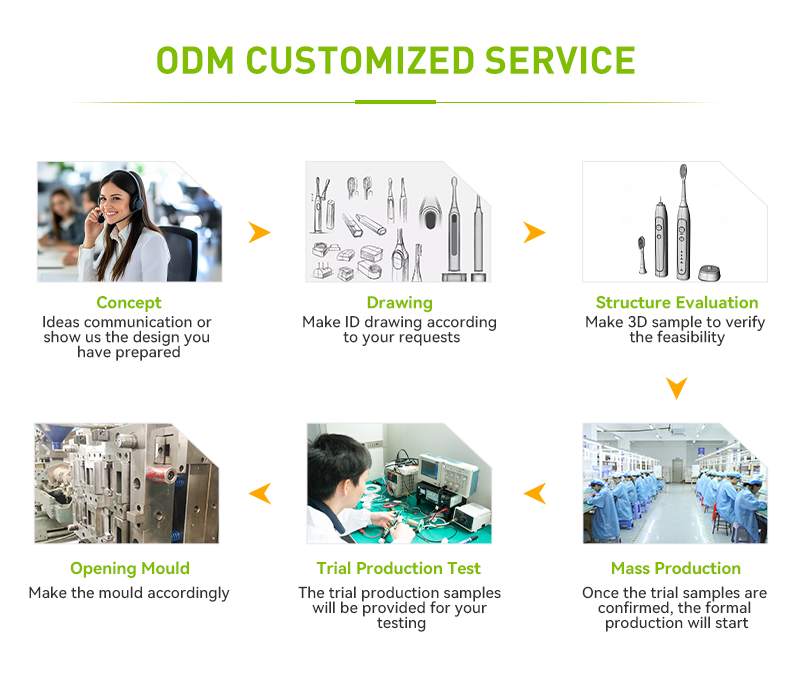
When developing customized models with OEM design solutions, it’s vital to embed disinfection technology into the product’s core architecture rather than treating it as an add-on.
Smart OEM manufacturers can assist with:
Modular integration of UV or ozone disinfection systems.
Waterproof sealing solutions that enhance hygienic product design.
Compact component layouts that optimize space and simplify assembly.
Collaborating with experienced OEM partners ensures that innovation aligns with safety standards and global certifications.
A successful hygienic product design not only improves cleaning efficiency but also strengthens a brand’s premium image. Features like removable water tanks, easy-to-rinse nozzles, and antimicrobial coatings enhance user experience while reducing maintenance frequency.
By prioritizing hygiene at the design stage, brands demonstrate responsibility and technological leadership — values that resonate strongly with today’s health-conscious consumers.
Effective water flosser disinfection is no longer optional — it’s a critical differentiator in the oral care industry. By combining effective cleaning methods with OEM design solutions focused on hygienic product design, brands can deliver safer, smarter, and more reliable devices.
Choosing the right OEM manufacturing partner with experience in disinfection technology and regulatory compliance is the key to long-term success in this fast-evolving market.
Pros and Cons of Silicone Electric Toothbrushes
Sales-Boosting Strategies for Oral Care Brands
.jpg)
Are Erratic Brushing Mode confusion and Timers Failing Simultaneously?
Charcoal Bristle Toothbrush Wholesale for Distributors & Private Labels
Pressure Sensor Toothbrush | OEM Manufacturing for Sensitive Gum Care
Electric toothbrushes vs. other oral care tools
.jpg)
Electric Toothbrush Troubleshooting Flowchart: A Practical OEM Guide for Brands
How Do Dock Failure and Battery Swelling Threaten Safety?
Plaque Removal Science Brushing Techniques: Disrupt Biofilm for Cleaner Teeth
Premium Sonic Toothbrush Wholesale | Professional Quality for Global Brands
How Dangerous Are Jet Instability and Power Surges?
Year-End Client Gift Ideas Electric Toothbrush | Personalized Supply
Status Symbol Electric Toothbrush for Business Owners
Why Should You Cover Your Toothbrush in the Bathroom? Hygiene Insights from Manufacturers
Case Study of Intelligent Upgrading of Dental Instrument Factory
Electric Toothbrush Travel Case Guide: Choose the Best Case for On-the-Go


.jpg)
.jpg)
.jpg)
.jpg)
.jpg)





.jpg)