Info Center
Home » powsmart Electric Toothbrush blog » Dental Implants Water Flosser Guide: Protect Peri-Implant Health

Dental Implants Water Flosser Guide: Protect Peri-Implant Health

Date:2026-03-10
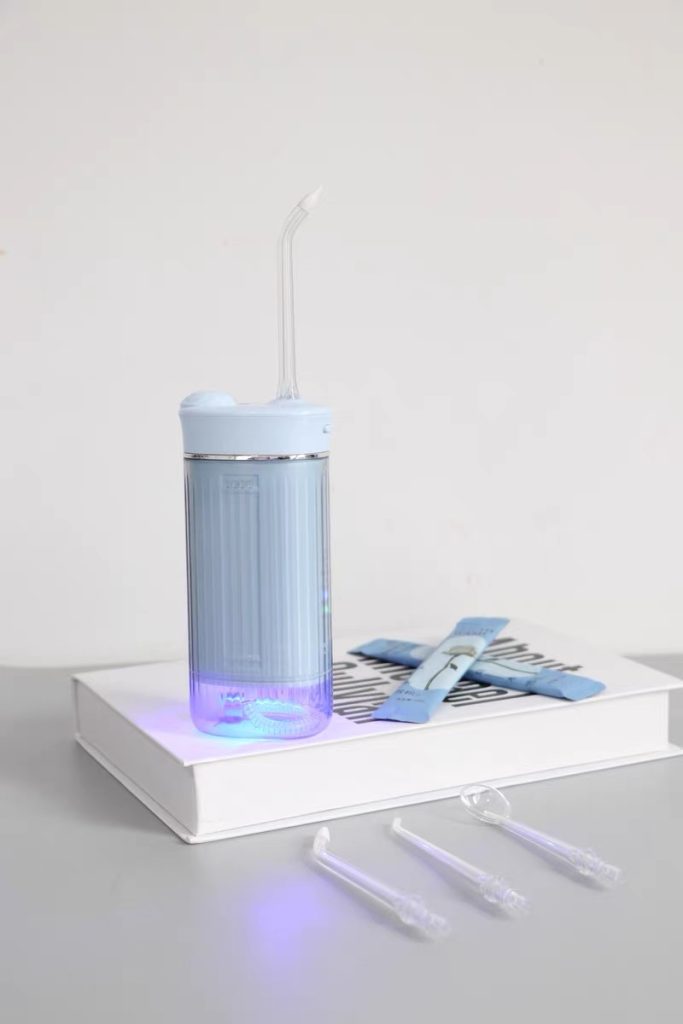
Implants require special care, and this dental implants water flosser guide shows how water flossers protect peri-implant health. Implants don’t have the same natural defense as teeth, making them prone to infection and inflammation. Water flossers target hard-to-reach areas around implants, removing plaque and bacteria that manual brushing misses. For implant-friendly water flossers, visit https://www.powsmart.com/.

Why Water Flossers Are Critical for Implant Care

First, implants differ from natural teeth in key ways that demand extra care:
  • Implants lack a periodontal ligament, so bacteria can spread faster to the bone.
  • Food and plaque get trapped around implant posts, leading to peri-implantitis (inflammation around implants).
  • String floss often breaks or gets stuck around implant abutments, making manual flossing ineffective.
Water flossers solve these problems by delivering a targeted stream of water. They blast away plaque and food particles without damaging delicate implant tissue.

How to Use a Water Flosser for Implants

Furthermore, follow these steps to use a water flosser safely and effectively with implants:
  1. Start with low pressure: Use 10–20 PSI to avoid irritating sensitive implant sites. Gradually increase pressure if needed.
  2. Angle the nozzle correctly: Hold the nozzle at a 45-degree angle to the implant, pointing it toward the gumline. This ensures water reaches between the implant and gum.
  3. Floss daily: Floss for 1–2 minutes, focusing on each implant individually. Pay extra attention to areas where the implant meets the gum.
  4. Use plain water: Avoid mouthwash or flavored solutions, as these can irritate implant tissue or leave residue.

Additional Implant Care Tips

In addition, these steps support long-term implant health:
  • Brush gently around implants with a soft-bristle brush twice a day.
  • Visit your dentist every 6 months for professional cleanings and implant checkups.
  • Avoid hard, sticky foods that can damage implant crowns or loosen abutments.
In conclusion, this dental implants water flosser guide makes one thing clear: water flossers are essential for implant care. They reduce infection risk, keep implants clean, and protect your dental investment. For more implant care tips, visit https://www.webmd.com/oral-health/dental-implants-care.