Choosing a customizable sonic toothbrush OEM allows brands to build a unique oral-care lineup tailored to modern consumer needs. As competition increases across online and offline markets, more companies seek personalized designs, upgraded vibration systems, and premium user experiences. Additionally, customization offers stronger brand differentiation, which is essential for retailers, subscription platforms, and wellness-focused brands aiming to stand out.
To begin with, customizable sonic toothbrushes combine high-frequency vibration with ergonomic engineering, helping users achieve better cleaning results with less effort. Moreover, as oral-care consumers expect visually appealing designs and comfortable brushing sensations, private-label brands now consider product personalization a key part of long-term market strategy.
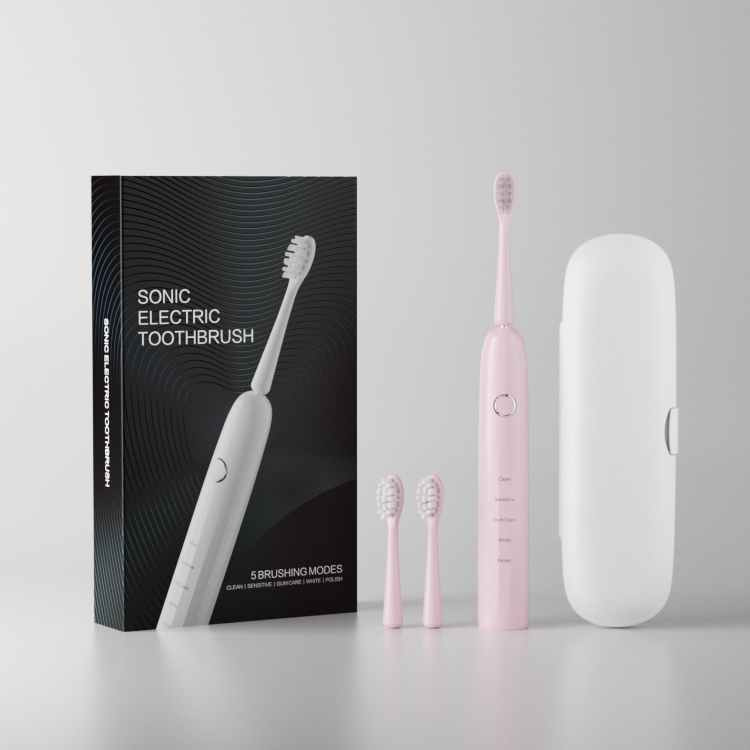
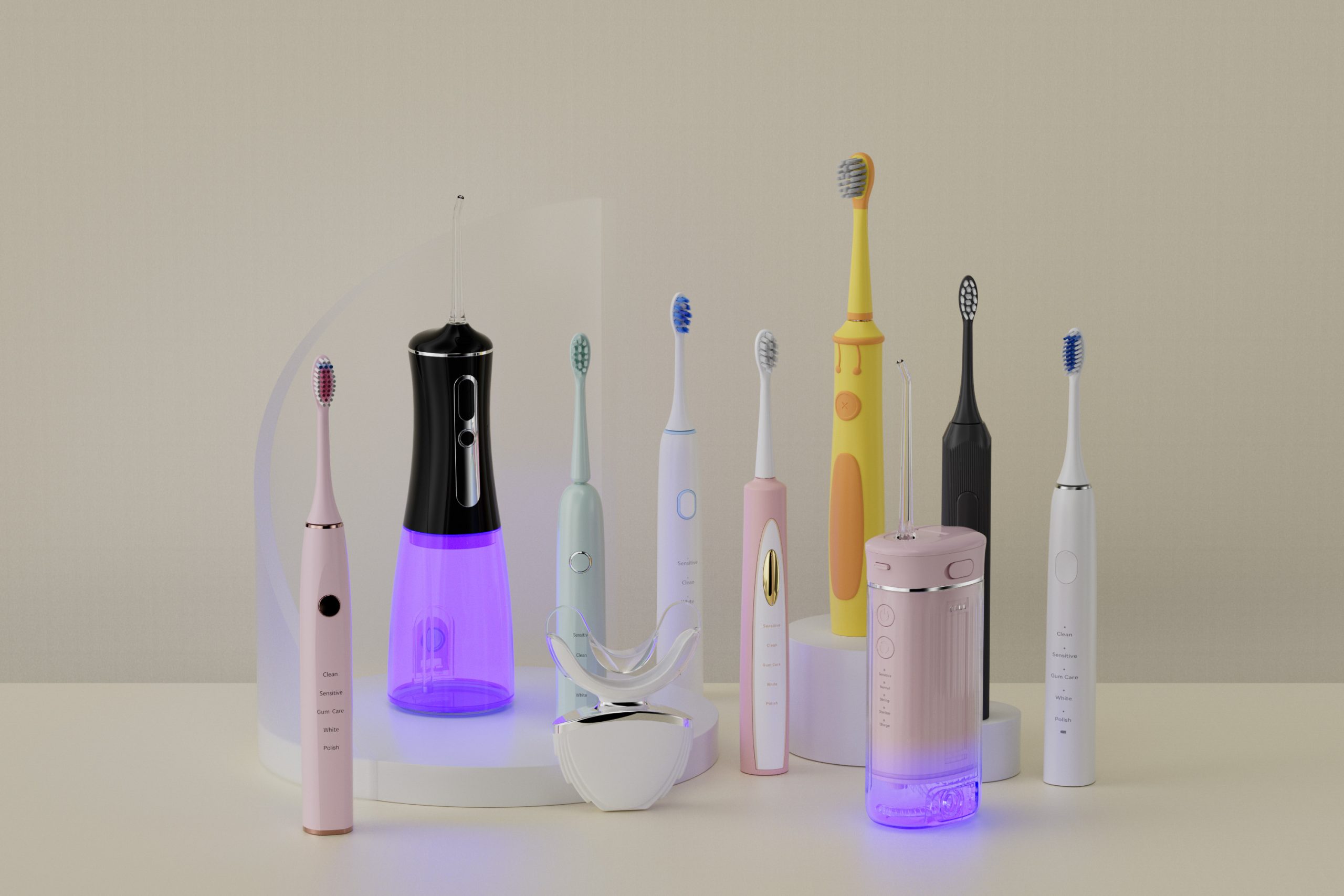
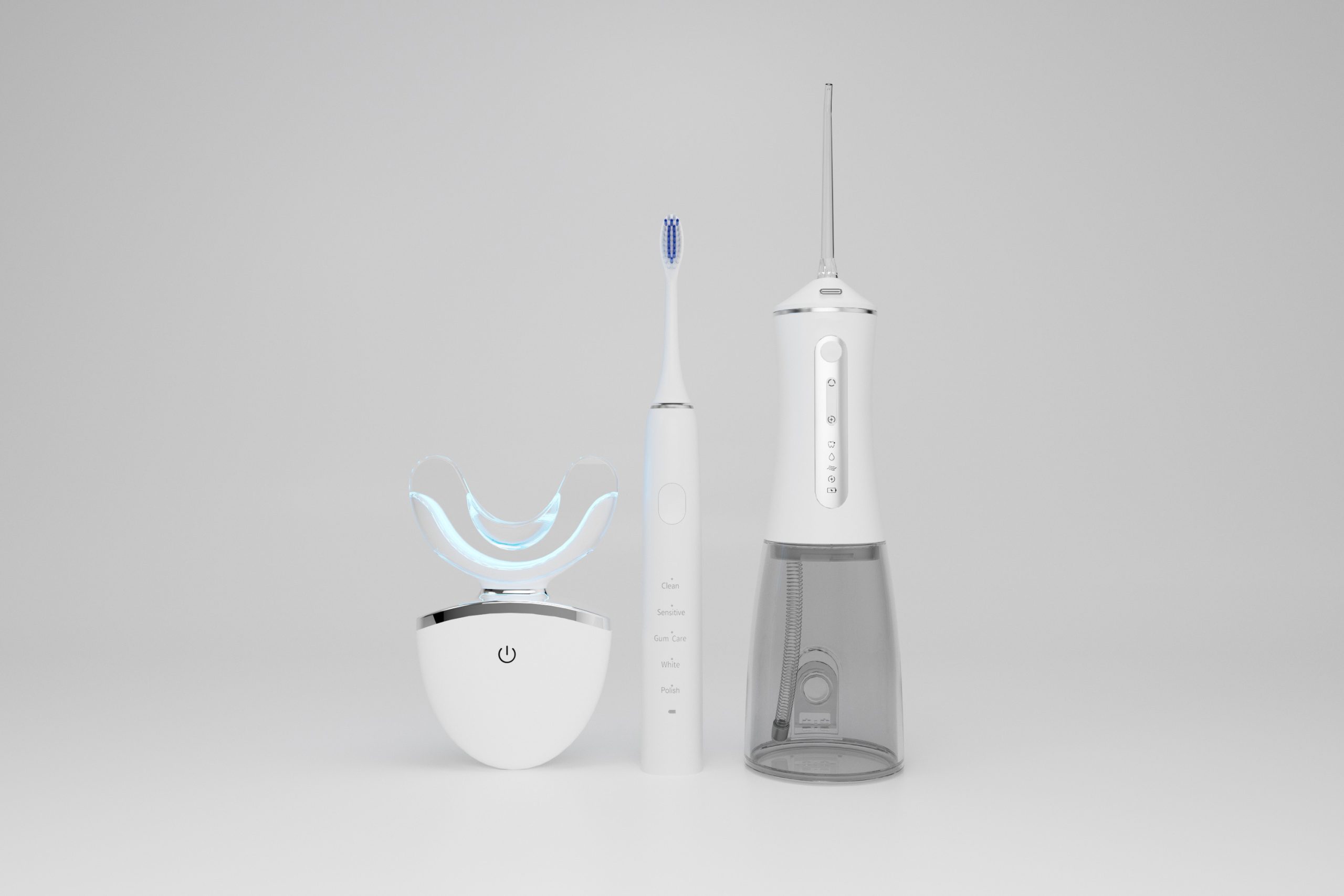
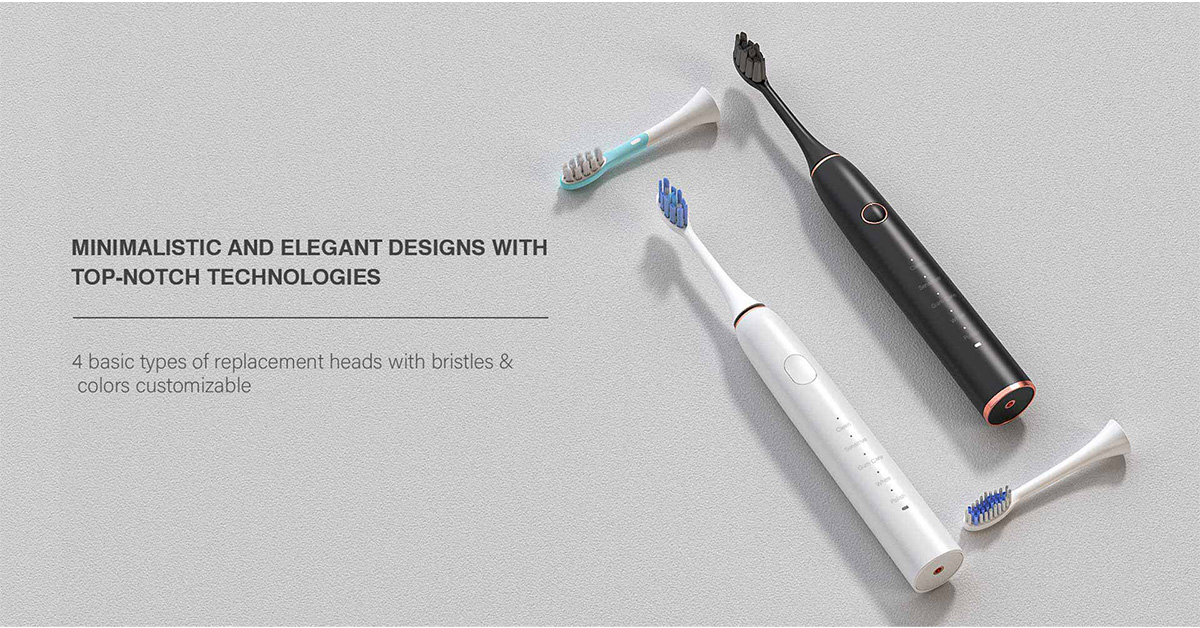
Personalized sonic toothbrushes provide adjustable vibration strengths, multiple brushing modes, and replaceable brush heads. Furthermore, brands can choose exterior materials, surface textures, handle colors, and motor configurations. For reference, you can explore additional product categories here:
👉 https://www.powsmart.com/
Because these sonic systems produce consistent, stable cleaning performance, they have become a mainstay in global oral-care programs.
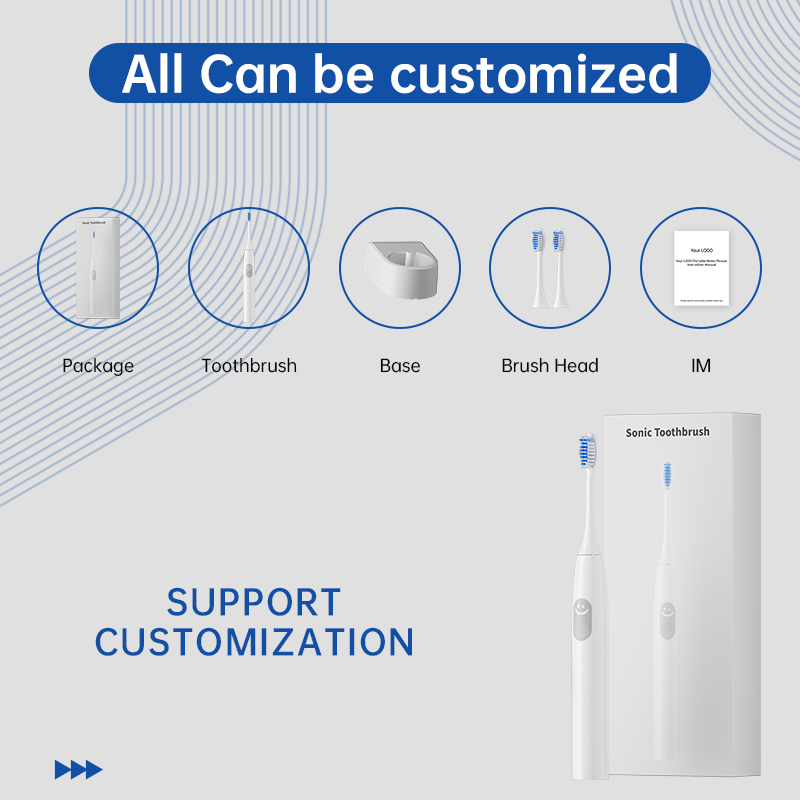
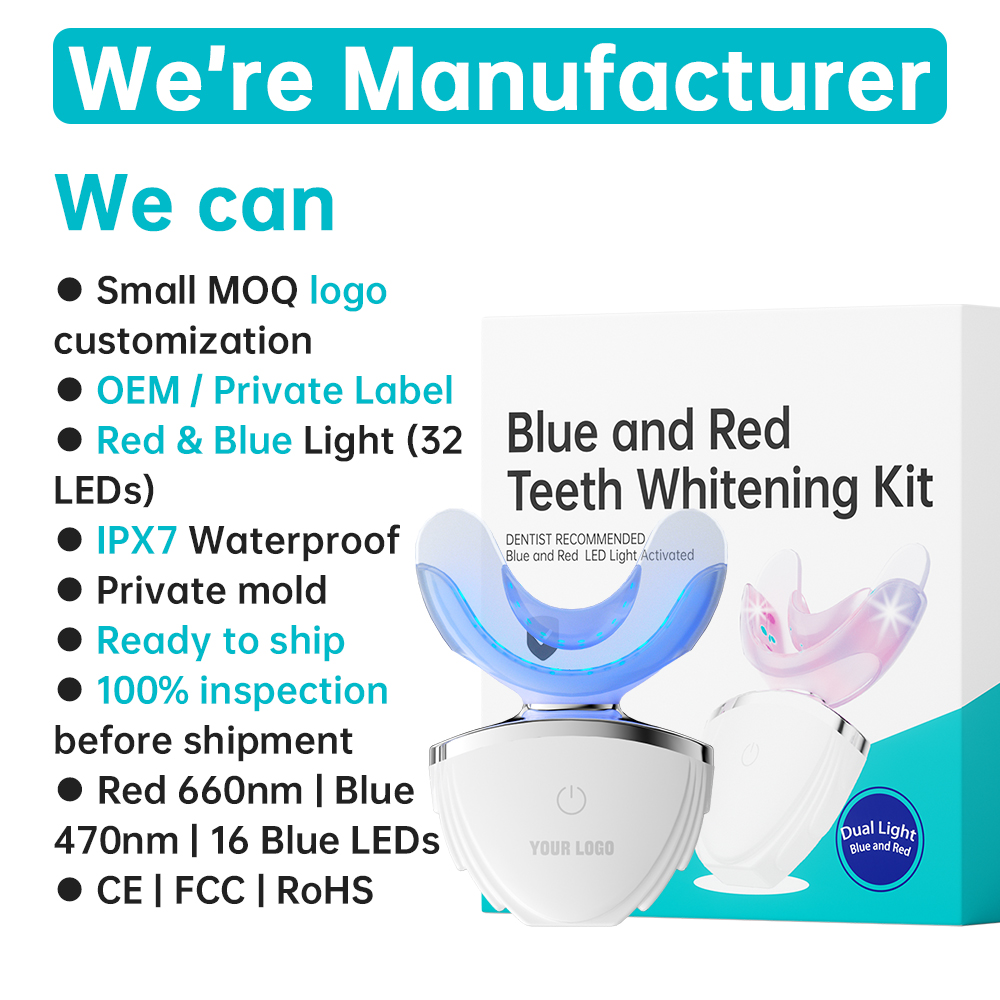
An experienced OEM partner supports custom molding, industrial design reviews, and PCBA layout optimization. In addition, many brands request Pantone-matched colors, logo engraving, metallic finishes, or matte coatings to strengthen product identity. Packaging development is also available, including minimalist boxes, retail-ready blister packs, and influencer kit designs.
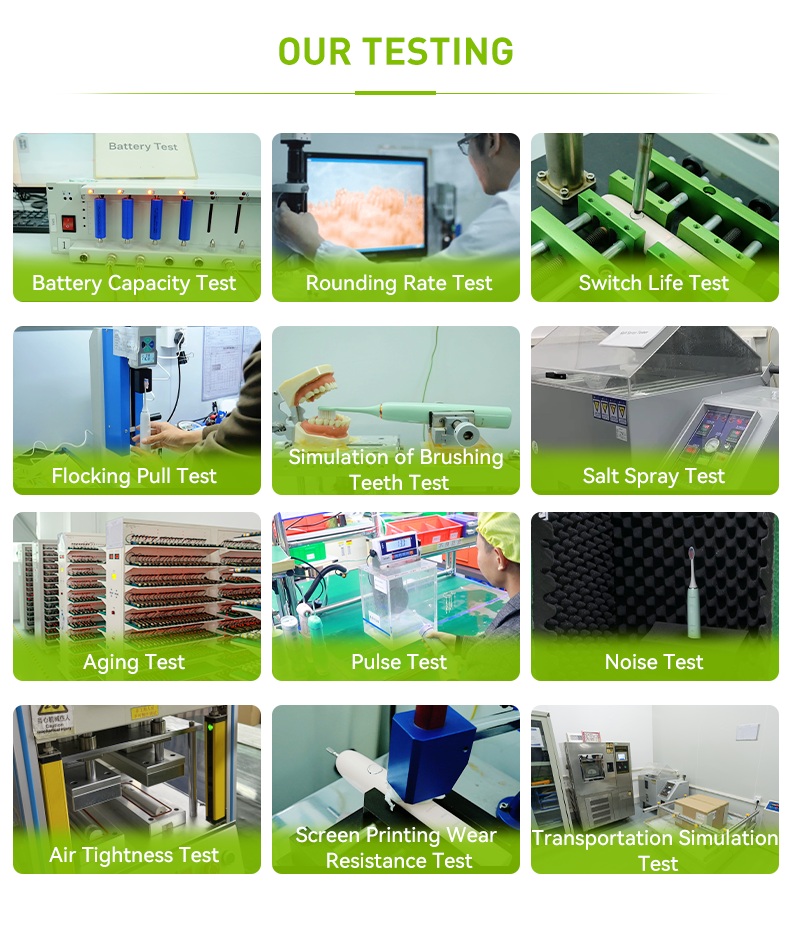
To ensure long-term durability, factories perform waterproof testing, drop simulations, and noise-level evaluations. These engineering steps help brands launch reliable and visually appealing models.
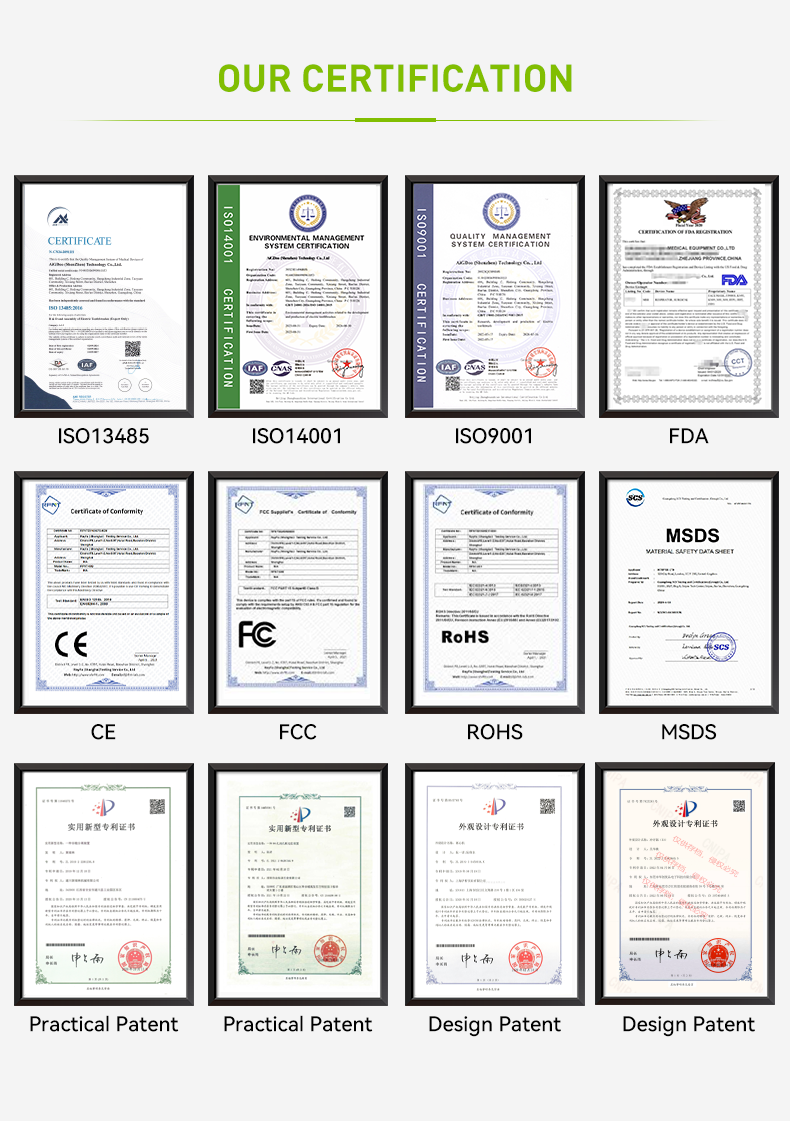
OEM toothbrushes must follow safety regulations involving oral-contact materials, battery protection, and waterproof ratings. Therefore, biocompatibility tests, CE documentation, and electrical safety verifications are essential. For neutral dental-care information, refer to recognized institutions such as the Oral Health Foundation:
👉 https://www.dentalhealth.org/
Moreover, brands expanding into Europe or North America must consider regional certification requirements during product planning.
Customized sonic toothbrushes are popular in subscription hygiene kits, spa and wellness stores, and premium lifestyle retailers. Because personalization helps increase brand loyalty, these models consistently achieve strong sales performance across social commerce, Amazon listings, and dental distribution networks.
With a reliable customizable sonic toothbrush OEM, brands can confidently deliver unique, high-performing products that strengthen brand presence and satisfy diverse customer demands.
.jpg)
Gel Crystallization with pH Imbalance – Toxic?

Need a Whitening Kit with Mouthpiece and Custom Whitening Kit Packaging?
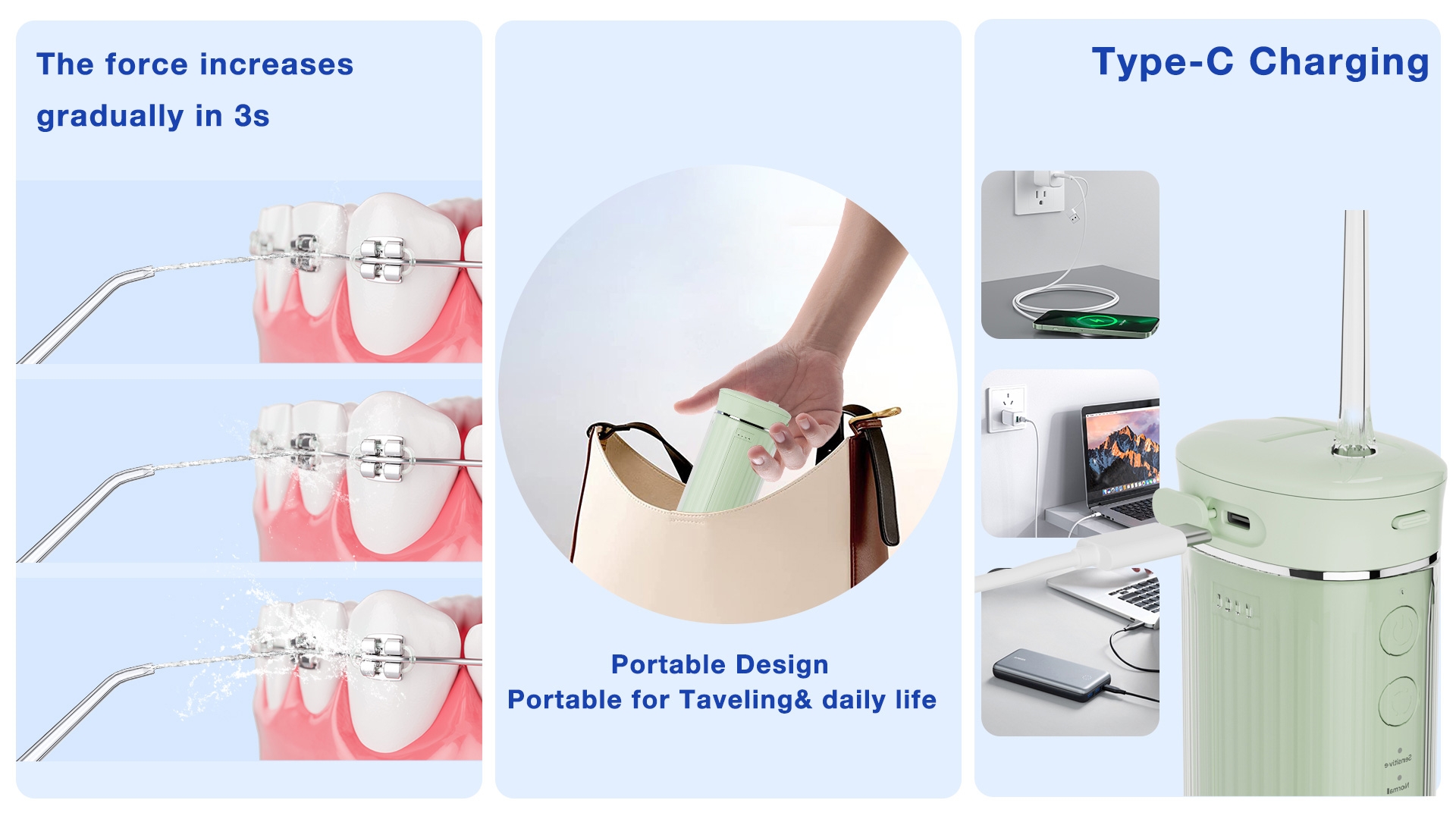
Keep Your Travel dental hygiene Fresh While Traveling: 5 Easy Solutions for On-the-Go Care
Electric Toothbrush Ergonomic Handle Design: OEM Product Development
-2-scaled.png)
The Scientific Principle of Red and Blue Light Teeth Whitening Device: How Can 460nm Blue Light and 630nm Red Light Safely Whiten Teeth?
Why choose a Chicago kids toothbrush for your Chicago family toothbrush setup?
Who Offers Teeth Whitening Kit ODM and Whitening Mouthpiece Factory Direct?
Electric Toothbrush Certification CE RoHS
Have You Completed the Essential Principles Checklist Before Electromagnetic Compatibility Test?
How Can Federated Learning for Oral Health Improve Your Oral Health Digital Twin Models?
A Few Things You Need to Know Before and After Teeth Whitening
Nerve Sensitivity from Inconsistent Spray – What’s Causing the Irritation?
Blue Light Electric Toothbrush OEM Factory
.jpg)
Where to Find the Best Electric Toothbrush for Travel in Alaska?

Key factors in selecting water flossers
Wholesale Smart Electric Toothbrushes: Bulk Order Advantages


.jpg)
.jpg)
.jpg)
.jpg)
.jpg)



.jpg)