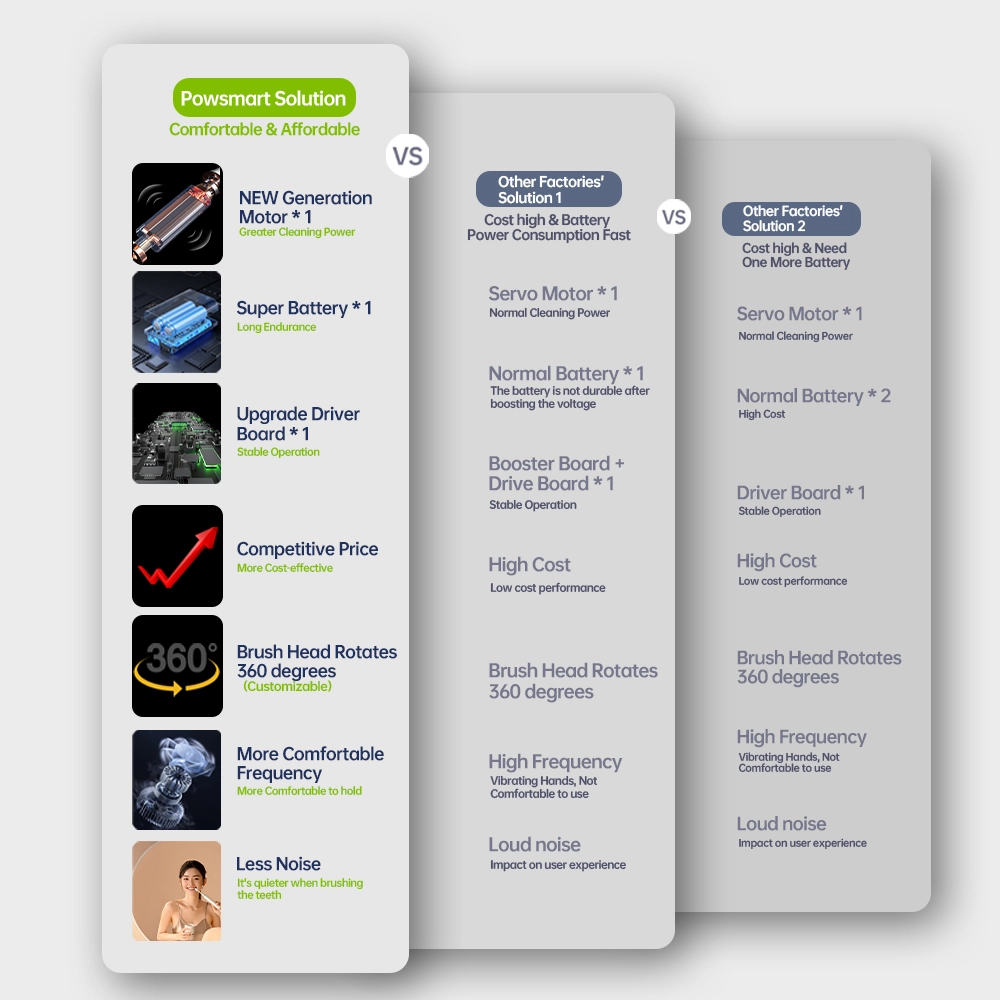
When evaluating a Contract Manufacturing Agreement, many brands focus on unit cost and production capacity, yet overlook the strategic value of integrated mold development. For B2B manufacturers working with global customers—and often alongside a Global Logistics Partner—including mold development services can significantly reduce risk, shorten timelines, and improve product consistency from concept to mass production.
Including mold development within a Contract Manufacturing Agreement allows manufacturers to engage early in product design. This alignment helps identify feasibility issues, optimize part geometry, and reduce costly revisions before tooling begins.
When mold development is handled in-house or under direct manufacturer management, tooling accuracy and durability are easier to control. This ensures stable production output and consistent part quality throughout the product lifecycle.
Integrated mold development eliminates handoffs between third-party toolmakers and factories. This streamlined approach accelerates sampling, validation, and ramp-up—critical advantages for brands competing in fast-moving markets.
A Contract Manufacturing Agreement that includes mold development provides clearer cost structures. Manufacturers can balance upfront tooling investment with long-term production efficiency, reducing hidden costs related to mold transfer, maintenance, or rework.
Well-developed molds support scalable manufacturing across regions. When combined with an experienced Global Logistics Partner, this readiness ensures smooth transitions from pilot runs to full-scale global distribution without compromising quality or delivery schedules.
Offering mold development services positions the manufacturer as a solution partner rather than a transactional supplier. Clear responsibility within the Contract Manufacturing Agreement improves accountability, communication, and long-term collaboration.
A comprehensive Contract Manufacturing Agreement should go beyond assembly and production. By including mold development services—and aligning them with supply chain and Global Logistics Partner capabilities—manufacturers can deliver faster, more reliable, and more scalable solutions for OEM and brand partners worldwide. Contact us
.jpg)
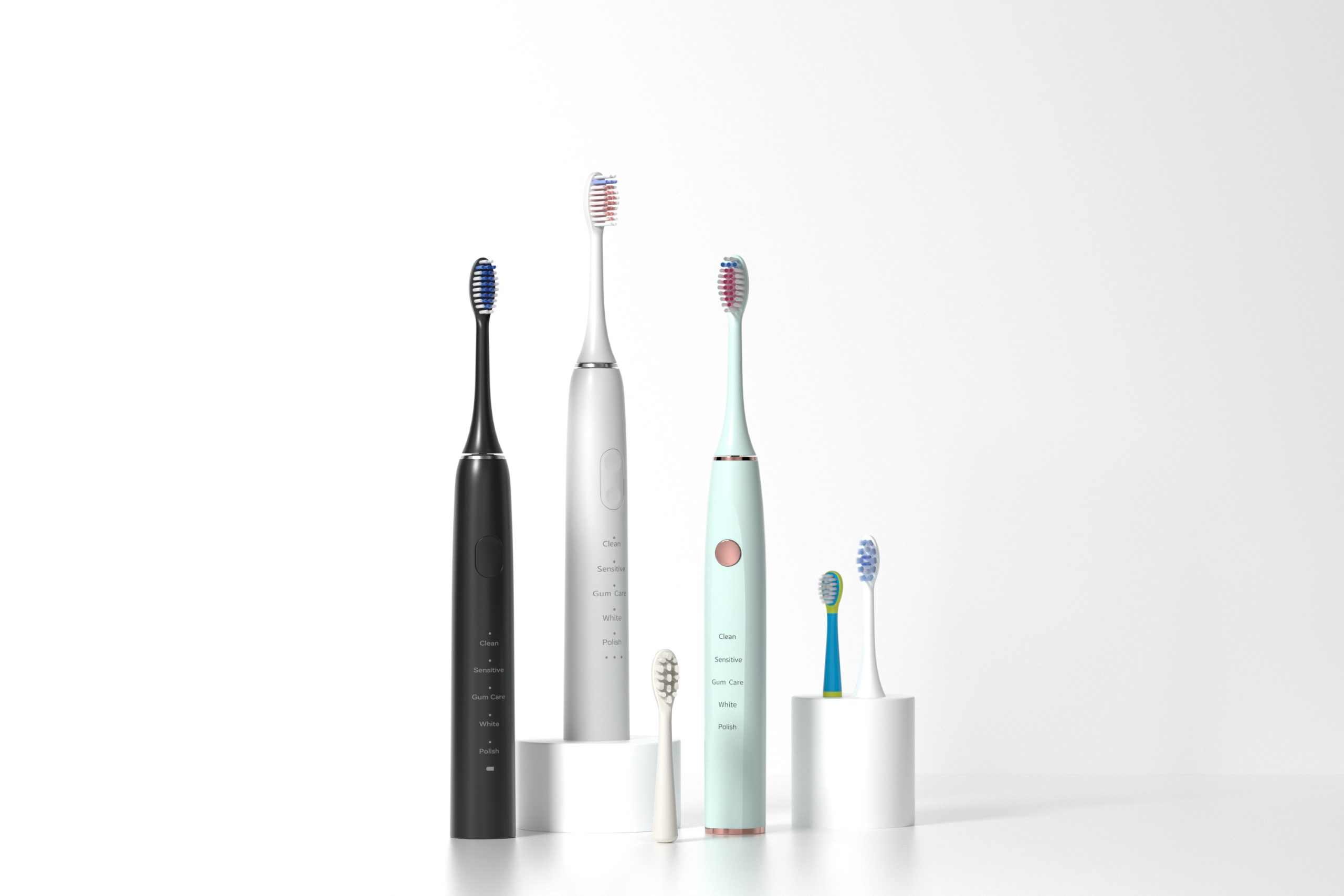
powsmart electric toothbrush factory
.jpg)
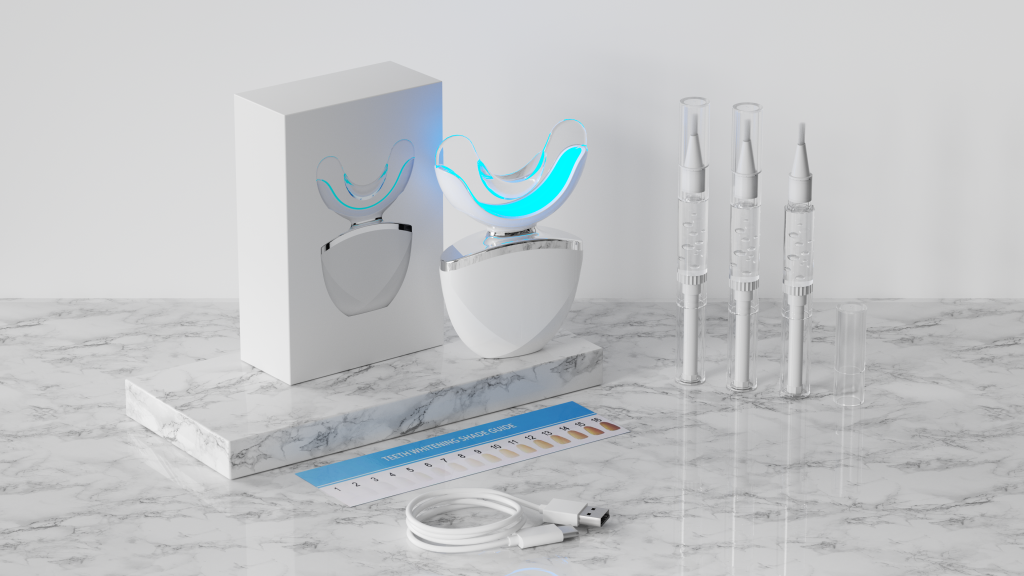
Considering Whitening Kit Private Label?
How to Start a Private Label Teeth Whitening Brand?
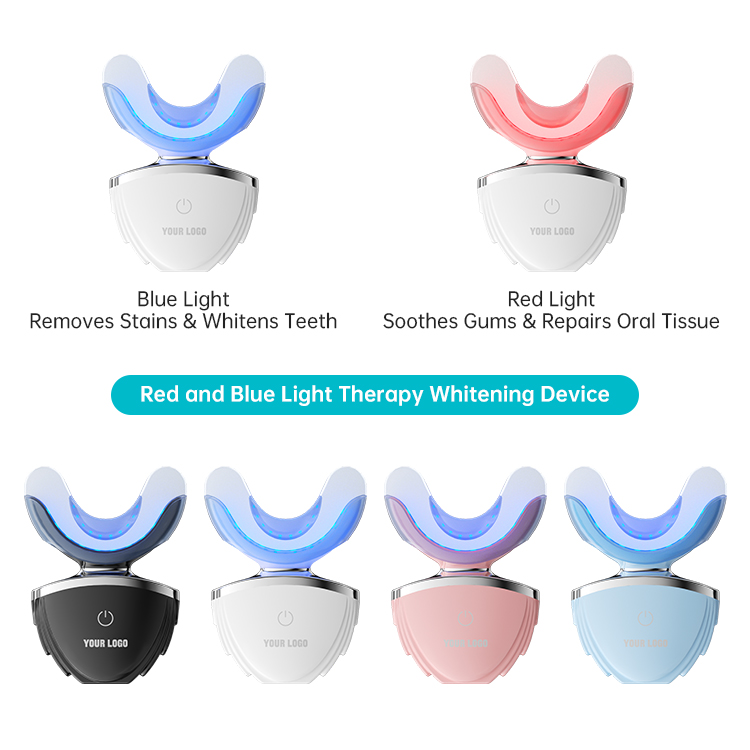
Gum-Care Whitening Device | Gentle LED Oral Care OEM Solution
Blue Light Whitening Device | Quick & Effective Teeth Brightening for beauty and oral-care OEM brands.
Can Pulse Water Technology Function Reliably Without a Leakage Prevention Valve?
Interested in Whitening Pen OEM Production for a Fast-Acting Whitening Gel?
A Comparison of Different At-Home Teeth Whitening Options for OEM Product Development

How Big Is the Teeth Whitening Market? Capitalize with LED Whitening Kit OEM
LED teeth whitening device manufacturer | Professional Whitening Device OEM Factory
How Does Desktop Irrigator Design Incorporate an Anti-bacterial Hose for Hygiene?
Why Bundle an Oral Care Kit with Cosmetic Whitening Equipment?
.jpg)
Can Whitening Kit OEM Production Seamlessly Integrate Teeth Whitening Gel Manufacturing?
How Often Should the Filter Cartridge Supply Be Replaced in a Gravity Feed System Flosser?
.jpg)
Can a Beauty Salon Whitening Kit Incorporate Advanced Teeth Whitening Lamp Supplier Technology?

The process of brand owners customizing OEM whitening teeth Kit


.jpg)
.jpg)
.jpg)
.jpg)
.jpg)






.jpg)